Editor’s Choice
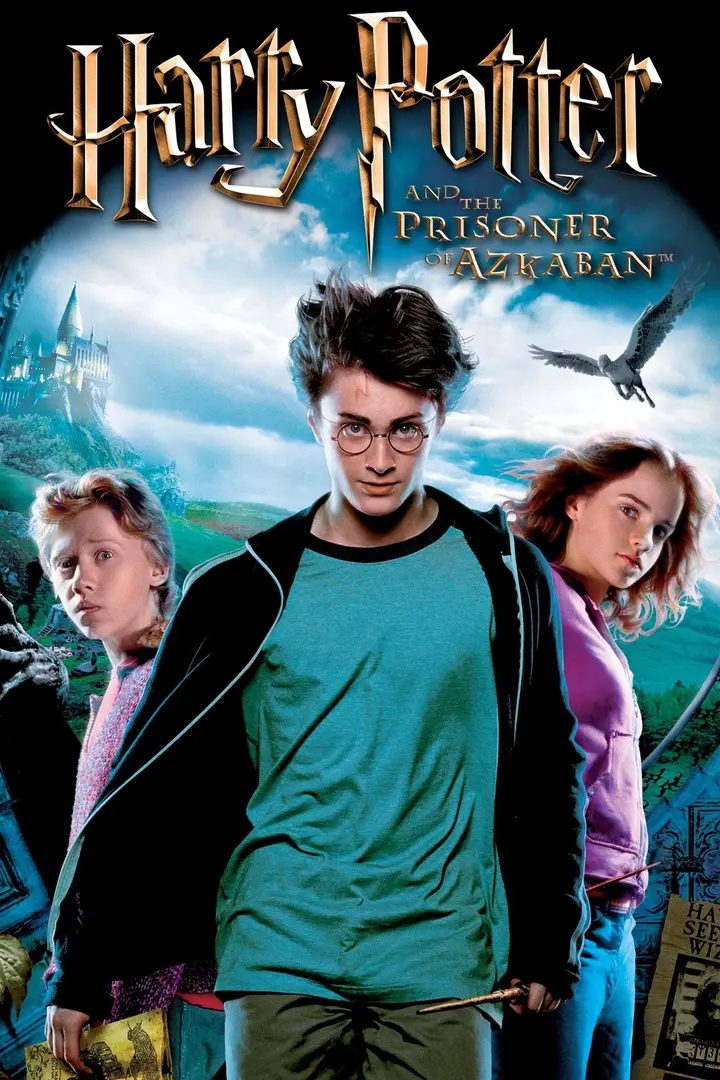
Harry Potter and the Prisoner of Azkaban
AgeMinimum 9Recommended 10+
A darker magical journey where Harry confronts his deepest fears and discovers that the past does not decide who he will become.
Returning to Hogwarts for his third year, Harry learns that Sirius Black, a dangerous prisoner connected to Voldemort's followers, has escaped from Azkaban. As Dementors surround the school and threaten Harry's sense of safety, he begins uncovering secrets about his parents, his past, and the people he thought he understood. Guided by the new Defense Against the Dark Arts teacher Remus Lupin, Harry must face fears that go beyond any magical creature.
- Release Year
- 2004
- Runtime
- 142 min
- Studio
- Warner Bros.
- Format
- Live Action
- Mood
- Dark, Intense
- MPAA Rating
- PG
Harry Potter and the Prisoner of Azkaban gives Hogwarts a darker, less predictable appearance. Alfonso Cuarón fills the grounds with changing weather, restless corridors, and a sense that the characters have grown beyond their first school adventures. The visual style mirrors Harry's uncertainty as new information about his parents begins to challenge what he believes.
Dementors awaken painful memories. Their presence drains warmth and hope from familiar spaces, making Professor Lupin's lessons about defense especially important. Harry must practice patience and control as he learns the Patronus Charm.
The mystery of Sirius Black reshapes relationships. Secrets emerge through conversations, clues, and changes in perspective. The film balances moments of humor and companionship with a more serious account of fear, trust, and the difficulty of judging people from their reputations. Its shifting atmosphere marks a turning point in the series.
Why It Stands Out
Alfonso Cuarón gives Hogwarts shifting weather, moving shadows and the sense of a world growing with its students. The Dementors bring frightening new stakes, while Harry’s search for answers about his parents gives the mystery its weight.
Parents’ Insight
Growing up involves learning how to face difficult emotions and painful memories. Harry's journey offers families an opportunity to discuss fear, resilience, and finding support.
Editor’s Choice: Atmospheric direction, richer emotion and creative maturity
Parents’ Guide
What to know before you press play
Six things parents ask about, rated on the same scale for every film and series in the collection.
- Scary intensity
- Strong (4 of 5)
- Violence
- Mild (2 of 5)
- Language
- Minimal (1 of 5)
- Emotional intensity
- Minimal (1 of 5)
- Sexual content
- None (0 of 5)
- Substance use
- Minimal (1 of 5)
Content notes
- Genuinely frightening Dementors and dark atmosphere; darker tone than prior films
Questions Parents Ask
What is Harry Potter and the Prisoner of Azkaban about?
Returning to Hogwarts for his third year, Harry Potter learns that Sirius Black, a notorious prisoner believed to have betrayed his parents, has escaped from Azkaban and may be searching for him. To protect the school, terrifying Dementors are stationed around Hogwarts, but their presence affects Harry more deeply than anyone else.
As Harry, Ron, and Hermione investigate the mystery surrounding Sirius, they uncover unexpected connections between the past and the present. Guided by Professor Remus Lupin, Harry learns that truth is often more complicated than first impressions and that some of the people he fears most deserve understanding rather than judgment.
What age is Harry Potter and the Prisoner of Azkaban suitable for?
Minimum age: 9. Recommended age: 10+. Although the film contains no graphic violence, its mood is significantly darker than earlier entries. The Dementors, suspenseful sequences, and emotionally heavy moments may be unsettling for younger children, while older children and tweens are generally ready for its more mature storytelling.
Is Harry Potter and the Prisoner of Azkaban scary?
- Frightening creatures
- Dark atmosphere
- Suspense
- Emotional intensity
- Graphic violence
The Dementors are among the most frightening creatures introduced in the series, creating several tense scenes. The film also relies more heavily on atmosphere, mystery, and psychological suspense than the earlier Harry Potter films.
Is Harry Potter and the Prisoner of Azkaban worth watching?
One of the series' finest entries, combining richer filmmaking, stronger emotional depth, and a more mature magical mystery. Harry Potter and the Prisoner of Azkaban marks a major turning point for the series. Director Alfonso Cuarón introduces a more cinematic visual style, richer atmosphere, and a stronger focus on character than the previous films, allowing Hogwarts to feel older, stranger, and more alive. Rather than centering solely on defeating a villain, the story explores trust, memory, forgiveness, and the danger of judging people too quickly. The result is a magical adventure that grows alongside its audience while remaining accessible to families with older children.
What is Harry Potter and the Prisoner of Azkaban based on?
Harry Potter and the Prisoner of Azkaban is based on the book Harry Potter and the Prisoner of Azkaban, written by J. K. Rowling, first published in 1999. While some subplots and characters are condensed for the screen, the adaptation closely follows the novel's central mystery, emotional revelations, and themes.
What order should you watch the Harry Potter and Fantastic Beasts movies in?
Harry Potter and the Prisoner of Azkaban is the third of the 11 Harry Potter and Fantastic Beasts movies in release order. Watch it after Harry Potter and the Chamber of Secrets (2002) and before Harry Potter and the Goblet of Fire (2005). Release order: 1) Harry Potter and the Philosopher's Stone (2001, best from age 9); 2) Harry Potter and the Chamber of Secrets (2002, best from age 10); 3) Harry Potter and the Prisoner of Azkaban (2004, best from age 10); 4) Harry Potter and the Goblet of Fire (2005, best from age 11); 5) Harry Potter and the Order of the Phoenix (2007, best from age 11); 6) Harry Potter and the Half-Blood Prince (2009, best from age 12); 7) Harry Potter and the Deathly Hallows: Part 1 (2010, best from age 13); 8) Harry Potter and the Deathly Hallows: Part 2 (2011, best from age 13); 9) Fantastic Beasts and Where to Find Them (2016, prequel, best from age 12); 10) Fantastic Beasts: The Crimes of Grindelwald (2018, prequel, best from age 11); 11) Fantastic Beasts: The Secrets of Dumbledore (2022, prequel, best from age 11). The three Fantastic Beasts films are set decades before Harry is born. Watch the eight Harry Potter films first: the prequels lean on names and places the main series introduces. The films also get darker book by book, so many families pause after Harry Potter and the Prisoner of Azkaban and continue when their child is older. Ages across the series range from 9 (Harry Potter and the Philosopher's Stone) to 13 (Harry Potter and the Deathly Hallows: Part 1), so a younger child may be ready for some films well before others. All 11 have a full parents’ guide in The Family Film Collection.
Talk About It
Sirius Black’s escape and a time-travel secret force Harry to reconsider the people blamed for his parents’ deaths and confront fear embodied by Dementors.
- Harry spends most of the film believing Sirius Black wants to kill him, before learning the truth. How does what turns out to be true change how you see his earlier fear?
- How does Lupin teach him to face Dementors?
- Would you use a Time-Turner to change a terrible outcome?
- What would you tell Harry before the Shrieking Shack?
- Why does Hermione hide her impossible class schedule?
- How does Buckbeak respond to respect and insult?
- Which revelation changes Harry’s view most?
- Why does Harry believe his father cast the Patronus?
Turn this film into a ready-to-use class discussion
Use the Teacher Resources already attached to this film. Choose the questions you want, then print, copy or share the result.
Similar Movies
Chamber of Secrets comes before this chapter; Goblet of Fire comes after. Escaped prisoner Sirius Black seems to hunt Harry through a third year patrolled by Dementors, Fantastic Beasts drifts to this world decades earlier, and Spiderwick and Percy Jackson carry hidden-magic quests into different mythologies.
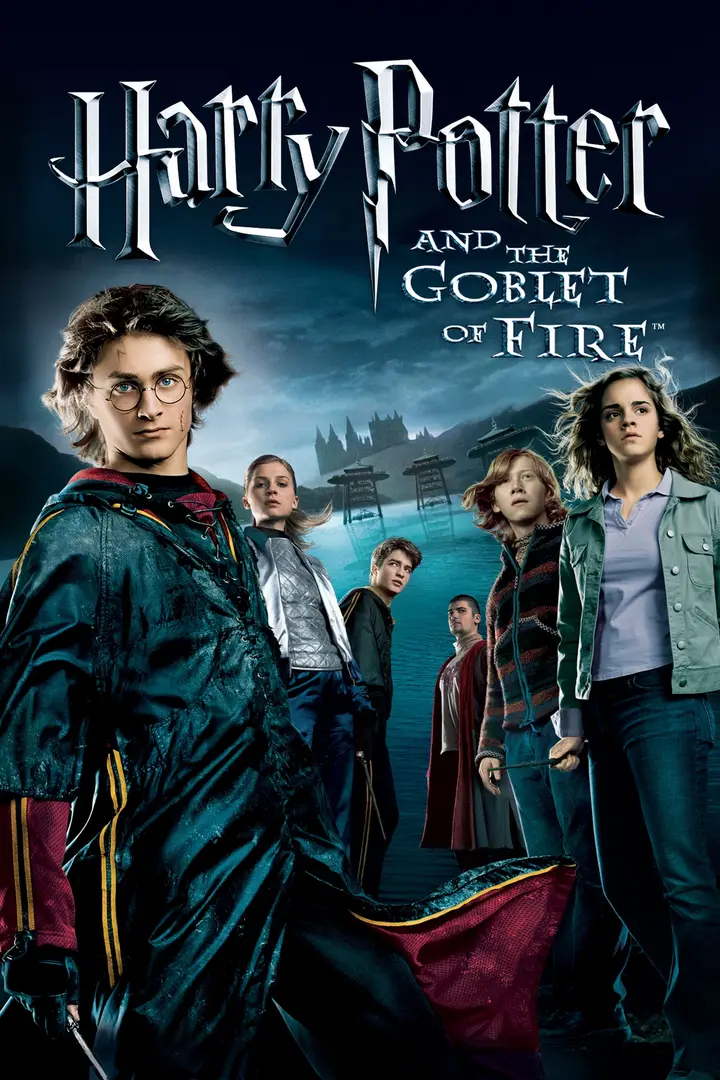
Harry Potter and the Goblet of Fire
A thrilling magical journey where Harry enters a dangerous tournament and discovers that the world he loves is changing forever.
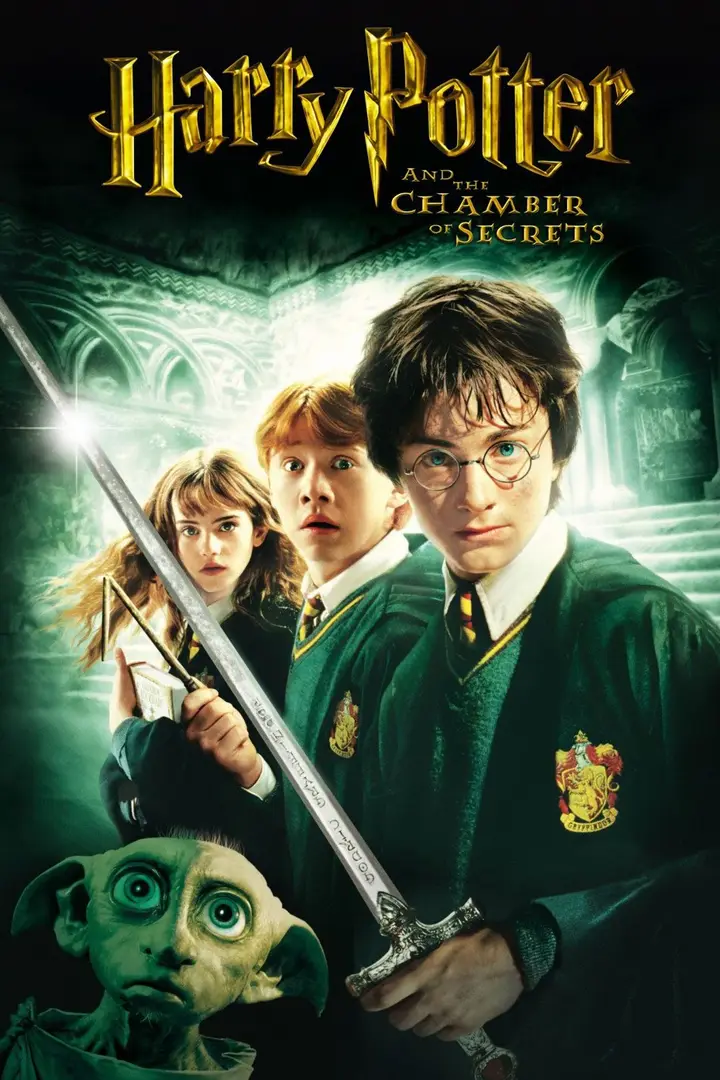
Harry Potter and the Chamber of Secrets
A darker magical adventure where Harry faces a hidden threat and discovers that his choices reveal the person he truly is.
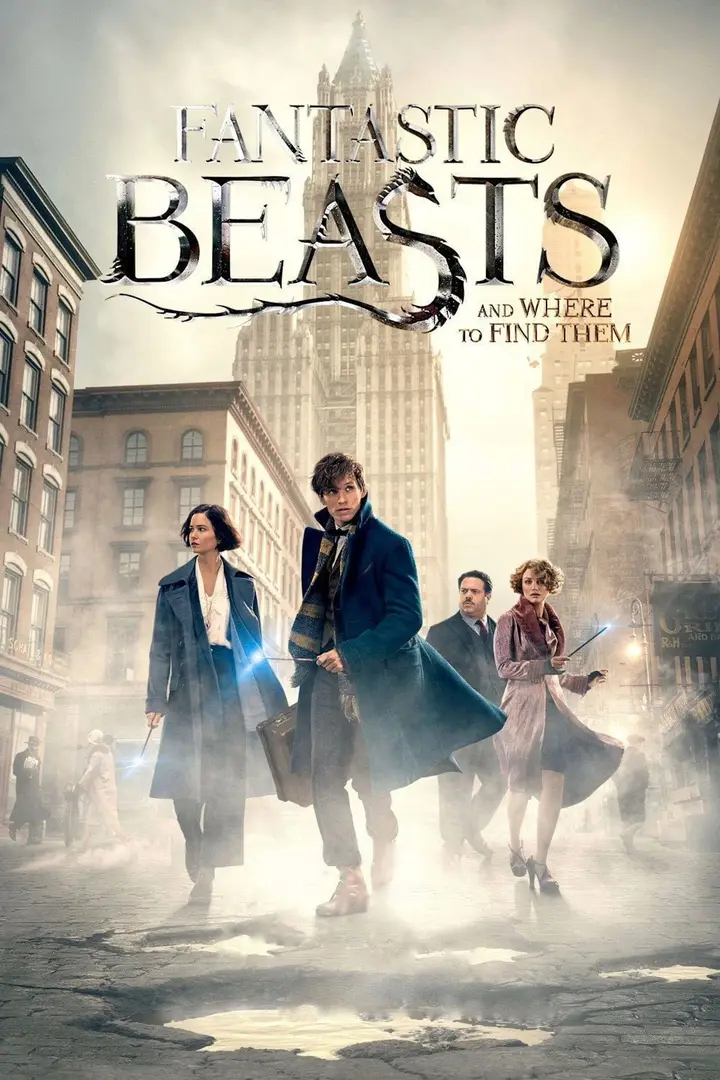
Fantastic Beasts and Where to Find Them
A richly imagined magical adventure about outsiders, hidden creatures, and the courage to protect what others fear.
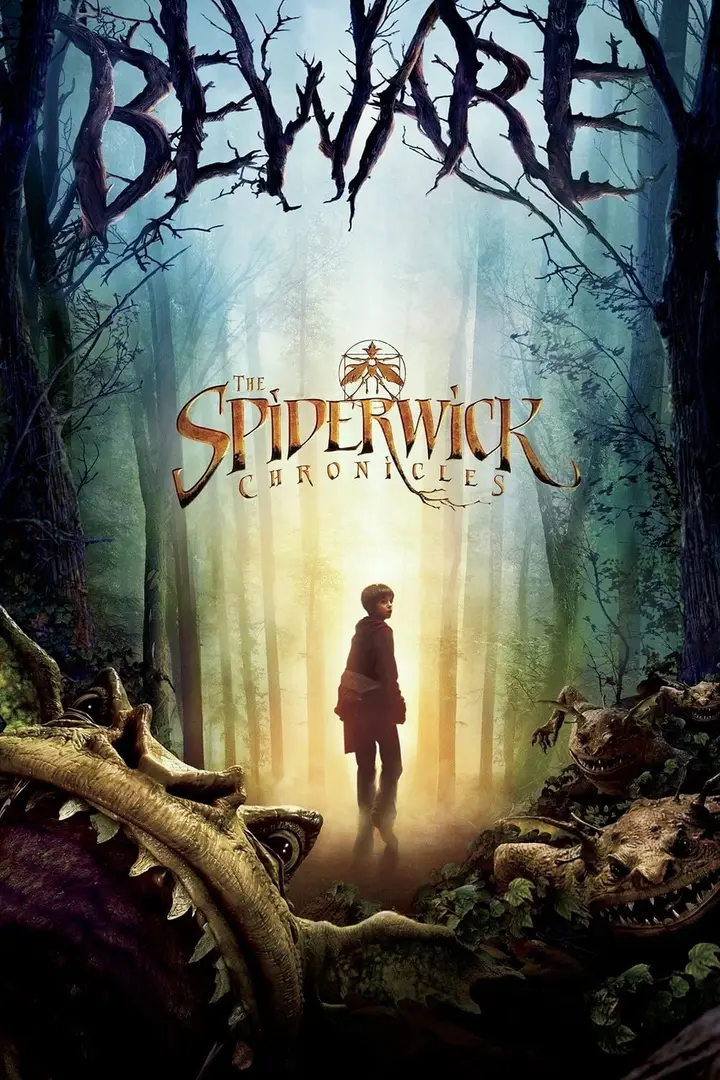
The Spiderwick Chronicles
A darker family fantasy about sibling loyalty, hidden worlds, and the courage it takes to protect the people you love.
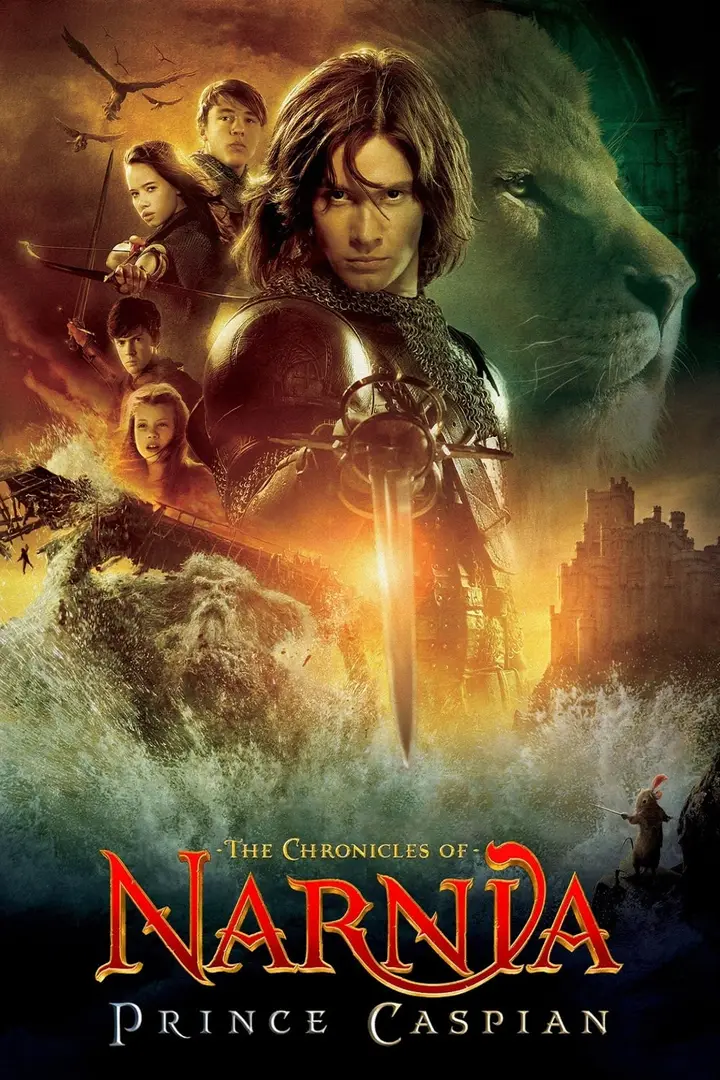
The Chronicles of Narnia: Prince Caspian
A sweeping fantasy adventure of forgotten kingdoms, ancient legends, and the challenge of finding courage in a world transformed by time.
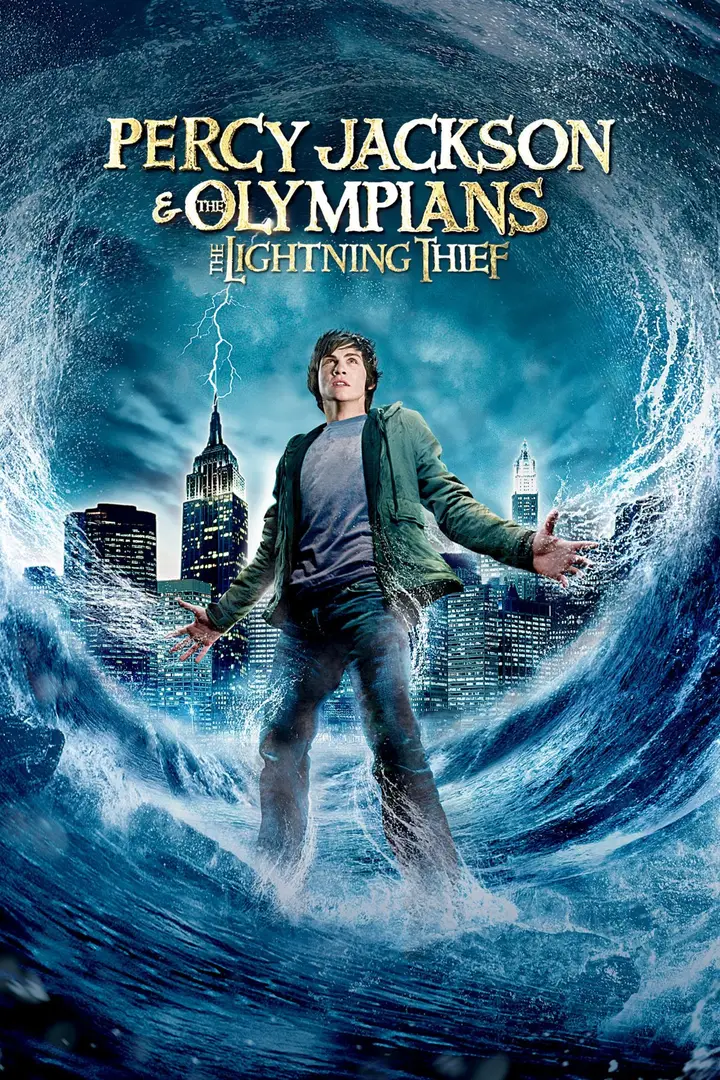
Percy Jackson & the Olympians: The Lightning Thief
A modern fantasy adventure of ancient gods, forgotten myths, and a teenager discovering that the stories of the past are still alive.