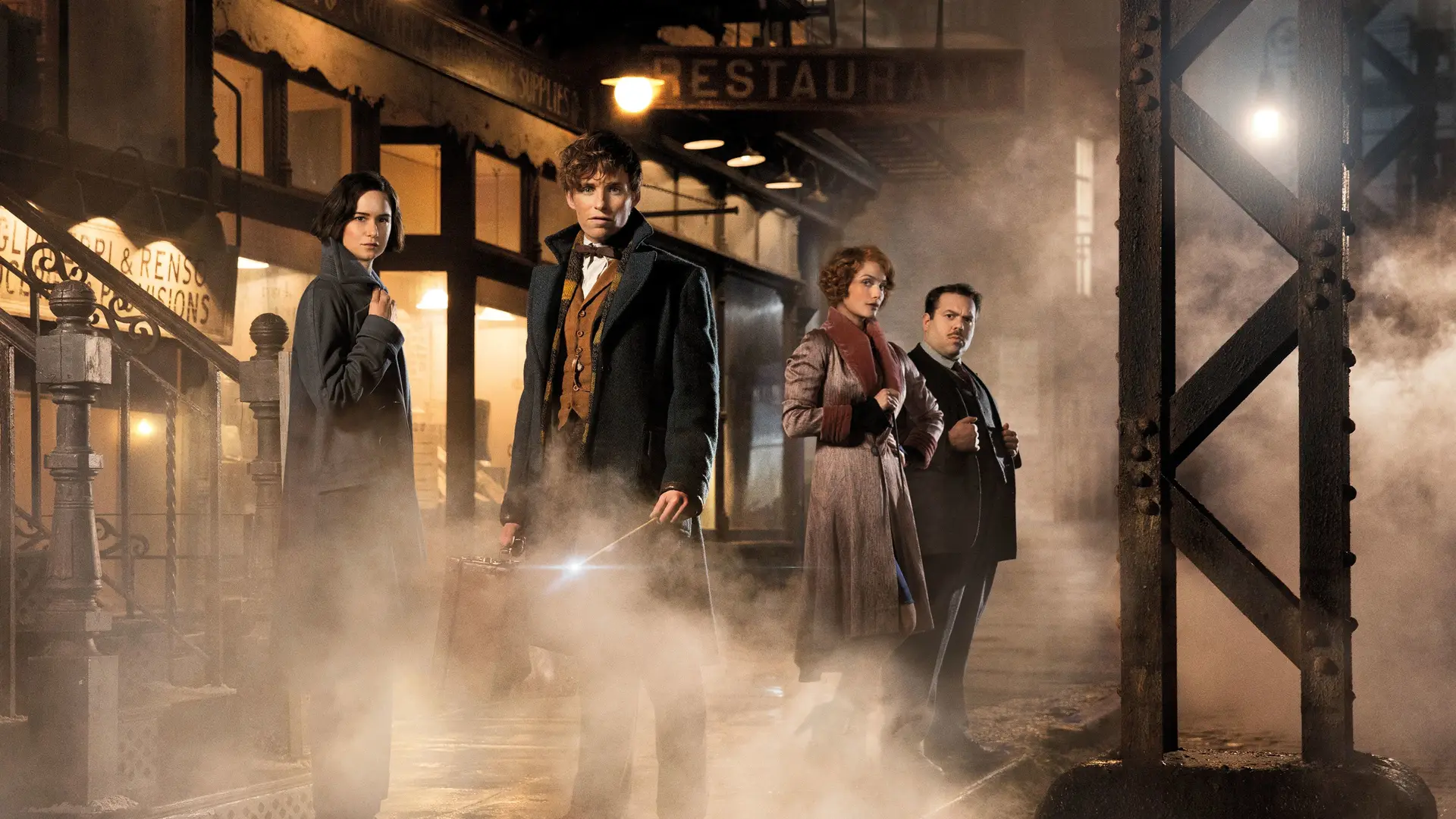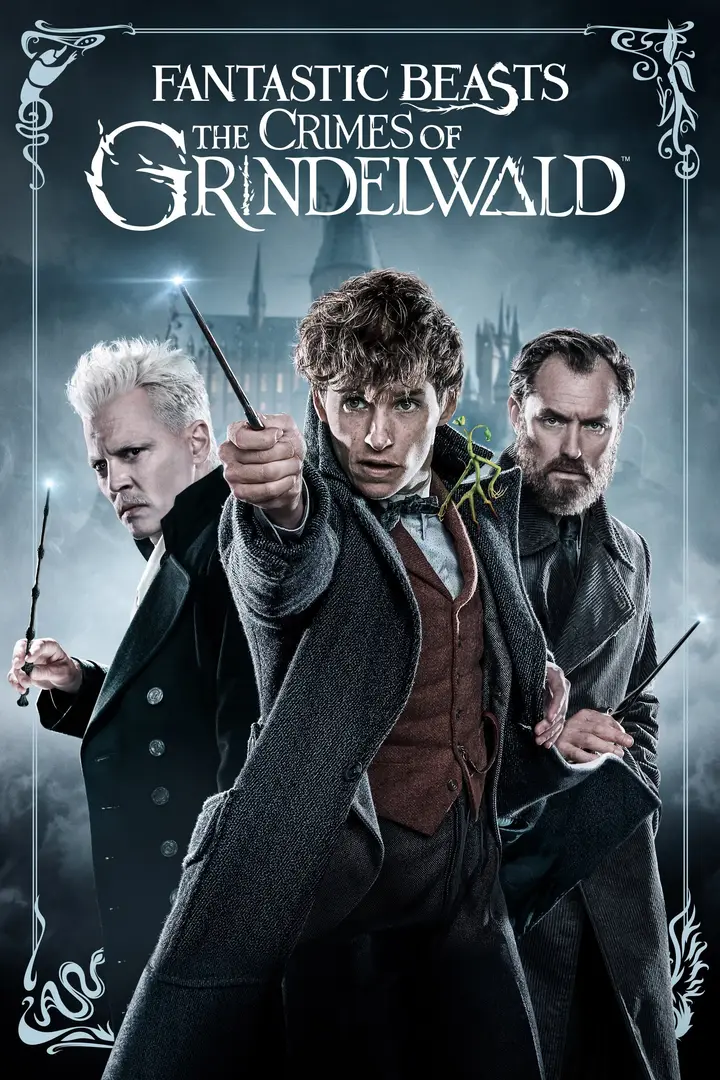
Fantastic Beasts: The Crimes of Grindelwald
AgeMinimum 9Recommended 11+
A darker fantasy adventure of divided worlds, hidden secrets, and a wizard choosing where his loyalty truly belongs.
After the events in New York, Newt Scamander is asked by Albus Dumbledore to help stop the powerful dark wizard Gellert Grindelwald, who has escaped custody and begun gathering followers. As Newt returns to a magical world filled with old friendships, dangerous secrets, and growing divisions, he must navigate a conflict where trust, loyalty, and personal choices become increasingly important.
- Release Year
- 2018
- Runtime
- 134 min
- Studio
- Warner Bros.
- Format
- Live Action
- Mood
- Dark, Magical
- MPAA Rating
- PG-13
Fantastic Beasts: The Crimes of Grindelwald moves the story beyond the discovery of magical creatures and into a wider conflict about choices, beliefs, and the future of the wizarding world.
Newt Scamander remains someone who understands beings others fear or reject. His connection with creatures reflects his larger approach to people: he looks beyond appearances and refuses to judge someone only by what others believe about them.
The rise of Grindelwald introduces a different kind of threat. Instead of hiding from the non-magical world, he seeks to reshape the relationship between magical and non-magical people through division and control. His influence grows by using fear and uncertainty to convince others that separation is the answer.
The film expands the Wizarding World through new locations, histories, and characters while exploring how personal choices can have consequences far beyond one individual. Old friendships, family connections, and unresolved questions from the past become part of a larger struggle over what kind of future people want to create.
At its center, the story asks a timeless question: when the world becomes divided, what values are worth protecting?
Why It Stands Out
Fantastic Beasts: The Crimes of Grindelwald shifts the Wizarding World from exploration into a story about loyalty, identity, and the consequences of choosing sides.
The film explores how fear can influence societies and how compassion, understanding, and personal responsibility become important when communities begin to separate.
Parents’ Insight
Children gradually learn that disagreements are not always about choosing who is right or wrong. Understanding different perspectives helps them recognize how fear and assumptions can influence the way people treat each other.
Choosing kindness and fairness becomes especially important when differences begin creating distance between people.
Parents’ Guide
What to know before you press play
Six things parents ask about, rated on the same scale for every film and series in the collection.
- Scary intensity
- Mild (2 of 5)
- Violence
- Mild (2 of 5)
- Language
- Minimal (1 of 5)
- Emotional intensity
- Minimal (1 of 5)
- Sexual content
- Mild (2 of 5)
- Substance use
- Minimal (1 of 5)
Content notes
- Fantasy violence and dark themes
Questions Parents Ask
What is Fantastic Beasts: The Crimes of Grindelwald about?
The dangerous dark wizard Gellert Grindelwald escapes custody and begins gathering followers, forcing the wizarding world to confront the growing threat. Albus Dumbledore recruits his former student, magizoologist Newt Scamander, to track down Grindelwald before he can rally even more followers to his cause. As the dark wizard Grindelwald escapes custody and gathers followers, Newt Scamander is drawn deeper into a growing wizarding war with unexpected ties to his own past.
What age is Fantastic Beasts: The Crimes of Grindelwald suitable for?
Minimum age: 9. Recommended age: 11+. Fantasy violence and dark themes are treated with care rather than played for effect. Older viewers, around 11, pick up on the expanding wizarding-world political intrigue as well.
Is Fantastic Beasts: The Crimes of Grindelwald scary?
- Dark magic, fantasy violence, and threatening imagery
- Parent preview: recommended for sensitive viewers
Grindelwald’s rise and the darker magical confrontations create sustained tension without graphic violence.
Is Fantastic Beasts: The Crimes of Grindelwald worth watching?
Grindelwald gives the story a colder center, while the widening political conflict makes the sequel feel more like a contested wizarding world than a self-contained creature adventure.
What is Fantastic Beasts: The Crimes of Grindelwald based on?
Fantastic Beasts: The Crimes of Grindelwald is an original screenplay by J.K. Rowling that continues the Wizarding World film series rather than directly adapting a specific book. Its wider setting originates in Rowling’s Harry Potter works.
What order should you watch the Harry Potter and Fantastic Beasts movies in?
Fantastic Beasts: The Crimes of Grindelwald is the tenth of the 11 Harry Potter and Fantastic Beasts movies in release order. Watch it after Fantastic Beasts and Where to Find Them (2016) and before Fantastic Beasts: The Secrets of Dumbledore (2022). It is a prequel, so in story order it comes earlier. Release order: 1) Harry Potter and the Philosopher's Stone (2001, best from age 9); 2) Harry Potter and the Chamber of Secrets (2002, best from age 10); 3) Harry Potter and the Prisoner of Azkaban (2004, best from age 10); 4) Harry Potter and the Goblet of Fire (2005, best from age 11); 5) Harry Potter and the Order of the Phoenix (2007, best from age 11); 6) Harry Potter and the Half-Blood Prince (2009, best from age 12); 7) Harry Potter and the Deathly Hallows: Part 1 (2010, best from age 13); 8) Harry Potter and the Deathly Hallows: Part 2 (2011, best from age 13); 9) Fantastic Beasts and Where to Find Them (2016, prequel, best from age 12); 10) Fantastic Beasts: The Crimes of Grindelwald (2018, prequel, best from age 11); 11) Fantastic Beasts: The Secrets of Dumbledore (2022, prequel, best from age 11). The three Fantastic Beasts films are set decades before Harry is born. Watch the eight Harry Potter films first: the prequels lean on names and places the main series introduces. The films also get darker book by book, so many families pause after Harry Potter and the Prisoner of Azkaban and continue when their child is older. Ages across the series range from 9 (Harry Potter and the Philosopher's Stone) to 13 (Harry Potter and the Deathly Hallows: Part 1), so a younger child may be ready for some films well before others. All 11 have a full parents’ guide in The Family Film Collection.
Talk About It
Newt enters Grindelwald’s divided Paris pursuit, where Credence’s identity, Queenie’s longing, and Dumbledore’s past make loyalty dangerously uncertain.
- Why does Dumbledore recruit Newt?
- How does Tina respond to rumors about him?
- Would you attend Grindelwald’s rally to learn his plan?
- What would you tell Queenie before crossing sides?
- Why does Credence seek his family?
- How does Jacob challenge Queenie?
- Which allegiance surprises most?
- Why can Dumbledore not fight Grindelwald?
Turn this film into a ready-to-use class discussion
Use the Teacher Resources already attached to this film. Choose the questions you want, then print, copy or share the result.
Similar Movies
The first Fantastic Beasts film and The Secrets of Dumbledore connect most directly through their wizarding conflict, courage and imagination. Order of the Phoenix and Narnia widen the set toward darker good-versus-evil fantasy, with Doctor Strange offering a more mystical superhero route.
Fantastic Beasts and Where to Find Them
A richly imagined magical adventure about outsiders, hidden creatures, and the courage to protect what others fear.
Fantastic Beasts: The Secrets of Dumbledore
A hopeful fantasy adventure of unlikely allies, hidden histories, and a wizard discovering that trust can change the future.
Harry Potter and the Order of the Phoenix
A darker magical journey where Harry discovers the courage to defend the truth when the world around him refuses to listen.
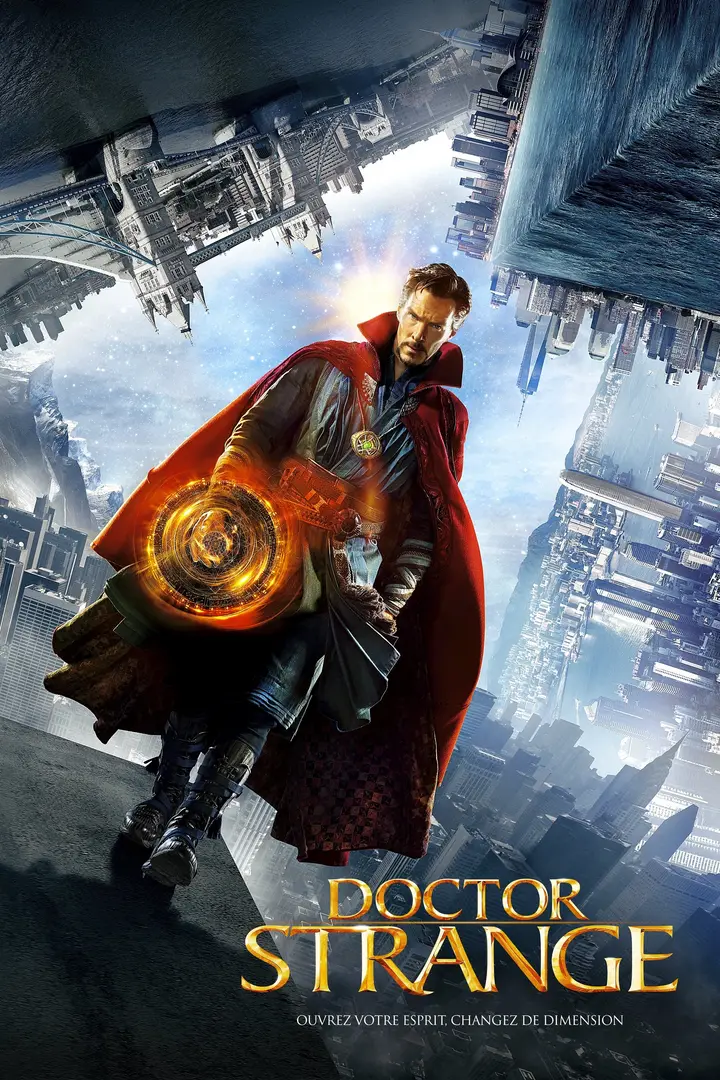
Doctor Strange
A mystical science fiction adventure about a brilliant man who loses everything familiar and discovers that starting again can reveal a strength he never knew he had.
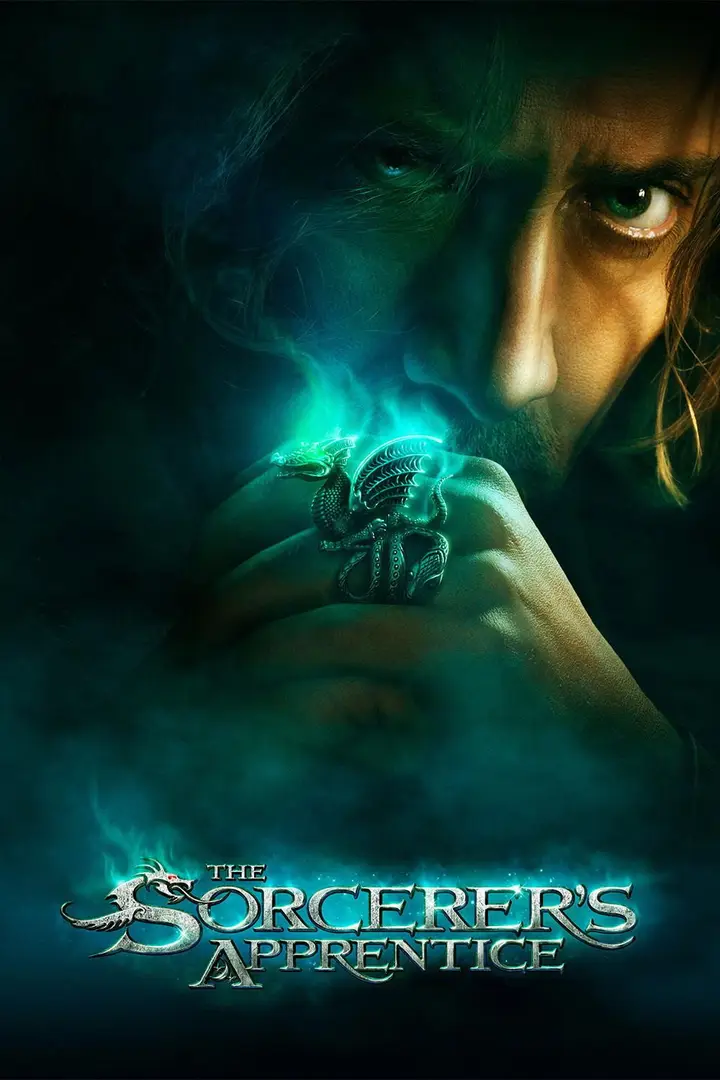
The Sorcerer's Apprentice
A modern fantasy adventure where ancient magic returns and an unlikely hero discovers hidden abilities.
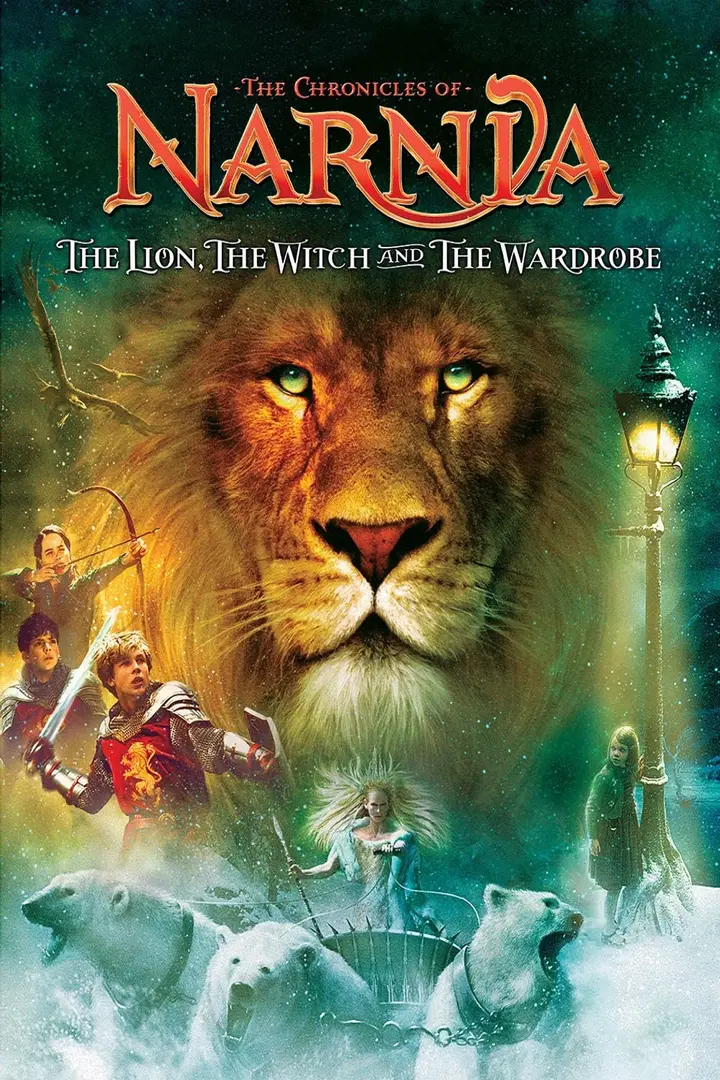
The Chronicles of Narnia: The Lion, the Witch and the Wardrobe
A magical fantasy adventure where four siblings enter a hidden realm of mythical creatures, ancient legends, and a journey that reveals courage beyond imagination.