Editor’s Choice
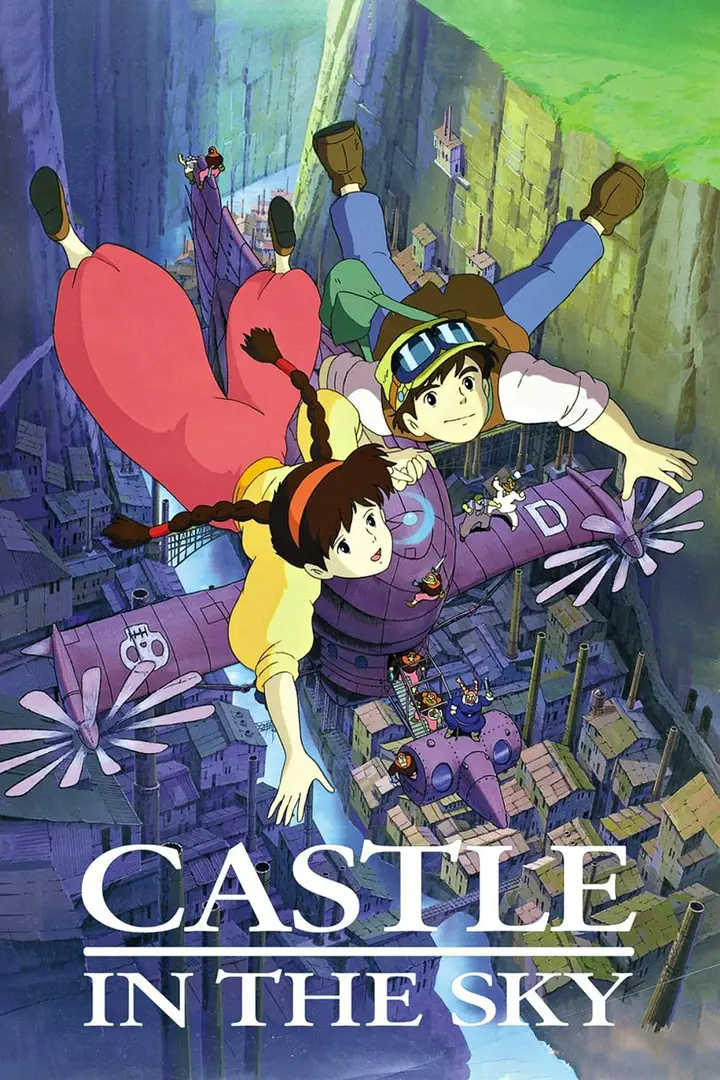
Castle in the Sky
AgeMinimum 7Recommended 8+
Boundless imagination and soaring music bring extraordinary warmth and wonder to an adventure about friendship, discovery, and the search for something long forgotten.
When a mysterious girl named Sheeta falls from the sky carrying a magical crystal, young miner Pazu finds himself drawn into a race to uncover the secret of Laputa, a legendary floating kingdom long believed lost. Pursued by government agents, ambitious military leaders, and a band of sky pirates, the two children embark on a dangerous journey through mining towns, flying fortresses, and the open skies. Along the way, they discover forgotten technology, unexpected allies, and truths that have remained hidden for generations.
- Release Year
- 1986
- Runtime
- 124 min
- Studio
- Studio Ghibli
- Format
- Anime
- Genre
- Adventure, Animation, Fantasy, Science Fiction
- Mood
- Epic, Magical
- MPAA Rating
- PG
Castle in the Sky begins with Sheeta falling from an airship and quickly expands into a world of mining towns, flying machines, pirates, and legends of a city suspended above the clouds. Each new location has a distinct rhythm. Pazu's working community feels practical and lived in, while the enormous aircraft and ancient mechanisms promise discoveries far beyond the familiar landscape.
The film gives its settings enough detail to reward curiosity. Narrow streets, workshops, mechanical parts, and sweeping cloudscapes turn travel into an essential part of the story. Its action moves briskly through pursuits and escapes, yet there is time to watch a machine operate, explore an unfamiliar room, or notice how people live in a new place.
Pazu and Sheeta provide a steady focus amid the changing scenery. Their friendship is built through shared danger, kindness, and practical decisions. They must also judge the intentions of powerful adults who pursue the secrets of Laputa for their own purposes. The pirates add comedy and unpredictability as their part in the adventure changes.
Hayao Miyazaki connects technological imagination with questions about responsibility. Beautiful inventions can invite discovery or become tools of control, depending on the hands that possess them. The resulting journey combines expansive visual invention with a clear affection for human cooperation, curiosity, and the natural world.
Why It Stands Out
Castle in the Sky established many of the ideas, images, and sense of wonder that would shape Hayao Miyazaki’s later films. Flying machines, forgotten civilizations, young heroes, breathtaking landscapes, and the excitement of discovery all appear here with remarkable confidence, forming the foundation of the imaginative worlds that followed.
Its greatest achievement, however, is the feeling of adventure itself. Few family films recreate so completely what exploration felt like in childhood, when every new place seemed capable of hiding another mystery. By the time Laputa appears, the destination matters less than everything we discovered along the way.
Parents’ Insight
Many childhood passions begin with simple curiosity. A map, a story, a place, or an impossible idea can inspire years of questions, imagination, and exploration long before they ever become useful.
Castle in the Sky reminds us that children do not need every mystery explained. Sometimes the greatest gift we can give them is the feeling that the world is still full of places to discover, wonders worth searching for, and questions worth asking.
Editor’s Choice: Soaring imagination, rich design and pure adventure
Parents’ Guide
What to know before you press play
Six things parents ask about, rated on the same scale for every film and series in the collection.
- Scary intensity
- Minimal (1 of 5)
- Violence
- Moderate (3 of 5)
- Language
- Minimal (1 of 5)
- Emotional intensity
- Minimal (1 of 5)
- Sexual content
- None (0 of 5)
- Substance use
- Moderate (3 of 5)
Content notes
- Action-adventure peril, including armed conflict and falls
Questions Parents Ask
What is Castle in the Sky about?
When a young girl named Sheeta falls from the sky carrying a magical crystal, she is rescued by Pazu, an optimistic boy who dreams of proving that the legendary floating city of Laputa truly exists. Pursued by government agents, an ambitious military commander, and a lively band of sky pirates, the two children embark on an extraordinary journey through mining towns, towering airships, and cloud-filled skies. As they draw closer to the forgotten kingdom, they discover that its greatest treasures are not its incredible machines but the lessons they teach about responsibility, friendship, and the proper use of knowledge.
What age is Castle in the Sky suitable for?
The airship battles stay adventurous rather than frightening, with most of the tension coming from Sheeta and Pazu's race to keep the crystal amulet's power out of the military's hands.
Is Castle in the Sky scary?
- Airship battles
- Characters in peril
- Falls from great heights
- Armed confrontations
- Graphic violence
- Horror elements
The experience in Castle in the Sky includes several energetic chase sequences, explosions, and moments where the heroes appear to be in serious danger. While the film contains military weapons and conflict, it avoids graphic imagery and remains focused on adventure, ingenuity, and cooperation. The lighter moments with the sky pirates help keep the overall tone optimistic and family friendly.
Is Castle in the Sky worth watching?
Castle in the Sky is one of Studio Ghibli's defining adventures, combining breathtaking imagination, unforgettable music, and timeless storytelling into a film that celebrates curiosity, friendship, and the wonder of exploration. As Studio Ghibli's first theatrical feature, Castle in the Sky established many of the themes that would become hallmarks of Hayao Miyazaki's work: remarkable flying machines, independent young heroes, breathtaking landscapes, and a deep respect for both nature and human creativity. Joe Hisaishi's soaring musical score gives the adventure an unforgettable emotional richness, while Laputa itself remains one of animation's most iconic fantasy settings. Beneath its spectacular adventure lies a thoughtful story about the responsibility that accompanies knowledge and the importance of protecting the world rather than controlling it.
What is Castle in the Sky based on?
Castle in the Sky is not based on a book. Hayao Miyazaki created the story as an original adventure, although the floating kingdom of Laputa takes its name from the airborne island featured in Jonathan Swift's eighteenth-century book Gulliver's Travels. Miyazaki transforms that literary inspiration into a richly imagined steampunk world filled with airships, ancient technology, and unforgettable characters.
Talk About It
Sheeta’s crystal and Pazu’s faith in Laputa draw them between pirates and Colonel Muska, revealing a floating civilization whose knowledge can nurture or destroy.
- What makes Pazu believe Sheeta’s story about the floating city?
- How does Sheeta’s crystal protect her while also attracting danger?
- Would you join Dola’s pirates to reach Laputa?
- What does Pazu hope to prove about his father?
- Which robot’s action changes how you view Laputa’s technology?
- What would you tell Sheeta before Muska activates the city’s weapon?
- Why do Dola’s pirates become allies instead of remaining enemies?
- Sheeta learns that her crystal can guide people to Laputa but can also be used to control its weapons. Who should be allowed to decide what happens to that power?
Turn this film into a ready-to-use class discussion
Use the Teacher Resources already attached to this film. Choose the questions you want, then print, copy or share the result.
Similar Movies
Nausicaä links Castle in the Sky to Miyazaki's earlier blend of flight, young courage and endangered worlds, and Atlantis echoes its search for a lost civilization through a more industrial adventure. The Iron Giant narrows the scale to one extraordinary machine and the friendship built around it.
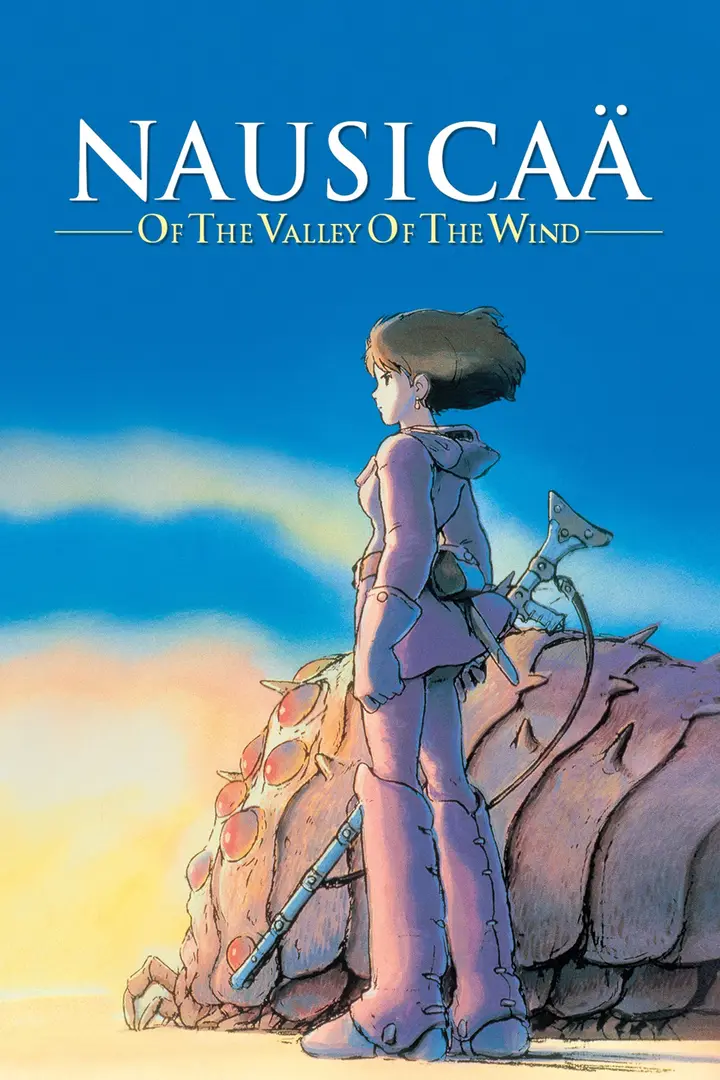
Nausicaä of the Valley of the Wind
One of animation's most visionary and intimate adventures about war, nature and the survival of human compassion.
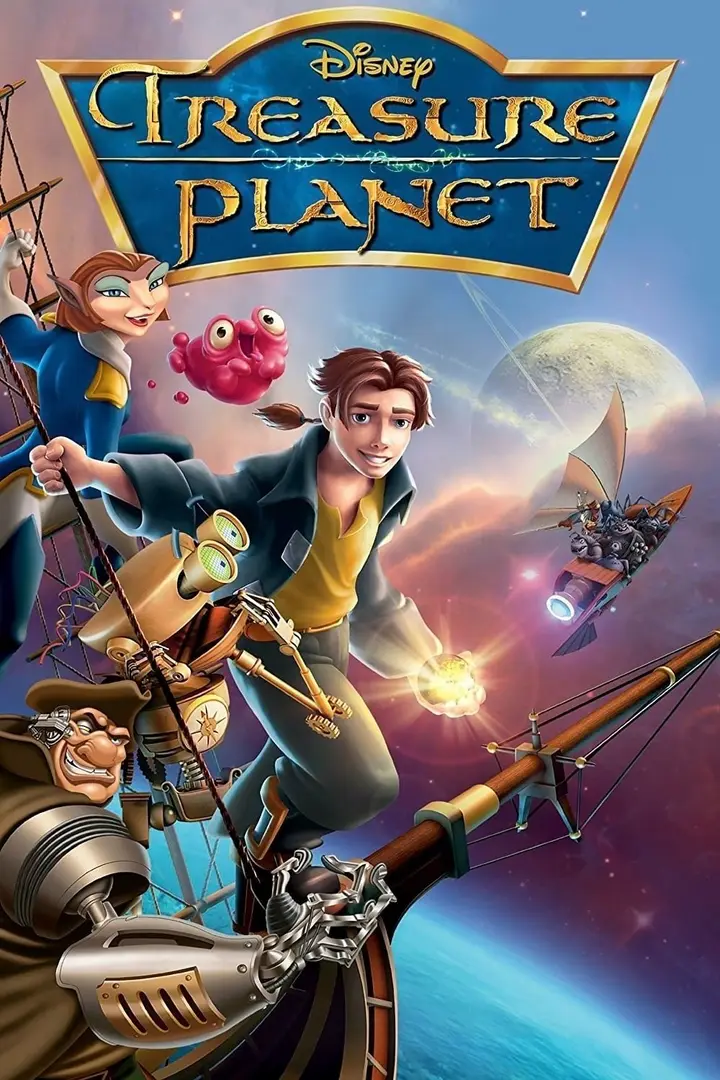
Treasure Planet
A thrilling spacefaring pirate adventure about trust, ambition, and an unexpected father-son bond.
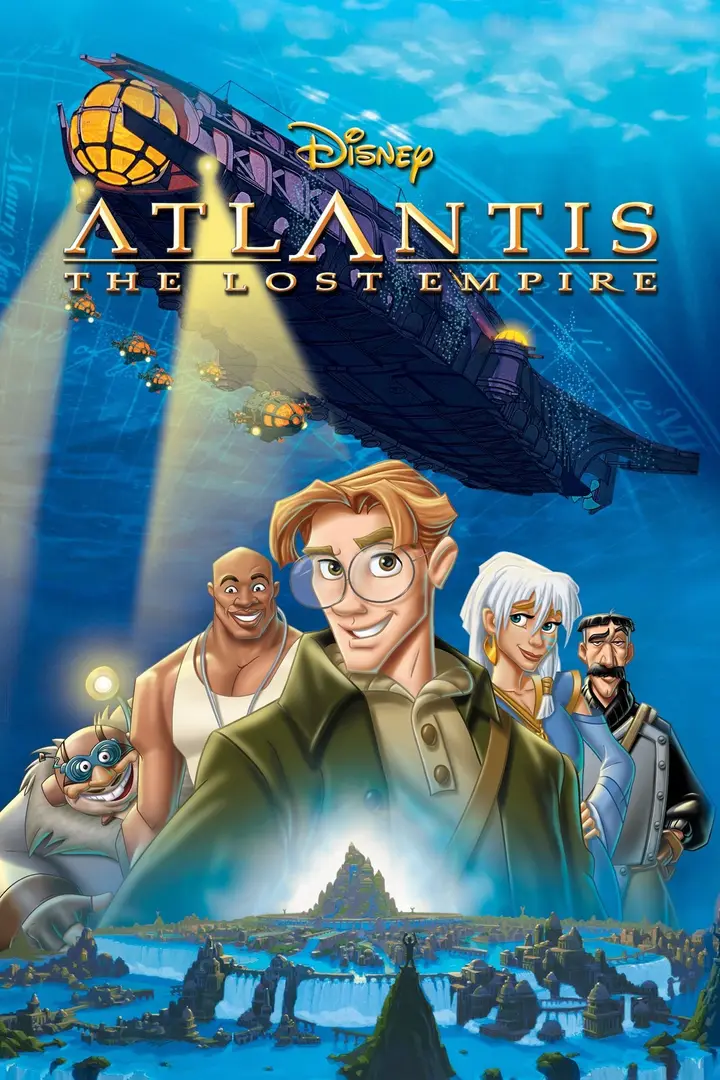
Atlantis: The Lost Empire
Ancient mysteries, daring exploration, and a wondrous world unlike anything its discoverers expected.
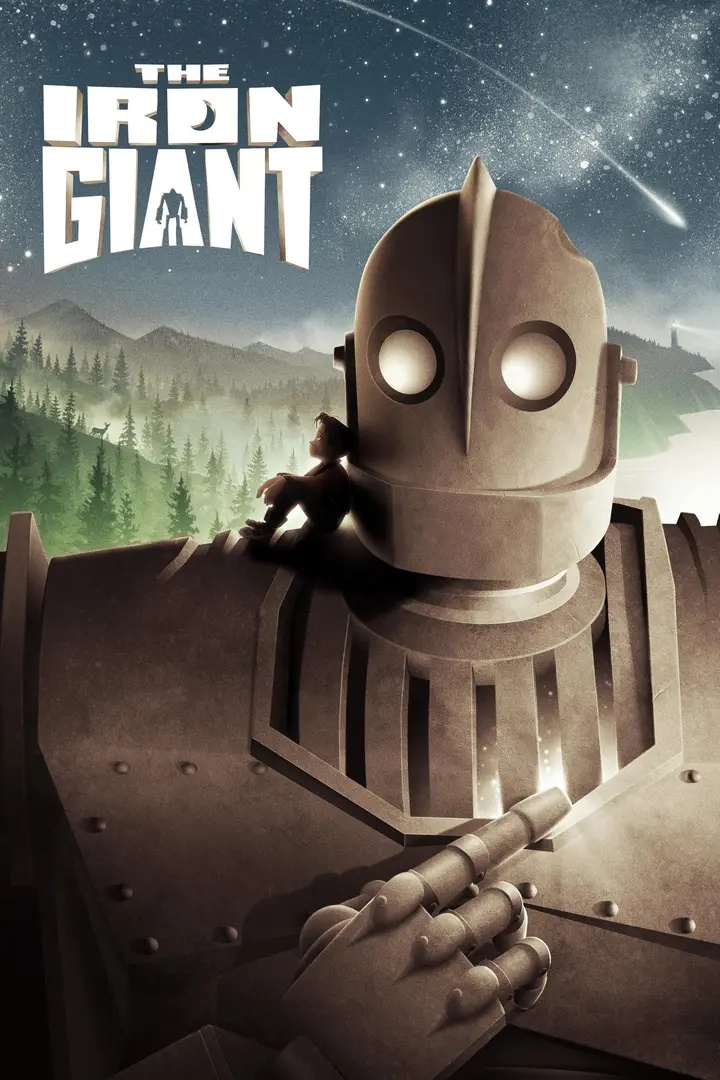
The Iron Giant
A lonely boy and a giant machine from the stars discover friendship, compassion and the frightening responsibility of choosing who we become.
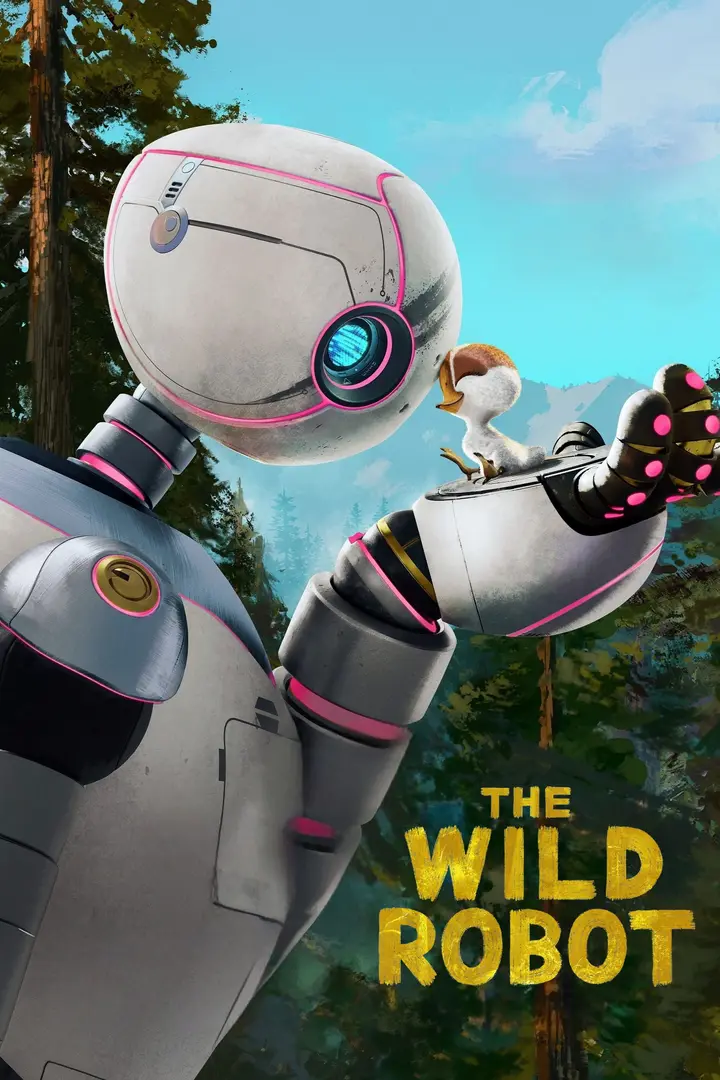
The Wild Robot
A lonely outsider gradually becomes the heart of an entire community in a moving adventure filled with warmth, kindness, and hope.
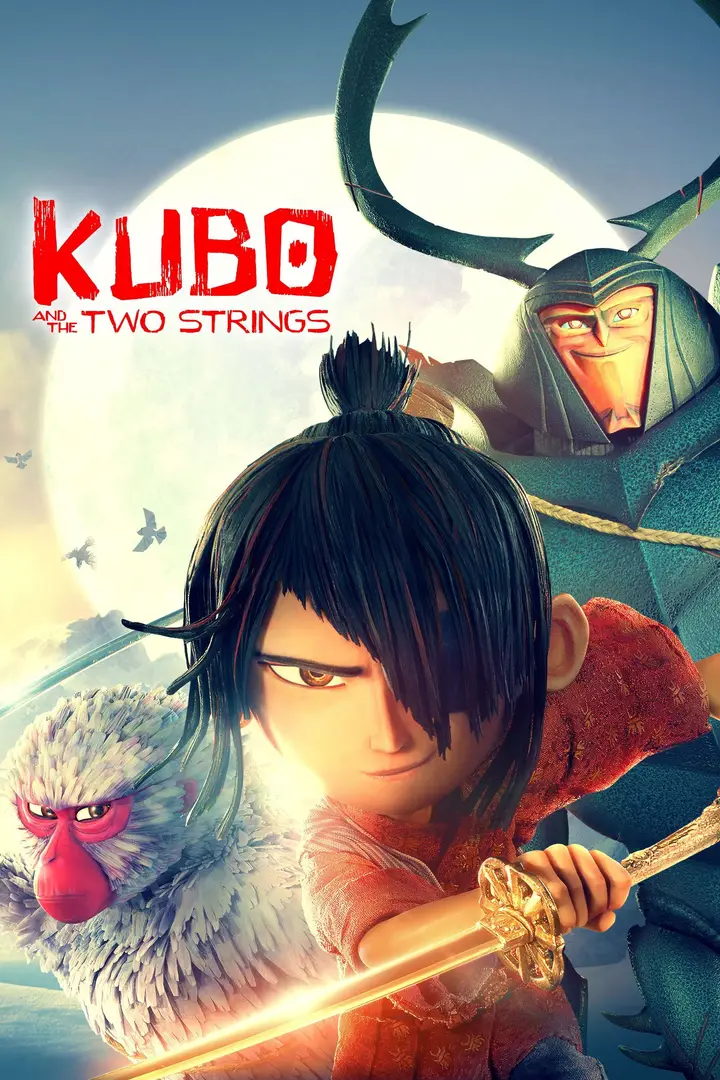
Kubo and the Two Strings
A mythic and emotionally rich journey shaped by storytelling, memory, courage, and the quiet power of the stories we carry through loss, family, and time.