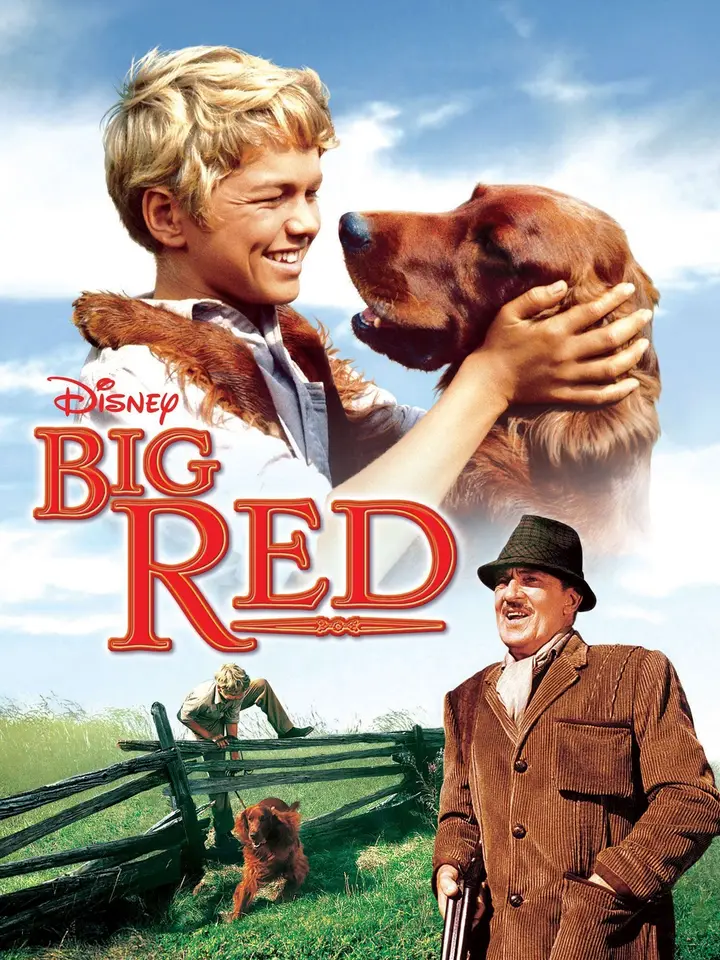
Big Red
AgeMinimum 6Recommended 7+
A gentle outdoor animal adventure about a boy, a champion Irish Setter, and two very different ideas of what it means to care for a dog.
Fourteen-year-old orphan René Dumont is hired to exercise Big Red, a champion Irish Setter owned by wealthy kennel owner James Haggin in northern Canada. When the dog forms a strong attachment to René, the boy’s patient, affectionate way of handling him begins to conflict with Haggin’s expectations for his valuable show dog.
- Release Year
- 1962
- Runtime
- 89 min
- Studio
- Walt Disney Productions
- Format
- Live Action
- Genre
- Adventure, Drama
- Mood
- Warm, Tender
- MPAA Rating
- G
René Dumont arrives at James Haggin’s kennel already comfortable with animals and the surrounding woods. Big Red, however, belongs to a much more controlled world. He is a champion Irish Setter with considerable value, and Haggin expects training and discipline to keep him ready for the show ring. René responds to the dog differently. He spends time with him, talks to him and earns his trust, discovering that affection can accomplish what stricter handling cannot.
That difference gradually becomes the heart of the story. Haggin sees training as part of responsible ownership; René pays closer attention to how Red actually responds. Neither perspective is presented simply as a question of who loves the dog more. The disagreement lies in what that care should look like, especially once Red’s attachment to René begins interfering with the future Haggin has planned for him.
The Canadian landscape gives their relationship room beyond kennels and show-ring expectations. Forests, changing weather and wildlife bring genuine outdoor adventure, but the connection between boy and dog remains central. René has little money or status, while Red is prized partly because of his pedigree and achievements. Their friendship challenges those measurements: what matters most between them cannot be established by ownership, price or a championship record.
Why It Stands Out
René's patience with Big Red clashes with Haggin's demanding approach to training a champion show dog. Their disagreement gives the outdoor adventure a memorable human conflict, built around trust and an animal's needs.
Parents’ Insight
Caring responsibly for an animal involves more than providing food, shelter or training. René’s bond with Red gives particular weight to patience, trust and paying attention to an animal’s responses, while the disagreement with Haggin leaves room to consider the difference between control and care.
Parents’ Guide
What to know before you press play
Six things parents ask about, rated on the same scale for every film and series in the collection.
- Scary intensity
- Minimal (1 of 5)
- Violence
- None (0 of 5)
- Language
- None (0 of 5)
- Emotional intensity
- Moderate (3 of 5)
- Sexual content
- None (0 of 5)
- Substance use
- None (0 of 5)
Content notes
- A dog is injured after an accident during a rescue attempt; themes of grief and loss underpin the story but resolve warmly.
Questions Parents Ask
What is Big Red about?
Wealthy sportsman James Haggin buys Big Red, a champion Irish Setter, hoping strict training will turn him into an obedient showpiece. When orphaned young René Dumont is hired to help care for the unruly dog, his gentler approach forges an unbreakable bond between boy and animal — one so strong that when Big Red goes missing in the wilderness, René risks everything to bring him home, and Haggin must finally choose between control and genuine devotion.
What age is Big Red suitable for?
Minimum age: 6. Recommended age: 7+. The rescue accident and Big Red's injury are brief and non-graphic, generally manageable for six-year-olds; seven-year-olds better follow the quieter conflict between Haggin wanting obedience and René wanting real connection with the dog. The extra year helps with the quieter conflict between Haggin's desire to control a prize dog and René's belief that trust and affection matter more than obedience.
Is Big Red scary?
- Dog is injured after an accident during a rescue attempt
- Serious violence or real danger
The rescue accident and Big Red's injury carry the most emotional weight. The injury is not shown graphically, but concern for the dog and the possibility of losing him may be upsetting for animal-sensitive viewers.
Is Big Red worth watching?
Big Red reframes discipline versus devotion as its real conflict, letting an orphaned boy's patient, loving approach to a difficult dog ultimately teach a grieving, controlling man more about connection than any training method ever could. Big Red marked director Norman Tokar's first Disney feature, adapting Jim Kjelgaard's 1945 novel into a quieter, more character-driven entry in the studio's long run of dog stories. Filmed on location in Quebec, the film pairs Walter Pidgeon's controlled, grieving sportsman James Haggin with young Gilles Payant's orphaned René, whose gentle instinct with animals stands in sharp contrast to Haggin's rigid training methods.
What begins as a straightforward story about training a champion show dog gradually becomes something more personal: Haggin, still mourning the loss of his own son, finds himself threatened by how completely Big Red comes to trust René rather than him. When the dog goes missing in the wilderness, René's desperate search becomes the emotional center of the film, forcing Haggin to finally reckon with what he's really been protecting himself from.
Gentler and more restrained than some of Disney's more openly emotional animal films, Big Red builds toward a hard-won resolution: Haggin doesn't just get his dog back, he gains the family he didn't know he was missing.
What is Big Red based on?
It is based on the novel by Jim Kjelgaard. The film adapts Kjelgaard's novel about a boy's bond with a champion Irish Setter.
Talk About It
Wealthy sportsman James Haggin buys Big Red, a champion Irish Setter, hoping strict training will turn him into an obedient showpiece, until an orphaned boy's gentler approach changes everything. Discuss loyalty, family, and the difference between training an animal to obey and earning the kind of devotion that follows you home.
- Why does René want to care for Big Red, and how do Haggin’s expectations for a champion show dog make that difficult?
- When René rejects harsh handling even though Haggin wants a champion, what does his patient care for Big Red cost him, and why does he persist?
- How does the isolation of northern Canada make Haggin’s kennel useful for training a show dog but make the search for René and Big Red physically dangerous?
- When René is in danger, what does Big Red do that proves his bond with the boy is stronger than obedience learned through Haggin’s training?
- How does Big Red’s bond with René challenge Haggin’s ideas about what the dog needs?
- Before separating Big Red from René for stricter show training, what should Haggin understand about how the dog responds to trust rather than force?
- Would you have trained Big Red the way Haggin wanted, or taken René's gentler approach, even if it meant Big Red might lose his chance to be crowned champion at the shows?
- Who understands what is best for Big Red more clearly: the owner focused on winning or the boy who has earned the dog’s trust? Why?
Turn this film into a ready-to-use class discussion
Use the Teacher Resources already attached to this film. Choose the questions you want, then print, copy or share the result.
Similar Movies
Lassie Come Home, Benji, Belle & Sebastian, Homeward Bound and A Dog's Purpose all make canine loyalty, belonging or the journey home central. Because of Winn-Dixie is the gentlest companion, emphasizing the way a dog can reshape human connection.
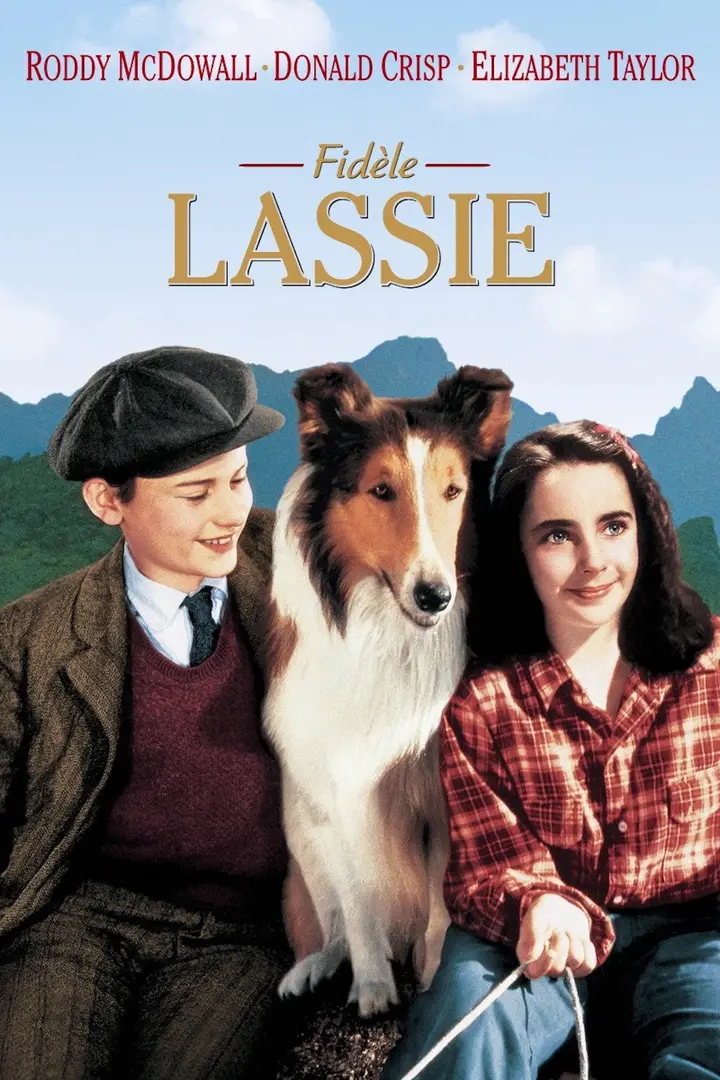
Lassie Come Home
The open moors of Yorkshire, a faithful collie's devotion and the ache of separation give this classic animal adventure its unforgettable emotional pull.
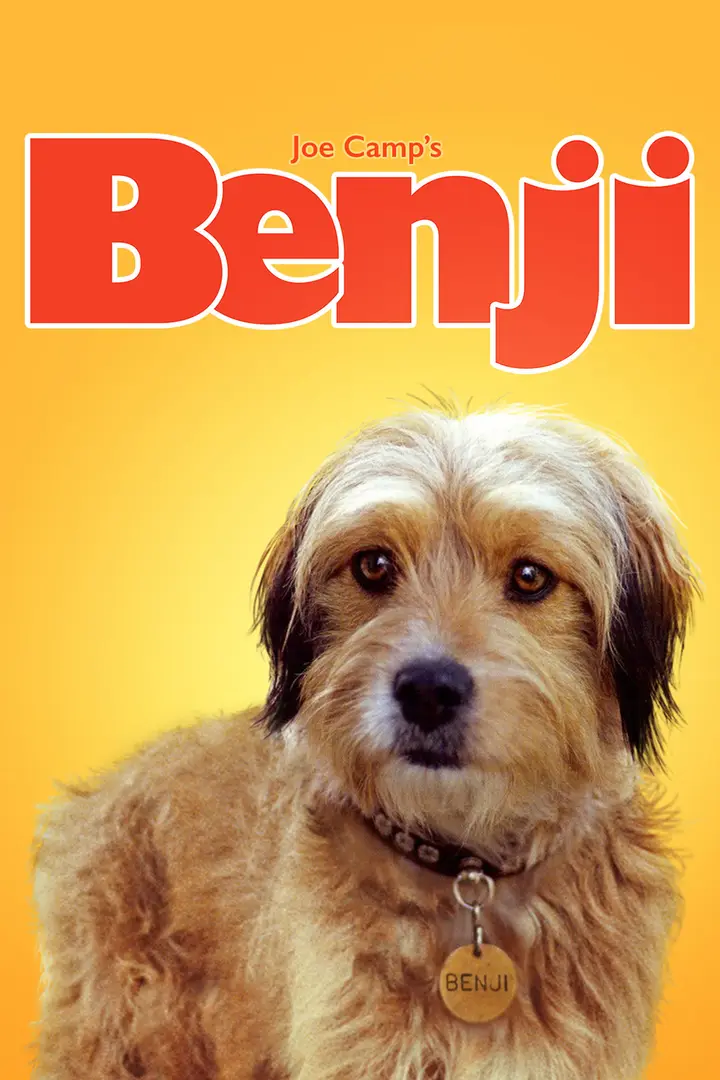
Benji
Seen almost at paw level, this tender small-town adventure captures the quiet loyalty and unexpected bravery of a stray dog.
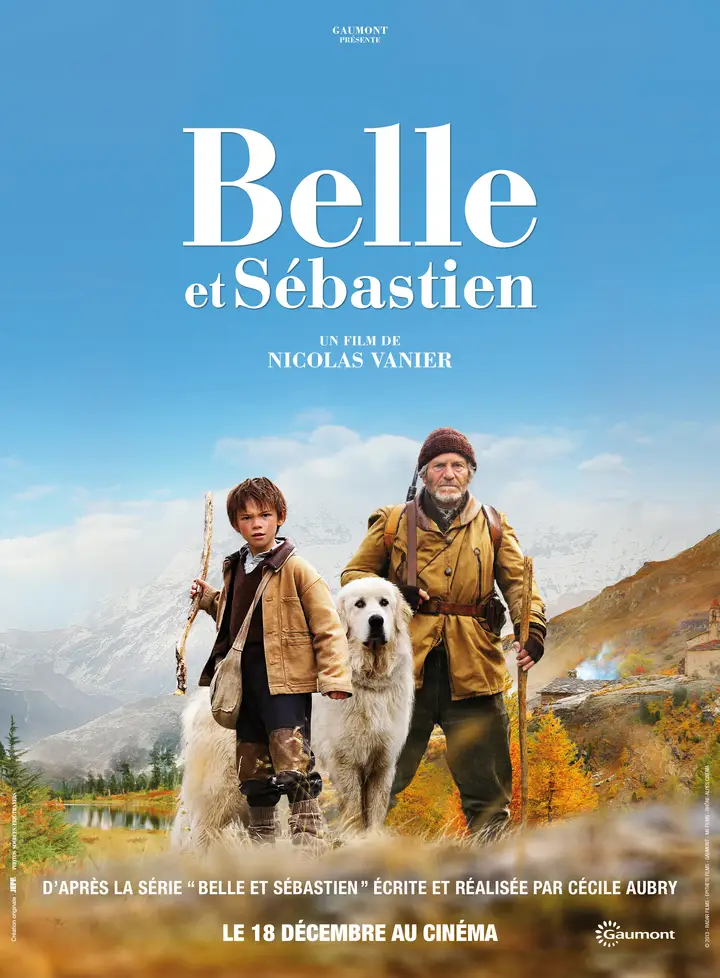
Belle & Sebastian
A mountain adventure of wartime landscapes, a lonely boy, and the unexpected bond between a child and a dog hiding in the wild.
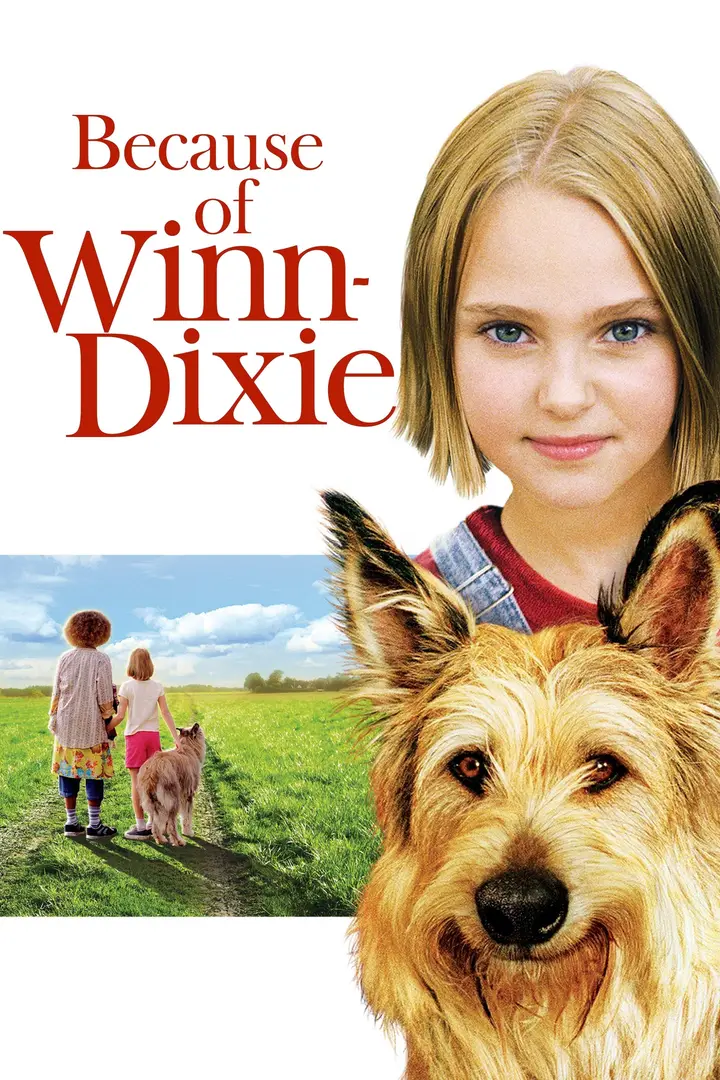
Because of Winn-Dixie
A small-town Florida story of an unforgettable stray dog and a lonely girl finding people who make a new place feel like home.
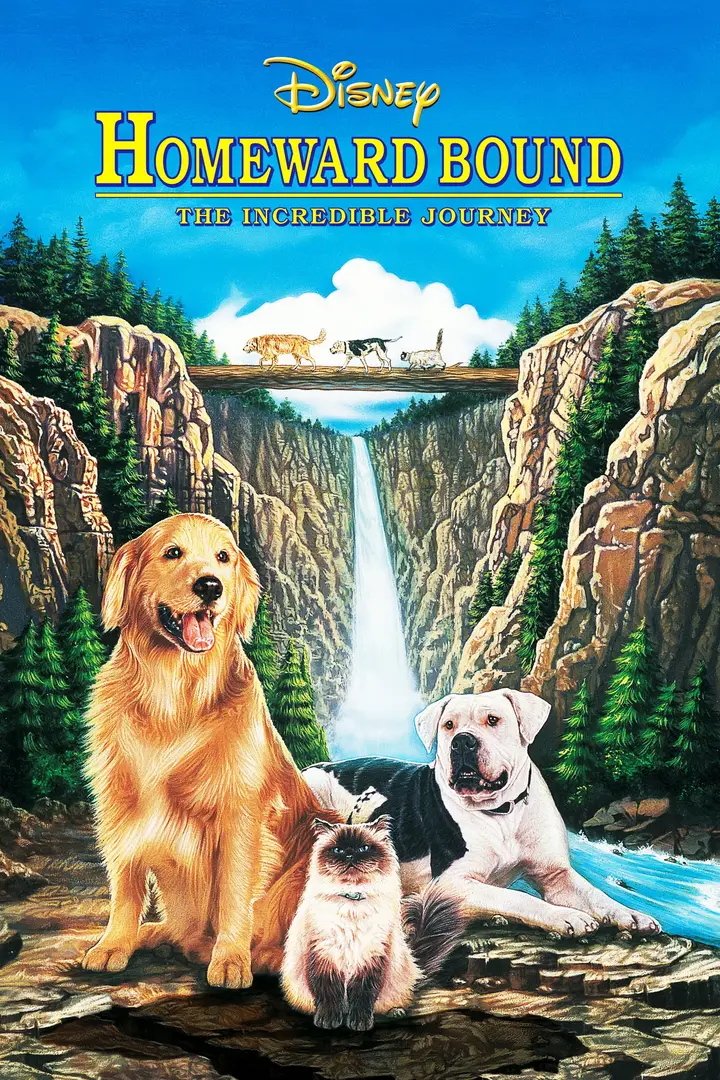
Homeward Bound: The Incredible Journey
A warm wilderness adventure filled with loyal companions, breathtaking landscapes, humor, and the feeling of finding your way home.
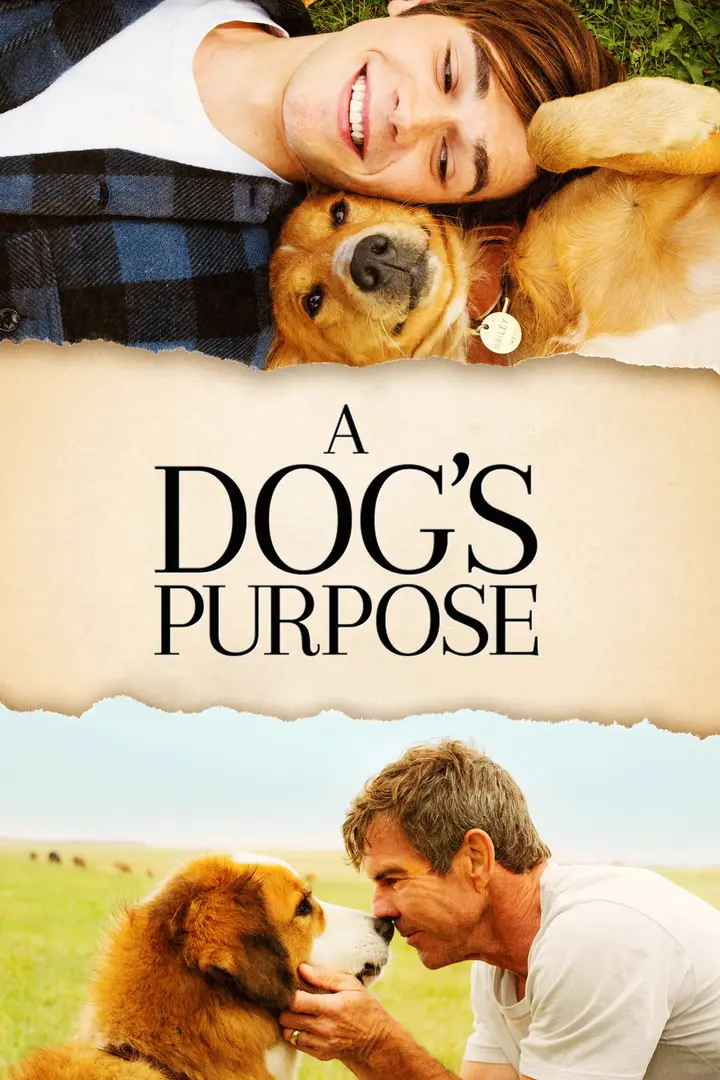
A Dog's Purpose
A heartfelt journey through changing seasons of life, unforgettable companions, and the quiet moments that make every bond matter.