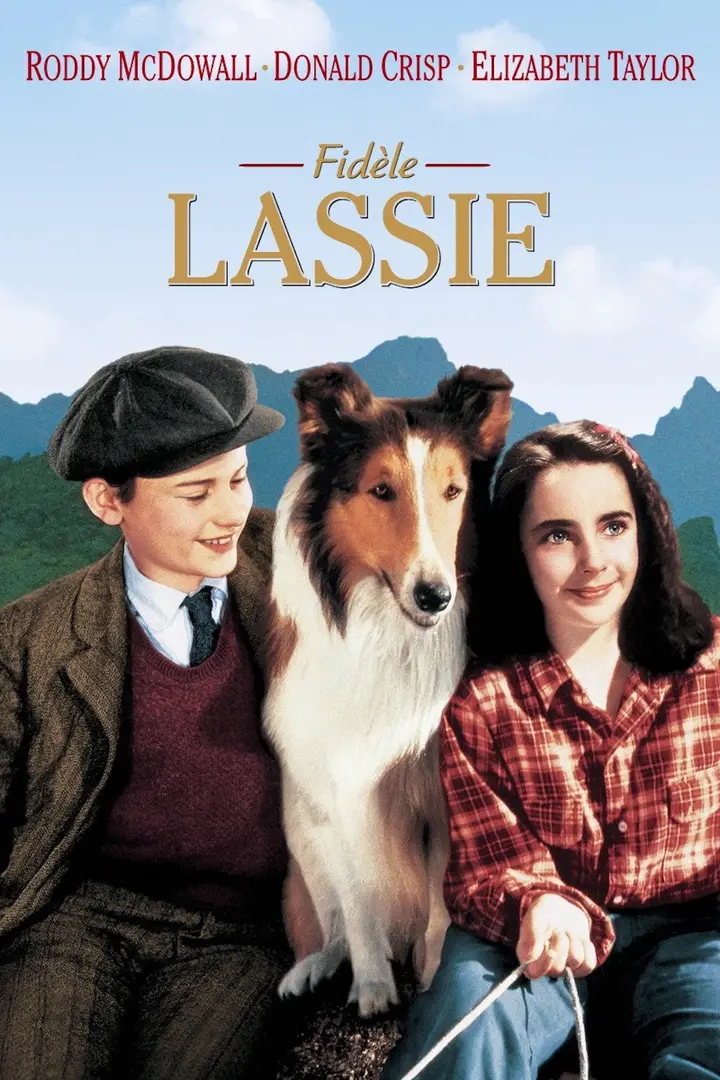
Lassie Come Home
AgeMinimum 5Recommended 9+
The open moors of Yorkshire, a faithful collie's devotion and the ache of separation give this classic animal adventure its unforgettable emotional pull.
When unemployment forces the Carraclough family to sell Lassie to the Duke of Rudling, young Joe loses his closest companion. Lassie repeatedly escapes, but the Duke eventually takes her to Scotland. With help from his granddaughter Priscilla, Lassie breaks free again and begins the long journey south through danger, hunger, injury, and unexpected kindness.
- Release Year
- 1943
- Runtime
- 90 min
- Studio
- Metro-Goldwyn-Mayer
- Format
- Live Action
- Genre
- Adventure, Drama
- Mood
- Warm, Tender
- MPAA Rating
- G
Four o’clock matters in Lassie Come Home. It is the time Lassie normally meets Joe after school, so her first absence tells him something is wrong before his parents find the words to explain that they had to sell her.
The journey expands from that small daily ritual. Scotland, open moors, rivers, villages, storms, and unfamiliar roads replace the routines of Yorkshire. Lassie meets people who treat her as property, nuisance, patient, guest, or fellow traveler, and each encounter changes the practical problem of getting home.
Pal’s performance carries the route. The dog waits, watches, limps, hides, runs, and repeatedly chooses a direction without the story pretending she thinks like a person. Priscilla’s decision to help her escape adds another form of loyalty, while the final return works because the film remembers the ordinary appointment that began everything: a boy leaving school and looking for his dog.
Why It Stands Out
The first MGM Lassie film makes the dog—not a human traveler—the center of a large Technicolor journey. Pal’s performance, location photography, and the four-o’clock reunion motif turn a simple homeward route into a precise test of loyalty.
Parents’ Insight
Children can understand why a family makes a necessary decision and still feel furious about it. That tension deserves respect. Love does not make money problems disappear, and practicality does not erase loss.
Parents’ Guide
What to know before you press play
Six things parents ask about, rated on the same scale for every film and series in the collection.
- Scary intensity
- Minimal (1 of 5)
- Violence
- Mild (2 of 5)
- Language
- None (0 of 5)
- Emotional intensity
- Moderate (3 of 5)
- Sexual content
- None (0 of 5)
- Substance use
- Mild (2 of 5)
Content notes
- Family poverty and the forced sale of a pet; rough treatment of Lassie; hunger, injury, dog peril, and tense journey scenes.
Parent guidance
Mild peril during the dog's journey home
Questions Parents Ask
What is Lassie Come Home about?
Young Joe Carraclough and his loyal Collie, Lassie, share an unbreakable bond in their Yorkshire village. When Joe's family faces financial difficulties, they reluctantly sell Lassie to the wealthy Duke of Rudling, who takes her to his estate in Scotland. Determined to return to the boy she belongs with, Lassie escapes and sets out on a remarkable journey across unfamiliar landscapes. Along the way, she encounters both kindness and hardship, driven by an unwavering instinct to reunite with the family she calls home.
What age is Lassie Come Home suitable for?
The family's poverty forcing them to sell Lassie is presented as a source of quiet sadness rather than danger, and most 5-year-olds pick up on why giving up a beloved pet hurts without needing it spelled out.
Is Lassie Come Home scary?
- Separation from family
- Mild peril during Lassie's journey
- Emotional tension
- Jump scares
- Gore or graphic violence
As Lassie Come Home unfolds, it presents a few scenes where Lassie faces natural obstacles and unfamiliar situations while traveling across the countryside. These moments create gentle suspense but never become frightening or graphic. Younger viewers are often more affected by the emotional separation between Lassie and Joe than by the physical challenges of the journey, making this a reassuring family adventure overall.
Is Lassie Come Home worth watching?
Lassie Come Home is a timeless family classic that celebrates loyalty, resilience, and the bond between children and animals. Its beautiful countryside settings and heartfelt storytelling continue to make it one of the finest animal adventures ever filmed. Families who love animal stories will find Lassie Come Home especially memorable. Rather than relying on spectacle or fast-paced action, the film builds its emotional power through Lassie's determination and the enduring relationship she shares with Joe. The sweeping Yorkshire and Scottish landscapes add a strong sense of adventure, while the gentle pacing allows viewers to fully experience the journey. It also serves as an excellent introduction to one of cinema's most beloved animal characters and the enduring appeal of classic family filmmaking.
What is Lassie Come Home based on?
Lassie Come Home is based on the book Lassie Come-Home, written by Eric Knight, first published in 1940. The film faithfully adapts the beloved story of a devoted Collie whose determination to return home has inspired generations of readers and film audiences. Originally appearing as a short story before becoming a novel, the tale quickly captured readers with its moving portrayal of loyalty and perseverance. The successful film introduced Lassie to an even wider audience and launched one of the most enduring family franchises in film and television history.
How many versions of Lassie are there?
There are 3 separate versions of this story (1943, 2005, 2020). They are not sequels, so Lassie Come Home (1943) can be watched on its own. All films, by year: 1) Lassie Come Home (1943, live action, best from age 9); 2) Lassie (2005, live action, remake, best from age 6); 3) Lassie Come Home (2020, remake, not in our collection). All three adapt Eric Knight's novel Lassie Come-Home; the 2020 German film moves the story to the present day. For younger children, the gentlest version is Lassie (2005), best from age 6. 2 of the 3 have a full parents’ guide in The Family Film Collection.
Talk About It
Lassie is sold during the Carraclough family’s hardship, escapes a Scottish estate, and crosses Britain to reach Joe in Yorkshire. Discuss loyalty, poverty, and home.
- Why do Joe’s parents sell Lassie despite knowing how much Joe loves her?
- How might Joe feel toward parents who had so little choice?
- What makes Lassie leave the Duke’s comfortable Scottish estate?
- Why is shelter at the estate not the same as home for Lassie?
- Which stranger’s kindness helps Lassie most during the journey?
- What obstacle best shows Lassie’s determination to reach Yorkshire?
- Have you ever missed a person or animal while far from home? What helped?
- Was selling Lassie unfair, unavoidable, or both? Explain your view.
Turn this film into a ready-to-use class discussion
Use the Teacher Resources already attached to this film. Choose the questions you want, then print, copy or share the result.
Similar Movies
Lassie (2005) retraces the collie's long journey back to her boy, while Homeward Bound gives three pets another difficult route home. Belle & Sebastian, Togo and Old Yeller test human-animal devotion against danger.
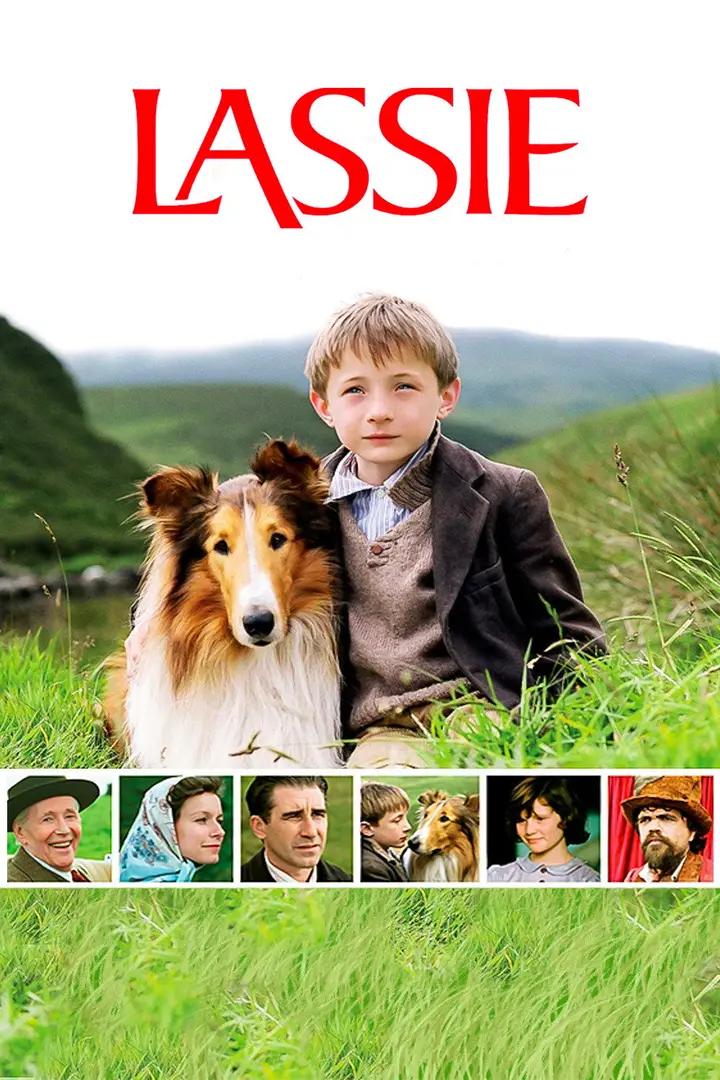
Lassie
A heartfelt family adventure of loyalty, courage, and an unforgettable bond between a boy and the companion who never forgets him.
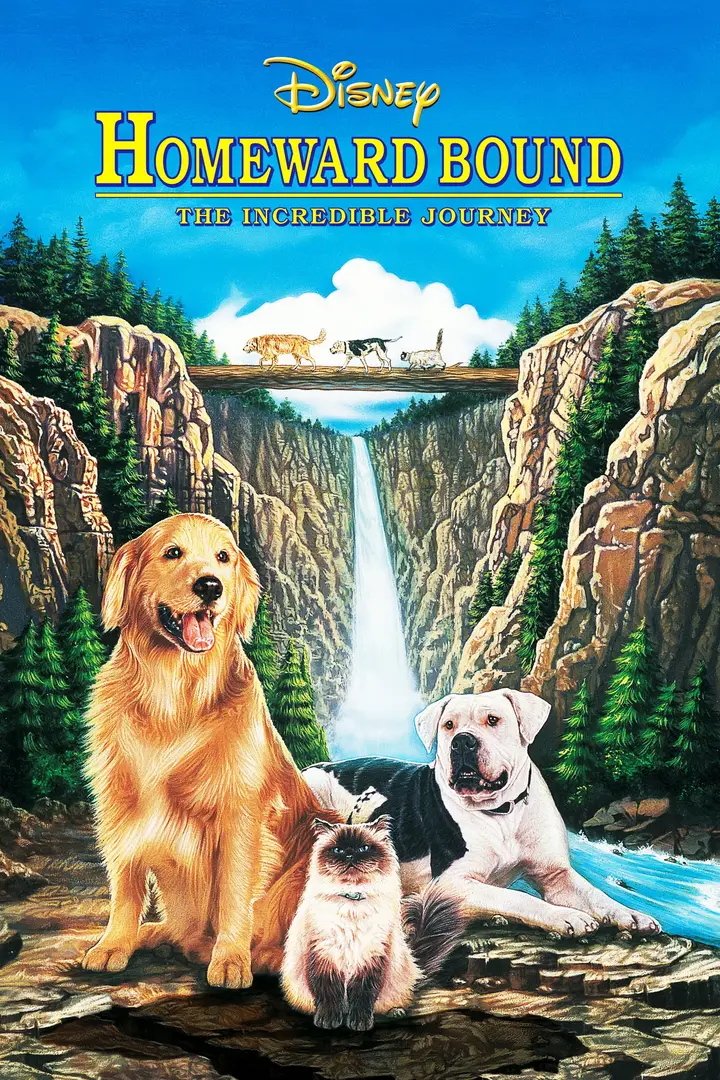
Homeward Bound: The Incredible Journey
A warm wilderness adventure filled with loyal companions, breathtaking landscapes, humor, and the feeling of finding your way home.

Belle & Sebastian
A mountain adventure of wartime landscapes, a lonely boy, and the unexpected bond between a child and a dog hiding in the wild.

Togo
A true story of endurance and trust, about an unlikely sled dog who refused to be underestimated.

A Dog's Purpose
A heartfelt journey through changing seasons of life, unforgettable companions, and the quiet moments that make every bond matter.
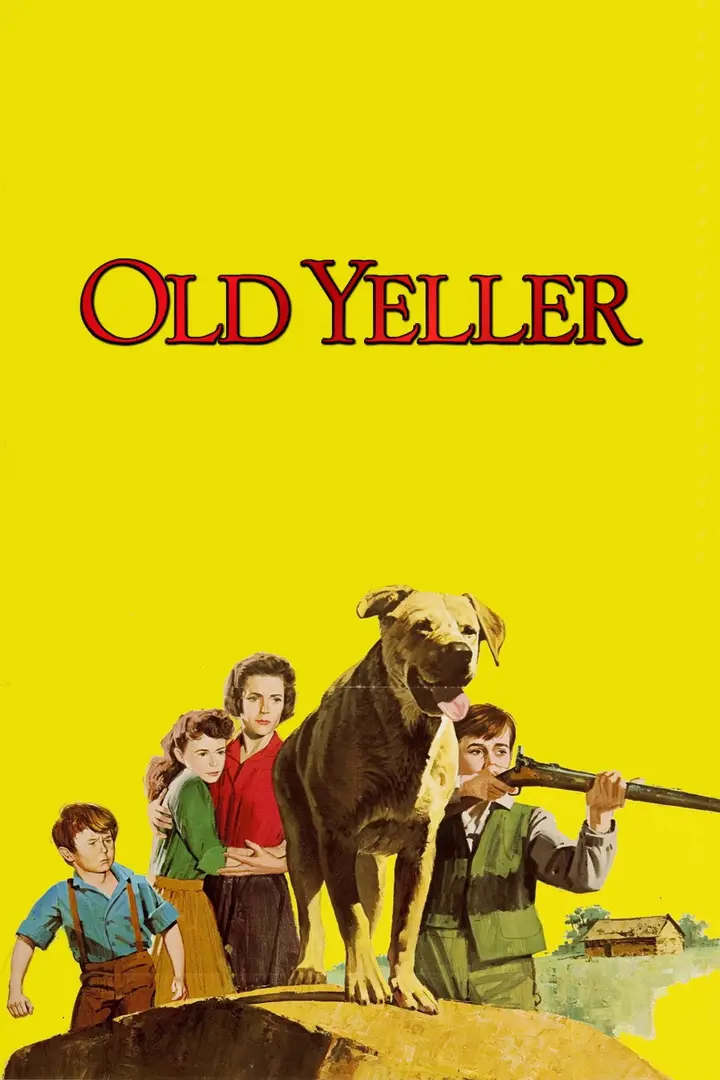
Old Yeller
A timeless family adventure where a boy discovers love, responsibility, and the realities of growing up.