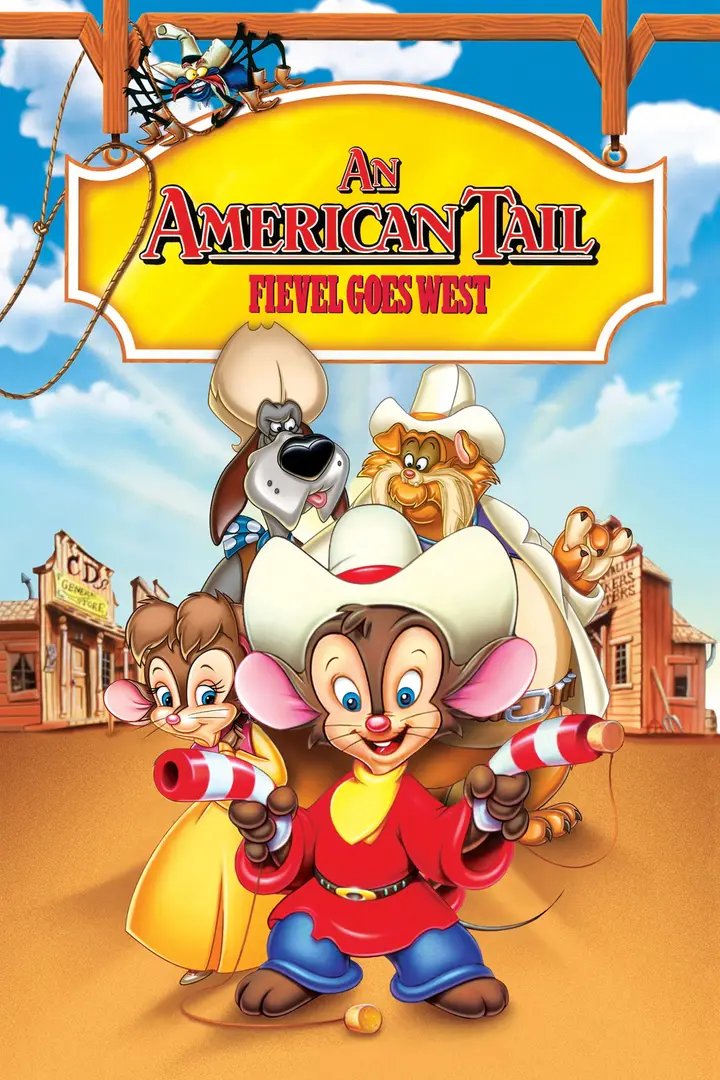
An American Tail: Fievel Goes West
AgeMinimum 5Recommended 6+
Golden sunsets, dusty frontier towns, harmonica melodies, wide-open skies, and Fievel's journey into a legendary American West.
Five years after arriving in America, the Mousekewitz family leaves New York for the promise of a new life in the West. Fievel dreams of becoming a lawman like Wylie Burp, while Tanya follows her dream of singing. But the town of Green River hides danger, separating Fievel from his family once again.
- Release Year
- 1991
- Runtime
- 75 min
- Studio
- Amblimation, Universal Pictures
- Format
- Hand-Drawn Animation
- Mood
- Epic, Playful
- MPAA Rating
- G
Fievel Mousekewitz, Tiger and the town of Green River shift the adventure from the crowded streets of New York into a much larger world of deserts, railway tracks, wooden storefronts and endless skies. For Fievel, the West is not just a place; it is the America he has imagined through stories of heroes and adventure.
The film's Western personality comes through its larger-than-life characters. Wylie Burp carries the image of an old frontier legend, while Tiger remains wonderfully theatrical, turning every moment into his own performance. Tanya's singing dreams add another layer to the journey, and Cat R. Waul brings a polished charm that hides a much darker intention. Trains crossing open landscapes, saloons, dusty streets, railway towns and classic Western showdowns give the animation a completely different rhythm from the original film. James Horner's music adds scale and emotion, while Fievel's search for belonging continues beneath the adventure.
The result is a sequel that changes the scenery completely while keeping the hopes and fears that define his journey.
Why It Stands Out
Fievel Goes West turns a family adventure into an animated Western, replacing New York streets with frontier towns, railway journeys and enormous landscapes while keeping Fievel's search for family, safety and a place to belong at its center.
Parents’ Insight
New beginnings often arrive with excitement and uncertainty together. Moving somewhere new can bring opportunities, but children may also need time to understand that a different place does not instantly make every challenge disappear.
Parents’ Guide
What to know before you press play
Six things parents ask about, rated on the same scale for every film and series in the collection.
- Scary intensity
- Moderate (3 of 5)
- Violence
- Mild (2 of 5)
- Language
- Mild (2 of 5)
- Emotional intensity
- Mild (2 of 5)
- Sexual content
- None (0 of 5)
- Substance use
- None (0 of 5)
Content notes
- Mild cartoon peril and Old West villainy; no graphic violence.
Questions Parents Ask
What is An American Tail: Fievel Goes West about?
Convinced that the American West is a cat-free paradise, the Mousekewitz family heads there by train, with young Fievel eager for adventure. They soon discover that the danger has followed them west, forcing Fievel and his new friends to outsmart a gang of feline outlaws.
What age is An American Tail: Fievel Goes West suitable for?
Minimum age: 5. Recommended age: 6+. The Old West danger stays mild and comic. The recommendation of six mainly reflects the plot mechanics behind the villain's plan and the Western-style story wrapped around Fievel's adventure.
Is An American Tail: Fievel Goes West scary?
- Mild cartoon peril and Old West villainy
- Graphic violence
- Parent preview: optional
Frontier hardship and separation from family give this sequel real emotional stakes beyond the first film's more comic tone.
Is An American Tail: Fievel Goes West worth watching?
The Western frontier setting and its visually distinct saloon and desert sequences give this sequel a fresh backdrop beyond the first film's immigrant-arrival story. Moving Fievel into a Western setting changes the visual and comic vocabulary of the sequel without losing the family's search for security and belonging.
What is An American Tail: Fievel Goes West based on?
An American Tail: Fievel Goes West is an original sequel story based on the characters introduced in the 1986 film An American Tail. The sequel sends the Mousekewitz family to the American frontier, a setting and plot invented for this installment.
What order should you watch the An American Tail movies in?
An American Tail: Fievel Goes West is the second of the 4 An American Tail movies in release order. Watch it after An American Tail (1986) and before An American Tail: The Treasure of Manhattan Island (1998). Release order: 1) An American Tail (1986, best from age 6); 2) An American Tail: Fievel Goes West (1991, best from age 6); 3) An American Tail: The Treasure of Manhattan Island (1998, direct-to-video, not in our collection); 4) An American Tail: The Mystery of the Night Monster (1999, direct-to-video, not in our collection). Every film in the series is best from age 6, so a child who enjoys one is ready for the others. 2 of the 4 have a full parents’ guide in The Family Film Collection.
Talk About It
Fievel’s family heads west expecting safety, but Cat R. Waul’s scheme and Wylie Burp’s mentorship force the mice to defend their new town.
- Why does Fievel believe the West is safer?
- How does Tiger handle being separated?
- Would you move based on a perfect promise?
- What would you tell Wylie before training Fievel?
- Why does Cat R. Waul welcome mice?
- How does Tanya find her voice?
- Which friend becomes bravest?
- Why do the mice defend Green River?
Turn this film into a ready-to-use class discussion
Use the Teacher Resources already attached to this film. Choose the questions you want, then print, copy or share the result.
Similar Movies
Fievel's own story resumes most directly with An American Tail. Four animated companions—The Land Before Time, The Rescuers Down Under, Balto and Spirit—favor journeys tested by courage or perseverance, and Playmobil: The Movie adds a newer, more synthetic adventure world.
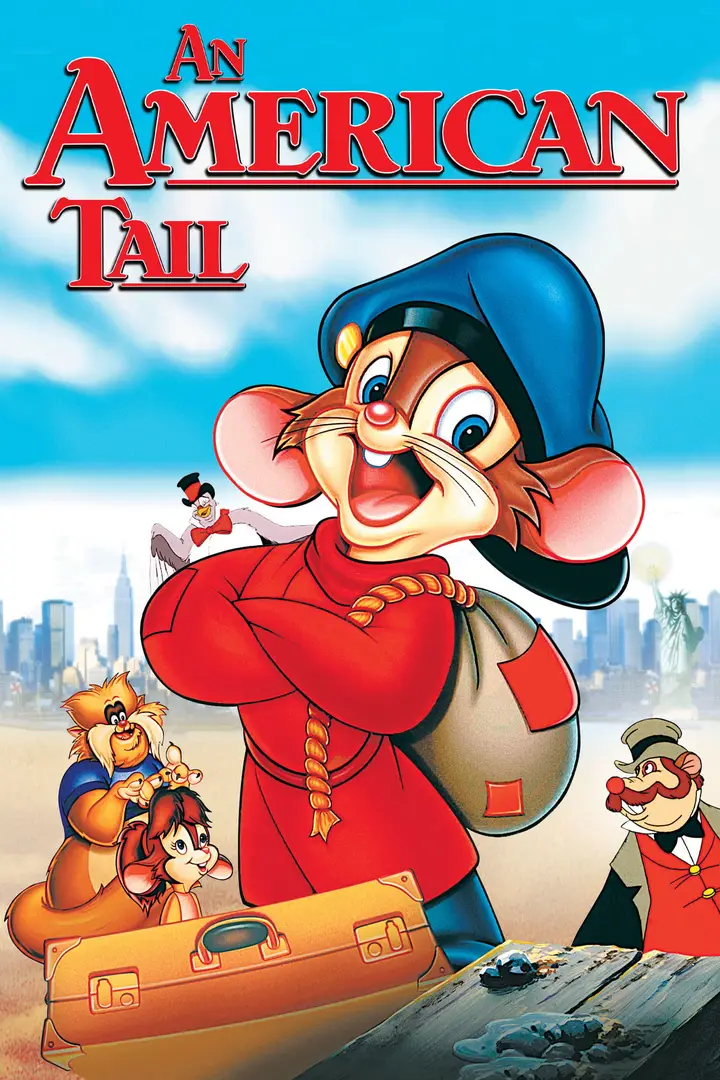
An American Tail
A rainy old-world journey about losing home, crossing oceans, and searching for family in a frightening new world.
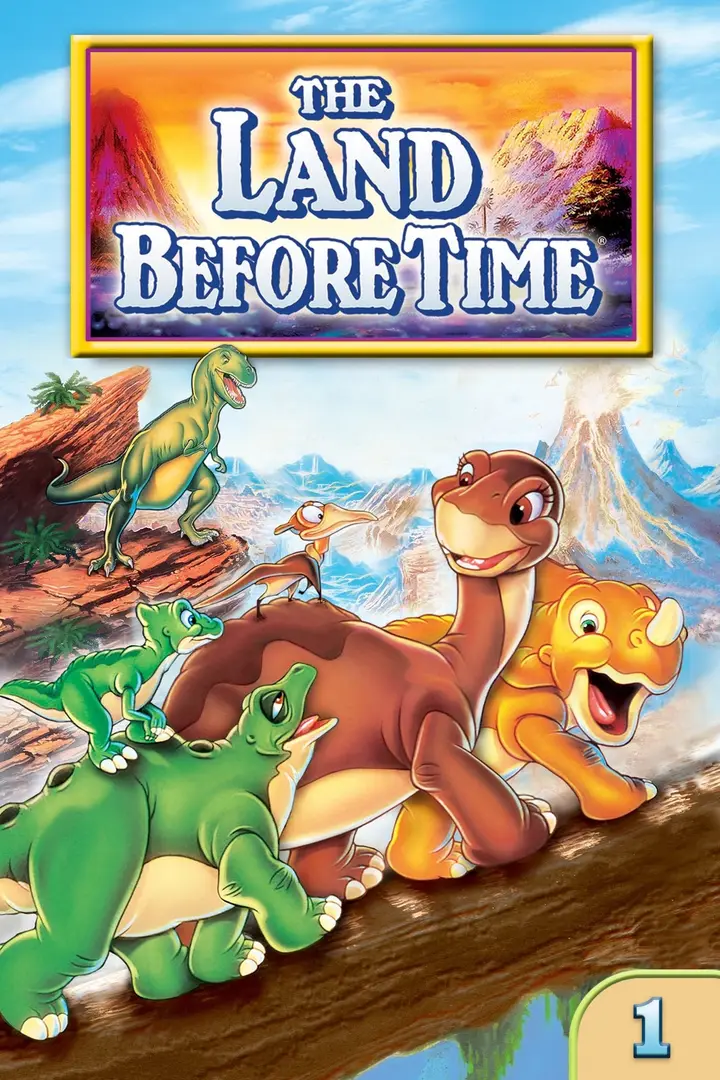
The Land Before Time
Gentle wonder and quiet sadness accompany a journey across a vast prehistoric world.
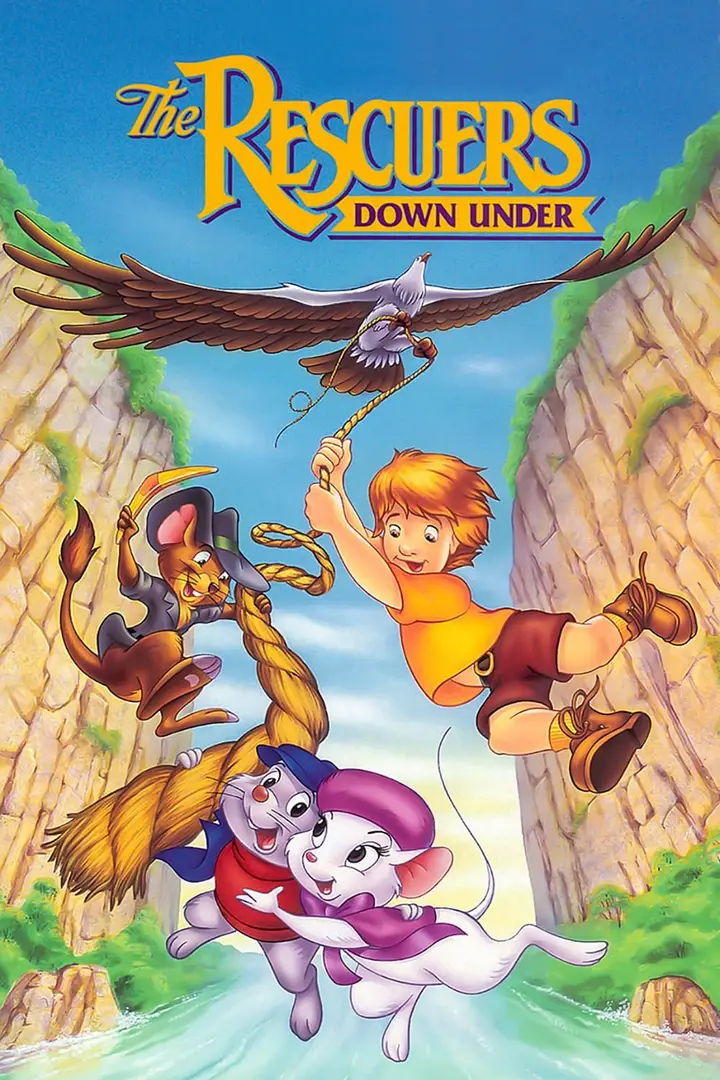
The Rescuers Down Under
A high-flying wilderness rescue adventure about courage, teamwork, and protecting the vulnerable.
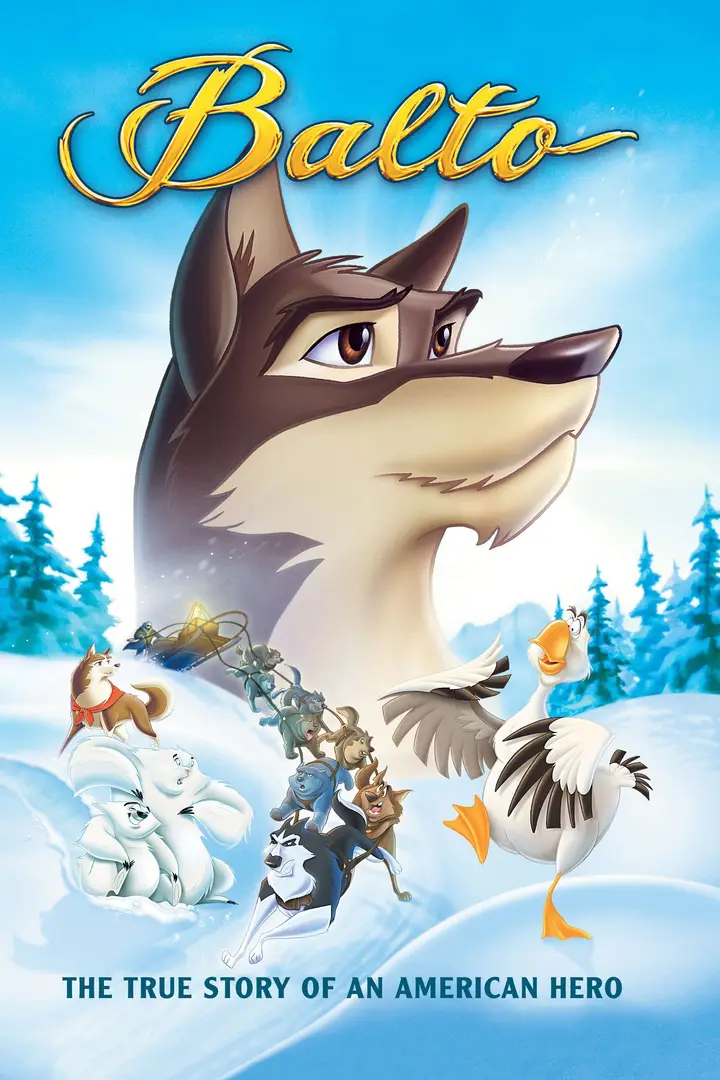
Balto
Icy winds, winter nights, and a remarkable journey filled with heart and determination.
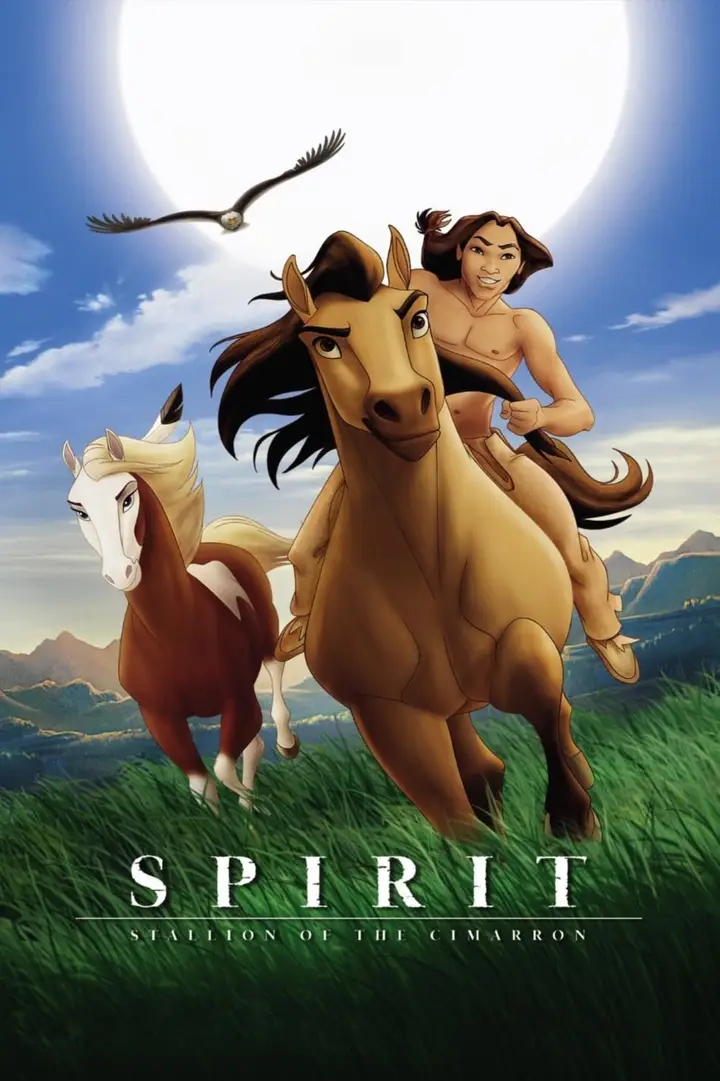
Spirit: Stallion of the Cimarron
Sweeping landscapes, soaring music, and the exhilarating feeling of freedom shape a frontier adventure built on resilience and connection.

Playmobil: The Movie
A toy-world adventure across genres and worlds, about grief, sibling bonds, and finding your way back to each other.