
An American Tail
AgeMinimum 6Recommended 6+
A rainy old-world journey about losing home, crossing oceans, and searching for family in a frightening new world.
After anti-Jewish attacks force the Mousekewitz family to leave Russia for America, young Fievel becomes separated from his parents during the dangerous ocean journey. Alone inside the crowded streets of New York, he searches desperately for his family while discovering that the promised land without cats does not exist.
- Release Year
- 1986
- Runtime
- 80 min
- Studio
- Amblin Entertainment
- Format
- Hand-Drawn Animation
- Mood
- Sad, Warm
- MPAA Rating
- G
An American Tail carries more sadness and uncertainty than its cheerful songs and comic moments initially suggest. Crowded streets, dark alleyways, unfamiliar voices, and constant danger make New York feel enormous through Fievel's eyes.
The story stays close to a child's perspective throughout. Fievel moves through neighborhoods, shops, docks, and streets without ever seeing the full picture around him. People appear briefly, disappear again, and continue living lives he barely understands, giving the city a scale that feels far beyond any one character.
Chance plays an unusually large role in the journey. Families miss one another by moments, paths cross without recognition, and important encounters often happen unexpectedly. In a city filled with strangers, the story keeps returning to the hope that lost people can still find one another again.
Why It Stands Out
Ships, streets, and crowded neighborhoods appear enormous through Fievel’s eyes. The story stays close to the perspective of a young child navigating an unfamiliar world while searching for the people he loves.
Parents’ Insight
New schools, new homes, and new beginnings are usually presented positively. When reality feels more complicated, children can be left reconciling what they were promised with what they experience.
Parents’ Guide
What to know before you press play
Six things parents ask about, rated on the same scale for every film and series in the collection.
- Scary intensity
- Mild (2 of 5)
- Violence
- Moderate (3 of 5)
- Language
- None (0 of 5)
- Emotional intensity
- Moderate (3 of 5)
- Sexual content
- None (0 of 5)
- Substance use
- Minimal (1 of 5)
Content notes
- A frightening pogrom in the opening scene; separation from family
Questions Parents Ask
What is An American Tail about?
When anti-Jewish violence forces the Mousekewitz family to leave Russia in search of a better life, young Fievel eagerly joins them on the voyage to America. During a violent storm at sea, he is accidentally swept overboard and presumed lost. Alone in the bustling streets of nineteenth-century New York, Fievel searches tirelessly for his family while discovering that the promised land is far more complicated than he imagined. Along the way, he makes new friends, faces unexpected dangers, and learns that hope can survive even the most difficult journey.
What age is An American Tail suitable for?
Minimum age: 6. Recommended age: 6+. Fievel's family fleeing a violent attack on their home, followed by his accidental separation from them during the ocean crossing, is the story's most upsetting stretch. From there, danger from cats, unfamiliar streets, and life alone in a crowded city keep tension high, though the ending's focus on family and perseverance brings real reassurance.
Is An American Tail scary?
- Frightening opening attack
- Separation from family
- Cats threaten the mice
- Characters in peril
- Graphic violence
- Horror elements
An American Tail makes one point clear: the opening pogrom and Fievel's separation from his family can be emotionally powerful for younger children. Several scenes involve cats chasing mice, moments of suspense, and the loneliness of being lost in a huge city. The story consistently balances these challenges with warmth, humor, memorable songs, and an uplifting conclusion.
Is An American Tail worth watching?
An American Tail is one of Don Bluth's finest animated films, combining beautiful hand-drawn animation with a heartfelt story about family, hope, and the immigrant experience. Produced by Steven Spielberg and directed by Don Bluth, An American Tail presents immigration through the eyes of a child, allowing young audiences to experience both the excitement and uncertainty of beginning again in an unfamiliar place. Its richly detailed animation, memorable musical score, and emotional storytelling create a timeless adventure that speaks across generations. While the film never ignores hardship, it remains filled with compassion and optimism, reminding viewers that home is found through family, community, and the people who stand beside us.
What is An American Tail based on?
An American Tail is not based on a book. The story was created specifically for the screen, drawing inspiration from the history of Jewish immigration to the United States during the late nineteenth century. By telling this history through the adventures of a family of mice, the film introduces young audiences to themes of migration, prejudice, resilience, and hope in an accessible and compassionate way.
What order should you watch the An American Tail movies in?
An American Tail (1986) is the first of the 4 An American Tail movies, so it is the place to start. Release order: 1) An American Tail (1986, best from age 6); 2) An American Tail: Fievel Goes West (1991, best from age 6); 3) An American Tail: The Treasure of Manhattan Island (1998, direct-to-video, not in our collection); 4) An American Tail: The Mystery of the Night Monster (1999, direct-to-video, not in our collection). Every film in the series is best from age 6, so a child who enjoys one is ready for the others. 2 of the 4 have a full parents’ guide in The Family Film Collection.
Talk About It
Separated from the Mousekewitz family during immigration, Fievel crosses New York believing America has no cats, then discovers hope requires community and persistence.
- Fievel has been taught that America has no cats, but he quickly learns that the promise was untrue. What should he remember about hope when a new home is not what he expected?
- How does being separated from his family test Fievel’s hope?
- Which new friend helps Fievel feel less alone in New York?
- What would you tell Tanya when she hears Fievel’s violin?
- Why do the immigrant mice need to work together against the cats?
- Would you trust Honest John to help organize the community?
- Which moment makes Fievel seem especially brave for his age?
- Fievel's family believes he was lost at sea while he continues searching New York for them. What could both sides do to keep hope from becoming passive waiting?
Turn this film into a ready-to-use class discussion
Use the Teacher Resources already attached to this film. Choose the questions you want, then print, copy or share the result.
Similar Movies
Fievel Goes West continues Fievel and his family directly in a lighter Western setting: The Secret of NIMH and The Rescuers center small animal heroes under real danger, The Land Before Time carries Don Bluth's family-separation emotion into prehistory, and Arrietty presents miniature life as quieter and more domestic.

An American Tail: Fievel Goes West
Golden sunsets, dusty frontier towns, harmonica melodies, wide-open skies, and Fievel's journey into a legendary American West.
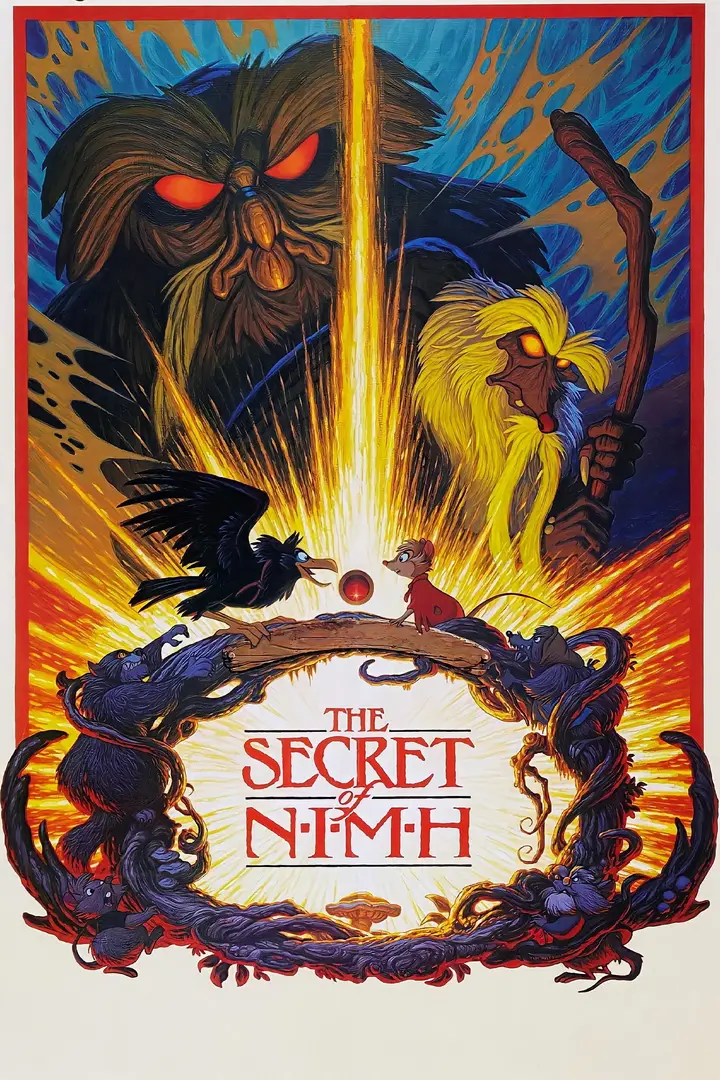
The Secret of NIMH
A dark fantasy about fear, motherhood and finding courage in frightening places.
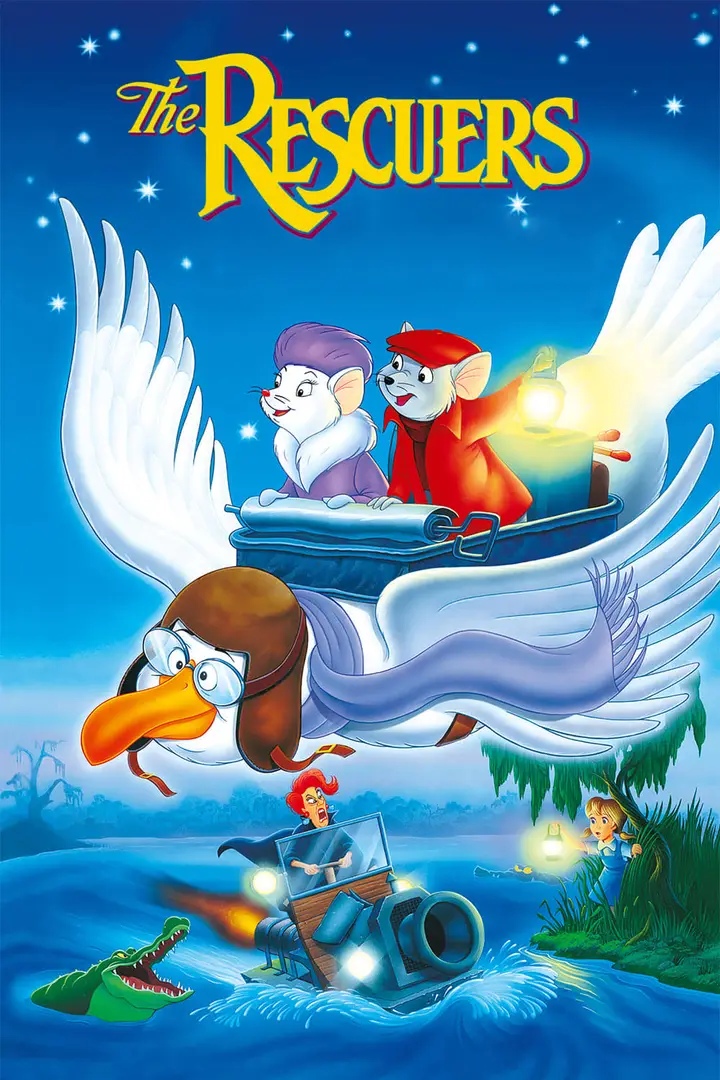
The Rescuers
Suspense, warmth, and unexpected courage shape a rescue adventure about one frightened girl and the heroes determined to save her.

The Land Before Time
Gentle wonder and quiet sadness accompany a journey across a vast prehistoric world.
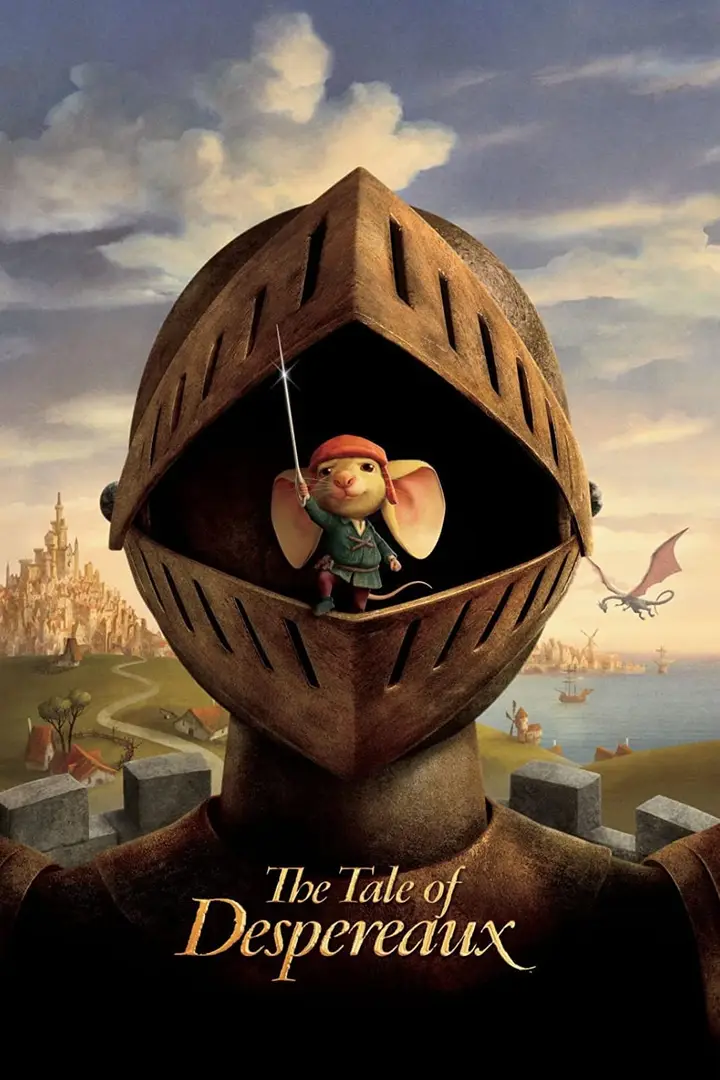
The Tale of Despereaux
A whimsical storybook adventure of courage, compassion, and a little mouse who refuses to live in fear.

The Secret World of Arrietty
A gentle and beautifully observed story about friendship, wonder, and the small moments that stay with us.