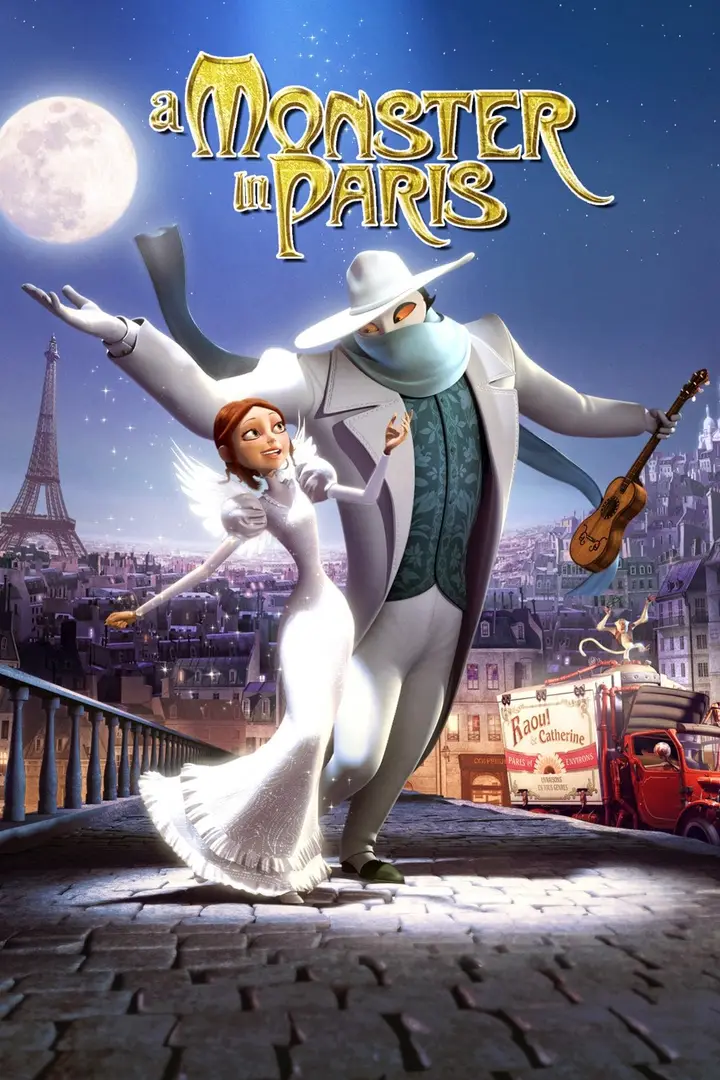
A Monster in Paris
AgeMinimum 5Recommended 5+
The spirit of Belle Époque Paris fills every corner of this musical fantasy with warmth and charm.
During the Great Flood of Paris in 1910, an accidental experiment transforms a harmless creature into the city's most wanted “monster.” As fear spreads through the streets, a singer, an inventor, and a shy projectionist join forces to protect a gentle being who is nothing like the public imagines.
- Release Year
- 2011
- Runtime
- 90 min
- Studio
- EuropaCorp
- Format
- CGI Animation
- Mood
- Magical
- MPAA Rating
- PG
The difference between a monster and a friend is sometimes only a chance to be known. Francoeur's appearance immediately causes fear and suspicion, yet the film repeatedly shows that character cannot be understood from appearances alone. The people who take the time to know him discover someone gentle, loyal, and kind.
Set among flooded streets, music halls, rooftop chases, and the lively energy of early twentieth-century Paris, the story surrounds this simple idea with warmth, humor, and melody. Francoeur's musical performances and Lucille's kindness help transform what begins as a monster hunt into something far more playful and human.
The film suggests that first impressions are often incomplete, especially when someone seems unfamiliar or different. Looking beyond appearances requires curiosity and empathy, yet doing so often reveals qualities that would otherwise remain hidden.
Why It Stands Out
Music, performance, and turn-of-the-century Paris shape nearly every scene. The film treats the city as part of the spectacle, turning rooftops, theaters, and riverfronts into lively stages for adventure, comedy, and song.
Parents’ Insight
People are rarely as simple as they first appear. The qualities that initially create distance can sometimes become the same qualities that draw us closer over time and build lasting connections.
Parents’ Guide
What to know before you press play
Six things parents ask about, rated on the same scale for every film and series in the collection.
- Scary intensity
- Mild (2 of 5)
- Violence
- Minimal (1 of 5)
- Language
- Minimal (1 of 5)
- Emotional intensity
- Minimal (1 of 5)
- Sexual content
- None (0 of 5)
- Substance use
- Mild (2 of 5)
Content notes
- Mild peril; Threatening authority figure
Parent guidance
Gentle themes, mild peril, generally suitable
Questions Parents Ask
What is A Monster in Paris about?
During the Great Flood of Paris in 1910, an accidental experiment transforms a harmless creature into the city's most wanted “monster.” As fear spreads through the streets, a singer, an inventor, and a shy projectionist join forces to protect the gentle creature from a panicked police chief determined to hunt it down.
What age is A Monster in Paris suitable for?
Minimum age: 5. Recommended age: 5+. The danger never becomes graphic or sustained, and the film's music and comedy keep the threatening moments from dominating the experience.
Is A Monster in Paris scary?
- Mild peril
- Threatening authority figure
- Parent preview: optional
The city commissioner's pursuit of the monster creates real chase tension, though the film's whimsical French-fantasy tone keeps things from ever feeling grim.
Is A Monster in Paris worth watching?
Music, performance, and turn-of-the-century Paris shape nearly every scene. The film treats the city as part of the spectacle, turning rooftops, theaters, and riverfronts into lively stages for adventure, comedy, and song. The difference between a monster and a friend is sometimes only a chance to be known. Francoeur's appearance immediately causes fear and suspicion, yet the film repeatedly shows that character cannot be understood from appearances alone. Set among flooded streets, music halls, rooftop chases, and the lively energy of early twentieth-century Paris, the story surrounds this simple idea with warmth, humor, and melody. Francoeur's musical performances and Lucille's kindness help transform what begins as a monster hunt into something far more playful and human. Looking beyond appearances requires curiosity and empathy, yet doing so often reveals qualities that would otherwise remain hidden.
What is A Monster in Paris based on?
A Monster in Paris is not based on a book or true story; it is based on an original story by Bibo Bergeron, with a screenplay by Bergeron and Stéphane Kazandjian. It was written as an original screenplay by French director Bibo Bergeron.
Talk About It
Gentle flea Francœur becomes Paris’s feared monster after an experiment, while singer Lucille and friends protect him from ambitious Commissioner Maynott.
- Why does Lucille trust Francœur?
- How do Emile and Raoul cause the experiment?
- Would you perform beside someone the city feared?
- What would you tell Maud about Emile’s feelings?
- Why does Maynott exaggerate the monster threat?
- How does Raoul hide insecurity?
- Which song changes public perception?
- What should Emile and Raoul do after their experiment transforms Francœur, beyond simply hiding him from Maynott?
Turn this film into a ready-to-use class discussion
Use the Teacher Resources already attached to this film. Choose the questions you want, then print, copy or share the result.
Similar Movies
Triplets of Belleville and Ratatouille make Paris itself part of the pleasure, though one is retro and nearly wordless and the other centers food. Ernest & Celestine and Paddington cross social boundaries through unlikely friendships, Sing shares the performance breakthrough, and The Book of Life brings musical fantasy from a different cultural world.
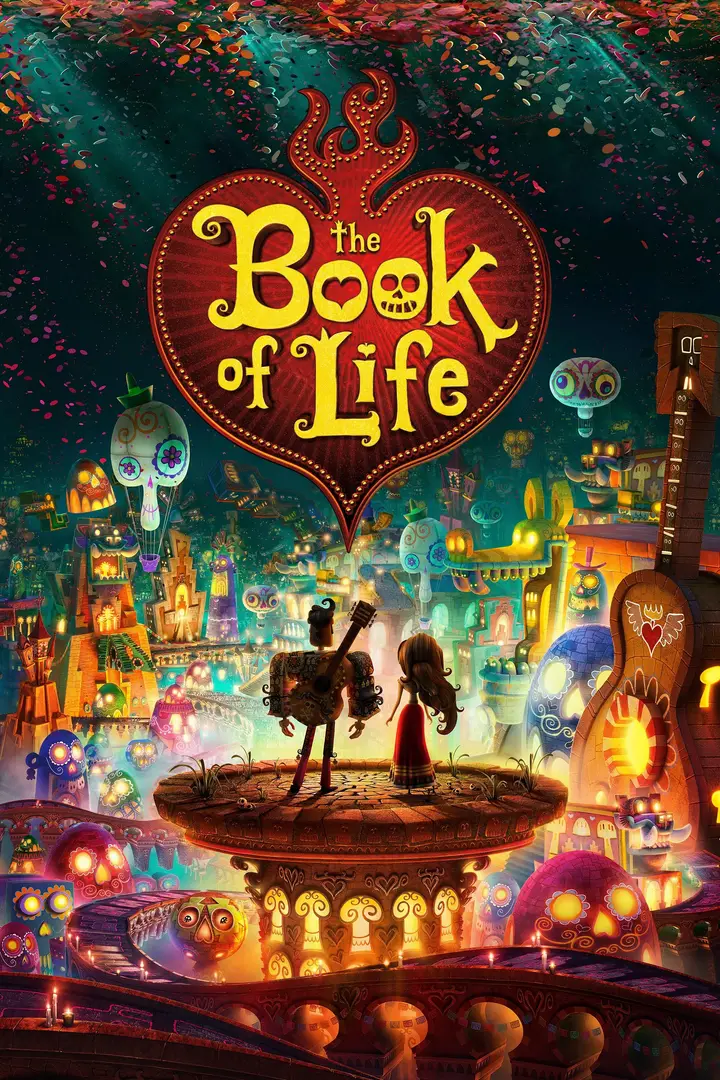
The Book of Life
Warm colors, infectious music, and a beautifully imagined world of the living and the dead.
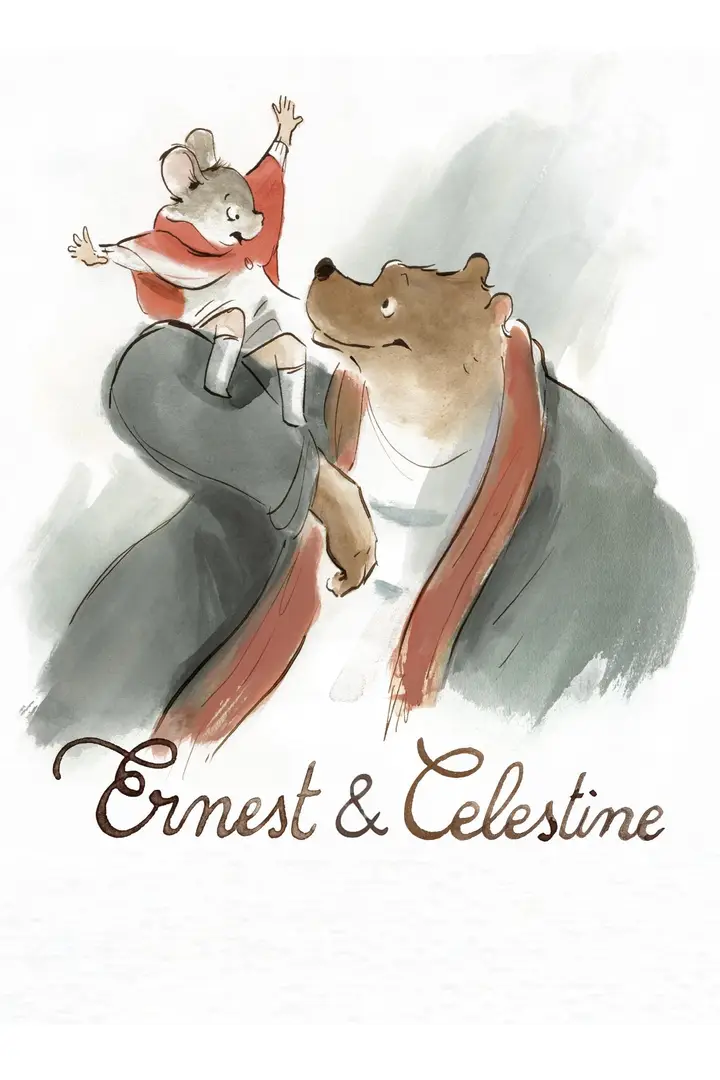
Ernest & Celestine
Watercolor beauty and delicate storytelling create a world of warmth and kindness, where friendship grows strong enough to overcome fear and bring very different worlds together.
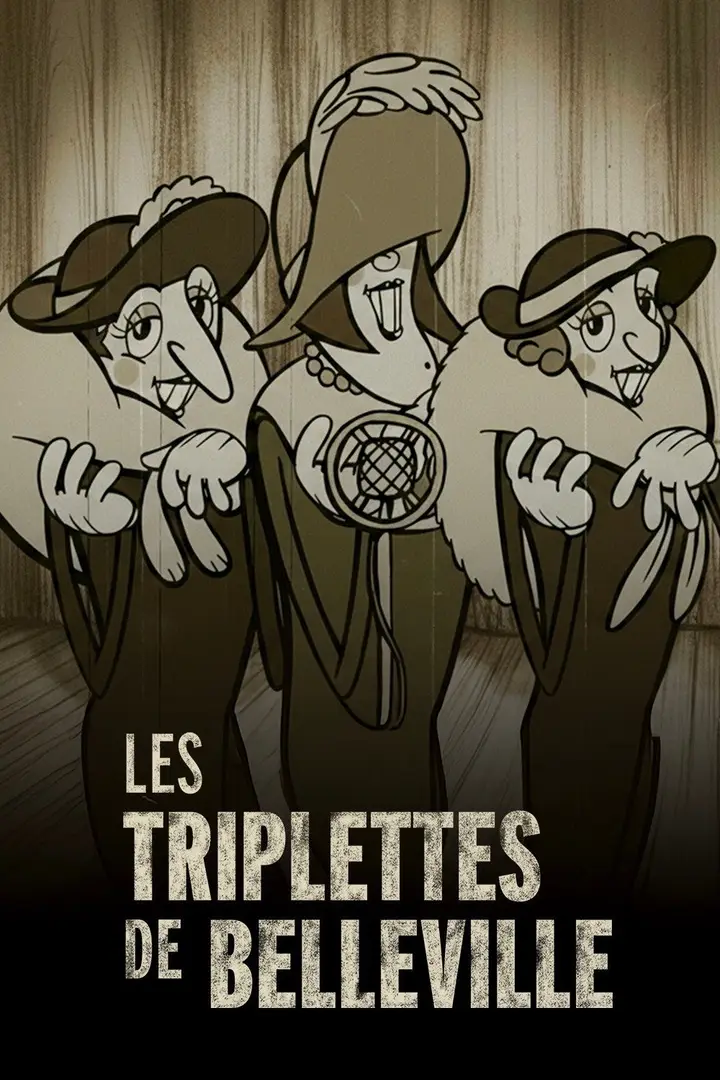
The Triplets of Belleville
A whimsical animated adventure of devotion, determination, and a grandmother’s extraordinary journey to rescue the grandson she loves.
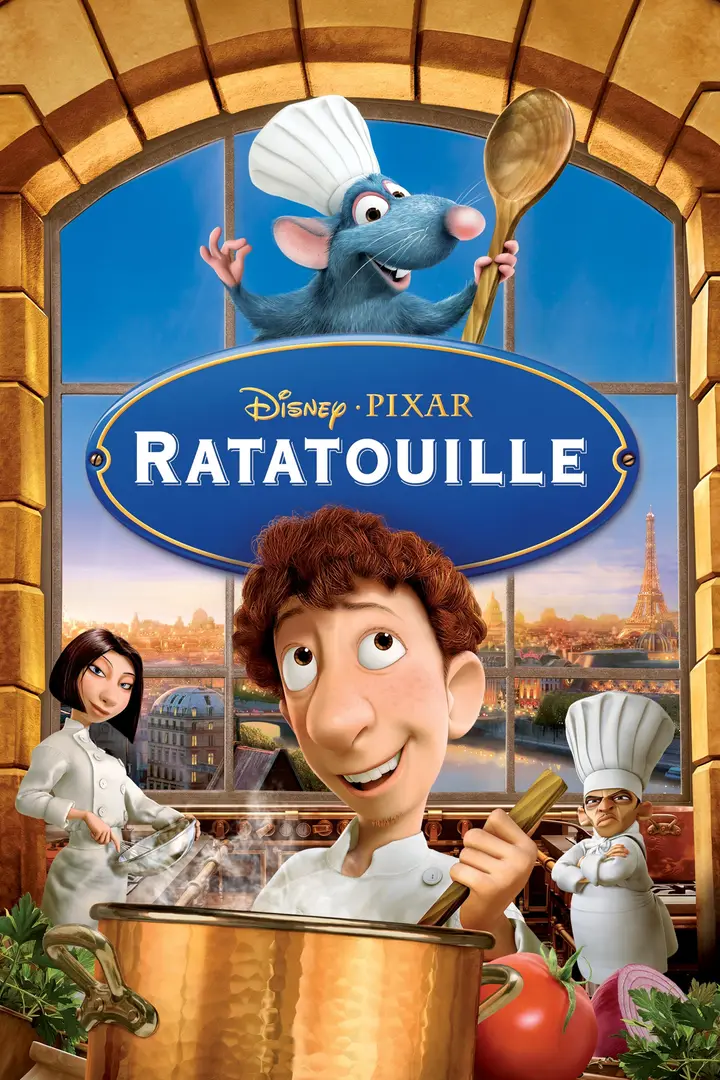
Ratatouille
The sights, sounds, and flavors of Paris create a joyful celebration of creativity, passion, and the simple pleasure of doing something well.
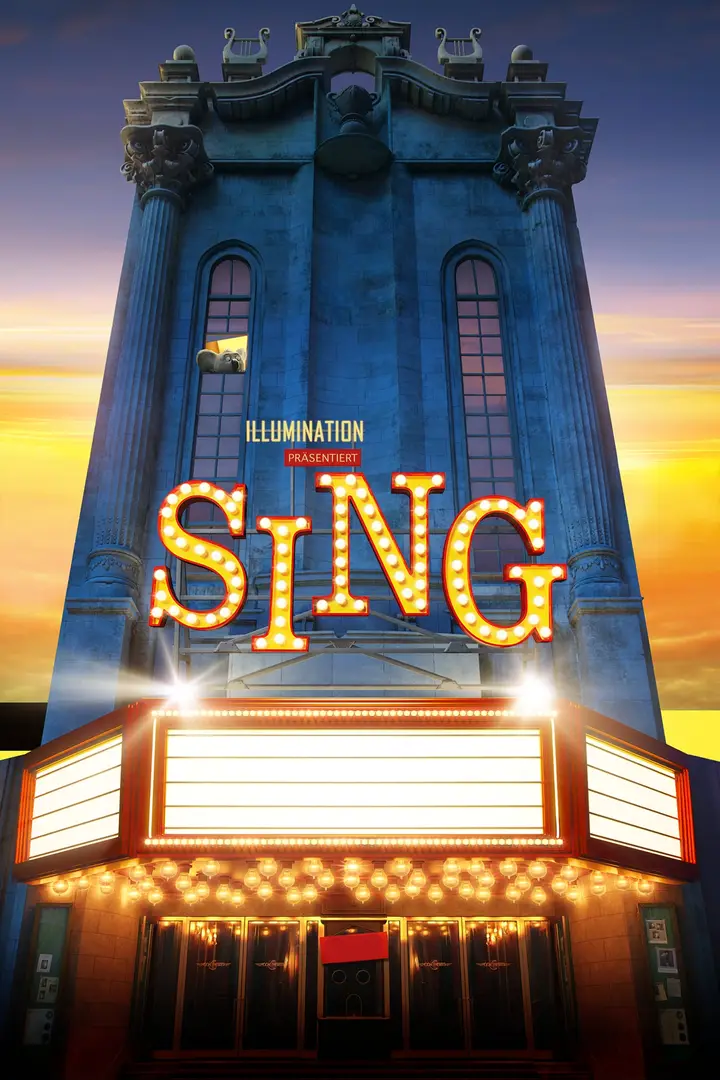
Sing
Catchy songs, lovable characters, and a joyful celebration of talent, perseverance, and self-belief.
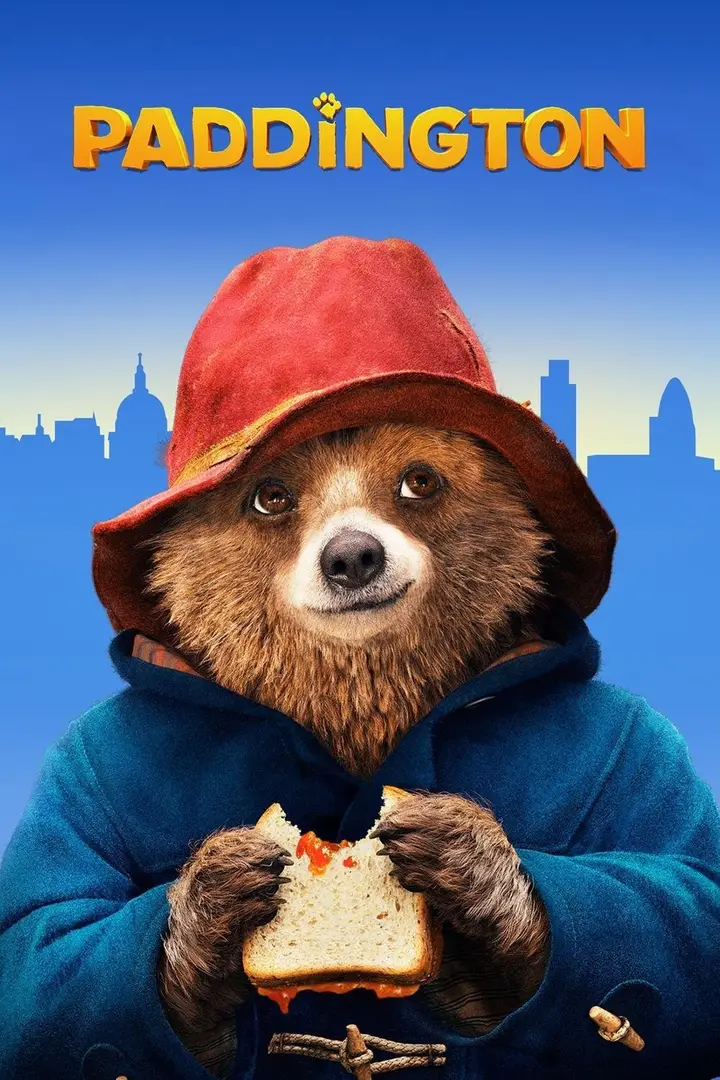
Paddington
A heartwarming family adventure where a little bear shows that kindness can turn a strange place into a true home.