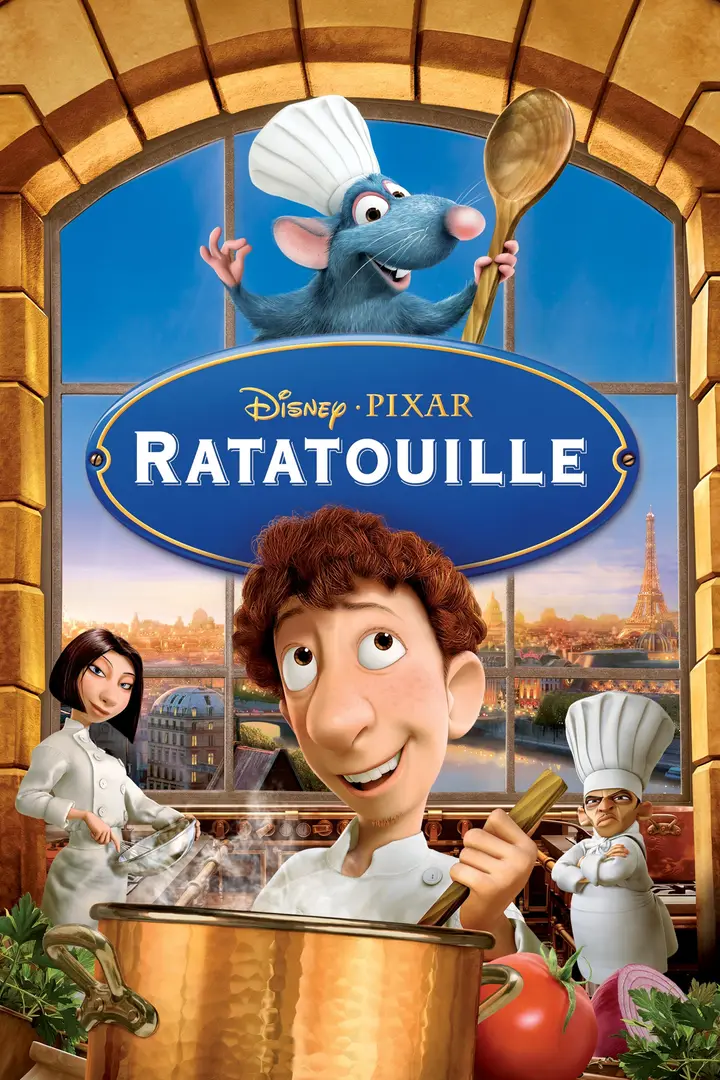
Editor’s Choice
Ratatouille
AgeMinimum 5Recommended 5+
The sights, sounds, and flavors of Paris create a joyful celebration of creativity, passion, and the simple pleasure of doing something well.
Remy is a young rat with an unusually refined sense of taste and smell, and an even more unusual dream: becoming a chef. Separated from his family and lost in Paris, he unexpectedly finds himself inside the kitchen of the legendary chef Auguste Gusteau's restaurant. There, he forms an unlikely partnership with Linguini, a shy and awkward kitchen assistant struggling to find his place. Together, the two secretly transform the restaurant from behind the scenes while hiding a secret that could change both of their lives.
- Release Year
- 2007
- Runtime
- 111 min
- Studio
- Pixar Animation Studios
- Format
- CGI Animation
- Genre
- Comedy, Animation
- Mood
- Warm
- MPAA Rating
- G
Cooking shapes every corner of Ratatouille. Chopping vegetables, tasting sauces, adjusting seasoning, and listening to sizzling pans turn the kitchen into a place of constant movement. Orders arrive without warning, mistakes demand quick solutions, and every service brings new pressures alongside new possibilities. Behind every finished dish lies patience, teamwork, and countless small decisions made under pressure that often go unnoticed by everyone except the people making them.
Paris unfolds across rooftops, glowing restaurant windows, narrow streets, and busy cafés filled with conversation. Rain glistens on stone pavements, steam rises from kitchen doors, and warm evening light spills into the city. Whether following Remy through hidden passages or Linguini through crowded dining rooms, the film fills every corner with warmth, humor, and the excitement of creating something special.
Kitchens were never meant for rats, yet Remy cannot ignore the joy he finds there. His partnership with Linguini depends on trust, improvisation, and learning from mistakes together.
Even Anton Ego's long-awaited visit grows naturally from the same devotion to cooking that has driven Remy from the beginning. Ego arrives expecting confirmation of everything he already believes. One bite of Remy's cooking returns him somewhere he had not been in years — to the childhood memory that first taught him what food could mean.
Why It Stands Out
Many stories about talent ask whether someone deserves to succeed. Ratatouille begins with a different obstacle. Remy’s greatest challenge is not becoming a better cook, but finding a place where his gift is allowed to exist at all. The kitchen rejects him long before anyone has tasted his food.
The story reaches its most powerful moment not when Remy proves he can cook, but when Anton Ego recognizes what he had forgotten. A single bite returns him to a part of himself that years of judging excellence in others had slowly buried. What changes is not his opinion of the food. It is his understanding of where greatness can come from.
Parents’ Insight
Children sometimes discover passions that seem unusual or difficult for others to understand. What they need most is someone willing to take their interest seriously before the world has the chance to discourage it.
Gifts are not always easy to recognize at first glance. The person who changes a child’s future is often simply the one who noticed something worth encouraging before the world had decided otherwise.
Editor’s Choice: Culinary craft, Parisian beauty and a celebration of talent
Parents’ Guide
What to know before you press play
Six things parents ask about, rated on the same scale for every film and series in the collection.
- Scary intensity
- Minimal (1 of 5)
- Violence
- Mild (2 of 5)
- Language
- Minimal (1 of 5)
- Emotional intensity
- Minimal (1 of 5)
- Sexual content
- None (0 of 5)
- Substance use
- Minimal (1 of 5)
Content notes
- Mild peril; Angry arguments; Kitchen chaos; Comic violence
Parent guidance
Mild peril, generally suitable, some tense kitchen scenes
Questions Parents Ask
What is Ratatouille about?
Remy is a young rat with an unusually refined sense of taste and smell, and an even more unusual dream: becoming a chef. Separated from his family and lost in Paris, he unexpectedly finds himself inside the kitchen of the legendary chef Auguste Gusteau's restaurant. There, he forms an unlikely partnership with Linguini, a shy and awkward kitchen assistant struggling to find his place. Together, the two secretly transform the restaurant from behind the scenes while hiding a secret that could change both of their lives. Cooking shapes every corner of Ratatouille. Chopping vegetables, tasting sauces, adjusting seasoning, and listening to sizzling pans turn the kitchen into a place of constant movement.
What age is Ratatouille suitable for?
Knives, boiling pots, and a shotgun-wielding landlady all appear, but the rat-scale danger stays quick and comic; Remy being a rat who can cook, and the panic that causes in a real restaurant, is a premise a 5-year-old grasps just as readily as an older viewer.
Is Ratatouille scary?
- Rats chased or threatened in kitchen
- Knives, boiling pots, and falls
- Brief gunfire and extermination peril
- Gore or graphic violence
Ratatouille keeps its kitchen-chaos tension light throughout, with the sharpest moment being Remy's fear of being caught, resolved without any real danger.
Is Ratatouille worth watching?
Many stories about talent ask whether someone deserves to succeed. Ratatouille begins with a different obstacle. Remy's greatest challenge is not becoming a better cook, but finding a place where his gift is allowed to exist at all. The kitchen rejects him long before anyone has tasted his food. The story reaches its most powerful moment not when Remy proves he can cook, but when Anton Ego recognizes what he had forgotten. A single bite returns him to a part of himself that years of judging excellence in others had slowly buried.
What is Ratatouille based on?
Ratatouille is not based on a novel. Brad Bird wrote the screenplay from a story by Jan Pinkava, Jim Capobianco, and Bird. The project originated with Pinkava's idea of a rat who dreams of becoming a chef, which Bird substantially reworked after taking over direction.
Talk About It
Remy secretly guides kitchen worker Linguini at Gusteau’s, but critic Anton Ego and chef Skinner force them to defend talent from an unlikely source.
- Why does Remy want to cook instead of steal food?
- How does Linguini agree to their unusual partnership?
- Would you eat food prepared by a rat?
- What would you tell Remy before serving Ego?
- Why does Colette distrust Linguini’s success?
- How does Gusteau’s motto inspire Remy?
- Which dish best expresses his talent?
- Linguini takes credit for food that Remy actually cooks. What does that lie cost their friendship once it comes out?
Turn this film into a ready-to-use class discussion
Use the Teacher Resources already attached to this film. Choose the questions you want, then print, copy or share the result.
Similar Movies
The Princess and the Frog is the clearest food-centered companion, pairing ambition with cooking in a very different setting. Luca and Paddington keep the outsider-finding-belonging warmth, Cloudy turns food into invention-driven chaos, Fantastic Mr. Fox makes appetite criminally comic, and The Emperor’s New Groove is the broadest tonal detour.
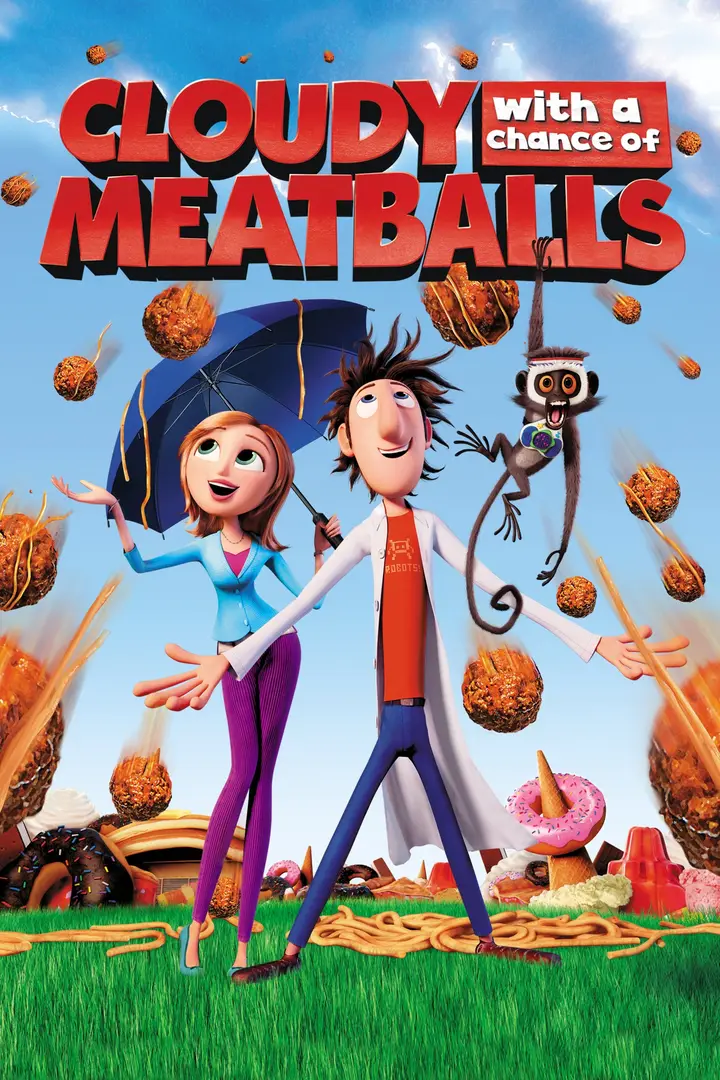
Cloudy with a Chance of Meatballs
Wild inventions, unlikely heroes, and delicious chaos fuel a comedy where every solution creates an even bigger problem.
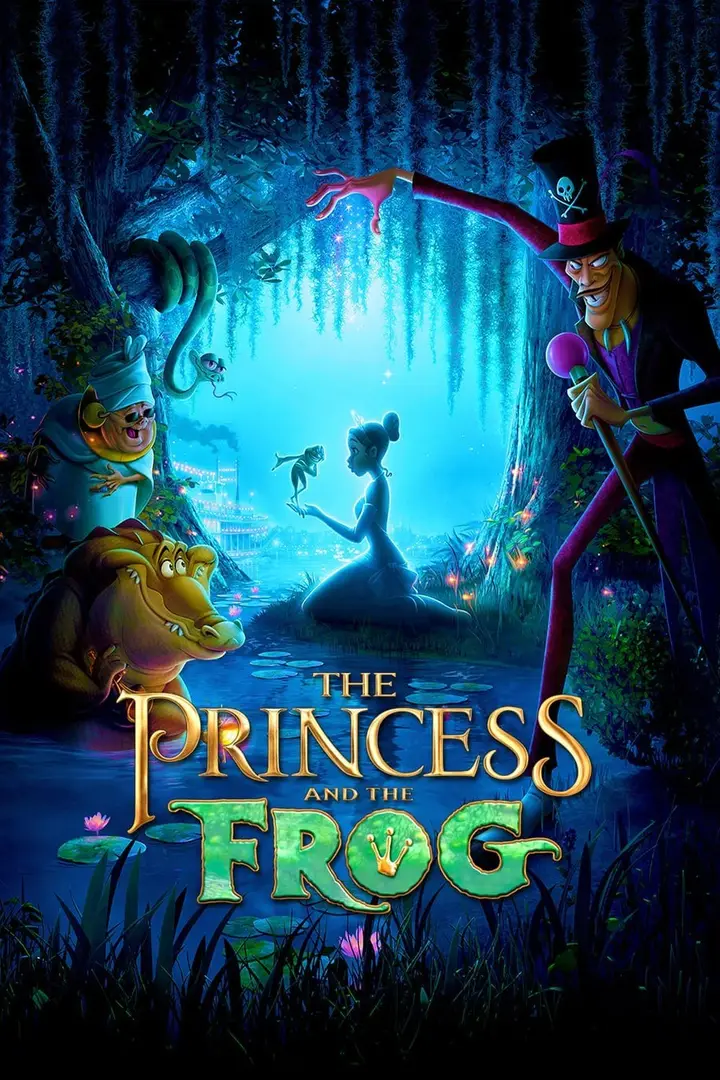
The Princess and the Frog
A jazz-filled New Orleans fairy tale about ambition, love, and learning that a meaningful life cannot be built through work alone.
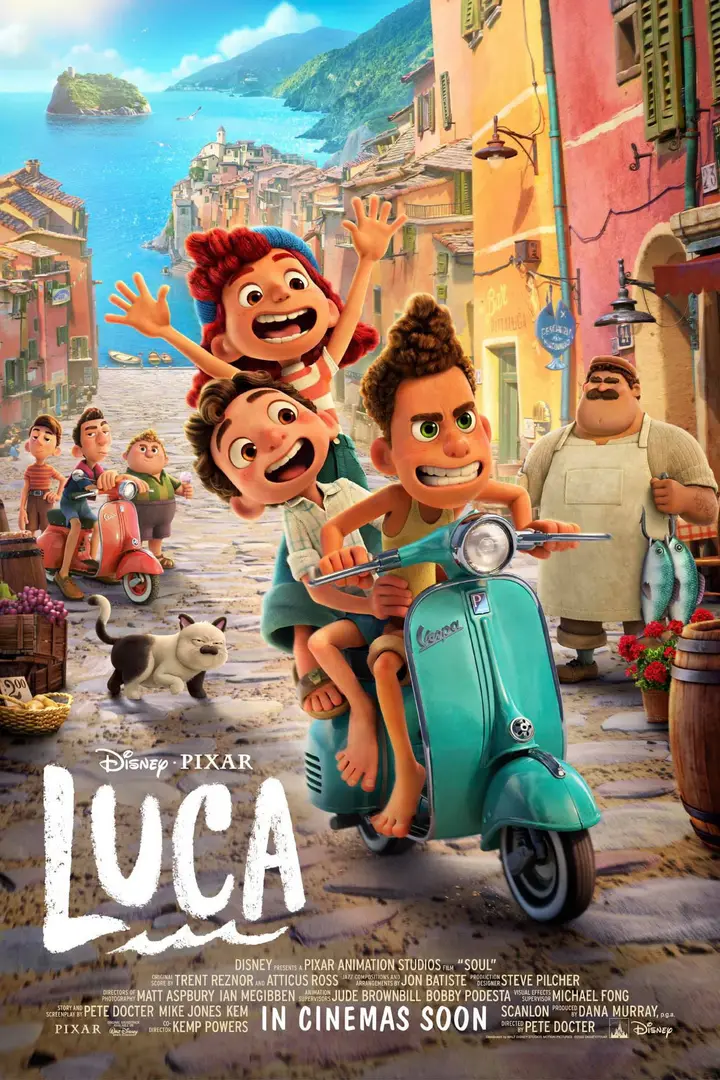
Luca
A warm and sunlit coming-of-age adventure about friendship, belonging, and discovering the world beyond our fears.
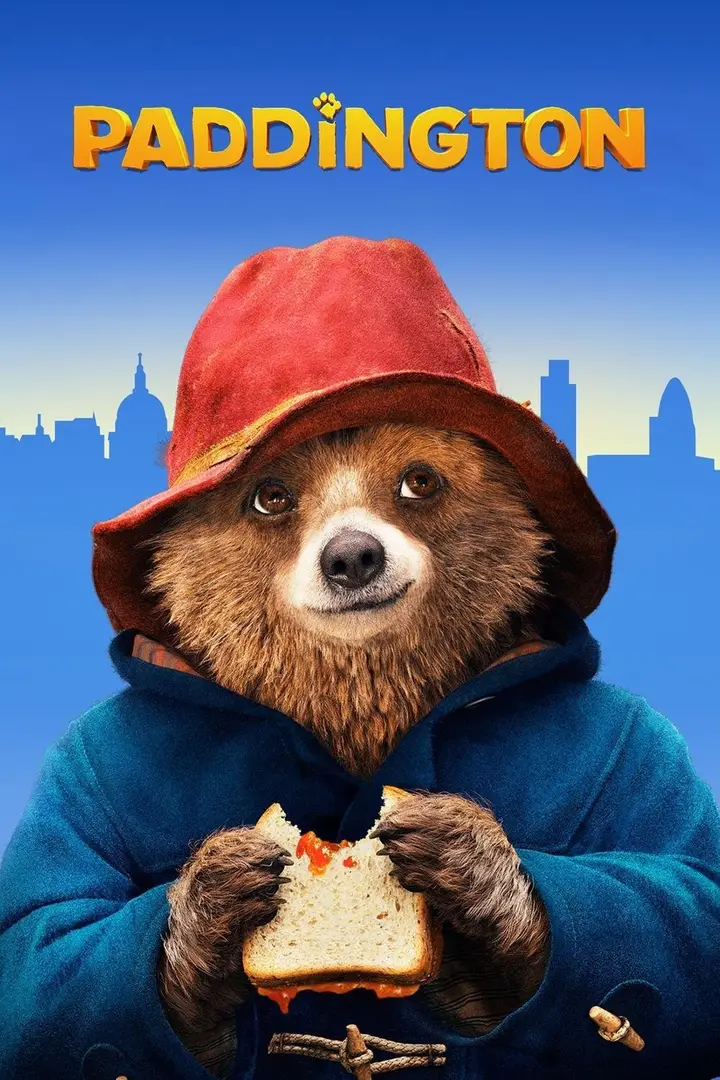
Paddington
A heartwarming family adventure where a little bear shows that kindness can turn a strange place into a true home.
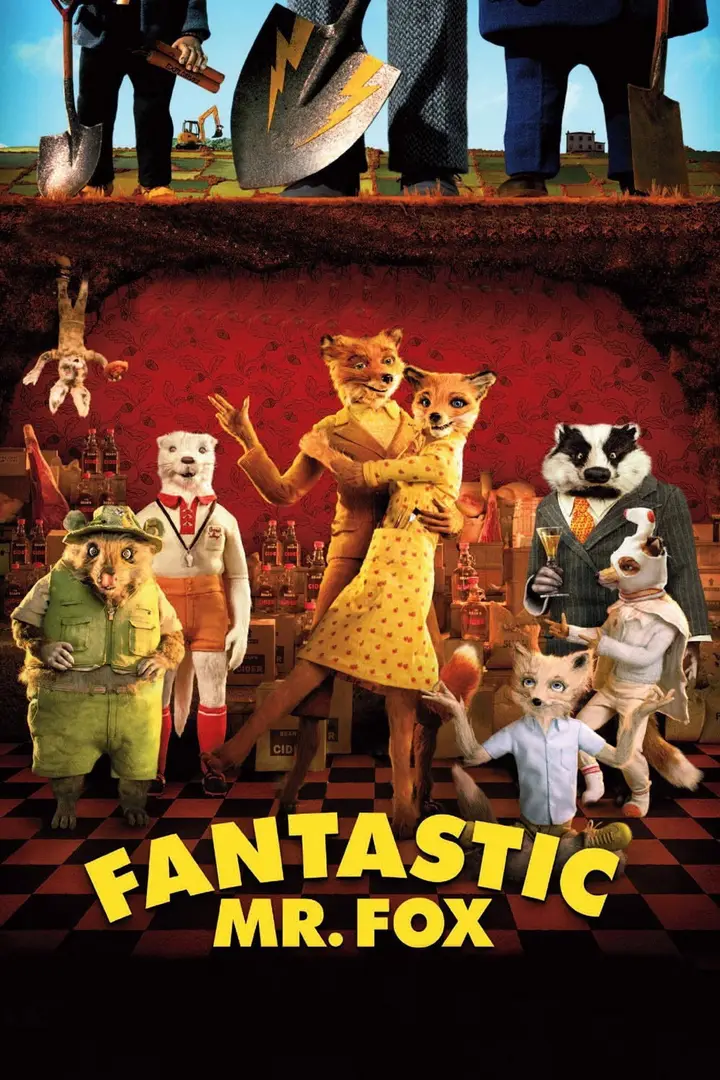
Fantastic Mr. Fox
A witty autumn adventure about family, responsibility, and the instincts we never completely leave behind.
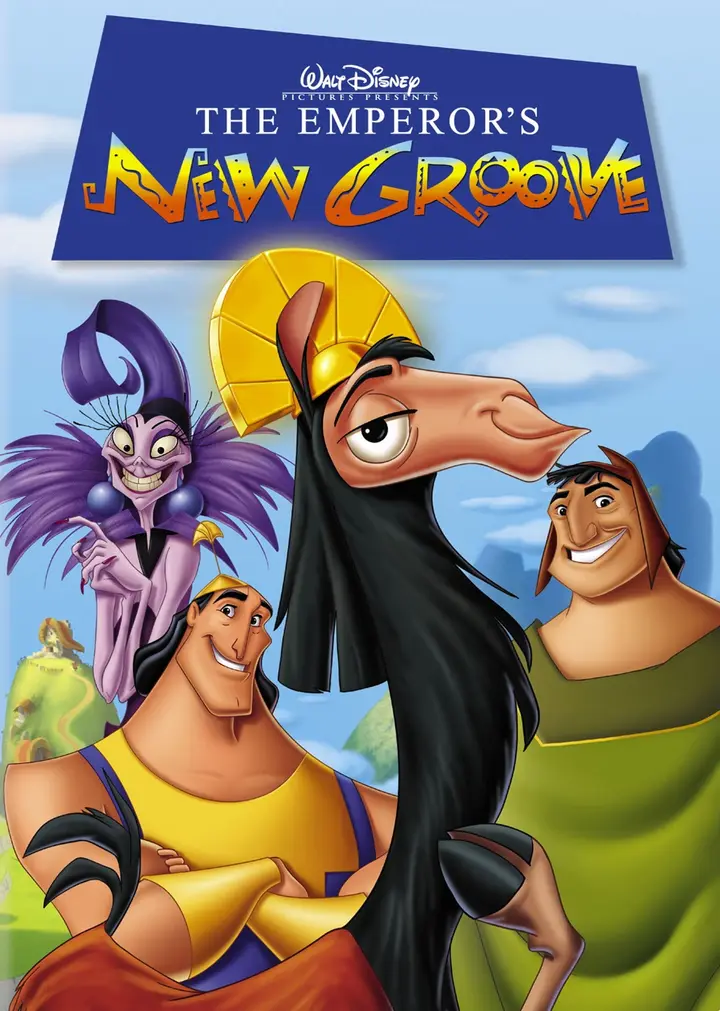
The Emperor's New Groove
A wildly funny fantasy adventure about friendship, selfishness, second chances, and one of Disney's most chaotic comedy duos.