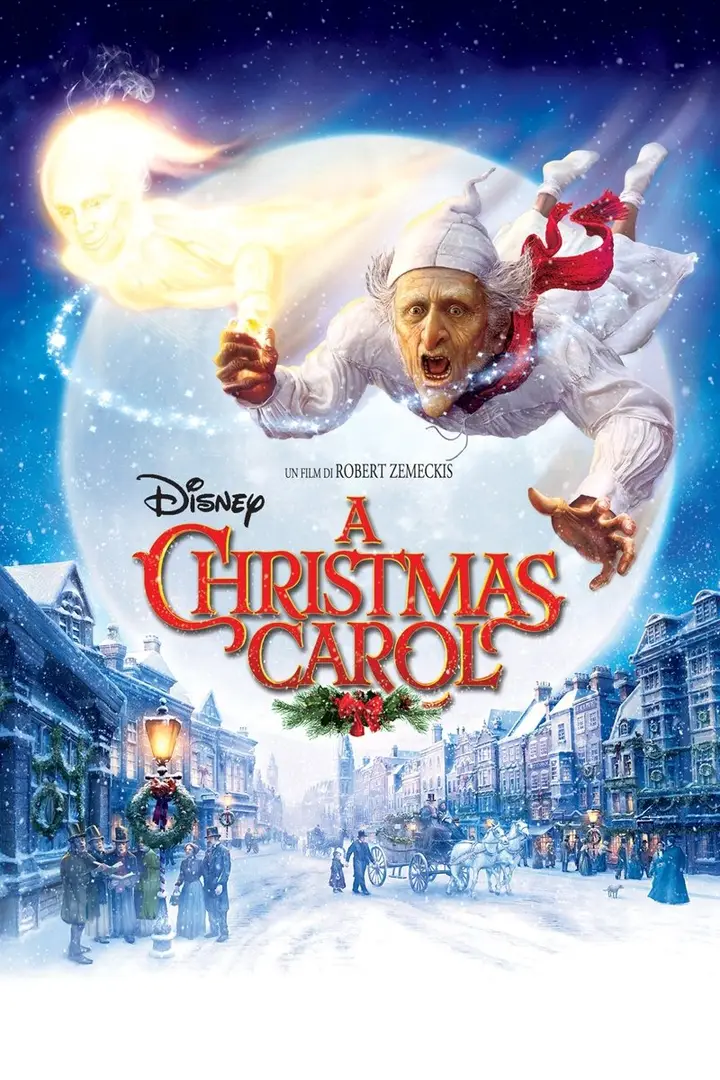
A Christmas Carol
AgeMinimum 10Recommended 10+
A dark and atmospheric Christmas journey through memory, regret, and the hope of a second chance.
On Christmas Eve, the bitter Ebenezer Scrooge rejects charity, family, and celebration. After a warning from the ghost of his former business partner, he is visited by three spirits who guide him through scenes from his past, present, and possible future, forcing him to confront the life he has chosen.
- Release Year
- 2009
- Runtime
- 96 min
- Studio
- Walt Disney Pictures
- Format
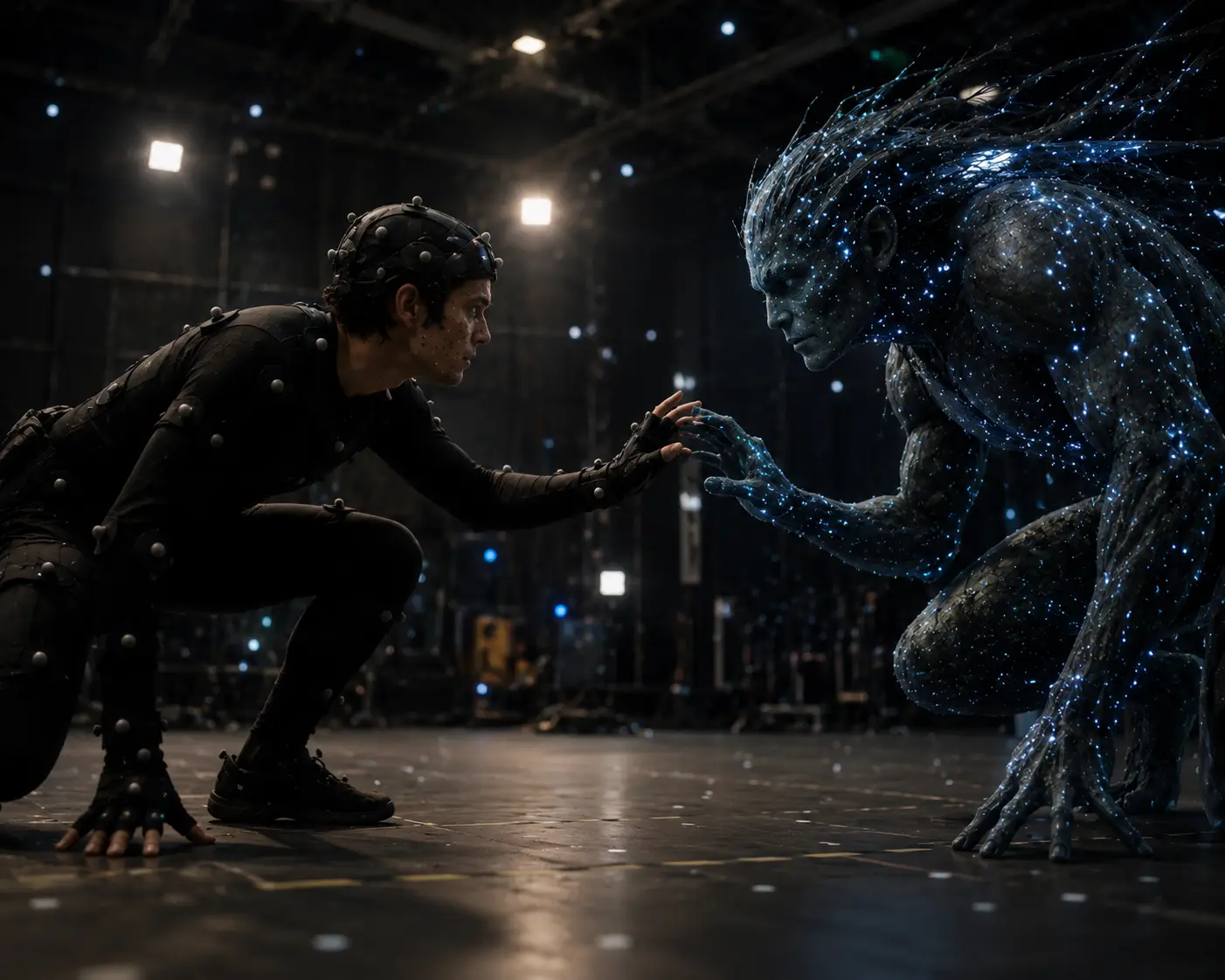
- Motion Capture
- Genre
- Drama
- Mood
- Dark, Spooky, Emotional, Festive
- MPAA Rating
- PG
Scrooge walks through a cold winter London where gaslit streets, narrow alleys, and quiet rooftops feel sharper under the night air. The city is still and practical, but the weather makes everything feel slightly heavier and more closed in.
The visits from the past, present, and future happen through real places in the city that change as he moves through them. An office fills with people he remembers from work, family rooms feel warm but distant, and empty streets show moments he walked past without stopping or noticing at the time.
As the night goes on, Scrooge moves through versions of his own life inside the same city. Nothing becomes abstract or dreamlike in a dramatic way — it is still London — but each place feels slightly different, as if small details have shifted to show him what his choices have led to.
Why It Stands Out
This adaptation preserves both the spirit and the severity of Dickens’ original story. Its ghostly atmosphere, Victorian setting, and commitment to the novel’s darker themes create a version that feels closer to the source than many family-oriented retellings.
Parents’ Insight
Looking back is not always comfortable. Meaningful change becomes possible when people are willing to confront past choices instead of continuing to justify them or ignore their consequences.
Parents’ Guide
What to know before you press play
Six things parents ask about, rated on the same scale for every film and series in the collection.
- Scary intensity
- Moderate (3 of 5)
- Violence
- Minimal (1 of 5)
- Language
- Minimal (1 of 5)
- Emotional intensity
- Mild (2 of 5)
- Sexual content
- None (0 of 5)
- Substance use
- Minimal (1 of 5)
Content notes
- Ghosts and spirits; Dark imagery
Parent guidance
Some genuinely scary ghost imagery, may frighten younger viewers
Questions Parents Ask
What is A Christmas Carol about?
On Christmas Eve, the bitter Ebenezer Scrooge rejects charity, family and celebration. After receiving a warning from the ghost of his former business partner, he is visited by three spirits who show him his past, present and possible future. As the visions unfold, Scrooge is forced to confront the consequences of the life he has chosen and decide whether he can still change.
What age is A Christmas Carol suitable for?
Minimum age: 10. Recommended age: 10+. Robert Zemeckis's motion-capture version emphasizes the frightening side of Dickens: Marley appears as a corpse, bells and apparitions arrive suddenly, Christmas Present ages into a skeleton, and the silent final spirit evokes the Grim Reaper amid graves and pursuit. Ten is both the safety floor and recommendation. Younger viewers may know the moral but still be overwhelmed by the realistic animation, death imagery, and sustained atmosphere of regret and mortality.
Is A Christmas Carol scary?
- Jacob Marley and apparitions
- Ghost of Christmas Yet to Come
- Corpses, coffins, and cemetery imagery
- Graphic gore: limited
Marley's ghost, the silent final spirit, and images of death give this version a genuinely eerie atmosphere. The material is not gory, but the cemetery imagery and themes of death and regret can linger with sensitive children.
Is A Christmas Carol worth watching?
This adaptation preserves both the spirit and the severity of Dickens' original story. Its ghostly atmosphere, Victorian setting, and commitment to the novel's darker themes create a version that feels closer to the source than many family-oriented retellings. The movie works best when it translates the source's central appeal into cinematic terms rather than simply illustrating familiar scenes.
What is A Christmas Carol based on?
A Christmas Carol is based on the book A Christmas Carol, written by Charles Dickens, first published in 1843. This version used motion-capture animation with Jim Carrey voicing multiple roles, including all three ghosts, a departure from Dickens's original text.
Talk About It
Ebenezer Scrooge is a bitter, wealthy miser who is visited by the ghost of his late business partner and three spirits who show him his past, present, and possible future. Use the film to discuss whether a person can genuinely change, and what would convince you a change like Scrooge's is real.
- Why does Scrooge reject Fred’s invitation?
- How does Marley’s warning affect him?
- Would you want to see your possible future?
- What would you tell Scrooge after visiting the Cratchits?
- Why does Fezziwig remain a warm memory?
- How does Belle explain leaving Scrooge?
- Which vision frightens him most?
- Why must he change through action?
Turn this film into a ready-to-use class discussion
Use the Teacher Resources already attached to this film. Choose the questions you want, then print, copy or share the result.
Similar Movies
The Muppet Christmas Carol and Scrooge: A Christmas Carol retell Dickens with music in very different styles. It’s a Wonderful Life stays with moral renewal at Christmas, The Polar Express centers belief, and Klaus plus How the Grinch Stole Christmas build separate holiday transformations around generosity and connection.
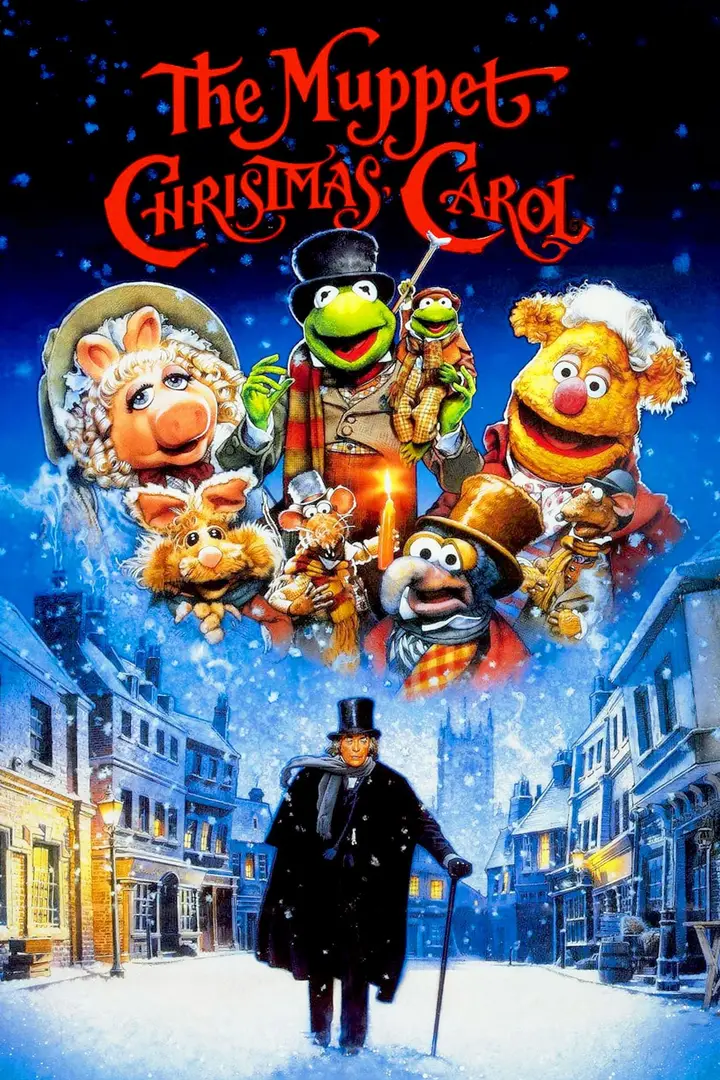
The Muppet Christmas Carol
A lonely miser, three magical spirits, and a Christmas night of reflection transform a familiar morality tale into a journey where seeing the past reveals the possibility of becoming someone new.
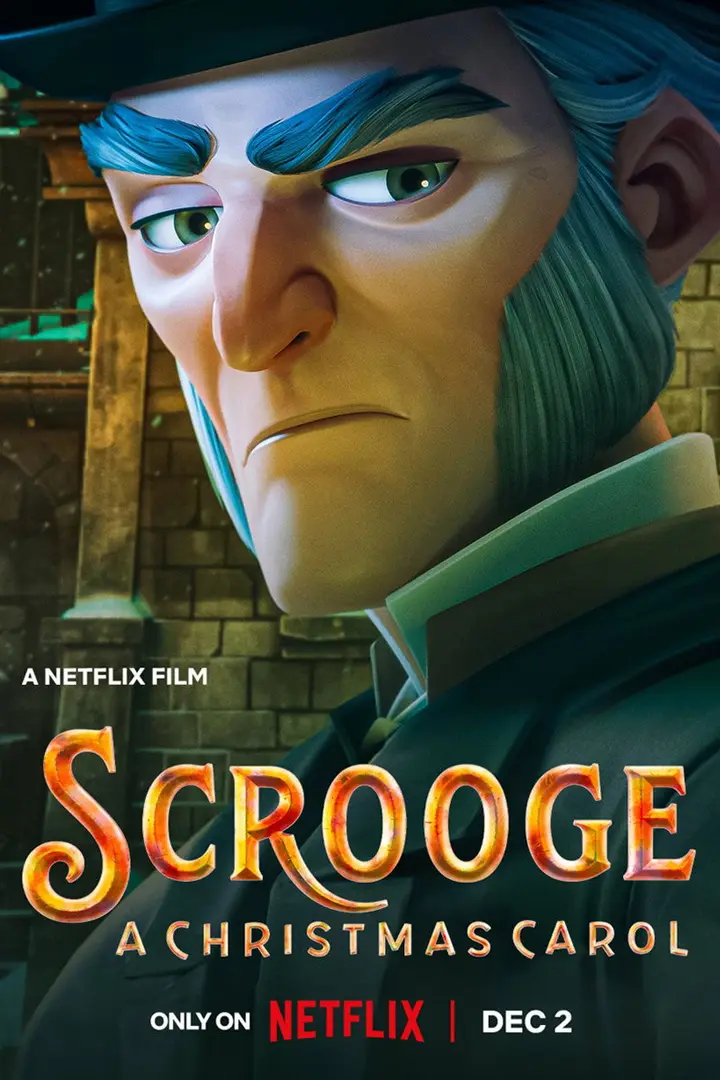
Scrooge: A Christmas Carol
A musical retelling of Dickens's ghost story about greed, regret, and the redemption still possible for anyone.
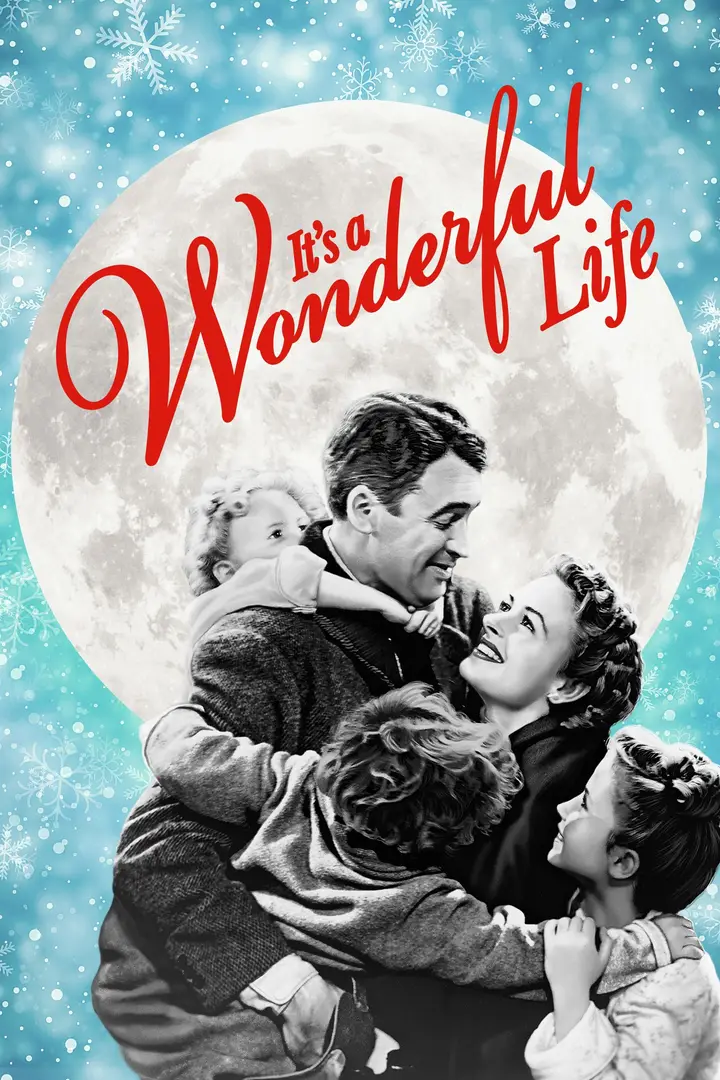
It's a Wonderful Life
A timeless family drama about a man who believes his dreams have passed him by and discovers the extraordinary value of the life he built.
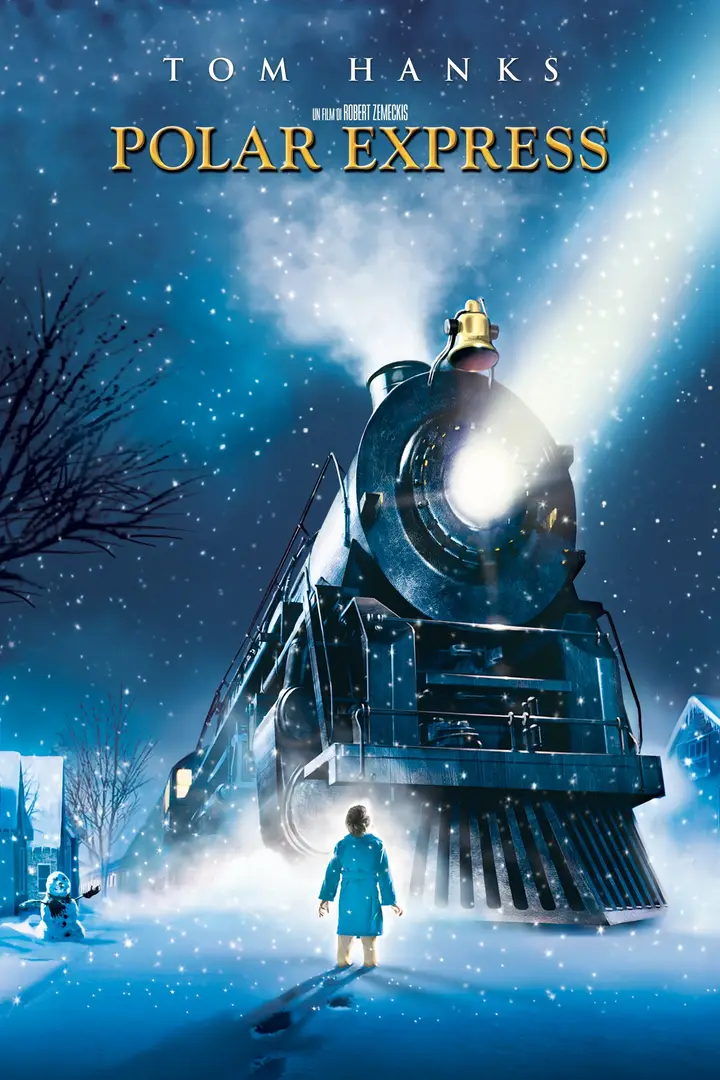
The Polar Express
A dreamlike Christmas journey through snow, doubt, and the fragile magic people fear losing as they grow older.
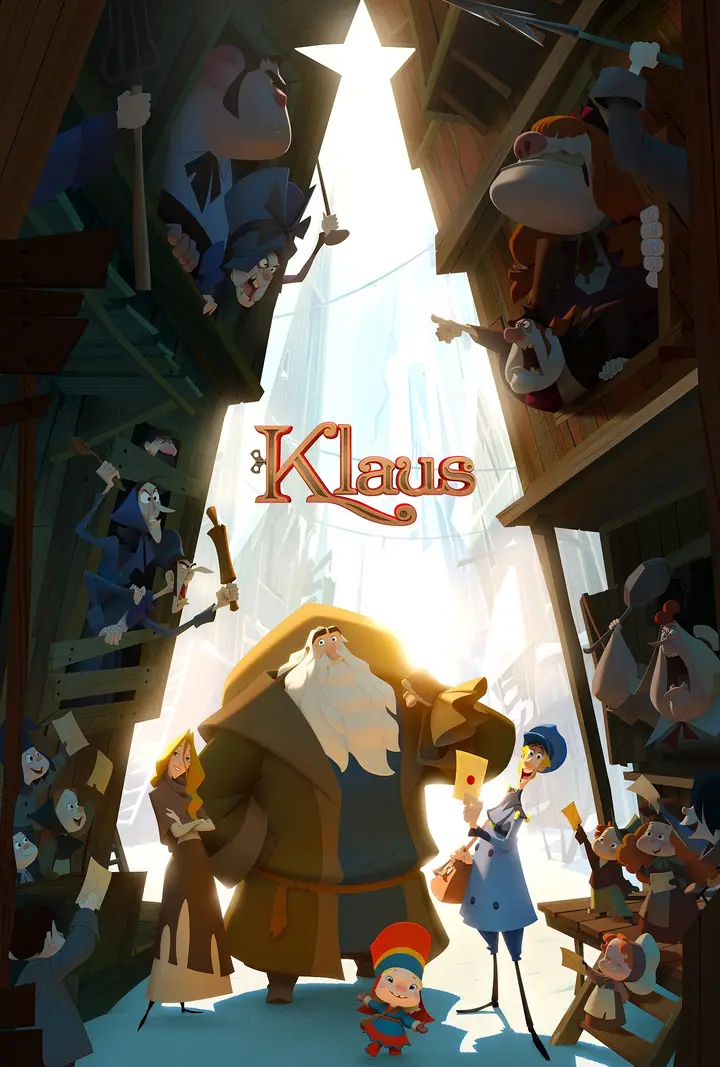
Klaus
A Christmas fantasy whose warmth, humor, and ingenious storytelling transform the legend of Santa Claus into an origin story so convincing it feels as though it had been there all along.
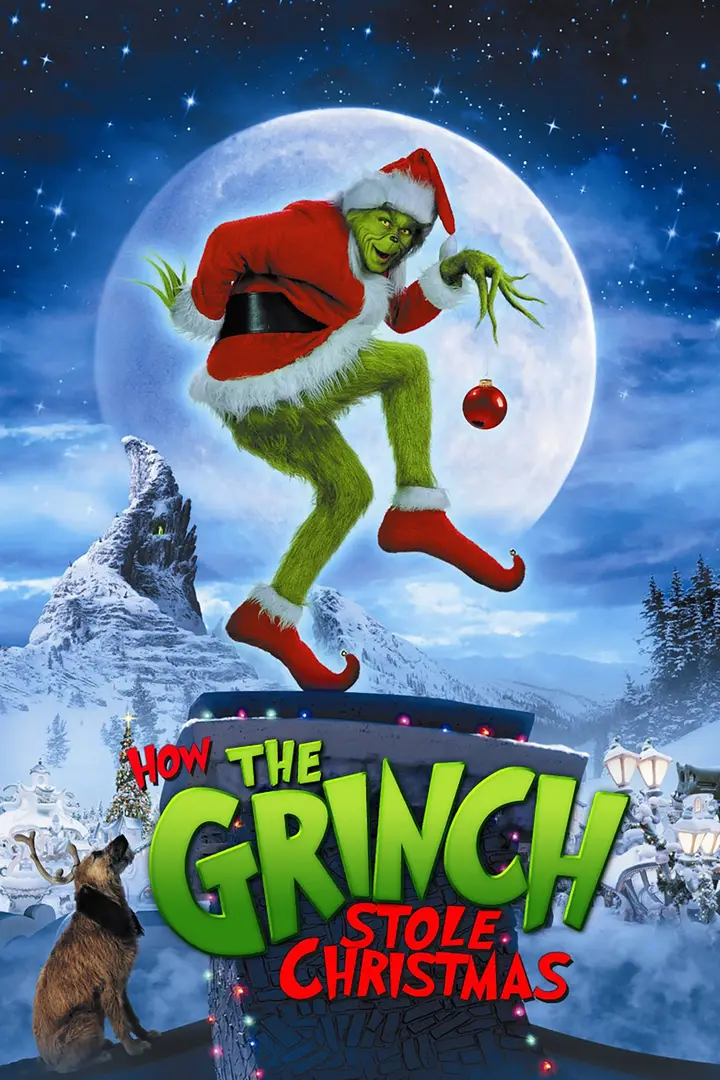
How the Grinch Stole Christmas
A Christmas fantasy adventure where an isolated creature discovers that kindness can transform even the smallest heart.