Editor’s Choice
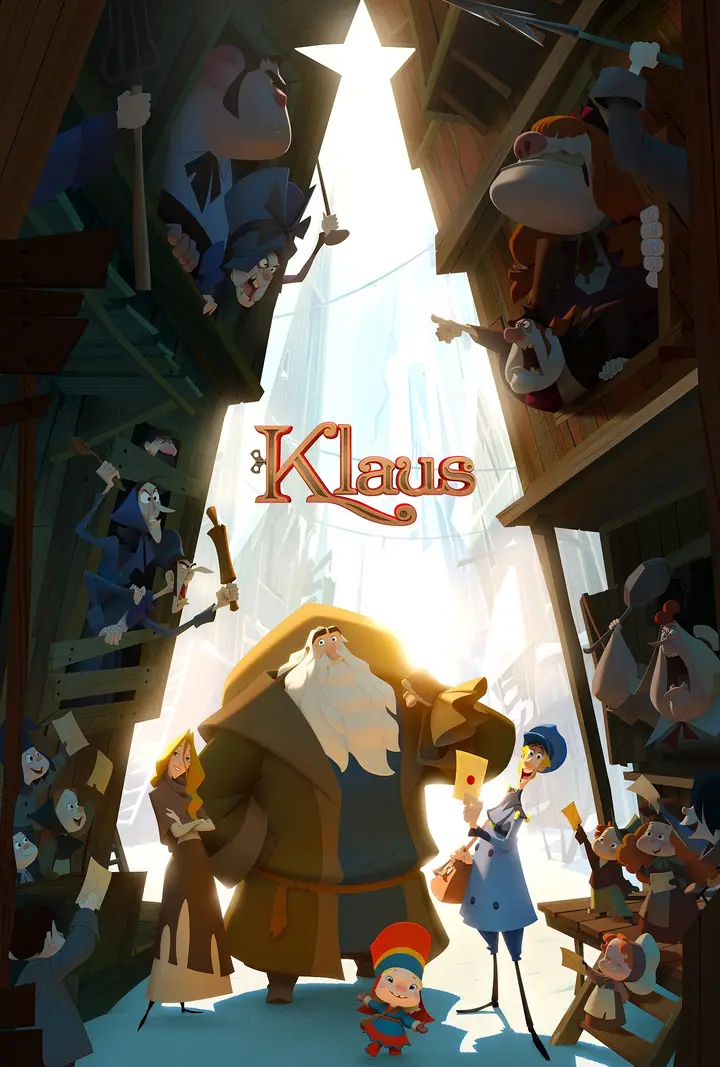
Klaus
AgeMinimum 5Recommended 5+
A Christmas fantasy whose warmth, humor, and ingenious storytelling transform the legend of Santa Claus into an origin story so convincing it feels as though it had been there all along.
Jesper, the spoiled son of a wealthy postal family, is sent to work as a postman on a frozen island above the Arctic Circle. If he fails to process 6,000 letters within a year, he will lose his inheritance. However, the bitter inhabitants of Smeerensburg are trapped in a generations-long feud and refuse to communicate with one another. Everything begins to change when Jesper meets Klaus, a lonely woodworker living in isolation with a house full of handmade toys. Their unlikely partnership slowly brings warmth, generosity, and hope back to the divided town.
- Release Year
- 2019
- Runtime
- 96 min
- Studio
- Netflix Animation, The SPA Studios
- Format
- Hand-Drawn Animation
- Genre
- Comedy, Fantasy
- Mood
- Tender
- MPAA Rating
- PG
Klaus moves naturally between comedy, melancholy, and Christmas mythology. Letters, chimneys, toys, sleighs, stockings, and reindeer appear throughout the story, yet every familiar tradition is given an emotional origin that feels surprisingly believable. Snow-covered streets, weathered wooden houses, candlelit windows, and quiet winter mornings create a town that feels frozen not only by snow, but by years of resentment.
Jesper does not become kind after a single life-changing moment. He complains, avoids responsibility, acts selfishly, and often tries to do the right thing for the wrong reason. That awkwardness makes his gradual transformation feel honest. Like many people, he changes through repeated encounters with loneliness, disappointment, gratitude, and the growing realization that his choices genuinely matter to someone else.
Smeerensburg begins with routines shaped by generations of suspicion. Every new letter disrupts those routines, creating reasons for people who rarely crossed paths to meet. Few animated films show so clearly how everyday actions can succeed where years of conflict never could.
What lingers most is the film's belief that small gestures matter more than people realize. A toy, a letter, a shared meal, or simple attention can remain with someone for decades. The familiar legend gradually begins to feel less like fantasy and more like something that could have grown from ordinary people making ordinary choices.
Why It Stands Out
Klaus traces the transformation of Smeerensburg through small actions that gradually change how its residents treat one another. Jesper's first attempts to deliver letters lead him to Klaus, whose handmade toys draw children into an unexpected exchange of gifts and kindness.
The town's long feud does not disappear overnight; every generous act creates an opening for another. Hand-drawn-looking animation, expressive lighting, and snowy streets give this origin story its distinctive atmosphere. The film connects the traditions of Christmas giving to human choices, showing how friendship and persistence can reshape a divided community over time.
Parents’ Insight
Nobody in Smeerensburg wakes up intending to become a better person. Life gives people more and more opportunities to care about someone other than themselves, until those small choices begin changing the whole community.
Children grow in much the same way. They are shaped by the patience they receive, the encouragement they are shown, and the ordinary moments when someone chooses kindness before it has been earned.
Editor’s Choice: Innovative hand-drawn look, Christmas spirit and kindness
Parents’ Guide
What to know before you press play
Six things parents ask about, rated on the same scale for every film and series in the collection.
- Scary intensity
- Mild (2 of 5)
- Violence
- Mild (2 of 5)
- Language
- Minimal (1 of 5)
- Emotional intensity
- Mild (2 of 5)
- Sexual content
- None (0 of 5)
- Substance use
- Minimal (1 of 5)
Content notes
- Mild fantasy violence; Threatening atmosphere; Themes of loss; Cartoon peril
Parent guidance
Gentle themes, mild peril, generally suitable
Questions Parents Ask
What is Klaus about?
Jesper, the spoiled son of a wealthy postal family, is sent to work as a postman on a frozen island above the Arctic Circle. If he fails to process 6,000 letters within a year, he will lose his inheritance. However, the bitter inhabitants of Smeerensburg are trapped in a generations-long feud and refuse to communicate with one another. Everything begins to change when Jesper meets Klaus, a lonely woodworker living in isolation with a house full of handmade toys. Their unlikely partnership slowly brings warmth, generosity, and hope back to the divided town.
What age is Klaus suitable for?
Minimum age: 5. Recommended age: 5+. The town's hostility and a few moments of mild fantasy danger never outweigh the film's reassuring tone. Children do not need extra historical or narrative context to understand Jesper and Klaus's growing partnership, so five works as both the minimum and recommendation.
Is Klaus scary?
- Mild fantasy violence
- Threatening atmosphere
- Themes of loss
- Cartoon peril
- Parent preview: optional
Jesper's isolation and the feuding townsfolk's bitterness create a genuinely unfriendly atmosphere at first, but Klaus's own quiet grief as a lonely woodworker gives the story more heart than menace.
Is Klaus worth watching?
Klaus reimagines a Santa Claus origin through hand-drawn animation, an isolated island town, and the unlikely partnership between a postman and a toymaker. Its visual craft and unusual setup give it a distinct identity.
What is Klaus based on?
Klaus is not based on a true story, nor on a book. It is based on an original screenplay. It was written as an original screenplay imagining an entirely new origin story for Santa Claus.
Talk About It
Spoiled postman Jesper and isolated toymaker Klaus accidentally create a gift tradition, transforming feuding Smeerensburg through letters and repeated generosity.
- Why does Jesper start delivering toys?
- How does Alva respond to the change?
- Would you help others for selfish reasons initially?
- What would you tell Klaus about reopening the workshop?
- Why do the Krums and Ellingboes maintain conflict?
- How does Márgu help Jesper?
- Which kindness spreads furthest?
- What does Jesper need to understand about Klaus’s grief before treating the toy deliveries only as a way to meet his postal quota?
Turn this film into a ready-to-use class discussion
Use the Teacher Resources already attached to this film. Choose the questions you want, then print, copy or share the result.
Similar Movies
Kindness is the most useful organizing idea across this holiday set. The Grinch and Paddington 2 tie it to community and empathy; Arthur Christmas and A Christmas Carol turn the same value toward family duty or moral change.
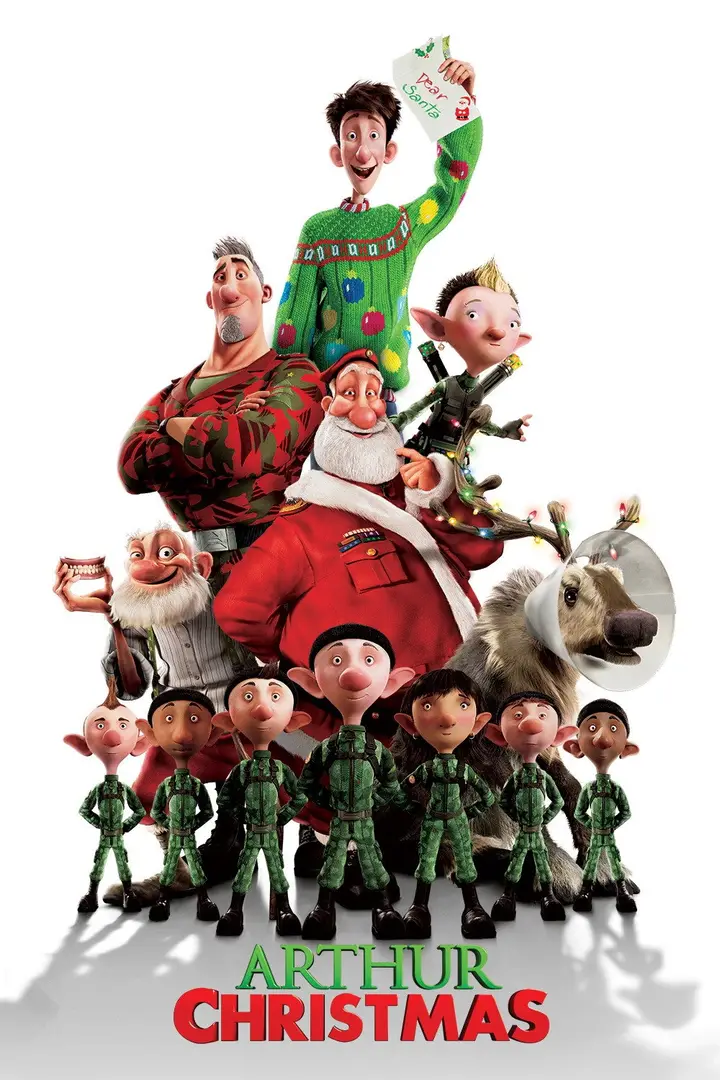
Arthur Christmas
Christmas magic and modern imagination combine in a warm-hearted adventure full of humor and wonder.
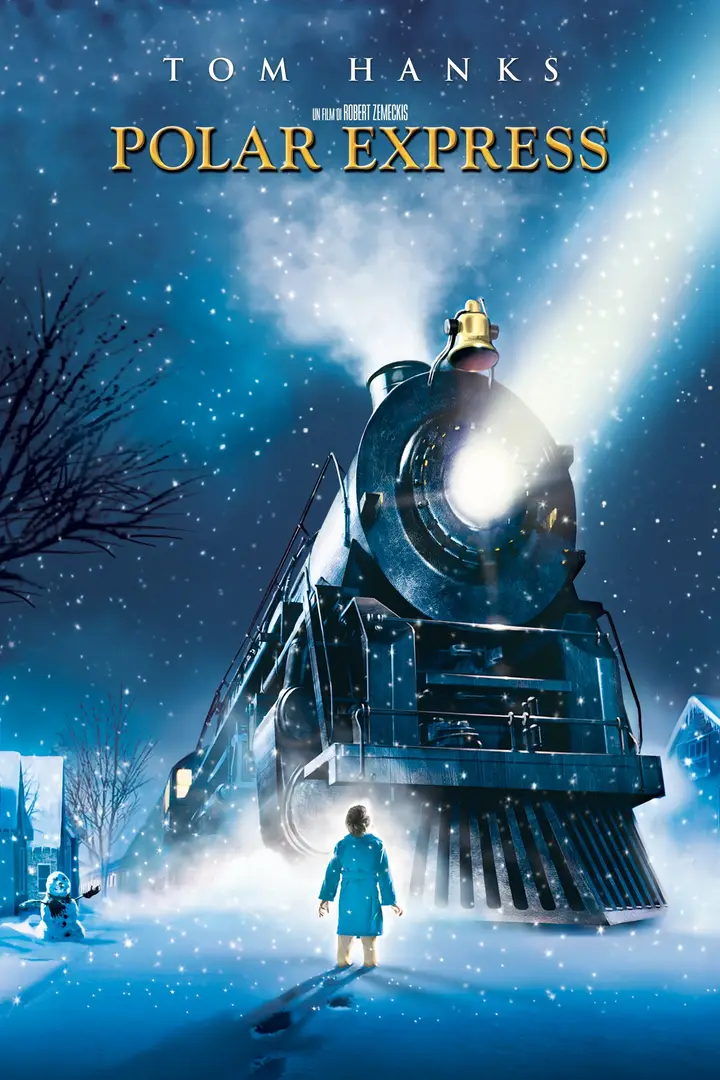
The Polar Express
A dreamlike Christmas journey through snow, doubt, and the fragile magic people fear losing as they grow older.
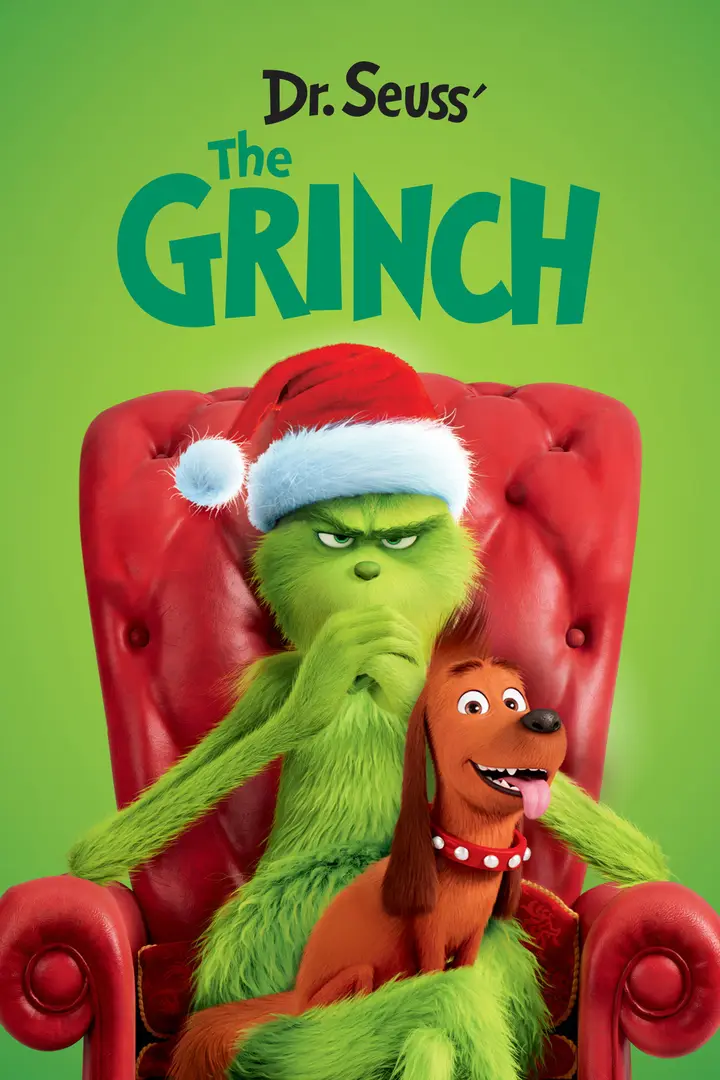
The Grinch
A colorful holiday adventure about kindness, belonging, and the spirit of giving.
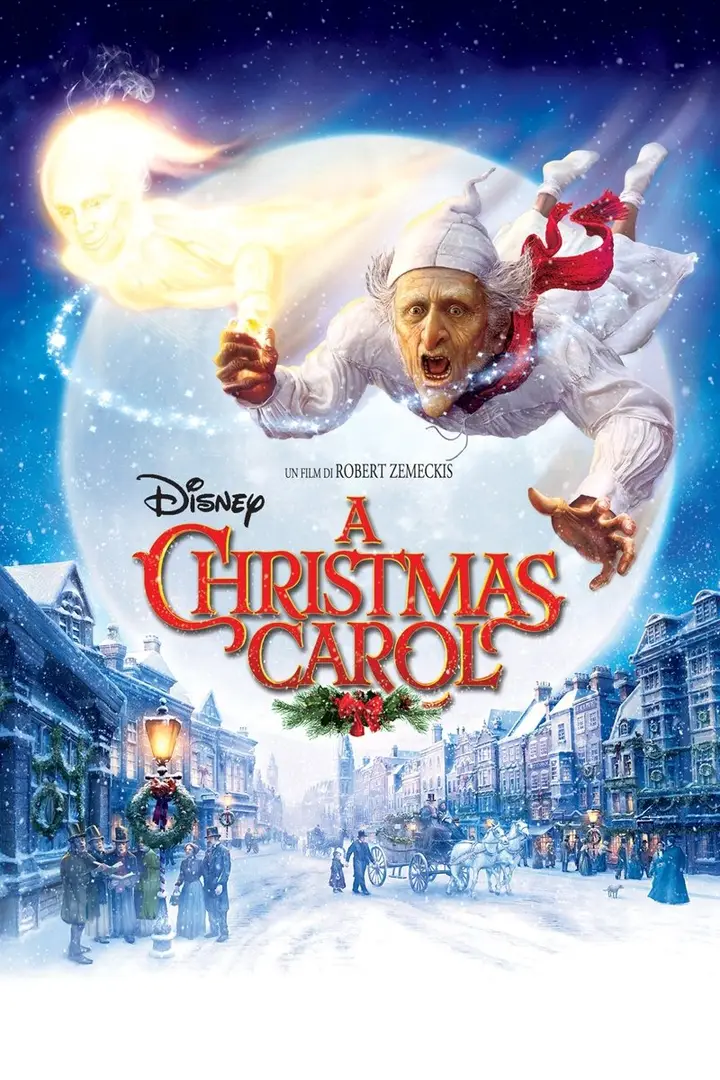
A Christmas Carol
A dark and atmospheric Christmas journey through memory, regret, and the hope of a second chance.
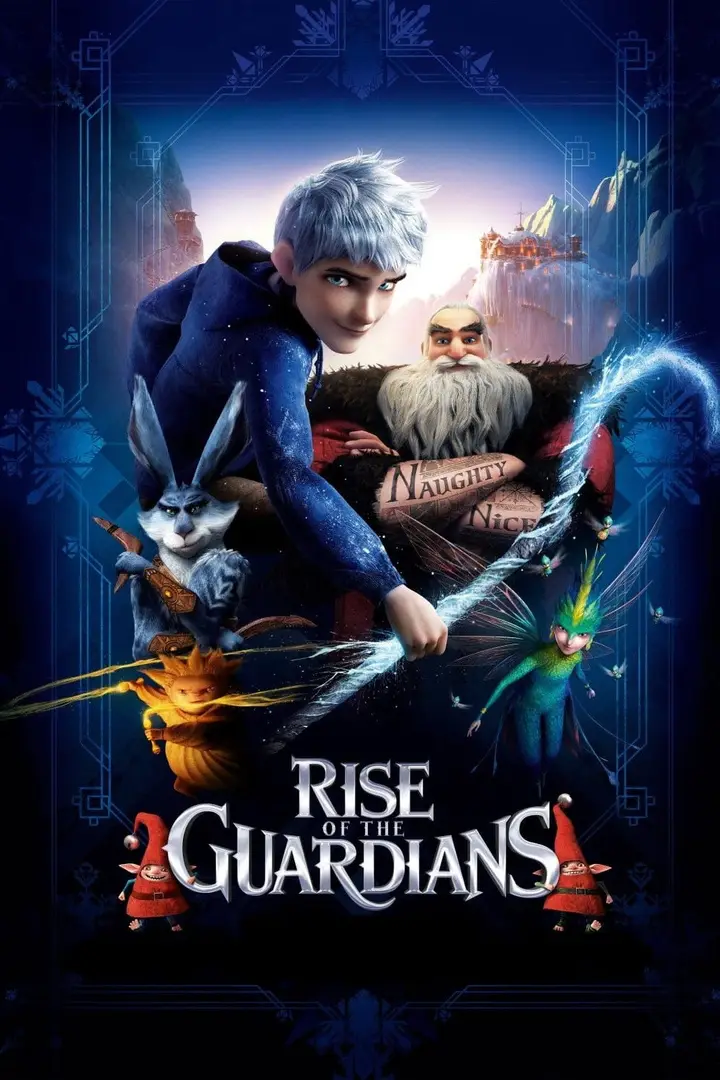
Rise of the Guardians
Dreams, wonder, and childhood legends come together in a beautifully imagined fantasy adventure.
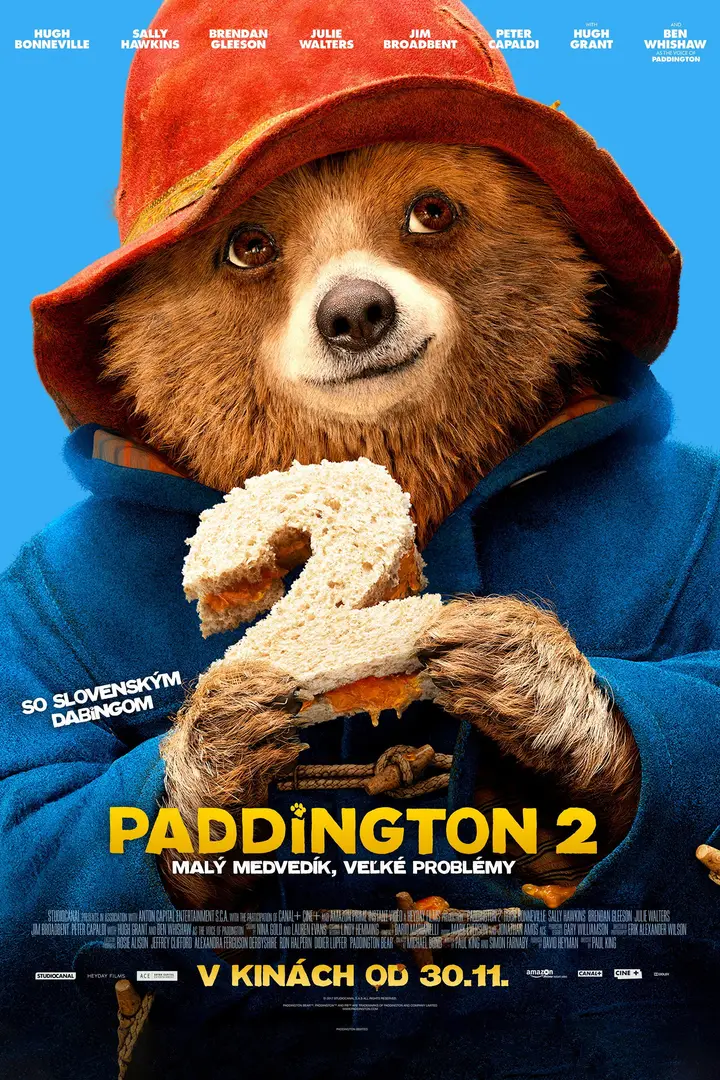
Paddington 2
A charming family adventure where a little bear proves that kindness can remain powerful even when the world is unfair.