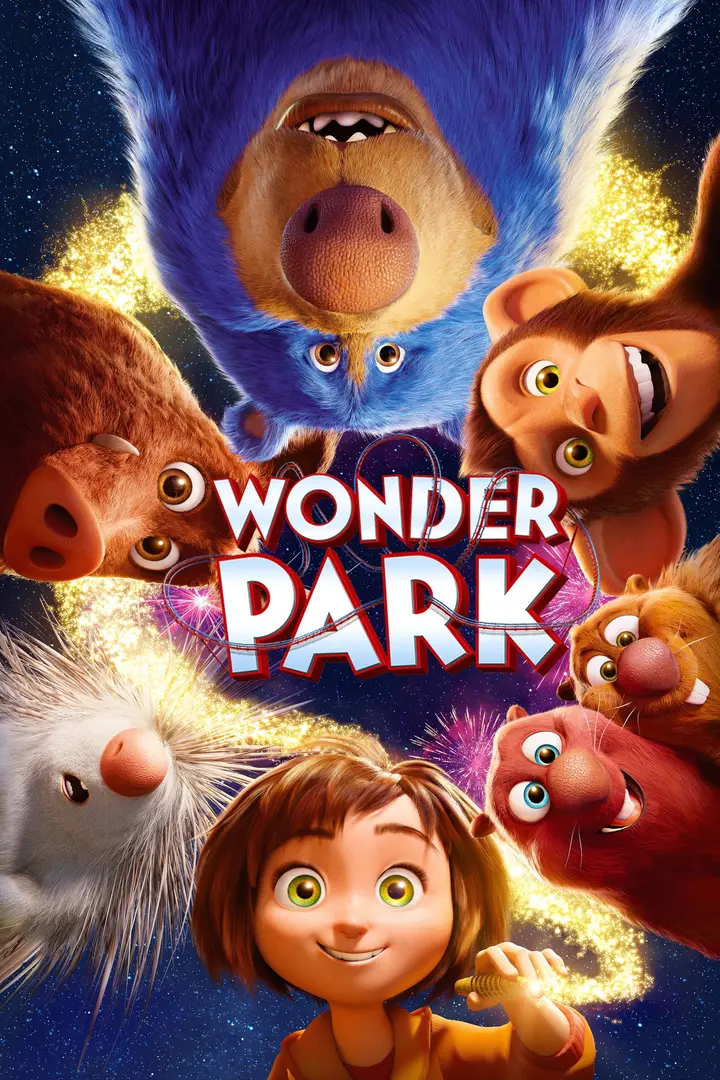
Wonder Park
AgeMinimum 6Recommended 8+
An imaginative theme-park adventure about grief, creativity, and rebuilding the world you once dreamed up.
June, an imaginative girl, dreams up a magical amusement park called Wonderland with her loving mother. But when her mother falls ill and has to leave home for treatment, June sinks into sadness and abandons Wonderland altogether, until she wanders into the nearby forest and discovers her park has come to life.
- Release Year
- 2019
- Runtime
- 85 min
- Studio
- Paramount Animation
- Format
- CGI Animation
- Mood
- Emotional, Magical
- MPAA Rating
- PG
The greatest idea behind Wonder Park is the transformation of a child's imagination into a physical world. Wonderland is not simply an amusement park; it is a place built from drawings, ideas, and creativity, where every attraction, character, and landscape represents the unlimited possibilities of a child creating without restrictions.
The visual identity of the film comes from the feeling of entering a theme park that could only exist inside someone's imagination. Impossible rides, colorful environments, unusual characters, playful architecture, and fantastical landscapes create a world where every corner feels like a new idea becoming real.
Although June's personal journey gives the story its emotional foundation, the film's most distinctive achievement is the creation of a place where imagination has a physical presence. By turning childhood creativity into a world that can be explored, Wonder Park captures the feeling that the ideas children create in their minds can become something larger, more colorful, and more extraordinary than anyone expected.
Why It Stands Out
June and her mother imagined an amusement park together, filling it with impossible rides and talking animals. When June encounters the neglected park, its fading attractions carry the weight of everything she fears losing at home.
Parents’ Insight
June’s imagined amusement park loses its sparkle after her mother becomes ill. June cannot simply imagine her worries away; rebuilding the park becomes part of finding her footing while home feels uncertain.
Parents’ Guide
What to know before you press play
Six things parents ask about, rated on the same scale for every film and series in the collection.
- Scary intensity
- Mild (2 of 5)
- Violence
- None (0 of 5)
- Language
- Minimal (1 of 5)
- Emotional intensity
- Mild (2 of 5)
- Sexual content
- None (0 of 5)
- Substance use
- None (0 of 5)
Content notes
- Mild peril; themes of a parent's illness
Questions Parents Ask
What is Wonder Park about?
June, an imaginative girl, dreams up a magical amusement park called Wonderland with her loving mother. But when her mother falls ill and has to leave home for treatment, June sinks into sadness and abandons Wonderland altogether, until she wanders into the nearby forest and discovers her park has come to life — and is falling apart without her.
What age is Wonder Park suitable for?
The mild peril here feels real without turning grim, appropriate from 6; connecting the pieces of the imaginary-amusement-park mythology June must protect takes real attention, which is why 8 fits better than 6.
Is Wonder Park scary?
- Mild peril
- Themes of a parent's illness
- Parent preview: optional
June's mother's illness and the imaginary amusement park's peril carry genuine emotional weight beneath the film's colorful fantasy.
Is Wonder Park worth watching?
Wonder Park uses a child's abandoned imaginary theme park as a literal, physical metaphor for processing family hardship, giving its whimsical setting genuine emotional undertow. The greatest idea behind Wonder Park is the transformation of a child's imagination into a physical world. Wonderland is not simply an amusement park; it is a place built from drawings, ideas, and creativity, where every attraction, character, and landscape represents the unlimited possibilities of a child creating without restrictions. Impossible rides, colorful environments, unusual characters, playful architecture, and fantastical landscapes create a world where every corner feels like a new idea becoming real. By turning childhood creativity into a world that can be explored, Wonder Park captures the feeling that the ideas children create in their minds can become something larger, more colorful, and more extraordinary than anyone expected.
What is Wonder Park based on?
Wonder Park is not based on a true story, nor on a book. It is based on an original screenplay. It was developed as an original screenplay for Paramount Animation.
Talk About It
June’s abandoned Wonderland reflects grief over her mother’s illness, and restoring the park requires accepting sadness while trusting her imagination again.
- What does June need to understand about grief before treating Wonderland’s darkness as proof that her imagination has failed?
- How do the park animals react to her?
- Would you return to a creation shaped by painful memories?
- What would you tell Peanut inside the darkness?
- How does June’s relationship with her mother shape the way she understands Wonderland?
- How does Boomer help despite fear?
- How can June reconnect with Peanut without asking him to hide the fear and sadness her voice created?
- Why must June accept being the creator?
Turn this film into a ready-to-use class discussion
Use the Teacher Resources already attached to this film. Choose the questions you want, then print, copy or share the result.
Similar Movies
The LEGO Movie and Cloudy with a Chance of Meatballs match the imagination-driven spectacle most directly. Inside Out and Meet the Robinsons bring grief or resilience into the core, while The House of Magic and The Book of Life keep whimsy and visual invention close.
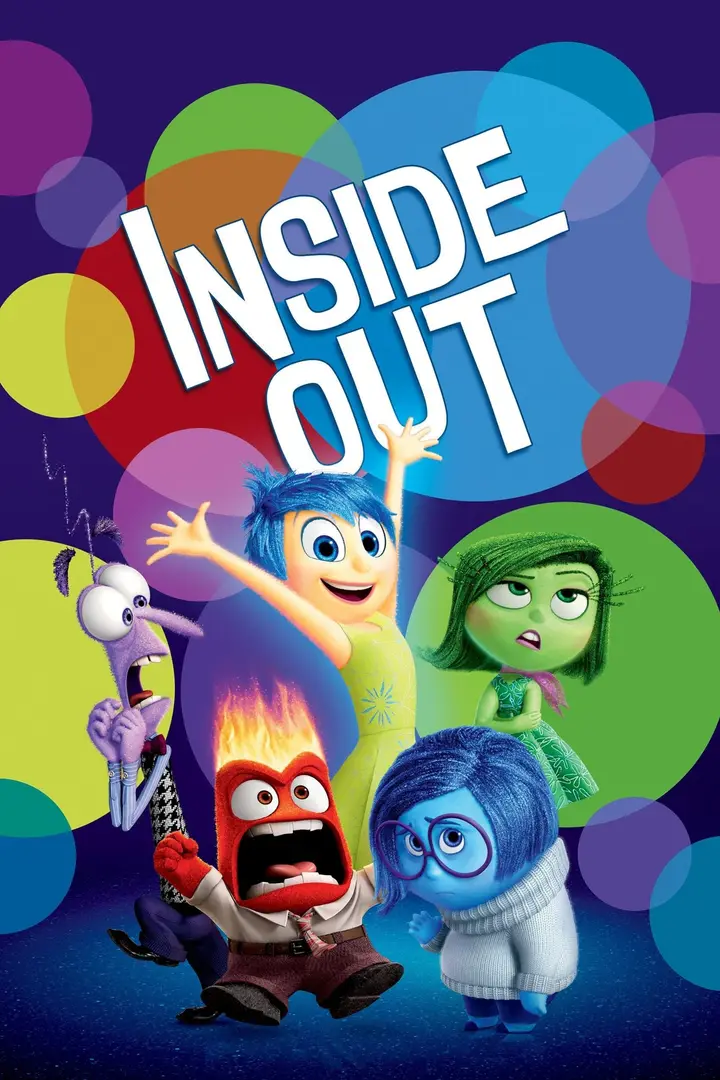
Inside Out
Extraordinary imagination and emotional insight transform the inner workings of the mind into a funny, touching, and remarkably perceptive story about growing up.
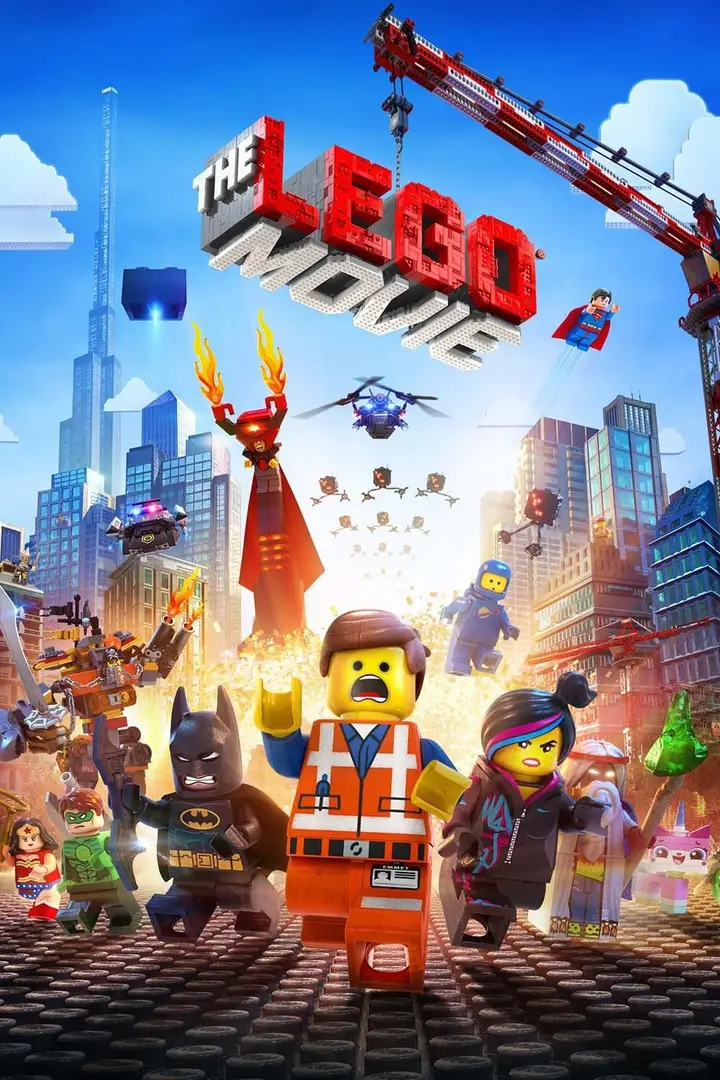
The LEGO Movie
Boundless imagination, delightfully layered humor, and remarkable creativity transform a world of plastic bricks into an adventure as entertaining as it is astonishingly clever.
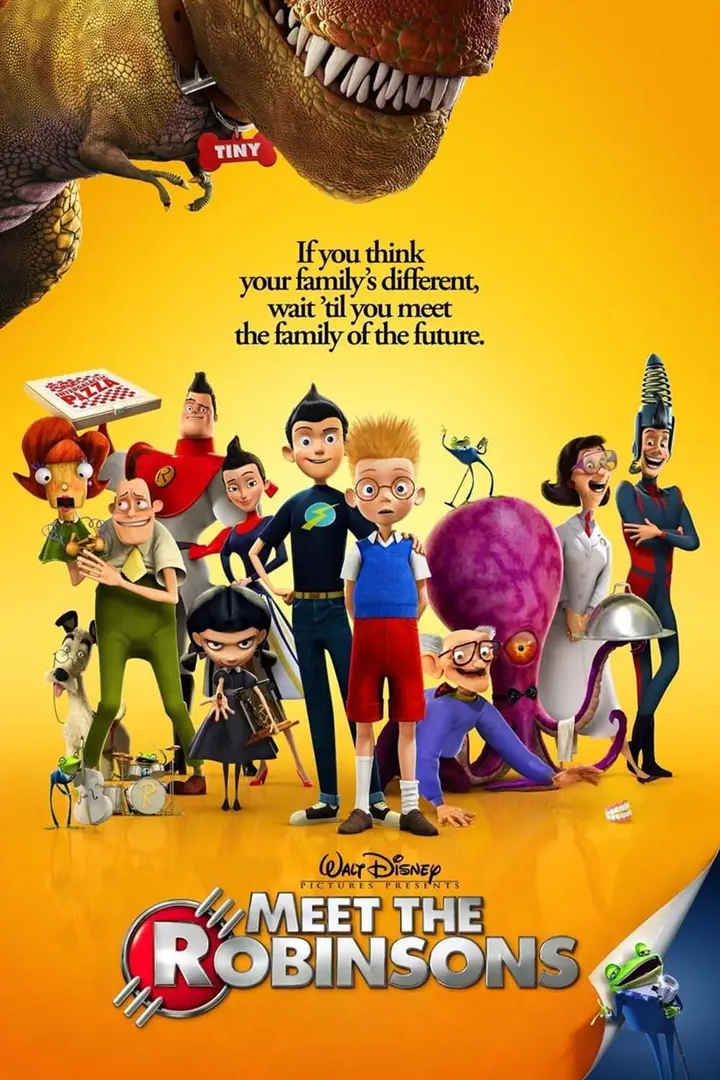
Meet the Robinsons
An imaginative journey through the future helps one lonely inventor discover where he belongs.
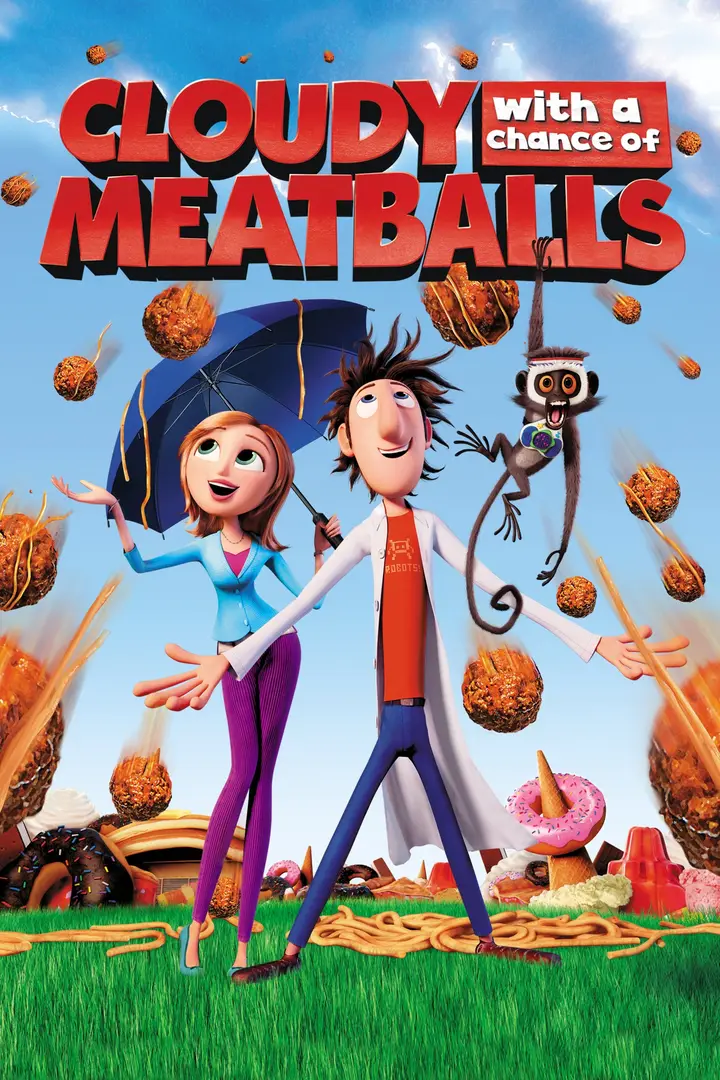
Cloudy with a Chance of Meatballs
Wild inventions, unlikely heroes, and delicious chaos fuel a comedy where every solution creates an even bigger problem.
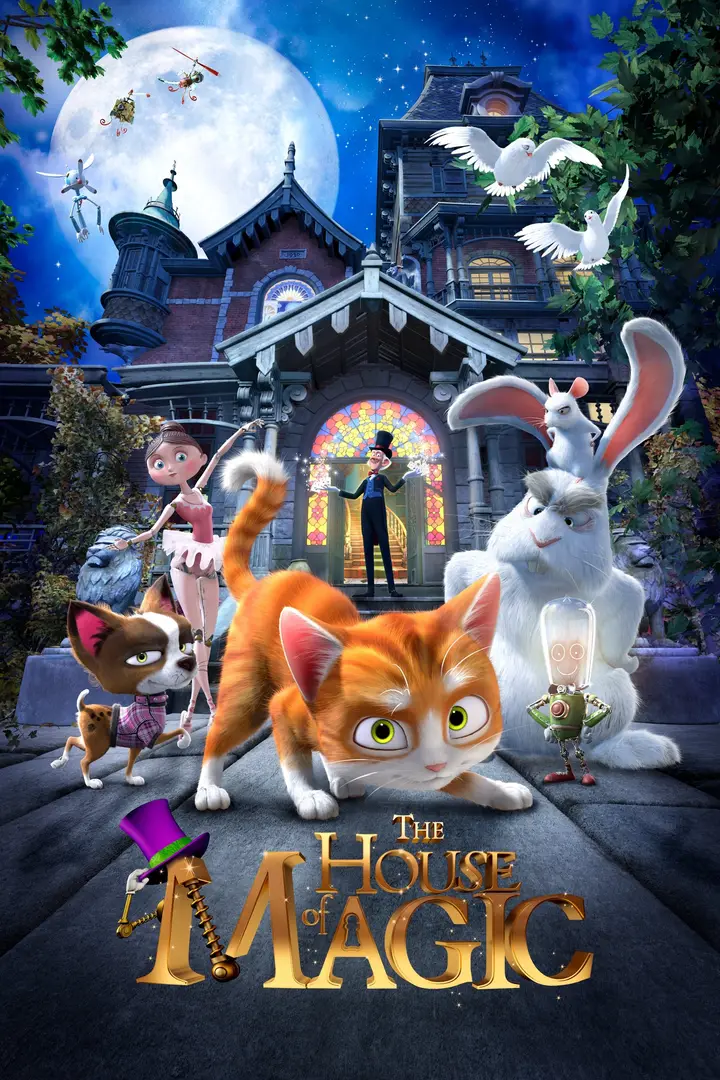
The House of Magic
A cozy mystery-adventure about found family, second chances, and standing up for the home you've come to love.
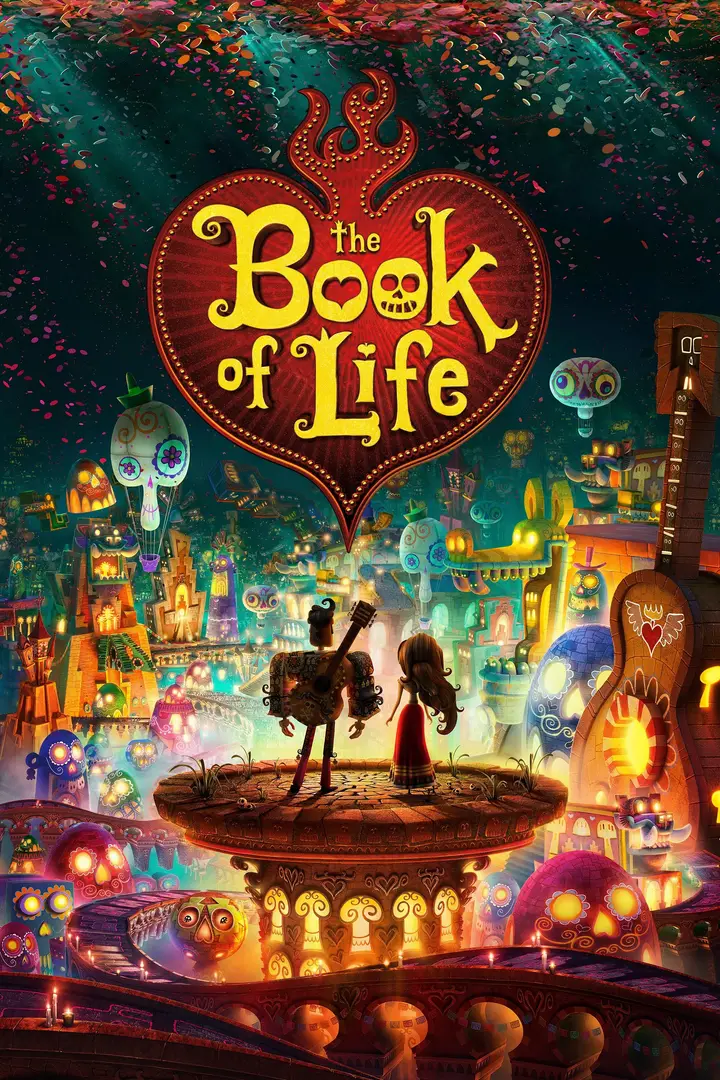
The Book of Life
Warm colors, infectious music, and a beautifully imagined world of the living and the dead.