Ultraman: Rising
AgeMinimum 8Recommended 8+
Giant-monster spectacle meets the tiny, demanding realities of caring for someone else in an animated superhero story with a surprising heart.
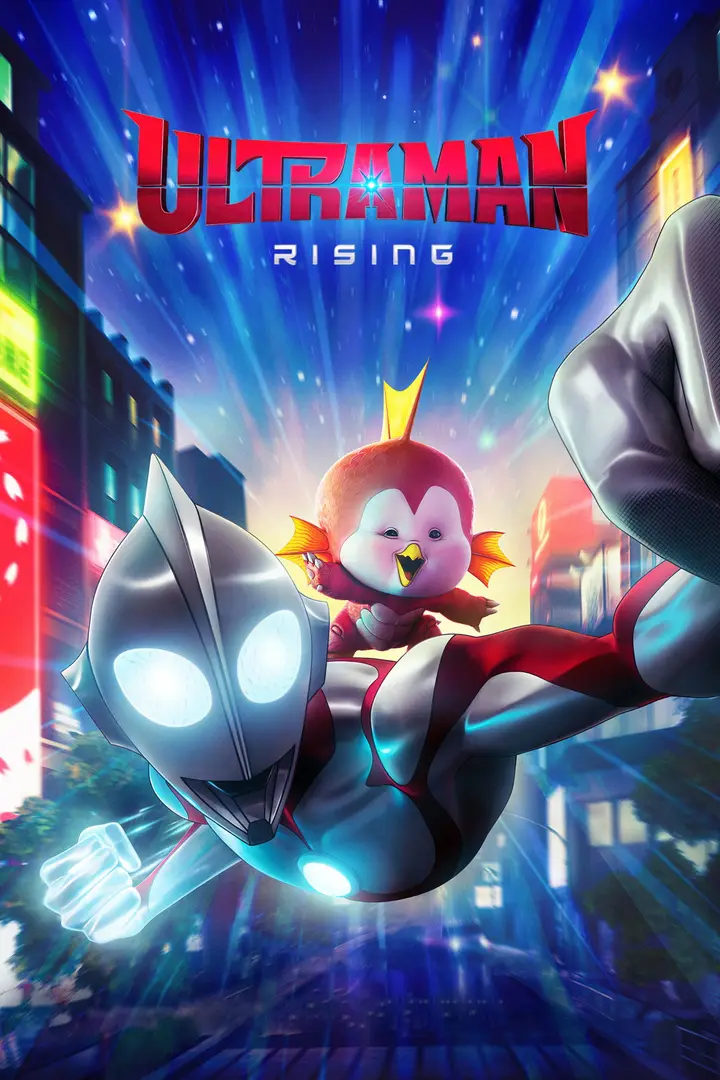
Ken Sato is a famous baseball player who returns to Tokyo to take on the role of Ultraman, defending the city from giant monsters. When he discovers a baby kaiju in need of protection, Ken must balance his duties as a hero with the unexpected demands of caring for a creature that depends on him.
- Release Year
- 2024
- Runtime
- 117 min
- Format
- CGI Animation
- Mood
- Warm, Intense
- MPAA Rating
- PG
Ken Sato has spent much of his life focused on achievement and keeping emotional distance from others. As a successful baseball star and the latest person to inherit the Ultraman role, he is comfortable performing in front of crowds and facing enormous challenges, but he has little experience with the everyday patience required to care for someone else.
His life changes when he encounters Emi, a young kaiju connected to the creatures he is expected to battle. Instead of seeing her only as a danger, Ken becomes responsible for protecting her and keeping her safe. The experience places him in a role he never expected, where attention, trust and emotional connection become just as important as physical strength.
The film combines the spectacle of classic kaiju adventures with a more personal family story. Tokyo provides the scale for superhero action and monster battles, but the relationship between Ken and Emi gives the adventure its emotional center. Beneath the giant creatures and city-wide conflicts is a story about learning that caring for someone can change the person providing that care.
Why It Stands Out
Ultraman: Rising gives the kaiju genre a family-focused perspective by making caregiving part of the superhero journey. The film combines giant-monster spectacle with a story about connection, maturity and the unexpected responsibilities that can reshape a person’s life.
Parents’ Insight
Ken’s relationship with Emi develops as he learns that protecting someone involves more than power or ability. His experience shows how patience, trust and everyday care can become as important as any heroic action.
Parents’ Guide
What to know before you press play
Six things parents ask about, rated on the same scale for every film and series in the collection.
- Scary intensity
- Mild (2 of 5)
- Violence
- Moderate (3 of 5)
- Language
- Minimal (1 of 5)
- Emotional intensity
- Mild (2 of 5)
- Sexual content
- None (0 of 5)
- Substance use
- Minimal (1 of 5)
Content notes
- Kaiju action and sustained peril
Questions Parents Ask
What age is Ultraman: Rising suitable for?
Minimum age: 8. Recommended age: 8+. Emi is injured and hunted, Ken's father is badly hurt, his mother is missing, and the climax includes destructive combat and a self-destruct explosion.
Is Ultraman: Rising scary?
- It contains frequent giant-monster action, military attacks, injuries, explosions and sustained peril. The emotional threat to Emi may affect children more than the stylized combat
- Graphic violence
Kaiju are struck by missiles, Emi cries and is injured, and the Defense Force attacks Ken's home. A villain remembers his dead family before a large explosion; there is no gore, but the action and family danger remain intense.
What is Ultraman: Rising based on?
The film uses the established Ultraman hero and kaiju tradition but introduces Ken Sato, Emi and its parenting-focused plot for this production. Viewers do not need prior franchise knowledge to follow it.
What is Ultraman: Rising about?
Ken returns to Japan while struggling with fame, his superhero duties and an estranged relationship with his father. Raising Emi forces him to protect the very creatures he once treated as enemies, while the Kaiju Defense Force tries to use her to locate and destroy the monsters' home.
Is Ultraman: Rising worth watching?
It is a visually ambitious superhero adventure for older children who enjoy kaiju action, baseball and stories about responsibility and compassionate parenting. Ken's care for Emi gives the large-scale battles an unusual emotional center and reframes heroism as protection rather than victory. The family reconciliation and questions about coexistence offer substance beyond the action.
Talk About It
Ken Sato comes back to Tokyo as a celebrated baseball player and inherits the role of Ultraman at the same time — then finds himself raising a baby kaiju, Emi, rather than fighting her. Use the film to discuss the difference between the strength needed to fight and the patience needed to look after someone, and what it costs a person to take that on.
- Ken returns to Tokyo as a famous player and inherits the Ultraman role at the same time. Which pressure looked heavier?
- Ken ends up looking after a baby kaiju rather than fighting it. What changes for him because of that?
- Emi needs feeding, minding and constant attention. Which part of caring for her looked hardest?
- The Defense Force sees every kaiju as a danger. Are they wrong?
- Ken is used to being admired by crowds. Why is that not much help with Emi?
- Ken and his father have unfinished business. What would you say to a parent in that situation?
- The film is full of enormous monster fights. Did the big battles or the quiet scenes stay with you more?
- Baseball keeps returning as an image in the film. What do you think it is being used to say?
Turn this film into a ready-to-use class discussion
Use the Teacher Resources already attached to this film. Choose the questions you want, then print, copy or share the result.
Similar Movies
Family responsibility sits inside the superhero action of Big Hero 6 and The Incredibles. The Iron Giant makes compassion for a powerful outsider the heart of the comparison, whereas Godzilla and Godzilla vs. Kong push the recommendations toward much larger-scale creature spectacle.
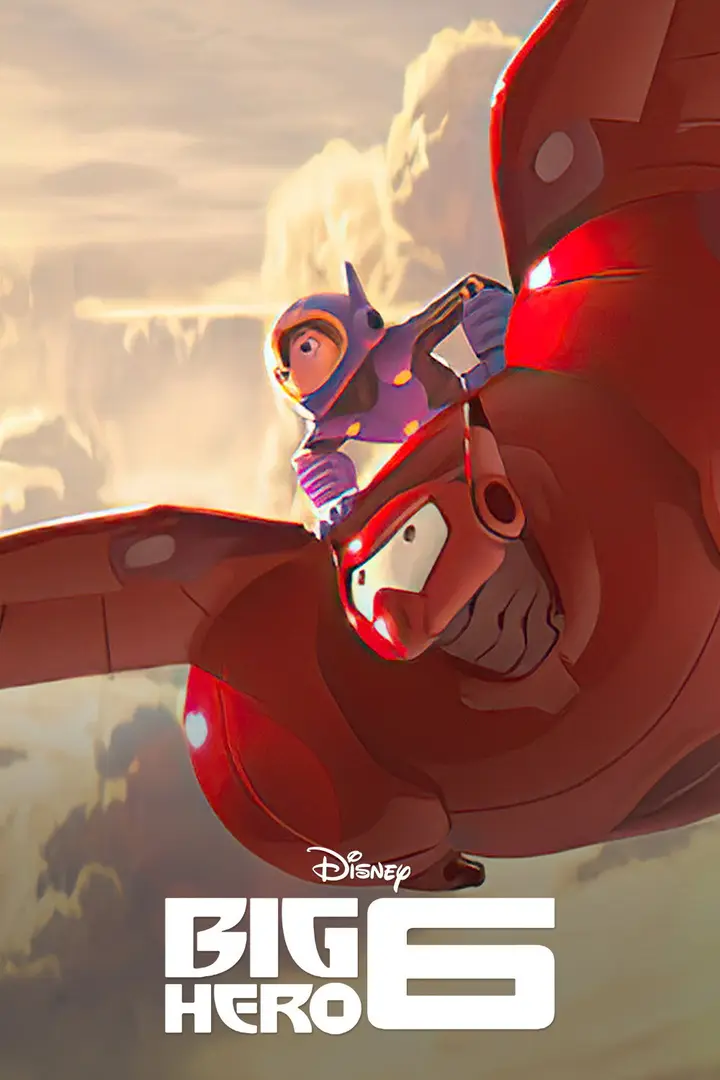
Big Hero 6
Humor, invention, and one of Disney's most lovable characters transform a superhero adventure into a heartfelt story about friendship, loss, and healing.
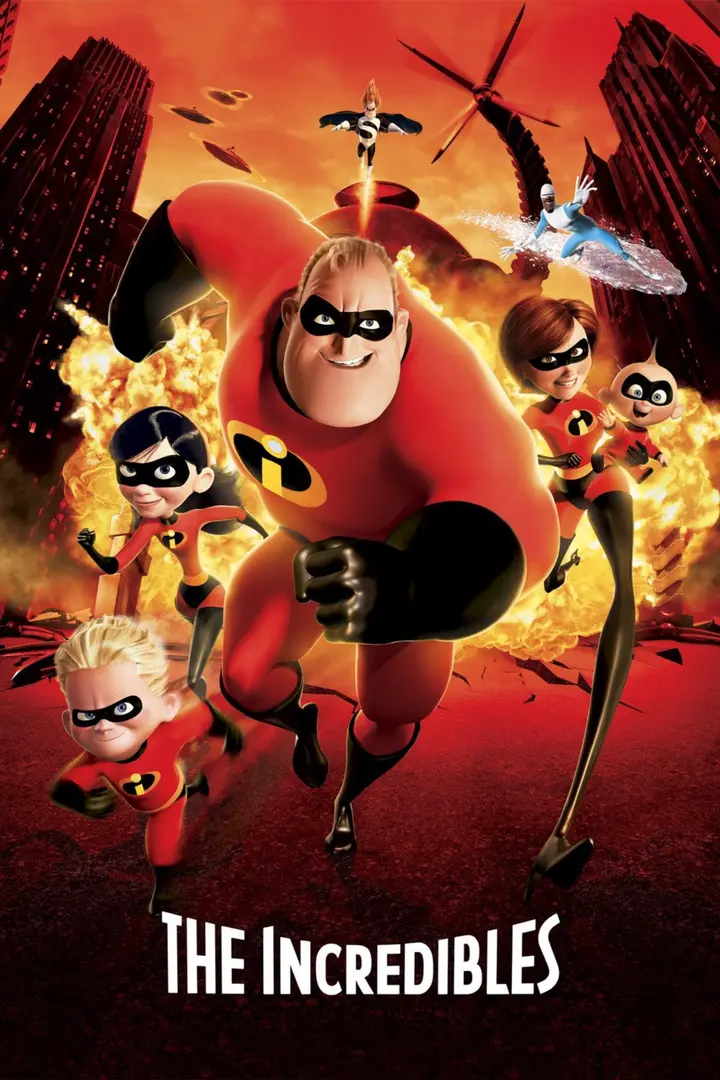
The Incredibles
Superpowers, midlife crises, family chaos, and one of animation's smartest portrayals of modern parenthood, marriage, and the quiet fear of being ordinary.
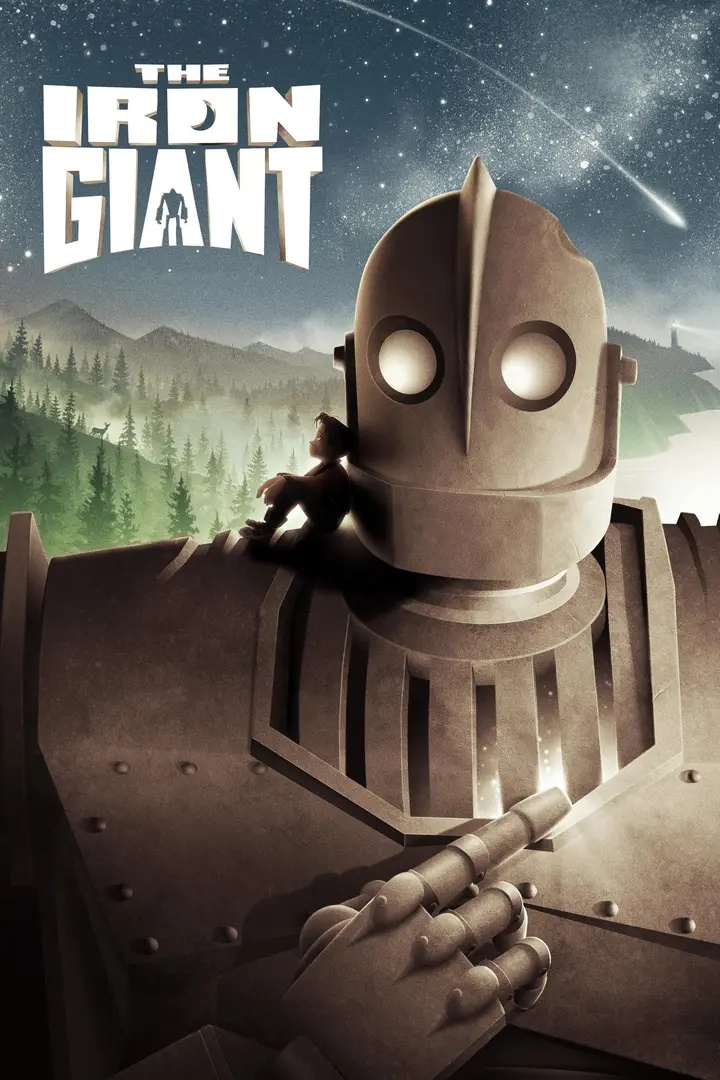
The Iron Giant
A lonely boy and a giant machine from the stars discover friendship, compassion and the frightening responsibility of choosing who we become.
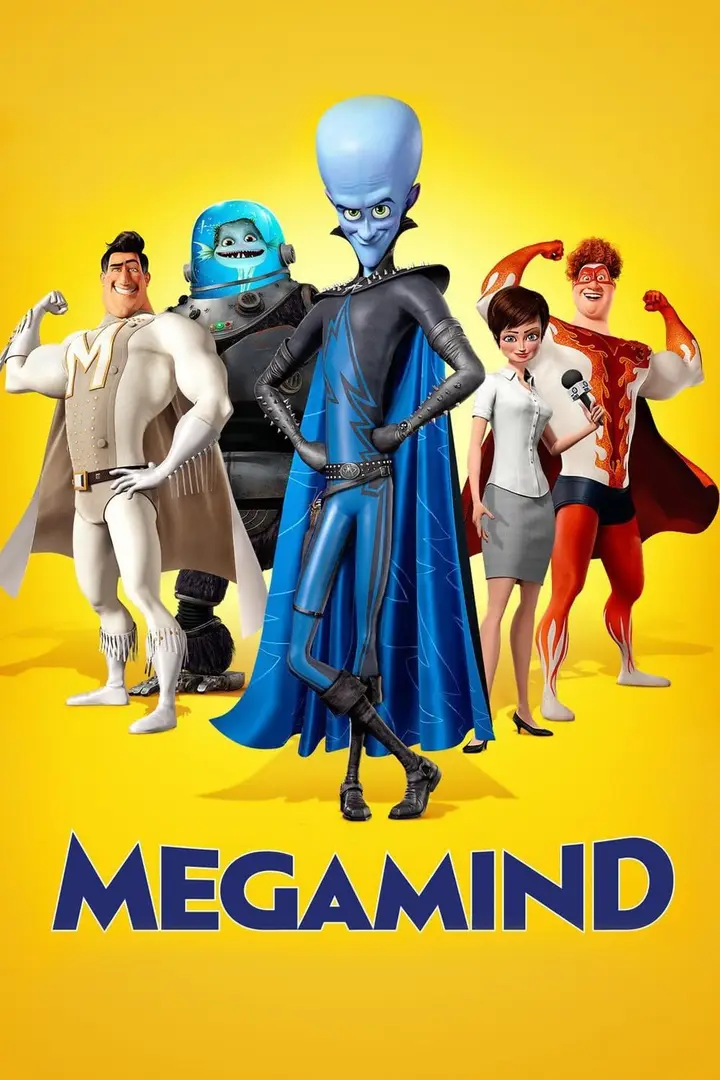
Megamind
What happens after the villain finally wins proves far more interesting than expected.
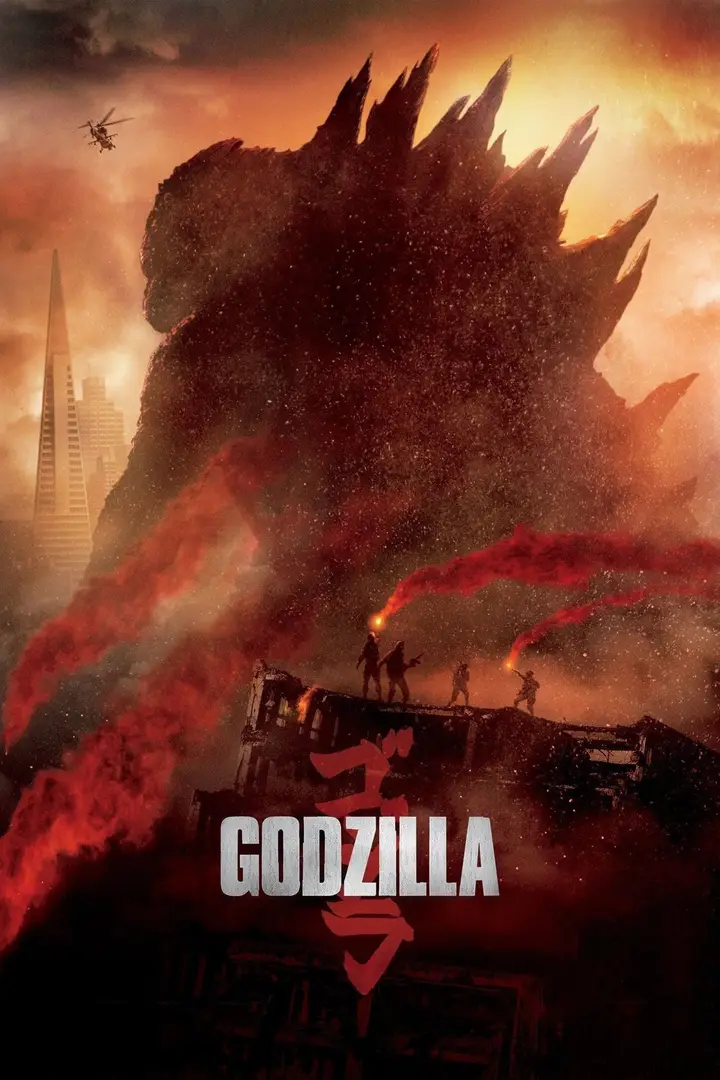
Godzilla
A mysterious science fiction adventure where ancient creatures, hidden worlds, and a forgotten balance reveal a planet far greater than humanity imagined.
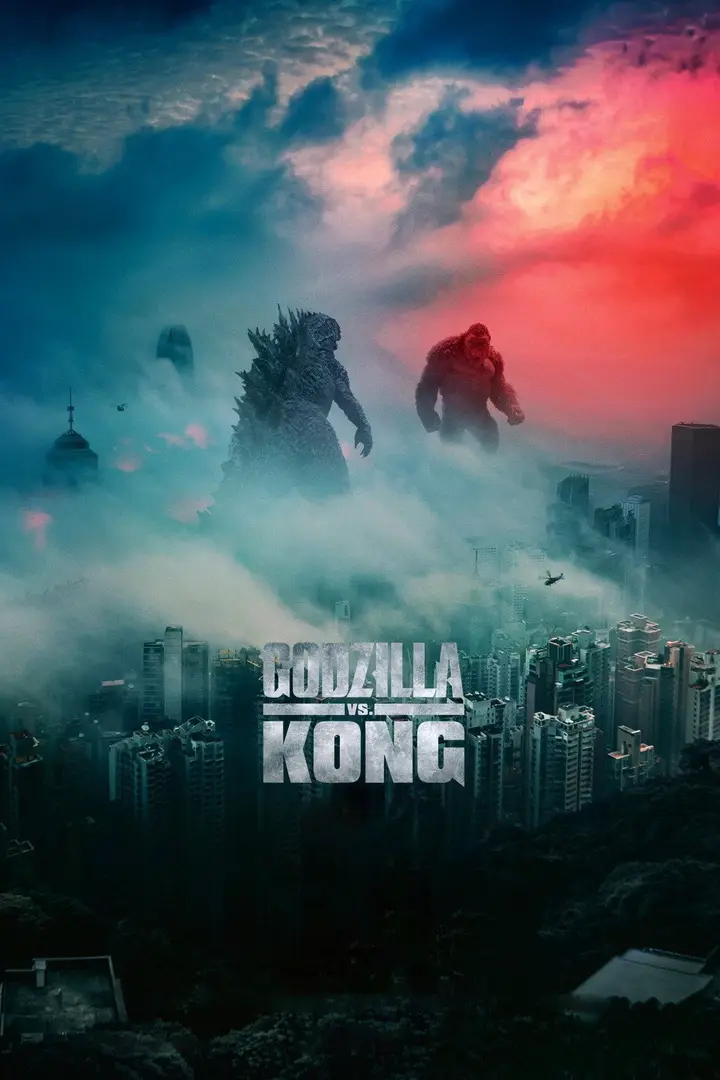
Godzilla vs. Kong
An epic science fiction adventure of ancient rivals, hidden worlds, and two powerful Titans discovering that survival requires more than victory.