Turning Red
AgeMinimum 10Recommended 10+
A funny and heartfelt coming-of-age story about family, friendship, identity, and learning to embrace every part of yourself.
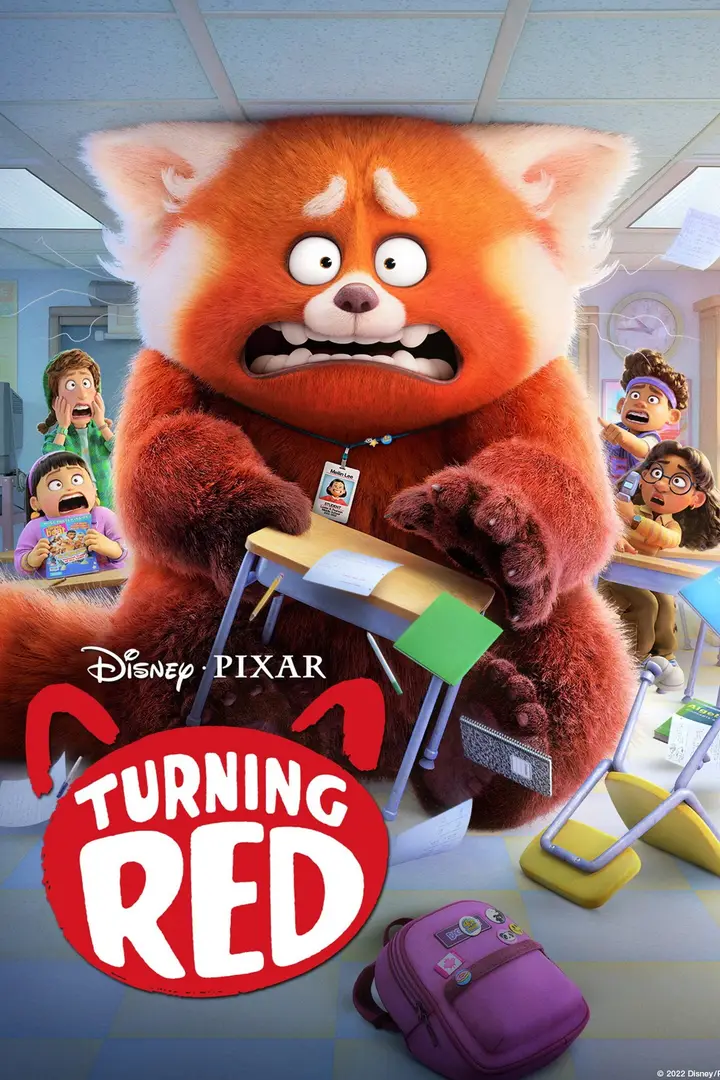
When 13-year-old Meilin begins transforming into a giant red panda whenever her emotions run high, her carefully balanced life starts to unravel. As family expectations, friendships, independence, and adolescence collide, Mei must decide which parts of herself she wants to hold onto.
- Release Year
- 2022
- Runtime
- 100 min
- Studio
- Pixar Animation Studios
- Format
- CGI Animation
- Genre
- Comedy, Animation
- Mood
- Playful
- MPAA Rating
- PG
Turning Red captures Toronto in 2002 through school, family routines and boy-band excitement. Mei is a conscientious daughter and an exuberant teenager, trying to satisfy her mother's expectations while enjoying the company of her closest friends. Her sudden transformation into a giant red panda makes that conflict impossible to conceal.
The animation turns embarrassment, excitement and frustration into energetic visual comedy. Abrupt expressions and exaggerated movements echo the intensity of Mei's changing feelings. Her friends respond with curiosity and loyalty, offering a kind of support that differs from the protection her family provides.
The film also gives Mei's mother a history and fears of her own. Their disagreements grow from affection, expectations and the difficulty of allowing a child greater independence. Its portrait of adolescence makes room for mistakes, personal interests and the complicated work of understanding one another.
Why It Stands Out
The film captures the awkwardness, intensity, and contradictions of adolescence with honesty. These experiences aren’t treated as problems to overcome, but as integral parts of growing up and learning to accept yourself.
Parents’ Insight
One of the stranger moments in growing up comes from realizing that parents have their own unfinished stories. The distance between generations can feel smaller once that becomes visible.
Parents’ Guide
What to know before you press play
Six things parents ask about, rated on the same scale for every film and series in the collection.
- Scary intensity
- Minimal (1 of 5)
- Violence
- None (0 of 5)
- Language
- Minimal (1 of 5)
- Emotional intensity
- Minimal (1 of 5)
- Sexual content
- None (0 of 5)
- Substance use
- Mild (2 of 5)
Content notes
- Adolescent themes and conflict; Some emotional intensity
Parent guidance
Frank puberty and emotional themes, generally suitable for older children
Questions Parents Ask
What is Turning Red about?
When 13-year-old Meilin begins transforming into a giant red panda whenever her emotions run high, her carefully balanced life starts to unravel. As family expectations, friendships, independence, and adolescence collide, Mei must decide which parts of herself she wants to hold onto. Struggling to balance her mother's expectations with her own teenage life, a thirteen-year-old discovers she transforms into a giant red panda whenever she loses emotional control.
What age is Turning Red suitable for?
Minimum age: 10. Recommended age: 10+. Around 10, children can comfortably follow Mei's giant-red-panda transformations and better appreciate the mother-daughter conflict behind the film's metaphor for puberty and generational trauma.
Is Turning Red scary?
- Adolescent themes and conflict
- Some emotional intensity
- Parent preview: optional
Mei's giant-red-panda transformations and her mother-daughter conflict carry real emotional intensity around puberty, handled with humor and warmth.
Is Turning Red worth watching?
The film captures the awkwardness, intensity, and contradictions of adolescence with honesty. These experiences aren't treated as problems to overcome, but as integral parts of growing up and learning to accept yourself. One of the stranger moments in growing up comes from realizing that parents have their own unfinished stories. The distance between generations can feel smaller once that becomes visible. Set in Toronto during the early 2000s, Turning Red blends comedy, fantasy, family drama, and pop-culture nostalgia into a vivid portrait of adolescence. Bright colors, energetic pacing, and affectionate references to the era give the film a distinctive personality. Embarrassment, excitement, frustration, independence, and self-discovery all become larger than life, reflecting how overwhelming this stage of life can feel. Friendships, family tensions, personal interests, and changing priorities are portrayed with warmth, humor, and understanding.
What is Turning Red based on?
Turning Red is an original story inspired in part by director Domee Shi's adolescence and relationship with her mother; it is not a direct true-story adaptation. It was developed as an original screenplay for Pixar, drawing on director Domee Shi's own teenage years in Toronto.
Talk About It
Mei’s red-panda transformation collides with her mother’s expectations and 4*Town friendship, forcing her to integrate family inheritance with adolescence.
- Why does Mei hide the panda?
- How do her friends respond?
- Would you remove a part of yourself others feared?
- What would you tell Ming before the concert?
- Why does the family perform the ritual?
- How does Jin support Mei?
- Which friendship moment matters most?
- Why does Mei keep her panda?
Turn this film into a ready-to-use class discussion
Use the Teacher Resources already attached to this film. Choose the questions you want, then print, copy or share the result.
Similar Movies
Inside Out and Inside Out 2 make adolescence and inner change the core comparison. Luca and Encanto approach identity through family and belonging; The Mitchells vs. the Machines adds parent-child friction, and Kiki's Delivery Service offers a quieter independence story.
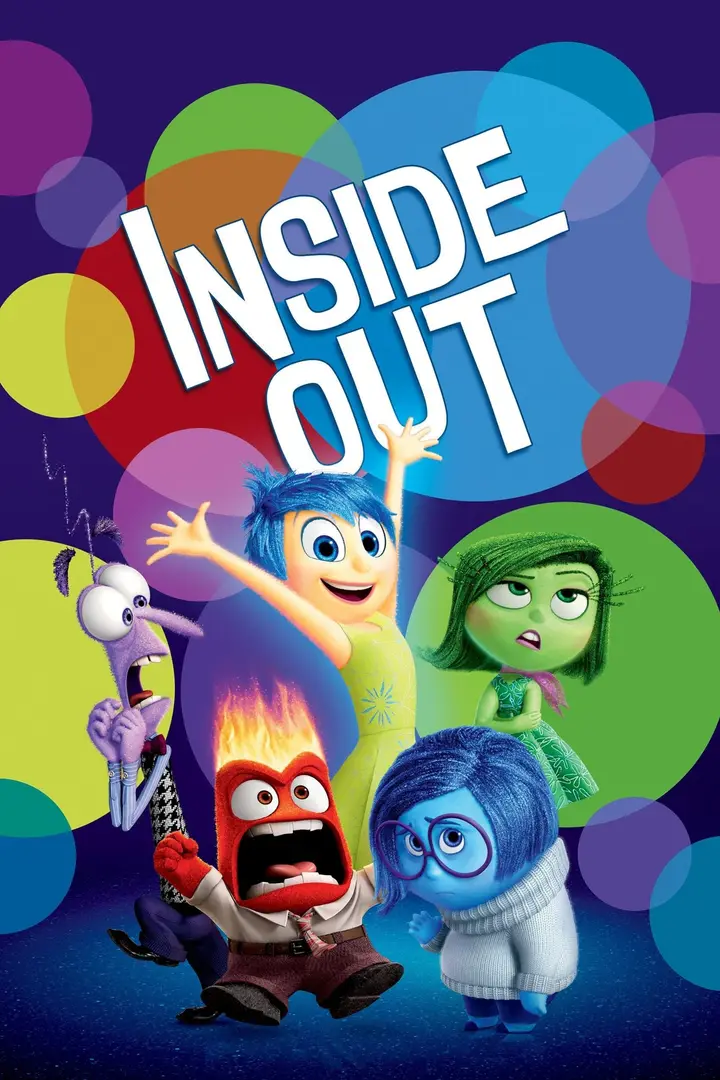
Inside Out
Extraordinary imagination and emotional insight transform the inner workings of the mind into a funny, touching, and remarkably perceptive story about growing up.
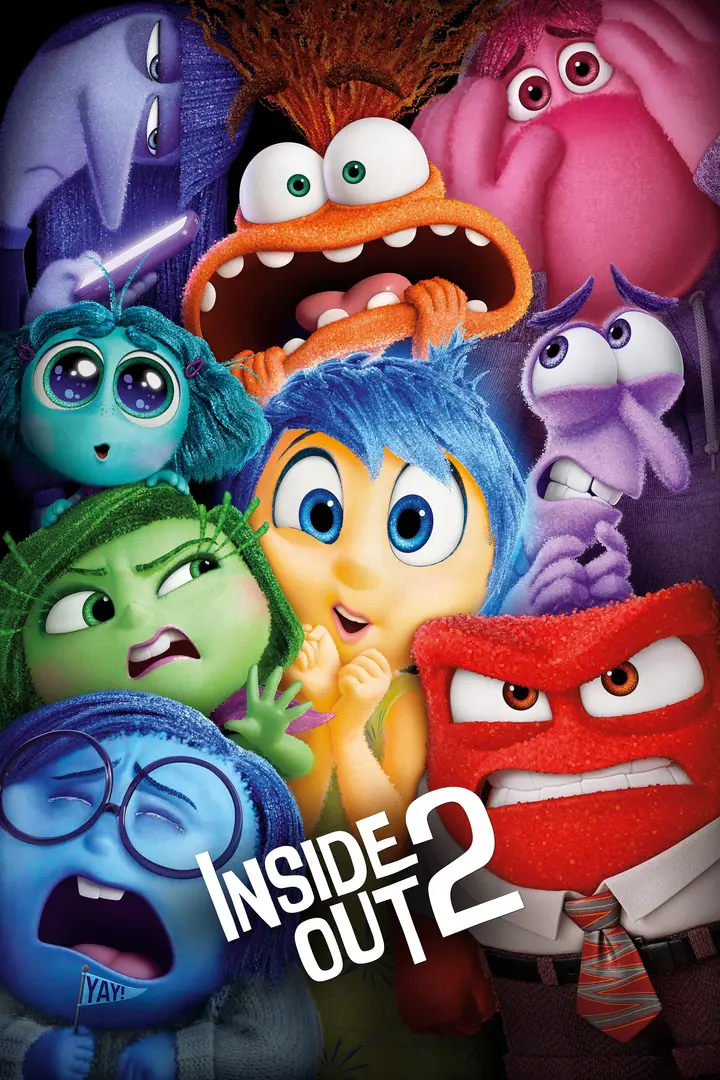
Inside Out 2
A thoughtful fantasy adventure of new emotions, shifting identity, and the challenge of growing into a new version of yourself.
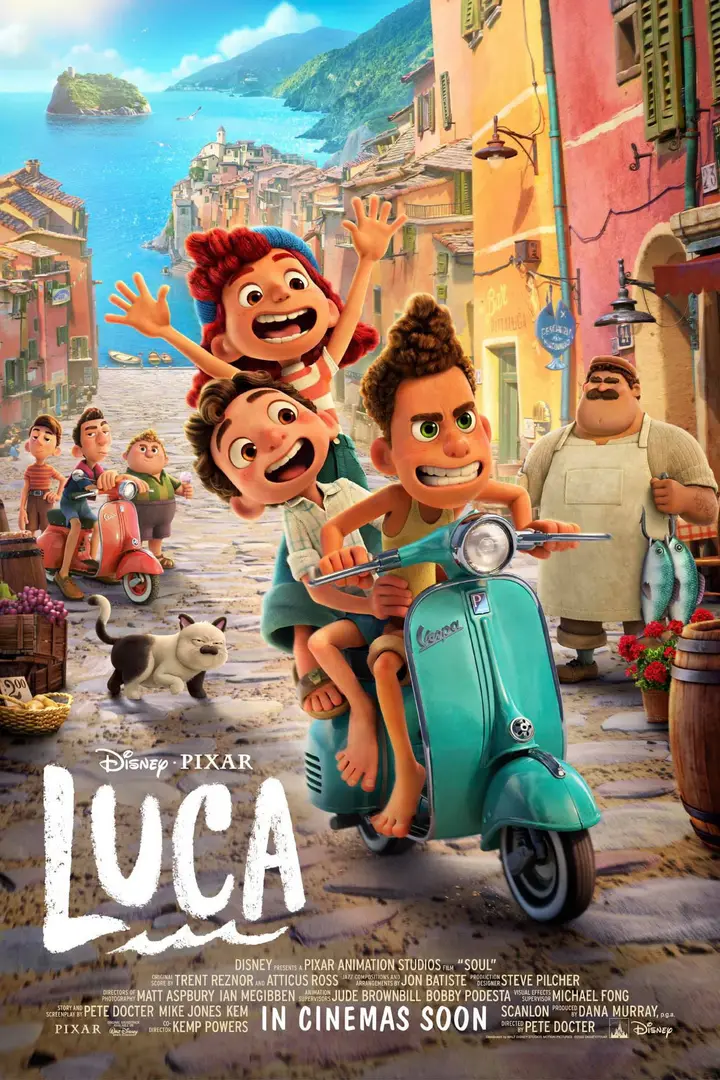
Luca
A warm and sunlit coming-of-age adventure about friendship, belonging, and discovering the world beyond our fears.
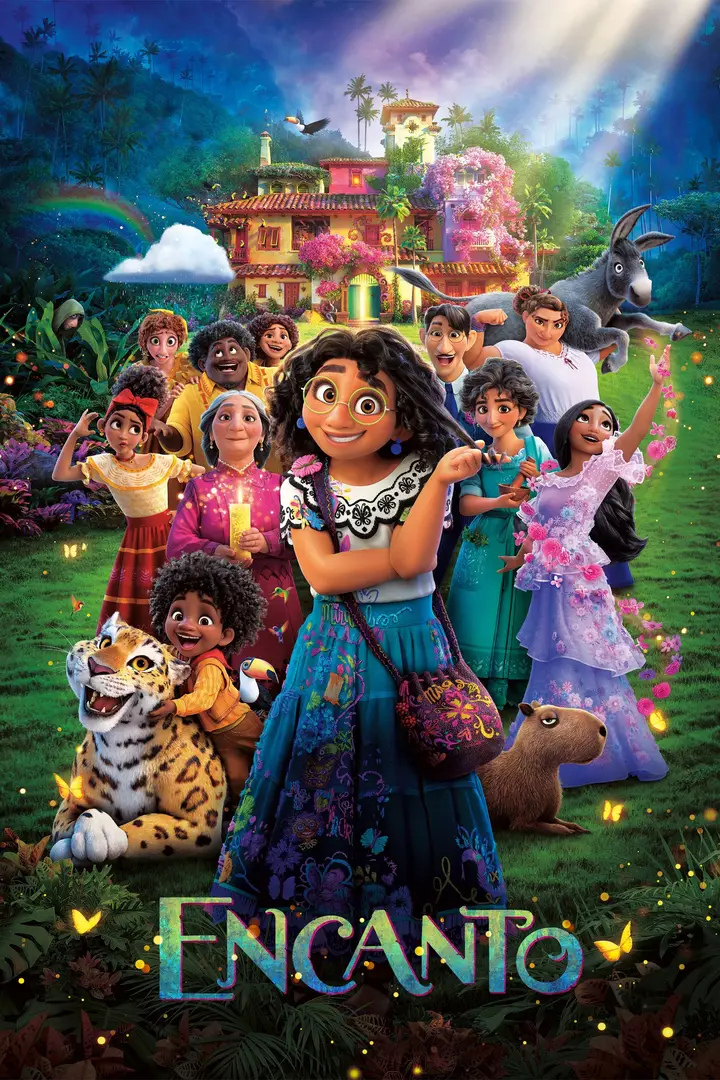
Encanto
Bursting with color, music, humor, and heart, Encanto transforms family life into a magical adventure about love, acceptance, and seeing one another clearly.
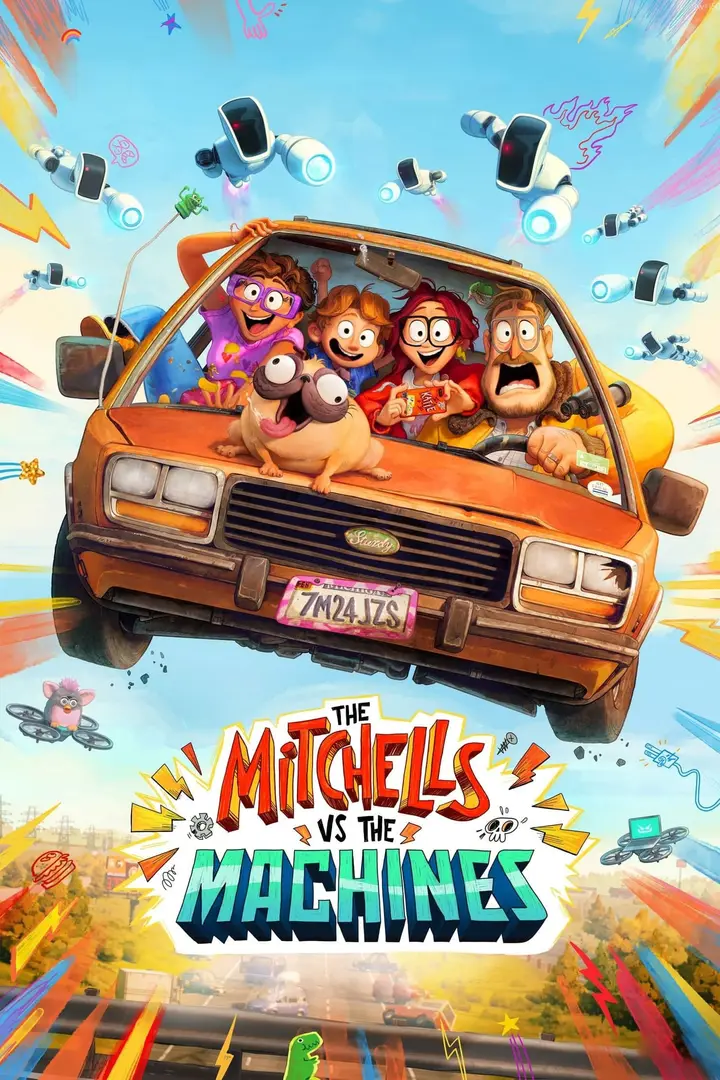
The Mitchells vs. the Machines
Chaotic, hilarious, and endlessly inventive, The Mitchells vs. the Machines celebrates creativity, family, and the wonderfully strange people who understand us best.
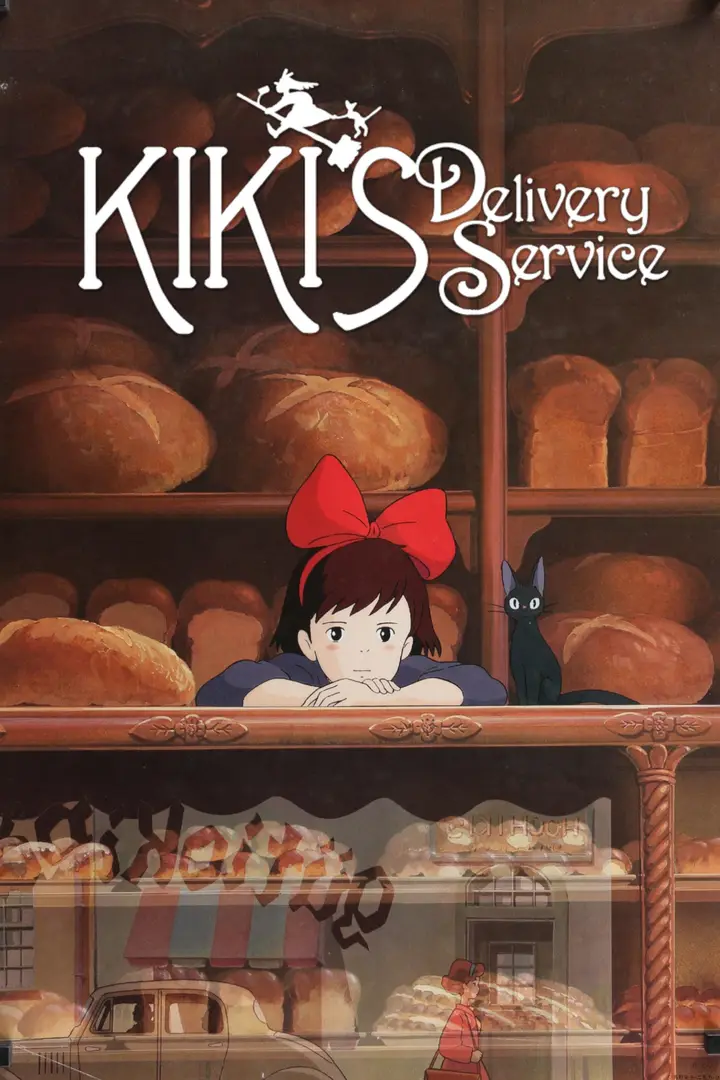
Kiki's Delivery Service
Soaring music, the warmth of a welcoming seaside town, and the gentle rhythms of everyday life create a deeply comforting coming-of-age fantasy about finding your place in the world.