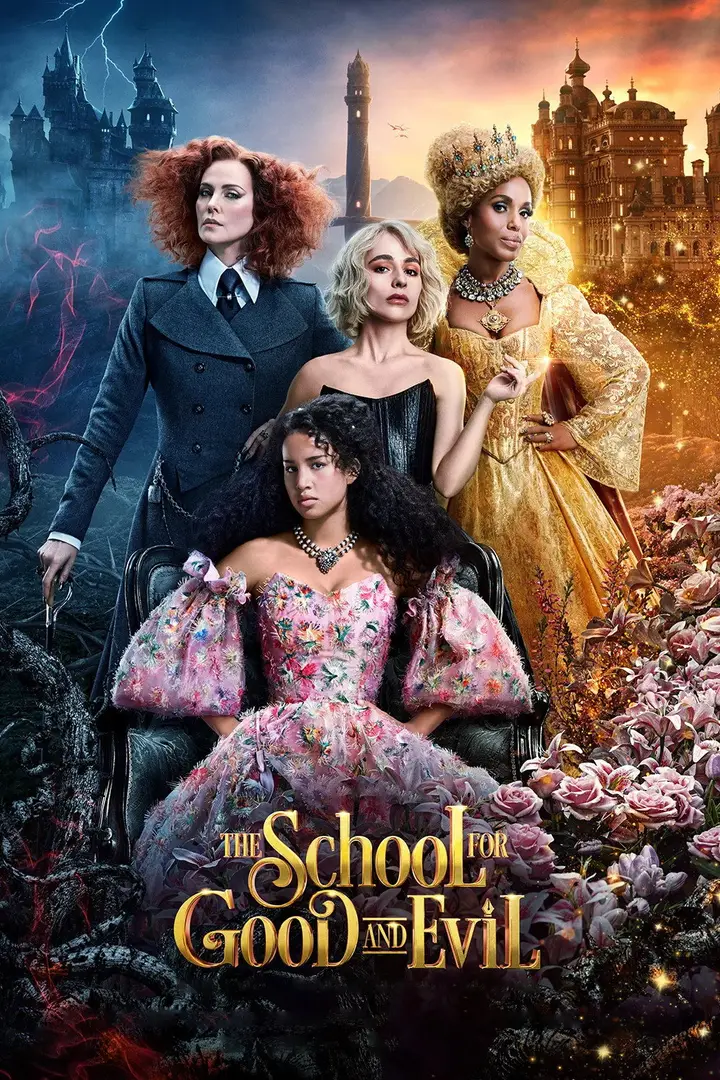
The School for Good and Evil
AgeMinimum 11Recommended 11+
A lavish fairy-tale fantasy with magical spectacle, playful rivalry and a friendship that must find its place in a world of heroes, villains and impossible choices.
Sophie and Agatha are best friends from the village of Gavaldon who are unexpectedly taken to the School for Good and Evil, where future heroes and villains are trained. When Sophie is placed in the School for Evil and Agatha in the School for Good, they struggle with expectations that do not match who they believe they are and begin discovering that identity is more complicated than a fairy-tale label.
- Release Year
- 2022
- Runtime
- 147 min
- Format
- Live Action
- Mood
- Warm, Magical
- MPAA Rating
- PG-13
Sophie dreams of a life beyond the ordinary world of Gavaldon, imagining the beauty, glamour and adventure of a traditional fairy tale. Agatha, who feels more comfortable away from that world, becomes her closest companion when the two girls are taken to the School for Good and Evil. There they enter a place built around a clear division: heroes belong on one side, villains on the other.
The school challenges everything the girls expected. Sophie finds herself surrounded by lessons and students that do not match her vision of the future, while Agatha struggles with a world that seems determined to decide who she should become. Magical classes, rivalries and fairy-tale traditions create an environment where every student is expected to follow a familiar path.
At the center of the story is the friendship between Sophie and Agatha. Their different personalities and ambitions pull them in opposite directions, but their connection remains something the school’s rules cannot easily define. The fantasy setting provides the spectacle, while the emotional focus comes from two friends trying to understand themselves and each other in a world that wants simple answers.
Why It Stands Out
The School for Good and Evil takes familiar fairy-tale ideas and turns them into a world where heroism and villainy are treated as roles to be learned. Its magical school setting creates a visually rich adventure while exploring the difference between the identity others expect and the person someone truly becomes.
Parents’ Insight
Sophie and Agatha’s experiences show how difficult it can be when others decide who someone is before understanding them. Their friendship highlights the importance of looking beyond labels and recognizing the qualities that make each person unique.
Parents’ Guide
What to know before you press play
Six things parents ask about, rated on the same scale for every film and series in the collection.
- Scary intensity
- Moderate (3 of 5)
- Violence
- Moderate (3 of 5)
- Language
- Mild (2 of 5)
- Emotional intensity
- Mild (2 of 5)
- Sexual content
- None (0 of 5)
- Substance use
- Mild (2 of 5)
Content notes
- Fantasy violence, frightening images and language
Questions Parents Ask
What age is The School for Good and Evil suitable for?
Older preteens familiar with darker fantasy may manage it around 11, but sensitive viewers may be better waiting. Characters are stabbed, burned, attacked by plants and monsters, magically disintegrated and placed in repeated life-threatening trials.
Is The School for Good and Evil scary?
- This is a violent and frequently intense fantasy, with blood, murder, magical transformations, frightening monsters and repeated threats to teenage characters
- Graphic violence
Students face weapon fights, fire, biting plants, a scythe-wielding pumpkin creature and large battles. People are stabbed or magically destroyed, buildings bleed and collapse, and several scenes show visible blood despite the fairy-tale setting.
What is The School for Good and Evil based on?
The film keeps Sophie, Agatha, the two schools and the central reversal of their expected roles. It condenses and changes characters, relationships and events to fit a single feature-length adaptation.
What is The School for Good and Evil about?
Sophie believes she belongs with the princesses but is assigned to Evil, while the misunderstood Agatha enters Good and wants to return home. Their efforts to change places expose a dangerous sorcerer, challenge the academy's rules and test whether friendship can survive ambition and manipulation.
Is The School for Good and Evil worth watching?
It is a lengthy dark-fantasy adventure for older children and teens interested in magical schools, fairy-tale ethics and an intense friendship story. Sophie and Agatha's reversed placements raise useful questions about whether goodness comes from appearance, rules or choices. The elaborate world and strong leads may engage fantasy fans, but the 147-minute runtime and sustained violence make it a demanding family selection.
Talk About It
Best friends Sophie and Agatha are taken from their village to a school that trains future heroes and villains — and the sorting puts Sophie, who dreams of being a princess, in the School for Evil, and Agatha, who wants none of it, in the School for Good. Use the film to discuss what happens when an institution decides who you are, and whether a friendship can survive being told it is impossible.
- Sophie wants to be a princess and is sent to the School for Evil. Agatha wants no part of it and is sent to the School for Good. Why do you think the school sorted them that way round?
- The school teaches that everyone is either good or evil. Do you think that is true of real people?
- Sophie and Agatha are separated and told they are opposites. What keeps their friendship going anyway?
- Sophie starts making choices that fit her new school. Was she becoming evil, or becoming what she had been told she was?
- In Gavaldon both girls were outsiders, but for different reasons. Which of them do you think had it harder?
- Students are trained to play a role in a story rather than to make their own decisions. What would you find hardest about that?
- Agatha keeps refusing what the School for Good offers her. Is she being difficult, or being honest?
- The film is full of spectacle — costumes, magic, transformations. Did that add to the story or distract from it?
Turn this film into a ready-to-use class discussion
Use the Teacher Resources already attached to this film. Choose the questions you want, then print, copy or share the result.
Similar Movies
Harry Potter and the Philosopher's Stone is the most obvious school-of-magic companion, with Miss Peregrine's Home for Peculiar Children offering another institution for unusual young people. Maleficent and Narnia widen the set toward morally complicated fairy-tale fantasy.
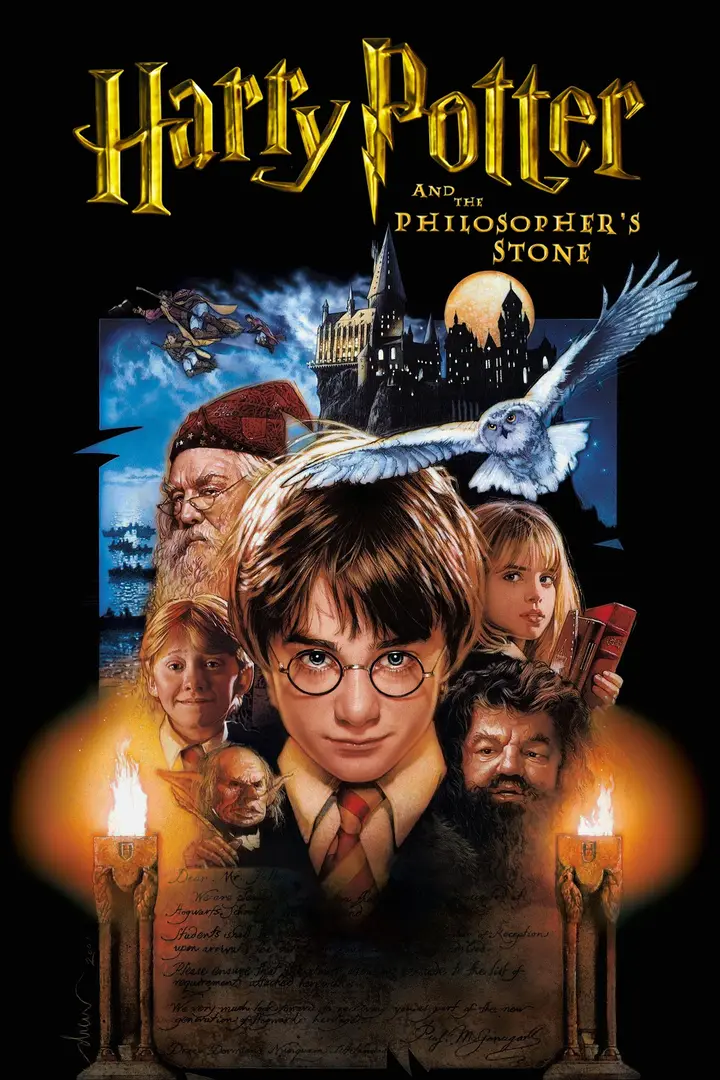
Harry Potter and the Philosopher's Stone
A magical journey where a lonely boy discovers that the world he never knew existed is the place where he was always meant to belong.
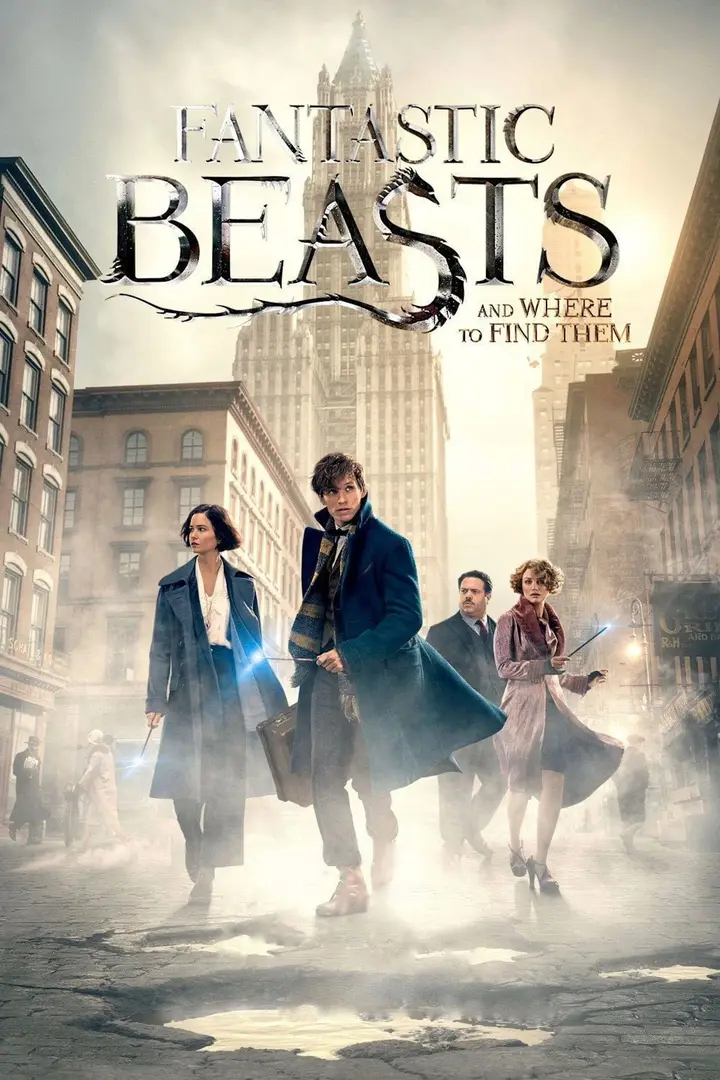
Fantastic Beasts and Where to Find Them
A richly imagined magical adventure about outsiders, hidden creatures, and the courage to protect what others fear.
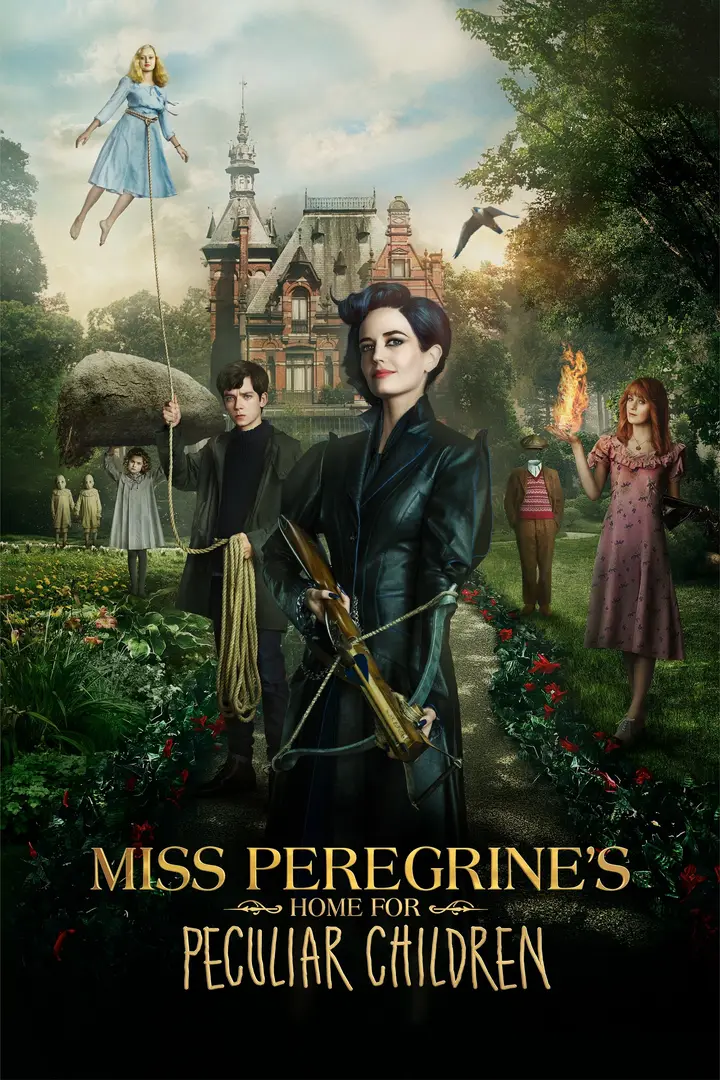
Miss Peregrine's Home for Peculiar Children
A mysterious house, a hidden island, and a group of extraordinary children draw Jacob into a world where one day can last forever.
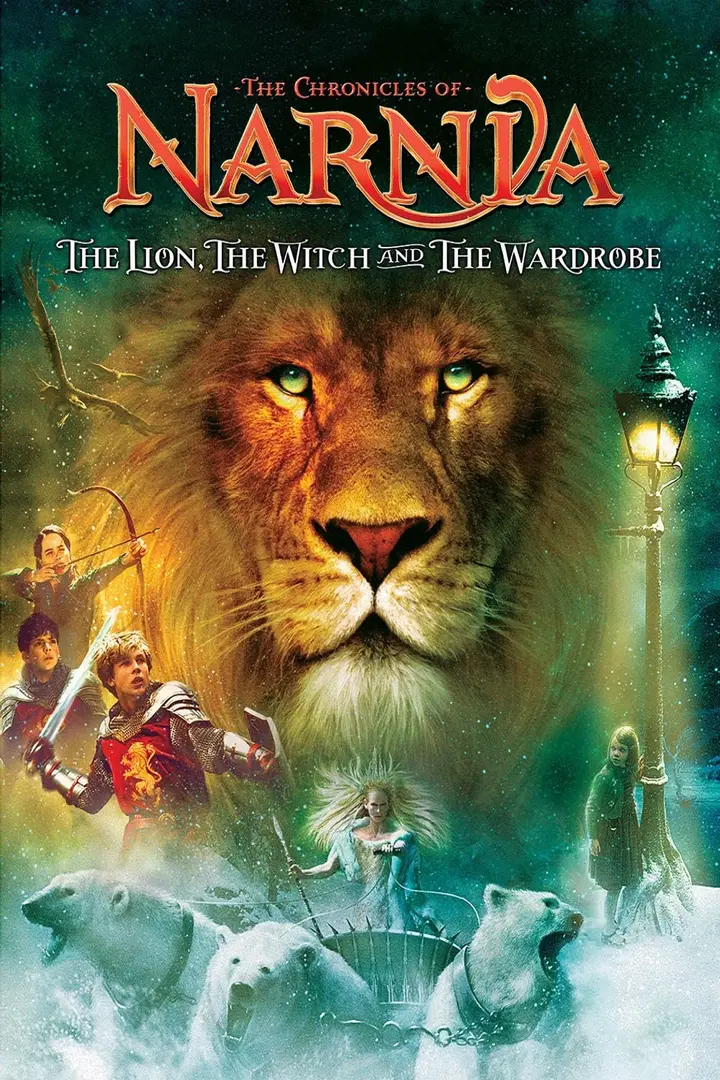
The Chronicles of Narnia: The Lion, the Witch and the Wardrobe
A magical fantasy adventure where four siblings enter a hidden realm of mythical creatures, ancient legends, and a journey that reveals courage beyond imagination.
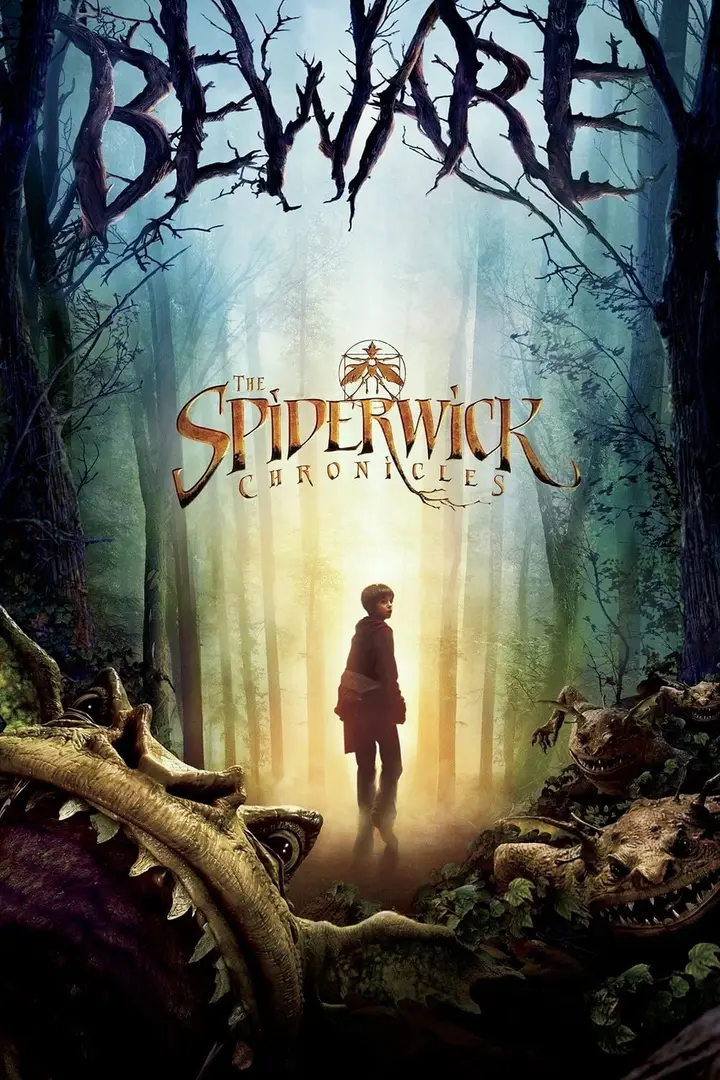
The Spiderwick Chronicles
A darker family fantasy about sibling loyalty, hidden worlds, and the courage it takes to protect the people you love.
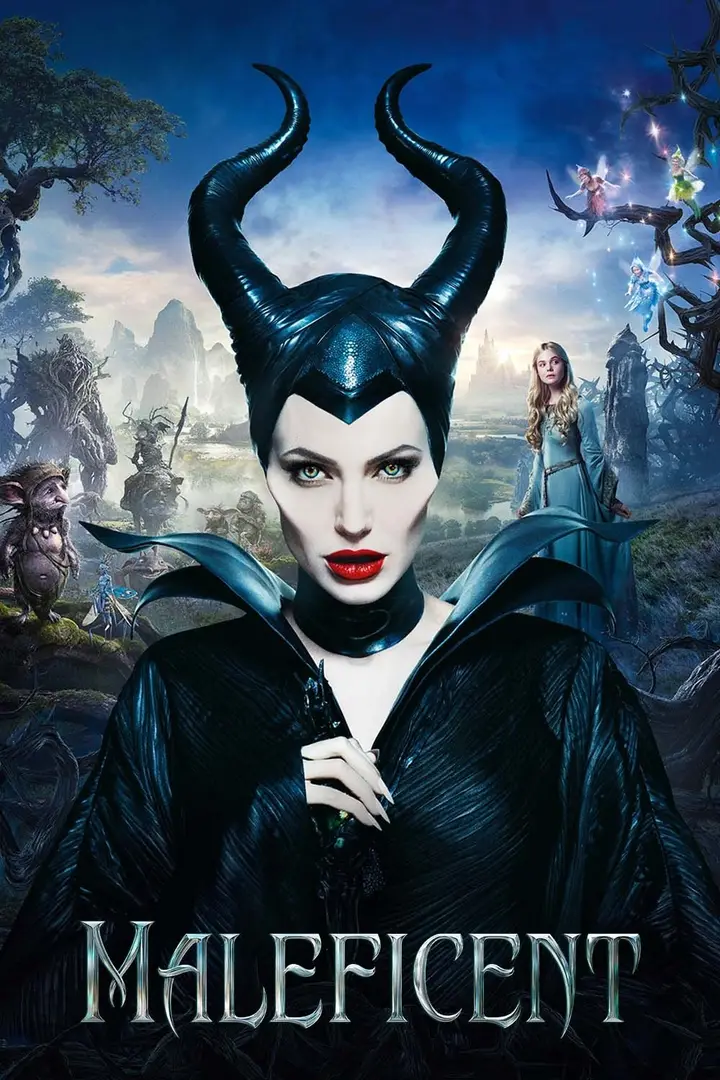
Maleficent
A dark fairy-tale retelling about betrayal, protection, and rediscovering love after everything you trusted breaks.