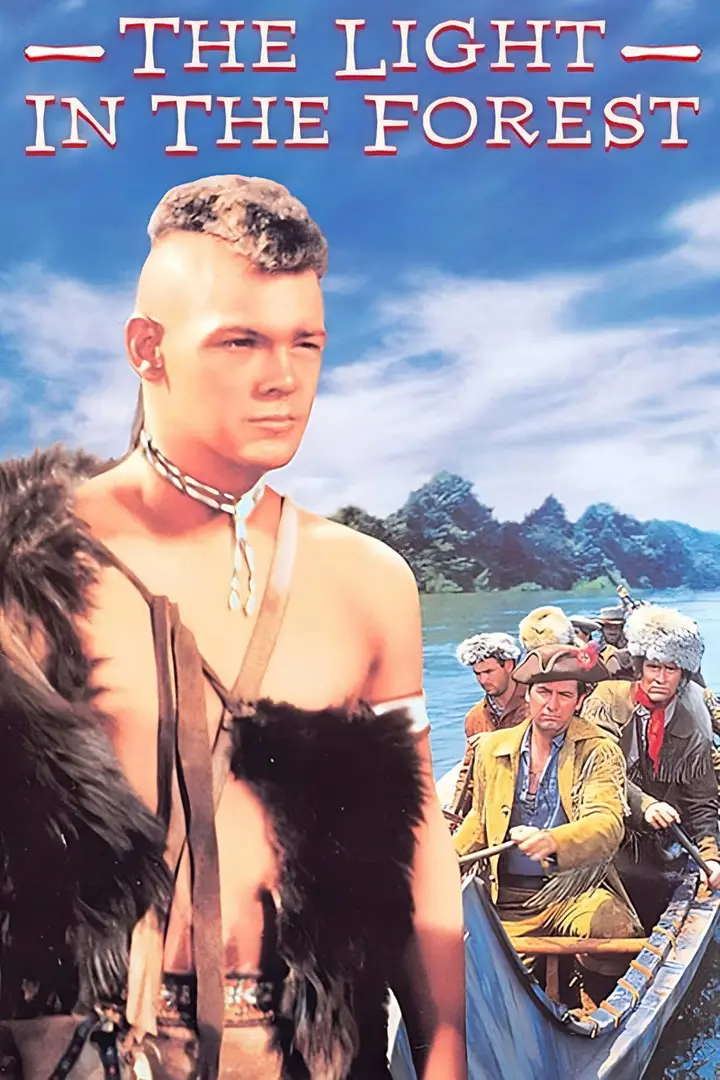
The Light in the Forest
AgeMinimum 9Recommended 11+
A thoughtful frontier drama with restless adventure, divided loyalties, and the uneasy pull of belonging to two very different worlds.
Raised by the Lenape after being taken from his family as a child, Johnny Butler knows himself as True Son and considers the tribe his home. When a treaty requires captives to return to their birth families, he is sent back to Pennsylvania settlers he barely remembers and expected to accept a life that feels foreign to him.
- Release Year
- 1958
- Runtime
- 83 min
- Studio
- Walt Disney Productions
- Format
- Live Action
- Mood
- Emotional, Sad
- MPAA Rating
- Not Rated
True Son enters the Butler household as someone being “returned home,” yet almost nothing about it feels like a return to him. His clothes change, his name becomes Johnny again, and relatives expect recognition and gratitude from a boy whose memories, habits and loyalties were formed elsewhere. The discomfort is immediate. He has not simply crossed a frontier; other people have decided which side of it should define him.
His relationship with Del Hardy gives the story room to breathe. Del understands enough of Lenape language and customs to communicate with True Son without expecting instant obedience, while Shenandoe offers companionship without carrying the same history of conflict. Around them, however, suspicion runs in both directions. Settlers remember violence committed against their families; True Son remembers the people who raised him as parents and cannot understand why that bond should suddenly become illegitimate.
The frontier therefore feels less like a clean dividing line than a place where competing ideas of family, loyalty and identity collide. True Son’s anger can make him difficult, but it also prevents the story from treating his return as a simple homecoming. He knows where he belongs. The painful question is what happens when everyone around him insists that they know better.
Why It Stands Out
The familiar frontier idea of a captive returning to settler society is viewed through the boy who does not want to be “rescued.” That reversal gives the adventure its tension and makes home, family and cultural allegiance far less straightforward than the surrounding wilderness might suggest.
Parents’ Insight
Adults can be certain they are restoring something a child has lost while overlooking the life that child has already built. Family bonds depend on lived attachment as well as history, names and blood relationships.
Parents’ Guide
What to know before you press play
Six things parents ask about, rated on the same scale for every film and series in the collection.
- Scary intensity
- Mild (2 of 5)
- Violence
- Mild (2 of 5)
- Language
- None (0 of 5)
- Emotional intensity
- Mild (2 of 5)
- Sexual content
- None (0 of 5)
- Substance use
- Mild (2 of 5)
Content notes
- Depictions of period-accurate racial prejudice and frontier violence; emotionally heavy themes of loss and displacement.
Questions Parents Ask
What is The Light in the Forest about?
In 1764 Pennsylvania, a white teenager known as True Son — raised since childhood by the Lenape people after being captured as a boy — is forced to return to his birth family under a peace treaty he never asked for. Torn between the only life he's ever known and the strangers who call him family, True Son must decide where he truly belongs.
What age is The Light in the Forest suitable for?
Minimum age: 9. Recommended age: 11+. The frontier violence is restrained enough for many nine-year-olds, though the film also presents period racial prejudice directly. Eleven is the stronger fit for processing True Son's divided identity and the painful cultural displacement at the center of the story.
Is The Light in the Forest scary?
- Depictions of period-accurate racial prejudice and frontier violence
- Serious violence or real danger
Frontier violence, threats, and racial hostility create a tense atmosphere, and True Son's forced separation from the Lenape family adds emotional distress. The film is not graphic, but the prejudice and identity conflict can be upsetting because they are treated seriously rather than as adventure spectacle.
Is The Light in the Forest worth watching?
Most frontier stories of this era pick a side; The Light in the Forest instead sits with True Son's genuine grief at losing the only family and culture he's ever known, refusing to treat his return to white society as a simple happy ending. The Light in the Forest adapts Conrad Richter's 1953 novel into one of Disney's more emotionally complicated frontier dramas, built around a premise that refuses easy answers: a boy raised entirely within one culture is forced overnight into another that treats him as a stranger.
James MacArthur's True Son carries real ambivalence throughout — grief for the Lenape family he's lost, suspicion toward the white relatives who claim him, and a growing, reluctant curiosity about the man he might become. Fess Parker's warmer, more patient Del Hardy gives the film a steady emotional anchor, while Wendell Corey's bitter Uncle Wilse embodies the prejudice True Son has to navigate.
Handled with more nuance than many films of its era manage, The Light in the Forest treats identity and belonging as genuinely difficult questions rather than problems solved by the credits — a quieter, more contemplative entry in Disney's frontier catalog.
What is The Light in the Forest based on?
It is based on the novel by Conrad Richter. The film adapts Richter's novel, following a white teenager raised by the Lenape people who is forced to return to his birth family.
Talk About It
In 1764 Pennsylvania, a white teenager known as True Son — raised since childhood by the Lenape people after being captured as a boy — is forced to return to his birth family under a peace treaty he never asked for. Discuss identity, belonging, and how home isn't always where you're told it should be.
- Why does True Son resist returning to the Butler family, even though they see him as their missing child?
- When True Son refuses to deny his Lenape upbringing under pressure from the Butlers, what makes that honesty courageous?
- How does the frontier boundary between Lenape land and settler towns turn every journey into a choice between two communities?
- How does True Son’s attempt to return to his Lenape family show where he believes he belongs more clearly than any argument?
- How do True Son’s ties to his Lenape family and his birth family pull his sense of identity in different directions?
- Before True Son tries to escape the Butler home, what could he ask Del Hardy to explain to both families about why the forced return feels like another captivity?
- If you were suddenly sent to live with relatives who felt like strangers, the way True Son is, what from your old life would you miss most?
- What would both the Lenape and settler communities need to understand about True Son’s sense of home?
Turn this film into a ready-to-use class discussion
Use the Teacher Resources already attached to this film. Choose the questions you want, then print, copy or share the result.
Similar Movies
Johnny Tremain and the two Davy Crockett films stay closest to mid-century historical adventure. The Journey of Natty Gann, Swiss Family Robinson and Kidnapped move across different periods and settings but preserve courage, displacement, perseverance and survival.
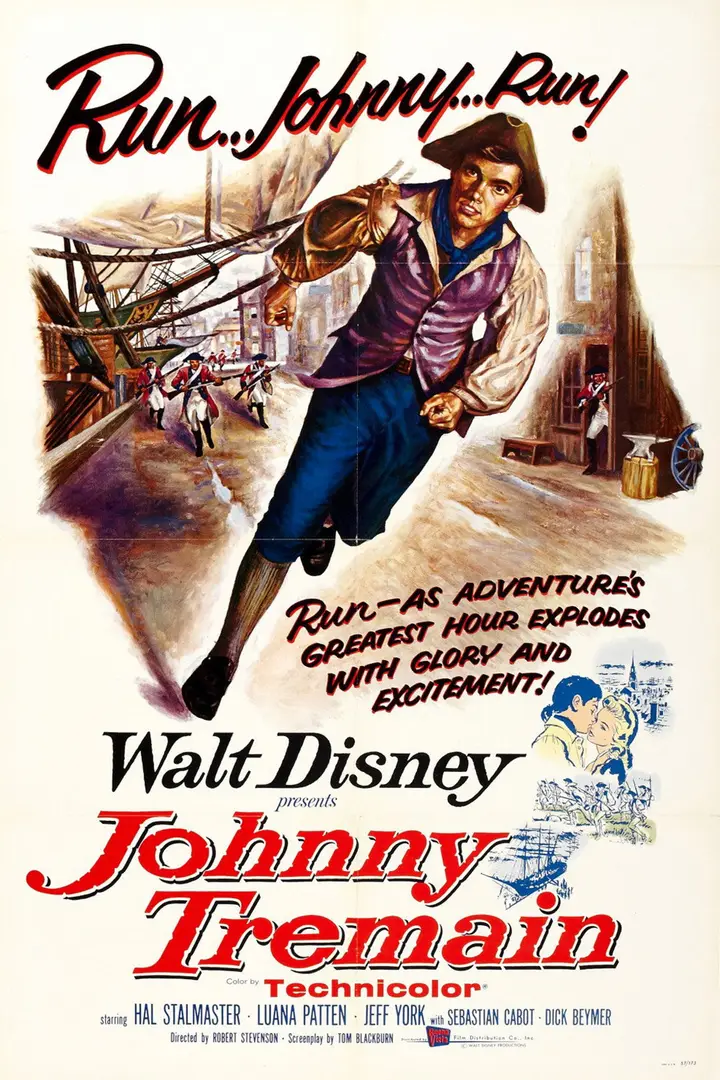
Johnny Tremain
A spirited historical adventure with youthful confidence, gathering tension, and the rousing energy of a country on the edge of revolution.
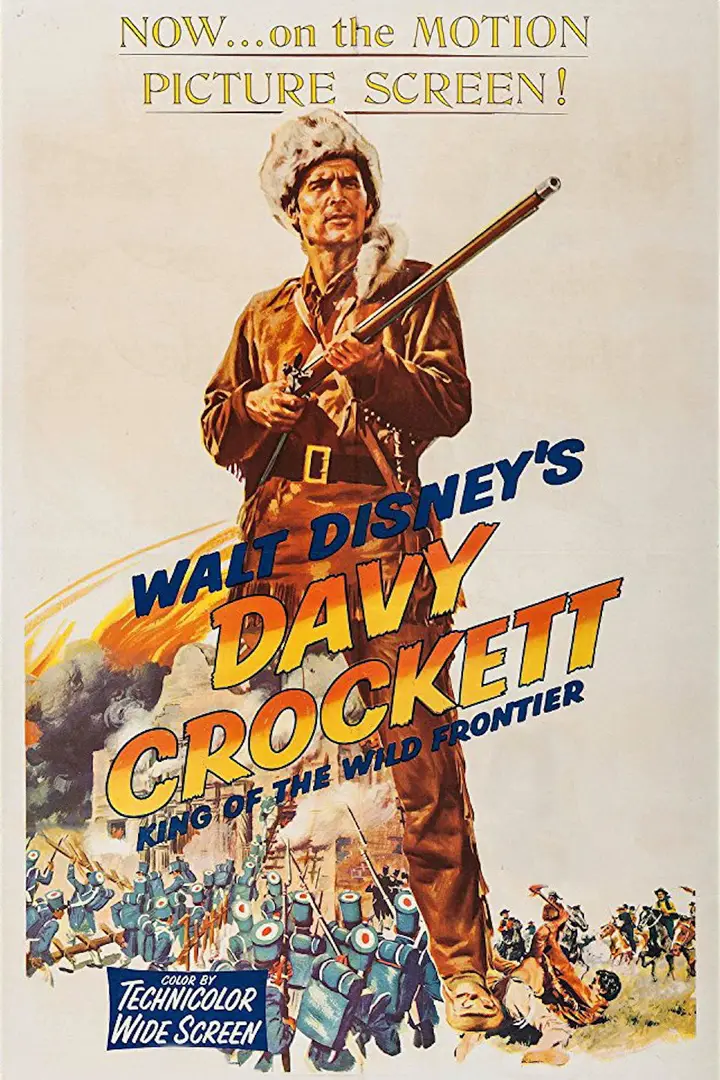
Davy Crockett: King of the Wild Frontier
Campfire songs, frontier forests, river journeys, and the larger-than-life adventures of America's most famous folk hero.
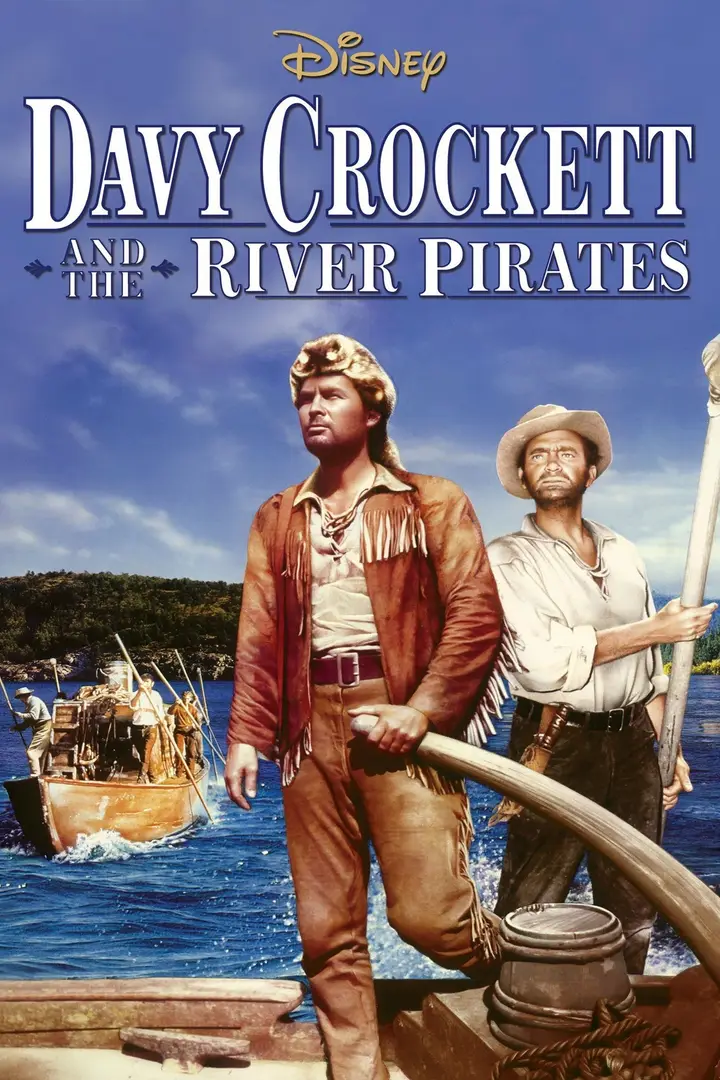
Davy Crockett and the River Pirates
Wide rivers, wooden keelboats, frontier songs, and the adventurous spirit of a journey through America's untamed waterways.
The Journey of Natty Gann
A sweeping Depression-era adventure about a determined girl crossing America in search of her father and finding courage in unexpected places.
Swiss Family Robinson
A tropical survival adventure where a shipwrecked family builds a new life through creativity, courage, and teamwork.
Kidnapped
Salt wind, Highland roads, divided loyalties and the rough momentum of an old-fashioned Scottish adventure.