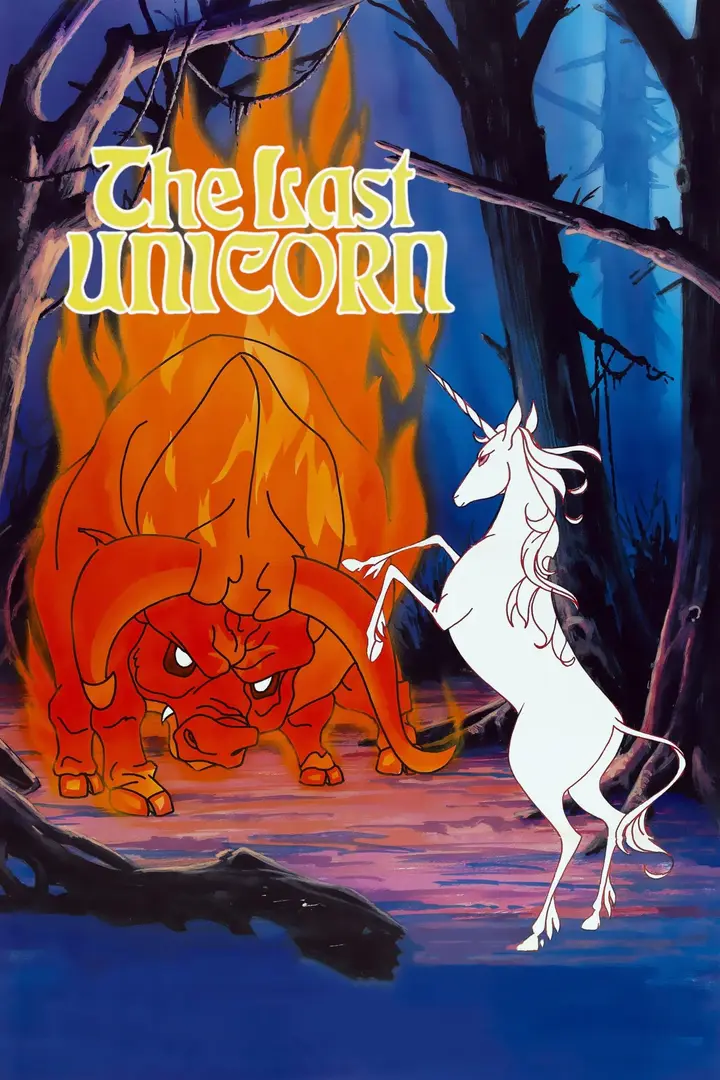
The Last Unicorn
AgeMinimum 7Recommended 8+
A haunting fantasy adventure about courage, mortality, love, regret, and holding on to wonder in a changing world.
When a unicorn discovers that she may be the last of her kind, she leaves the safety of her forest and sets out to learn what happened to the others. Accompanied by an inexperienced magician and a compassionate woman longing for meaning in her life, she travels through a world where magic is fading from memory.
Based on Peter S. Beagle's novel, The Last Unicorn differs noticeably from most animated fantasies in tone and perspective. Its dialogue often feels literary, its characters speak with unusual directness, and many of its concerns belong more naturally to adulthood than childhood. Love, regret, mortality, and missed opportunities remain present throughout the story.
Unlike many fantasy adventures, the characters are not searching for glory, treasure, or excitement. Most are searching for something they have already lost, abandoned, forgotten, or failed to recognize when they still had it.
Aging kings, fading magic, traveling performers, forgotten dreams, and characters haunted by earlier choices give the film its identity. Even its fantasy elements carry a sense that time has already changed the world long before the story begins.
Why It Stands Out
The Last Unicorn unfolds like a fairy tale, following strange encounters and questions that resist easy answers. Quiet conversations hold as much meaning as the adventure itself, lending the story its lingering sense of mystery.
Parents’ Insight
Children are often introduced to stories where goodness guarantees happiness. The Last Unicorn gently suggests that courage, love, and kindness remain worthwhile even when life does not unfold as we hope.
Parents’ Guide
What to know before you press play
Six things parents ask about, rated on the same scale for every film and series in the collection.
- Scary intensity
- Moderate (3 of 5)
- Violence
- Moderate (3 of 5)
- Language
- Minimal (1 of 5)
- Emotional intensity
- Mild (2 of 5)
- Sexual content
- None (0 of 5)
- Substance use
- Mild (2 of 5)
Content notes
- A genuinely melancholic tone and a frightening Red Bull creature
Questions Parents Ask
What is The Last Unicorn about?
When a unicorn learns that she may be the last of her kind, she leaves her peaceful forest to search for the missing unicorns. Joined by the kind-hearted but inexperienced magician Schmendrick and the compassionate Molly Grue, she travels through a fading world where magic is becoming little more than a memory. Their journey leads them toward the mysterious King Haggard and the terrifying Red Bull, whose secrets may determine the fate of every unicorn. As the adventure unfolds, the unicorn experiences love, loss, sacrifice, and the bittersweet realization that even immortal beings are changed by the choices they make.
What age is The Last Unicorn suitable for?
The Red Bull is genuinely menacing, but the fantasy violence never becomes graphic. Seven is a reasonable minimum for the peril and melancholy; by 8, children are more likely to understand the film's more complex ideas about mortality, regret, and loss.
Is The Last Unicorn scary?
- The Red Bull
- Threatening fantasy creatures
- Moments of peril
- Melancholic atmosphere
- Graphic violence
- Horror gore
A key consideration in The Last Unicorn is that the Red Bull is an imposing and intimidating presence throughout the story, creating several tense sequences. While the film avoids graphic violence, its emotional tone is unusually reflective, exploring themes of loneliness, aging, and the passing of time. Sensitive children may find these ideas as affecting as the fantasy dangers themselves.
Is The Last Unicorn worth watching?
The Last Unicorn is one of animation's most poetic fantasy films, blending unforgettable imagery, literary storytelling, and timeless reflections on love, courage, and what it means to be truly alive. Adapted from Peter S. Beagle's celebrated novel, The Last Unicorn stands apart from most animated fantasies through its lyrical dialogue, quiet emotional depth, and dreamlike atmosphere. The distinctive animation, memorable musical score, and enchanting songs create a world that feels both magical and deeply human. Rather than relying on constant action, the film invites viewers to reflect on identity, change, and the beauty of holding on to hope in a world where wonder sometimes seems to disappear. Its thoughtful storytelling continues to resonate with children and adults alike, rewarding repeat viewings at every stage of life.
What is The Last Unicorn based on?
The Last Unicorn is based on the book Last Unicorn, the acclaimed fantasy book, written by Peter S. Beagle, first published in 1968. This unusual collaboration preserved much of the book's poetic language and philosophical depth, making the film one of the most faithful literary fantasy adaptations ever produced. Both the novel and the film have become enduring classics of modern fantasy.
Talk About It
Believing she may be the last unicorn, an immortal creature follows Schmendrick and Molly toward King Haggard, the Red Bull, and a painful experience of human love.
- Why does the unicorn leave her forest after hearing she may be the last?
- How does Schmendrick help even when his magic rarely works as intended?
- Would you choose to become human if it offered a chance to save others?
- What changes when the unicorn experiences human feelings as Lady Amalthea?
- Which character would you trust during the journey to King Haggard’s castle?
- The unicorn trusts two strangers who cannot fully protect her. What does she risk by traveling with them instead of alone?
- Why does Prince Lír’s kindness matter to Lady Amalthea?
- Which part of returning to unicorn form might be hardest for her?
Turn this film into a ready-to-use class discussion
Use the Teacher Resources already attached to this film. Choose the questions you want, then print, copy or share the result.
Similar Movies
The Flight of Dragons and The NeverEnding Story approach fading magic through classic quest fantasy, with Song of the Sea carrying the melancholy into folklore and family loss; Spirited Away and Howl's Moving Castle travel farther into transformation, identity and stranger magical worlds.
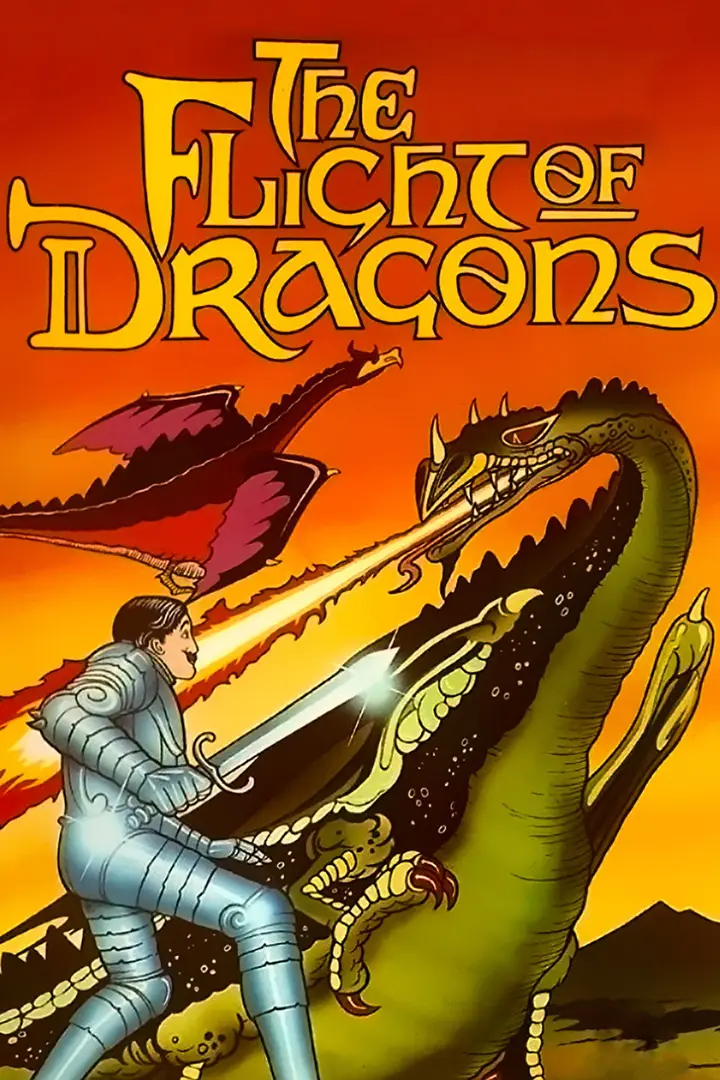
The Flight of Dragons
A thoughtful fantasy adventure of magic, science, and a world where imagination and knowledge discover common ground.
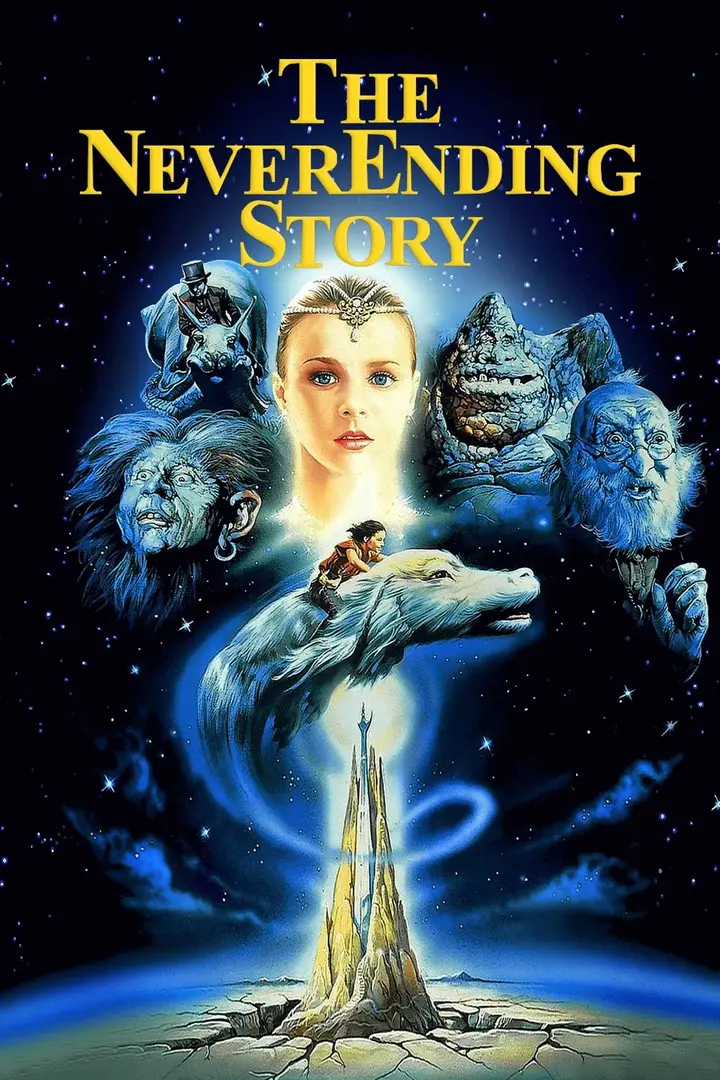
The NeverEnding Story
A fantasy adventure where a lonely boy discovers that imagination can become the force that changes an entire world.
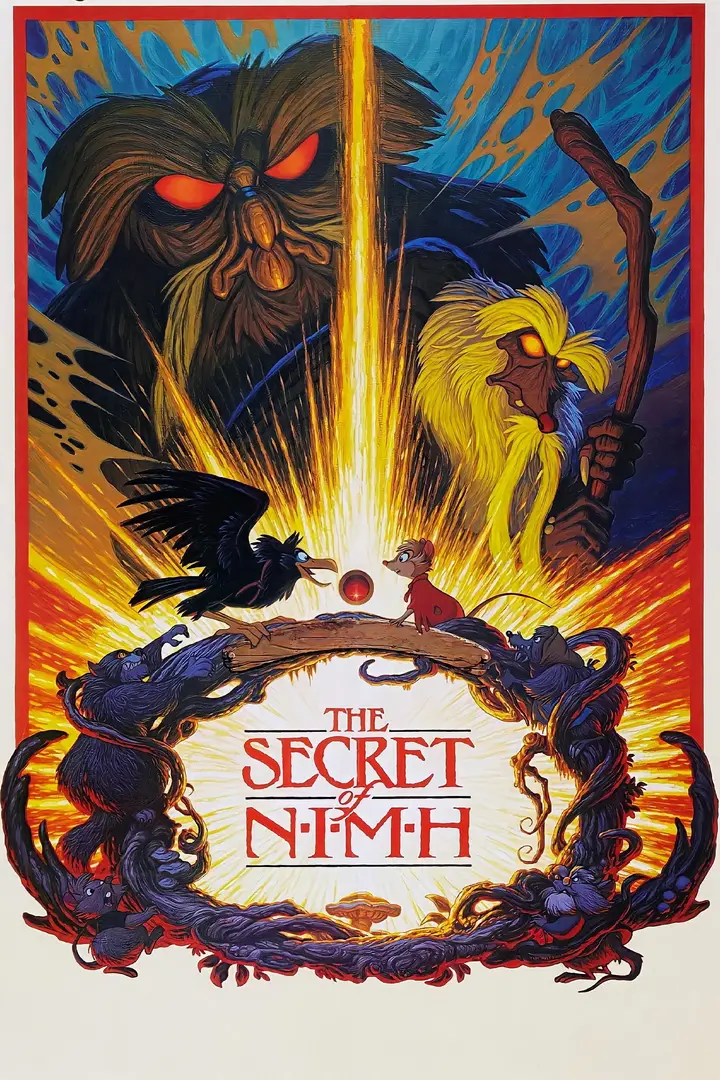
The Secret of NIMH
A dark fantasy about fear, motherhood and finding courage in frightening places.
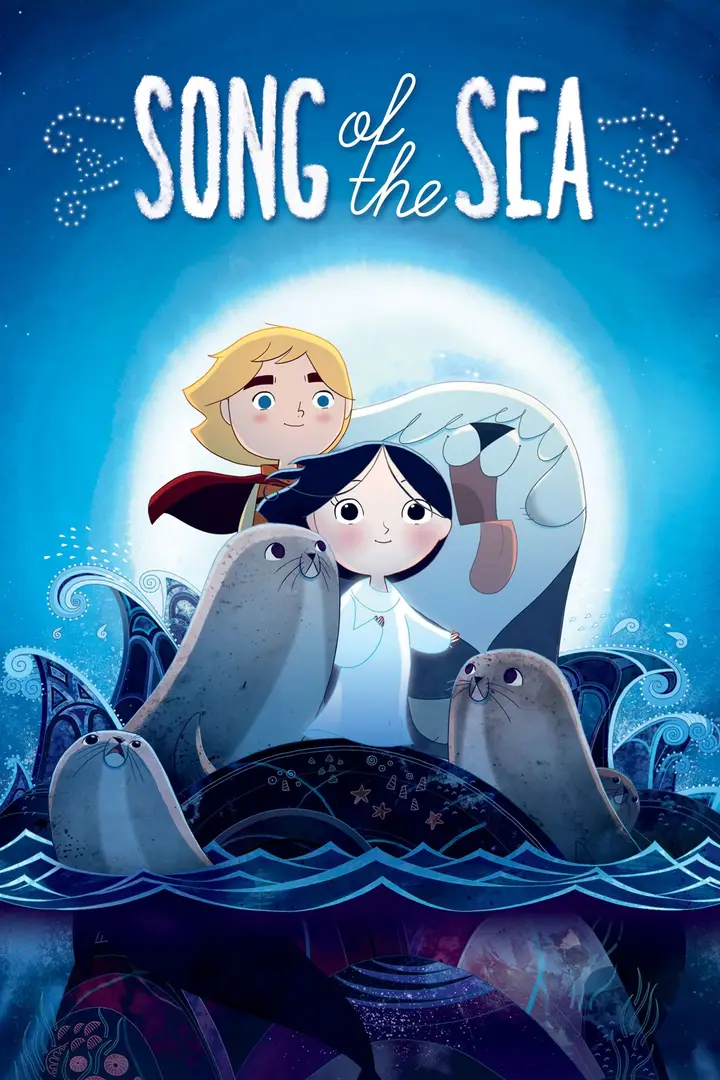
Song of the Sea
Irish folklore, unforgettable music, and the sea weave together a magical story of family, loss, remembrance, and finding the way home.
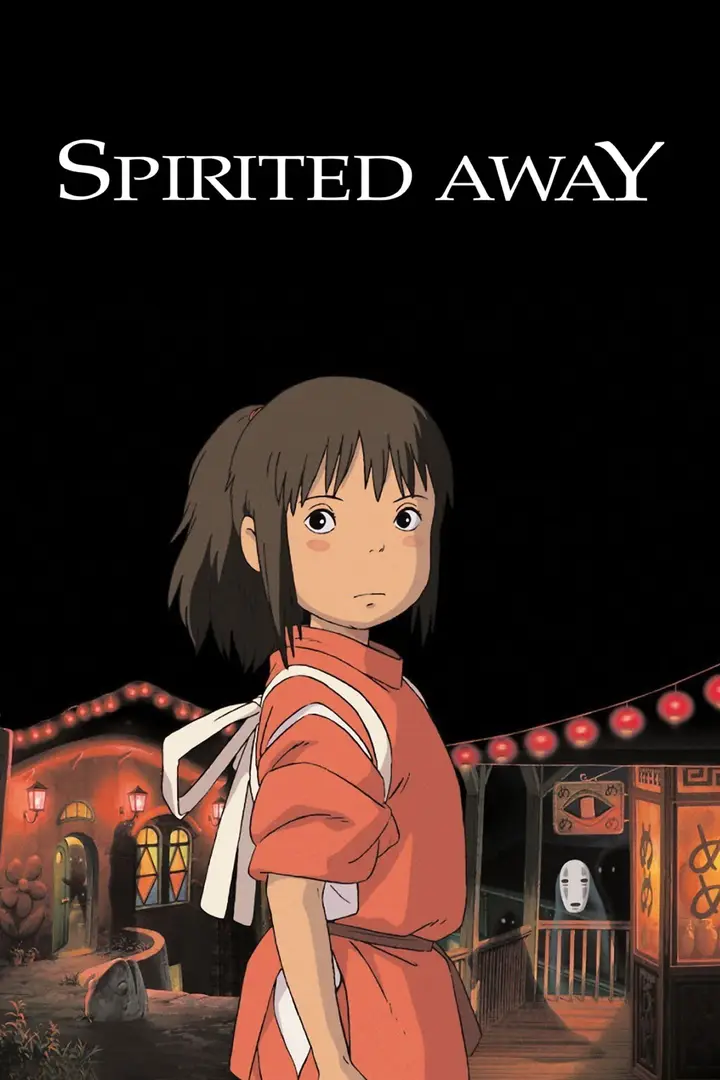
Spirited Away
Identity, greed, loneliness, courage, and the struggle to remain yourself unfold within one of animation's most imaginative and unforgettable fantasy worlds.
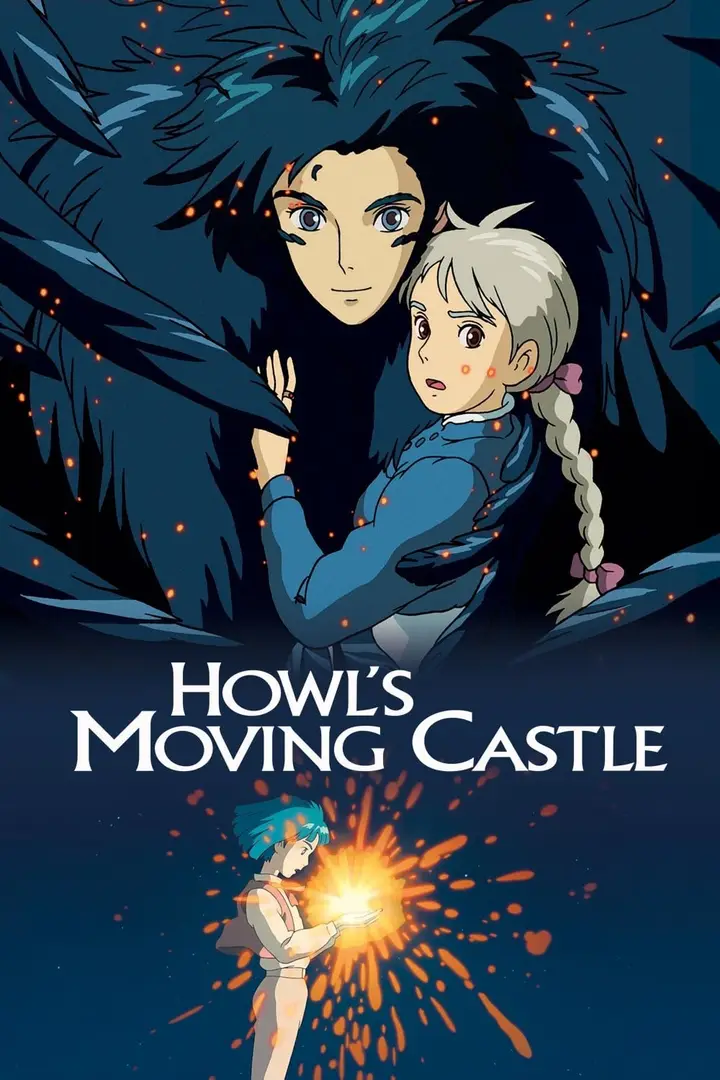
Howl's Moving Castle
Images and music that overwhelm the senses surround a deeply emotional fantasy about identity, love, freedom, fear, and the quiet courage required to become fully yourself.