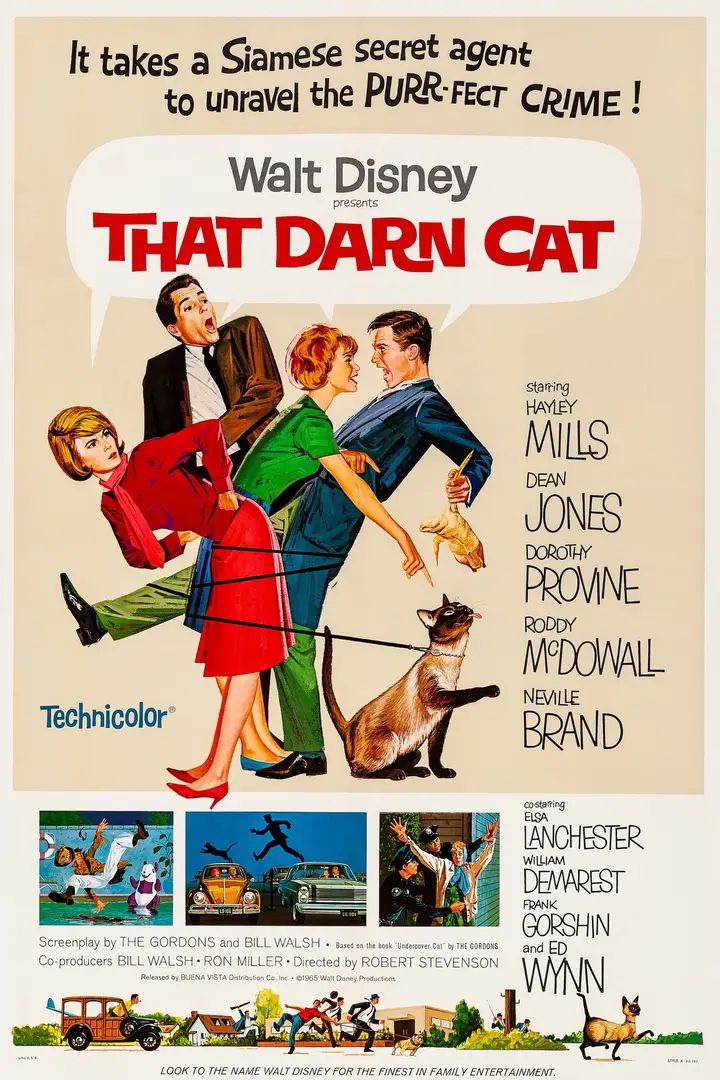
That Darn Cat!
AgeMinimum 7Recommended 8+
A free-roaming cat, an exasperated FBI agent and a string of delightful wrong turns make this family caper a wonderfully unpredictable mystery.
After a bank teller is kidnapped, she sends a clue through a wandering cat named D.C. His owner, young Patty Randall, connects the evidence and contacts the FBI. When agent Zeke Kelso begins following the cat to find the kidnappers, he discovers that solving the mystery depends on Patty's determination and clever observations.
- Release Year
- 1965
- Runtime
- 116 min
- Studio
- Walt Disney Pictures
- Format
- Live Action
- Genre
- Comedy, Mystery
- Mood
- Funny
- MPAA Rating
- G
The most unpredictable investigator in That Darn Cat! has four paws and no interest in following instructions. D.C. wanders freely through the neighborhood, carrying a clue that could help solve a kidnapping, while young Patti Randall tries to persuade an FBI agent to take the discovery seriously. Their mismatched partnership keeps the mystery moving: Patti watches carefully, the agent wants a plan, and the cat goes wherever he pleases.
Hayley Mills makes Patti energetic without turning her determination into a joke. Dean Jones provides the exasperated counterpoint as the investigation follows D.C. through an assortment of homes and unexpected encounters. Robert Stevenson's direction gives the suspense room to coexist with slapstick, so a criminal plot can be interrupted by a cat's completely ordinary habits. The Sherman Brothers' music adds to the familiar Disney atmosphere, but the film earns its character through Patti's resourcefulness and D.C.'s delightful refusal to behave like a trained detective.
Why It Stands Out
Many family mysteries rely on adult investigators solving the case. That Darn Cat! stands apart by making a child's curiosity and an ordinary cat the unexpected forces that move the investigation forward.
Parents’ Insight
A kidnapping investigation brings mild suspense, criminals and moments of danger, while the cat’s antics keep the mood playful.
Patty’s initiative can open a conversation about careful observation, asking for help and knowing when curiosity needs sensible boundaries.
Parents’ Guide
What to know before you press play
Six things parents ask about, rated on the same scale for every film and series in the collection.
- Scary intensity
- Mild (2 of 5)
- Violence
- Mild (2 of 5)
- Language
- Minimal (1 of 5)
- Emotional intensity
- Minimal (1 of 5)
- Sexual content
- None (0 of 5)
- Substance use
- Mild (2 of 5)
Content notes
- Kidnapping plot with mild suspense
Questions Parents Ask
What is That Darn Cat! about?
When a kidnapped bank teller secretly attaches a message to the collar of a wandering Siamese cat named D.C., the clue eventually reaches Patty Randall, the cat's perceptive young owner. Convinced that something is wrong, Patty contacts the FBI, where Agent Zeke Kelso reluctantly begins following the unpredictable feline across town. As D.C. continues his usual adventures, he unknowingly leads the investigation closer to the kidnappers, while Patty's curiosity and determination become just as important as any professional detective's skills.
What age is That Darn Cat! suitable for?
Minimum age: 7. Recommended age: 8+. The kidnapping plays out with a light touch, since the comedy of D.C. the cat leading Patti to clues keeps the tension from ever feeling real.
Is That Darn Cat! scary?
- Kidnapping storyline
- Mild suspense
- Characters in danger
- Gore or graphic violence
- Horror elements
The kidnapping plot creates occasional tension as the FBI searches for the missing bank teller. The situation is serious, but D.C.'s mischief and the film's broad comedy keep the suspense mild rather than frightening.
Is That Darn Cat! worth watching?
That Darn Cat! is an enjoyable Disney mystery that combines clever detective work, family-friendly suspense, and plenty of feline mischief into an entertaining adventure for all ages. Families looking for a light mystery with plenty of humor will find That Darn Cat! a rewarding choice. The film cleverly blends detective fiction with comedy, allowing an ordinary household pet to become the unlikely hero of a criminal investigation. Hayley Mills brings warmth and determination to Patty Randall, while Dean Jones adds humor as the increasingly frustrated FBI agent trying to keep up with D.C.'s unpredictable movements. Its combination of mystery, comedy, and memorable animal antics makes it one of Disney's most distinctive live-action adventures of the 1960s.
What is That Darn Cat! based on?
That Darn Cat! is based on the novel Undercover Cat, written by Gordon Gordon and Mildred Gordon, first published in 1963. Disney retained the novel's central mystery while emphasizing comedy, memorable characters, and the unpredictable behavior of D.C., creating a family-friendly detective story that became one of the studio's popular live-action comedies.
Talk About It
A kidnapped teller’s message turns D.C.’s nightly wandering into an unlikely FBI trail, while Patty Randall proves that sharp observation can rival professional detective work.
- What makes Patty trust the message on D.C.’s collar?
- How do D.C.’s ordinary habits accidentally help Patty and Agent Kelso investigate the kidnapping?
- Would you have followed the clues as quickly as Patty?
- How does D.C.’s nightly wandering turn an ordinary neighborhood into part of the kidnapping mystery?
- How does the cat help solve the crime?
- Which clue seems most important to the investigation?
- What would you have asked Patty before she took action?
- How is the film funny without losing suspense?
Turn this film into a ready-to-use class discussion
Use the Teacher Resources already attached to this film. Choose the questions you want, then print, copy or share the result.
Similar Movies
A cat's collar becomes the clue launching a kidnapping investigation in That Darn Cat!, while Scooby-Doo gives another animal companion a mystery to solve. The AristoCats stays with cats, Cats & Dogs imagines a secret pet operation, and Bolt and Homeward Bound center journeys home.
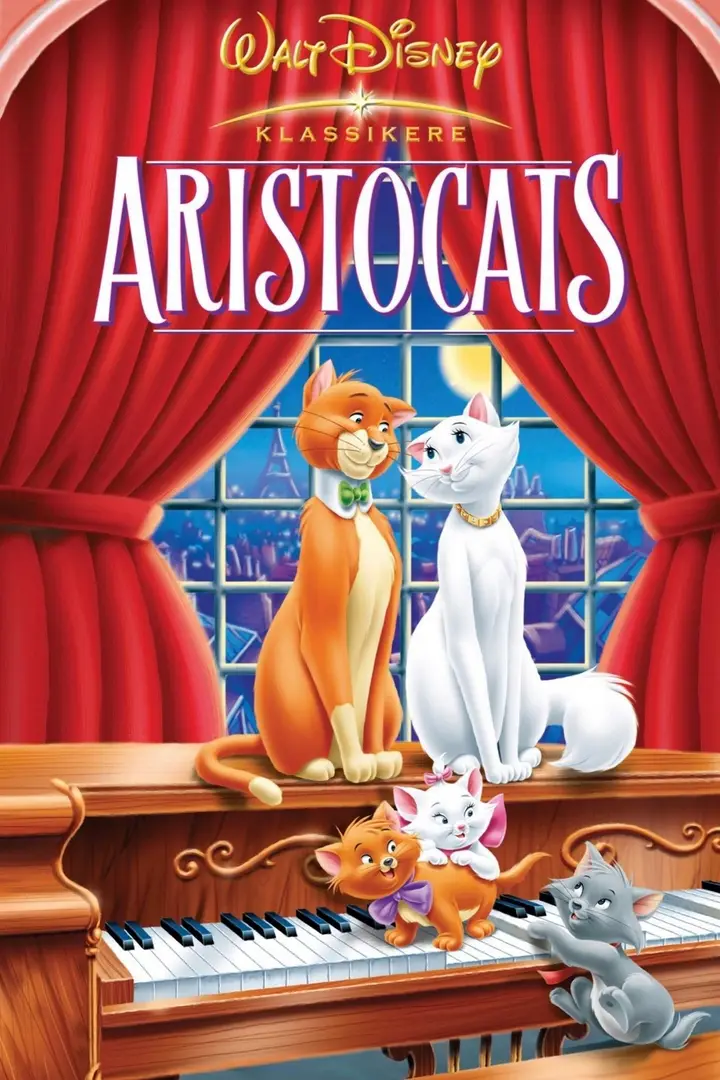
The AristoCats
Jazz, charm, and storybook simplicity bring warmth and personality to a delightfully imperfect Paris.
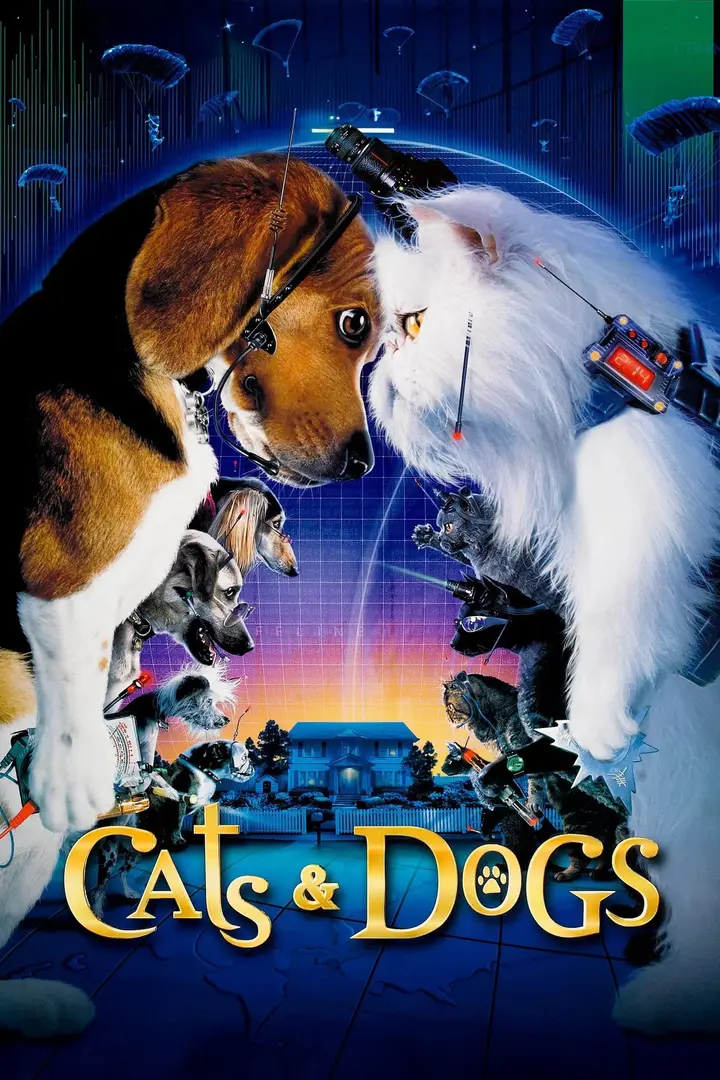
Cats & Dogs
A spy adventure of secret pet missions, hidden technology, and the secret rivalry unfolding inside the homes we know.

The Secret Life of Pets
A playful animated adventure where a loyal dog discovers a hidden world of chaos beyond the apartment he calls home.

Bolt
Friendship and identity lie at the heart of this charming cross-country adventure.
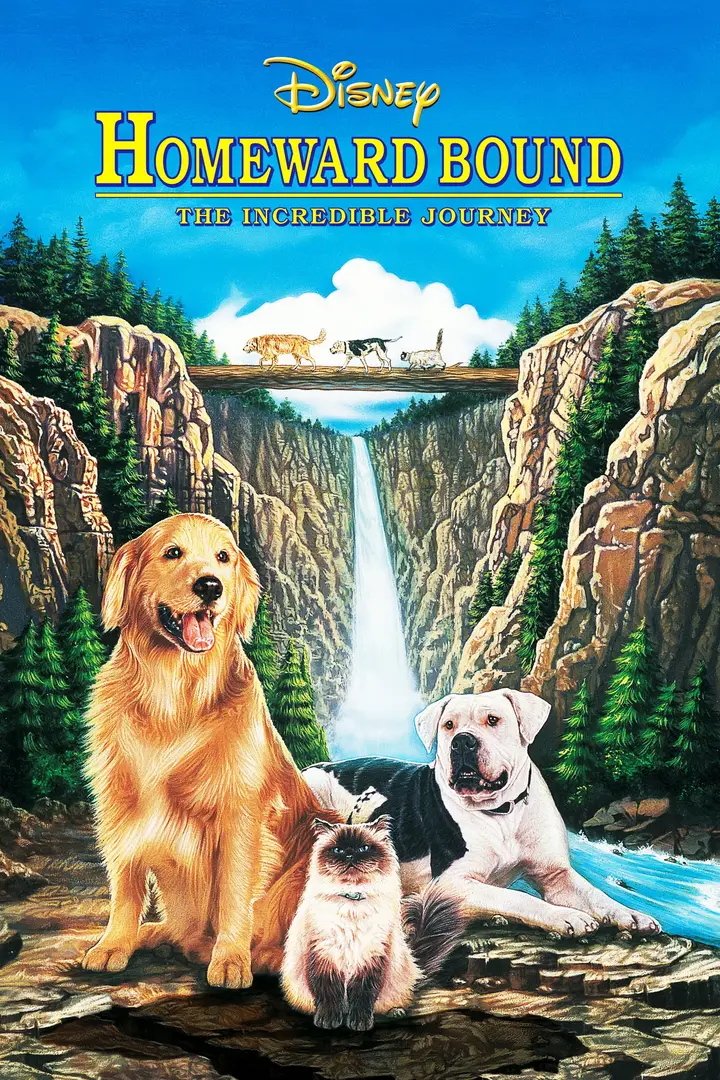
Homeward Bound: The Incredible Journey
A warm wilderness adventure filled with loyal companions, breathtaking landscapes, humor, and the feeling of finding your way home.
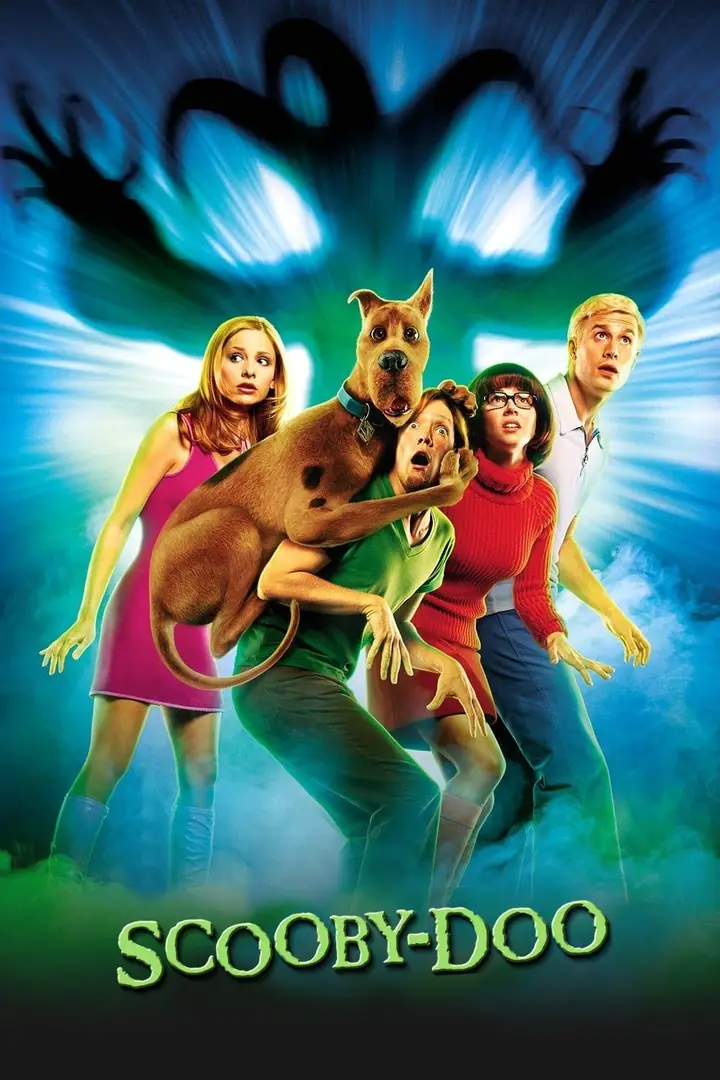
Scooby-Doo
A playful mystery adventure of friendship, forgotten teamwork, and a group of unlikely heroes discovering that solving mysteries begins with trusting each other again.