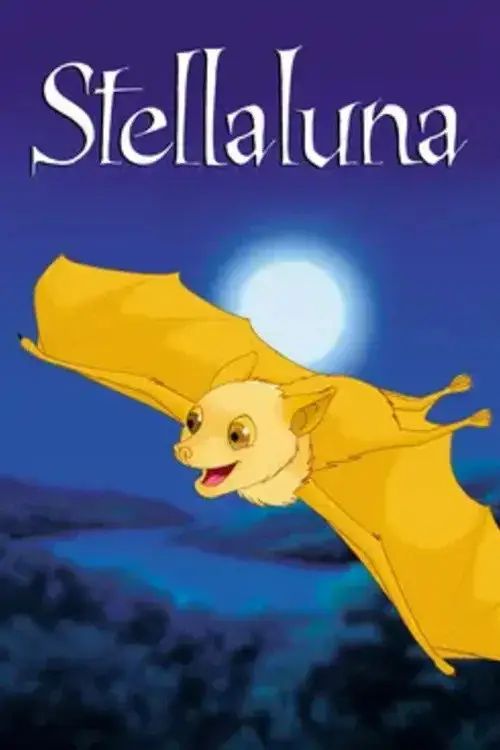
Stellaluna
AgeMinimum 4Recommended 4+
Night flights, a nest full of unlikely friends and one little bat's beautiful differences give this picture-book adaptation its tender heart.
After an owl attack separates young fruit bat Stellaluna from her mother, she falls into a bird's nest and is raised with Pip, Flitter and Flap. She adapts to bird habits until meeting other bats and reuniting with her mother helps her understand her own abilities and identity.
- Release Year
- 2004
- Runtime
- 41 min
- Format
- Hand-Drawn Animation
- Mood
- Tender, Warm
- MPAA Rating
- G
An owl attack knocks Stellaluna from her mother's grasp and leaves the baby fruit bat in a nest with three young birds. The bird mother protects her and expects her to copy the nest’s habits, from eating insects to sleeping upright at night.
Those rules keep Stellaluna safe while also teaching her that her instincts are somehow wrong. When she encounters other bats and reunites with her mother, behaviors that once marked her as strange become recognizable abilities.
The film expands the picture book with music, additional characters and a more explicit predator. Her reunion shows that recovering her bat identity does not diminish the love she feels for the birds who raised her. The contrast between night flight and the birds’ daytime habits makes her struggle to adapt visible through movement.
Why It Stands Out
Stellaluna brings Janell Cannon's picture-book premise to the screen through a story about foster family, identity and friendship across biological differences. The adaptation adds songs, characters and a clearer predator conflict, but the bat-versus-bird experience remains its strongest idea.
Parents’ Insight
Stellaluna is cared for by a family whose rules do not fit her natural needs. Children may find a valuable distinction here: adapting can help us live together, but difference is not misbehavior and affection does not require erasing identity.
Parents’ Guide
What to know before you press play
Six things parents ask about, rated on the same scale for every film and series in the collection.
- Scary intensity
- Minimal (1 of 5)
- Violence
- Moderate (3 of 5)
- Language
- None (0 of 5)
- Emotional intensity
- Moderate (3 of 5)
- Sexual content
- None (0 of 5)
- Substance use
- None (0 of 5)
Content notes
- A brief, intense owl-attack scene and themes of separation from a parent
Parent guidance
Mother-child separation and mild predator peril
Questions Parents Ask
What age is Stellaluna suitable for?
Minimum age: 4. Recommended age: 4+. Stellaluna is knocked from her mother's grasp and believes she may be alone. The film adds a clearer villain and pursuit beyond the picture book, though reunion and friendship provide a secure ending.
Is Stellaluna scary?
- It contains mild animal peril, especially the opening owl attack, separation and later predator pursuit
- Graphic violence
The danger lasts longer than in a simple read-aloud, but it is not graphic. Stellaluna's sadness and fear of not belonging may affect children more than the action.
What is Stellaluna based on?
It keeps the separated fruit bat, bird foster family and reunion with her mother, while adding songs, new characters and a more explicit villain for a longer film.
What is Stellaluna about?
Living with Pip, Flitter and Flap, Stellaluna learns to eat insects, sleep at night and stand upright. When she reunites with her mother, she discovers her identity without losing her bird friends.
Is Stellaluna worth watching?
It is a thoughtful animal story for children discussing adoption, identity, difference and friendships that do not require everyone to behave alike. The adaptation makes the book's message more conventional with songs and extra conflict, but Stellaluna's bat-versus-bird experience remains clear and useful for conversation.
Talk About It
After becoming separated from her mother, Stellaluna finds herself living with a family of birds and trying to understand a world that is different from her own. Use the film to discuss belonging, friendship and accepting differences, while helping children think about how families can support each other even when everyone has their own unique qualities.
- How does Stellaluna feel when she first has to live with the bird family?
- What similarities help Stellaluna and the birds become friends?
- What differences between bats and birds does Stellaluna discover?
- Why is it important for the bird family to accept Stellaluna even though she is different?
- How does Stellaluna learn more about who she is?
- What does the story teach about trying to understand someone else’s point of view?
- How can two people or animals be different and still belong together?
- What lesson from Stellaluna could help someone who feels like they do not fit in?
Turn this film into a ready-to-use class discussion
Use the Teacher Resources already attached to this film. Choose the questions you want, then print, copy or share the result.
Similar Movies
Bird-centered family journeys shape the opening: Migration connects belonging with independence, and Rio links flight to identity and finding one's place. Fly Away Home turns care into a journey; The Wild Robot, Dumbo and The Tigger Movie approach courage, identity and belonging through very different characters.
Migration
Sunlit ponds, open skies, tropical colors, and the restless excitement of leaving familiar waters behind for somewhere entirely new.
Rio
Music, color, and boundless energy fill every moment with the warmth and spirit of Rio.
Fly Away Home
A heartfelt nature adventure filled with open skies, wild beauty, and the unforgettable wonder of guiding a journey that seems impossible.
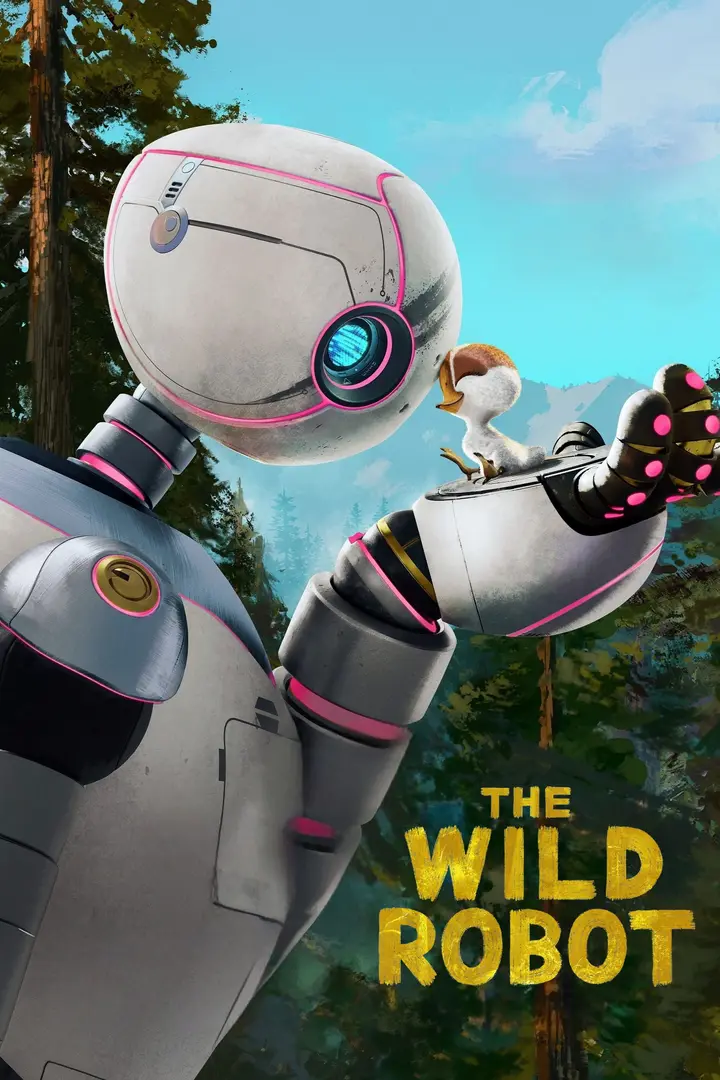
The Wild Robot
A lonely outsider gradually becomes the heart of an entire community in a moving adventure filled with warmth, kindness, and hope.
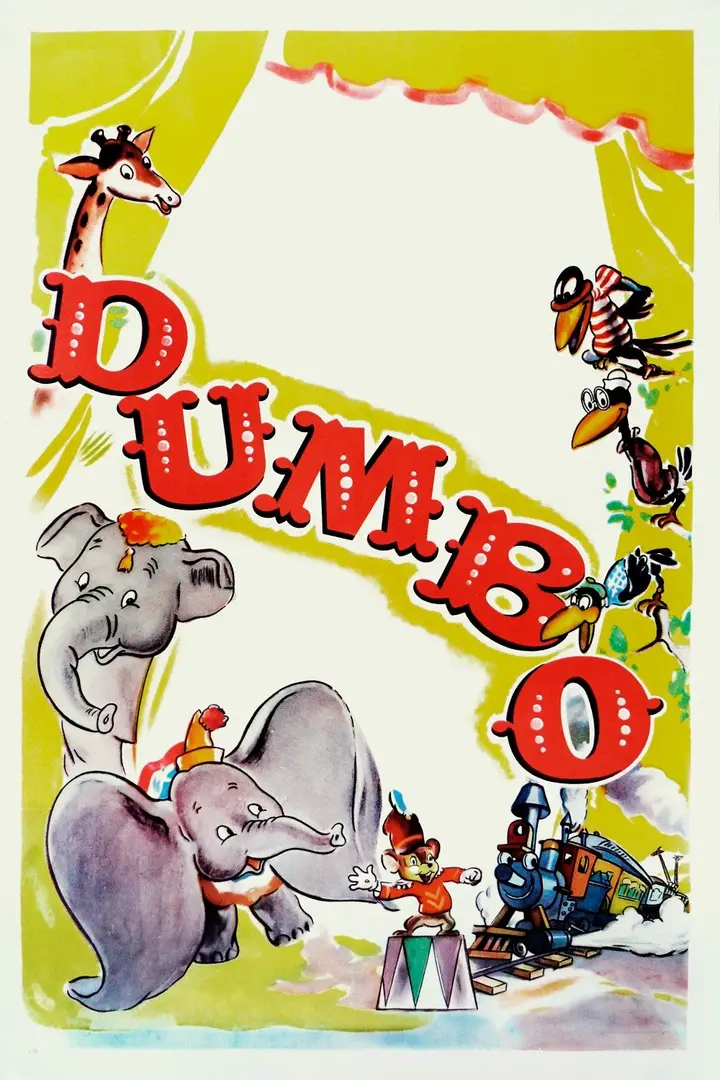
Dumbo
A small elephant’s longing for acceptance becomes one of Disney’s most heartfelt and enduring stories.
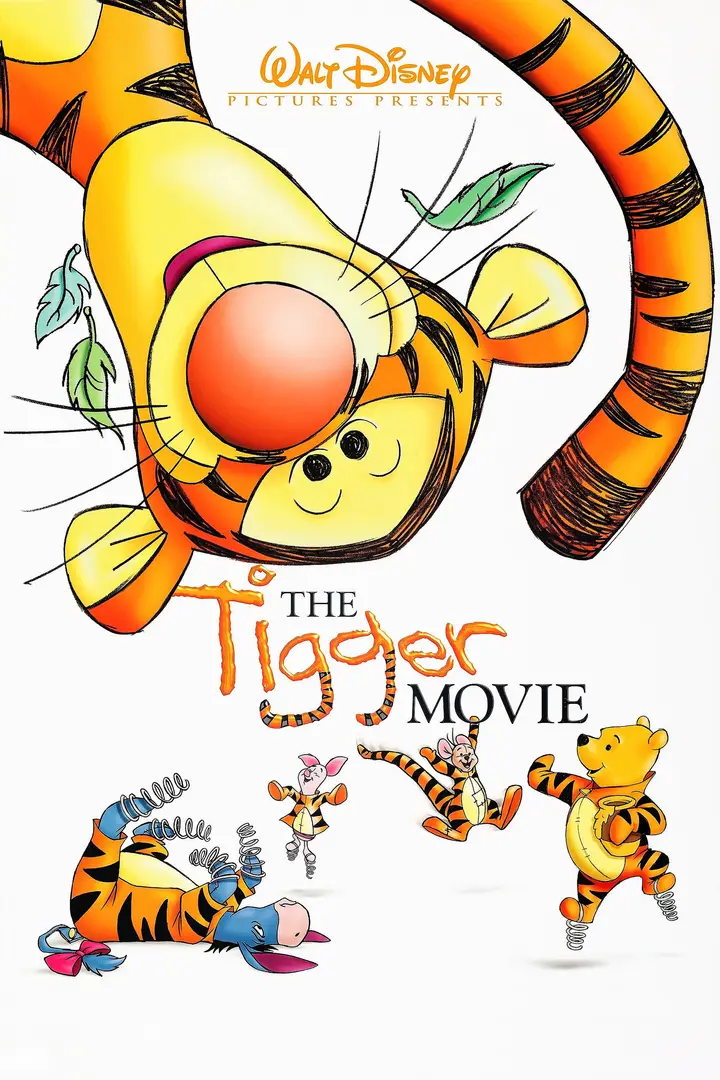
The Tigger Movie
All the bouncing in the Hundred Acre Wood can't hide a tender question: what makes a family? Tigger's warmth has never felt more personal.