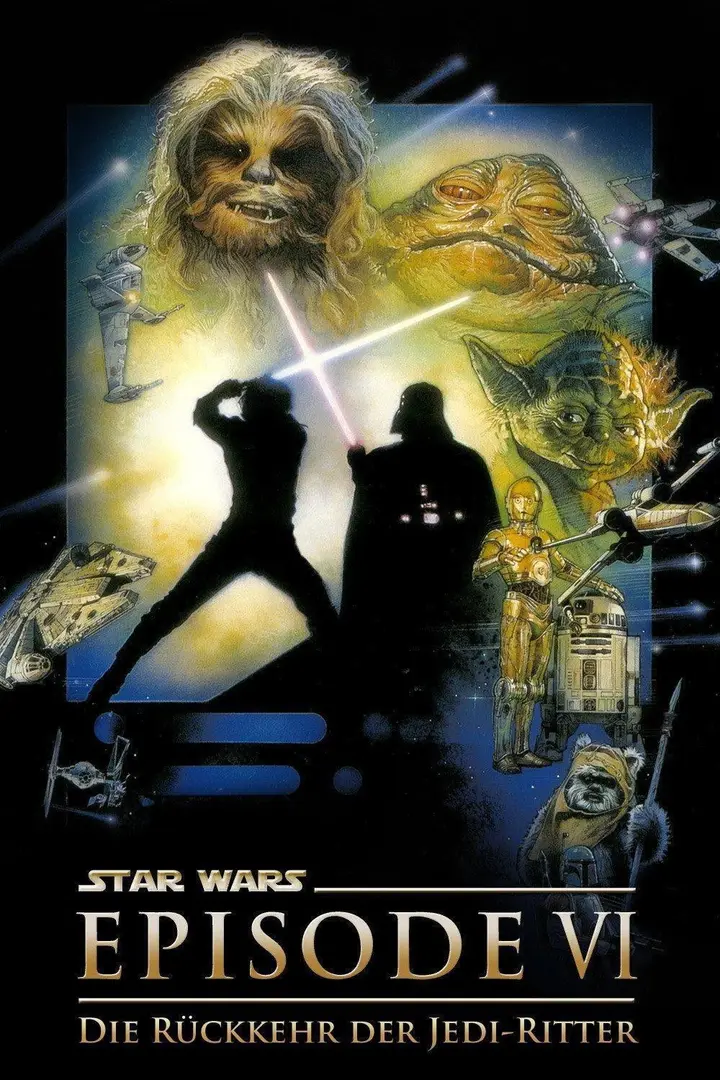
Star Wars: Episode VI - Return of the Jedi
AgeMinimum 8Recommended 9+
A hopeful science fiction adventure about friendship, forgiveness, and a hero's final choice between fear and compassion.
Luke Skywalker and his allies mount a daring rescue of the frozen Han Solo from the clutches of the gangster Jabba the Hutt, while the Rebel Alliance prepares a final assault on the Empire's newly rebuilt Death Star. Luke also confronts his father, Darth Vader, and the Emperor himself.
- Release Year
- 1983
- Runtime
- 131 min
- Studio
- Lucasfilm
- Format
- Live Action
- Genre
- Action, Adventure, Fantasy, Science Fiction
- Mood
- Epic, Warm
- MPAA Rating
- PG
Star Wars: Episode VI -- Return of the Jedi brings Luke Skywalker's journey to its final stage, moving beyond discovery and self-understanding toward the decision that defines who he will become. After discovering a galaxy beyond his desert home and facing difficult truths about himself, Luke now understands that strength is measured not only by ability, but by the choices made when everything is at risk.
The final chapter brings together many of the worlds, creatures, and characters introduced throughout the trilogy. From Jabba's palace to the forests of Endor and the Death Star, each setting reflects a different part of the journey that brought these characters together. The adventure combines large-scale conflict, humor, friendship, and moments of personal choice that give the galaxy a human feeling.
At the center of the story is Luke's relationship with Darth Vader and the question of whether a person can choose a different path. Their final confrontation is not simply a battle between two opposing forces. It becomes a moment where Luke must decide what kind of Jedi he wants to be and whether compassion can remain stronger than anger and fear.
The journey also belongs to the people who have shared it with him. Han Solo, Princess Leia, Chewbacca, the droids, and the Rebel Alliance each bring their own courage and loyalty to the final struggle. Together, they show that change is never created by one person alone, but by many individuals who continue standing for what they believe is right.
Why It Stands Out
Star Wars: Episode VI -- Return of the Jedi completes Luke Skywalker's journey by bringing personal redemption into the center of a galaxy-wide conflict. The film combines the scale of a space adventure with a deeply human story about identity, forgiveness, and choice.
The final confrontation gains its meaning not from defeating an enemy, but from discovering that compassion can change the future of everyone involved. The conclusion feels powerful because victory comes through understanding what is worth protecting.
Parents’ Insight
Young people eventually face moments when past mistakes, expectations, and fears influence the choices ahead. Luke's journey reflects the idea that identity is not fixed by previous actions, and that guidance, forgiveness, and compassion can open a different path.
The people around us can influence who we become, but the choices we make in difficult moments remain our own.
Parents’ Guide
What to know before you press play
Six things parents ask about, rated on the same scale for every film and series in the collection.
- Scary intensity
- Mild (2 of 5)
- Violence
- Moderate (3 of 5)
- Language
- None (0 of 5)
- Emotional intensity
- Mild (2 of 5)
- Sexual content
- None (0 of 5)
- Substance use
- Mild (2 of 5)
Content notes
- Large-scale battle sequences
Questions Parents Ask
What is Star Wars: Episode VI - Return of the Jedi about?
After Han Solo is rescued from the palace of Jabba the Hutt, the Rebel Alliance launches a desperate mission to destroy the Empire's newly constructed Death Star before it becomes fully operational. Meanwhile, Luke Skywalker willingly confronts Darth Vader and Emperor Palpatine, hoping not only to end the Galactic Civil War but also to redeem the father he believes still carries a spark of goodness. As battles rage across space and on the forest moon of Endor, friendships are tested, sacrifices are made, and the fate of the galaxy rests on one family's final choices.
What age is Star Wars: Episode VI - Return of the Jedi suitable for?
Minimum age: 8. Recommended age: 9+. The space battles, lightsaber duels, Jabba's palace, and Emperor Palpatine create sustained fantasy peril that can unsettle younger viewers, even without graphic violence. Eight remains a reasonable starting point for children already comfortable with Star Wars-style action.
Is Star Wars: Episode VI - Return of the Jedi scary?
- Jabba the Hutt and his palace
- Emperor Palpatine
- Lightsaber duels
- Large-scale battles
- Graphic gore
- Horror elements
In Star Wars: Episode VI - Return of the Jedi, viewers encounter fantasy action throughout, including battles in space, dangerous creatures, explosions, and moments where major characters appear to be in serious danger. Emperor Palpatine's appearance and sinister behavior may frighten younger viewers, while Jabba's palace includes a few tense sequences. Despite these moments, the story concludes on an uplifting and reassuring note.
Is Star Wars: Episode VI - Return of the Jedi worth watching?
Return of the Jedi brings the original Star Wars characters together in a spectacular adventure, combining thrilling action with an inspiring story about forgiveness, hope, and the power of choosing compassion over hatred. Return of the Jedi balances thrilling action with emotional depth. Richard Marquand directs memorable set pieces, from the daring rescue at Jabba's palace to the large-scale Battle of Endor, while John Williams' magnificent score elevates every heroic and heartfelt moment. The film's greatest strength lies in Luke Skywalker's refusal to abandon hope, even when confronted by overwhelming darkness. Its message that redemption remains possible for those willing to change gives the story lasting emotional power and makes it one of the most rewarding conclusions in modern cinema.
What is Star Wars: Episode VI - Return of the Jedi based on?
The film is not based on a book. It concludes the original Star Wars trilogy and the central story of Luke Skywalker, Princess Leia, Han Solo, Darth Vader, and the Rebel Alliance that began with Star Wars (1977). Although numerous books and comics later expanded the universe, the film itself tells an original chapter in George Lucas' space saga.
What order should you watch the Star Wars movies in?
Star Wars: Episode VI - Return of the Jedi is the third of the 13 Star Wars movies in release order. Watch it after Star Wars: Episode V - The Empire Strikes Back (1980) and before Star Wars: Episode I - The Phantom Menace (1999). Release order: 1) Star Wars: Episode IV - A New Hope (1977, best from age 8); 2) Star Wars: Episode V - The Empire Strikes Back (1980, best from age 9); 3) Star Wars: Episode VI - Return of the Jedi (1983, best from age 9); 4) Star Wars: Episode I - The Phantom Menace (1999, prequel, best from age 8); 5) Star Wars: Episode II - Attack of the Clones (2002, prequel, best from age 9); 6) Star Wars: Episode III - Revenge of the Sith (2005, prequel, best from age 11); 7) Star Wars: The Clone Wars (2008, spin-off, best from age 9); 8) Star Wars: Episode VII - The Force Awakens (2015, best from age 10); 9) Rogue One: A Star Wars Story (2016, spin-off, best from age 11); 10) Star Wars: Episode VIII - The Last Jedi (2017, best from age 10); 11) Solo: A Star Wars Story (2018, spin-off, best from age 10); 12) Star Wars: Episode IX - The Rise of Skywalker (2019, best from age 10); 13) The Mandalorian and Grogu (2026, spin-off, best from age 11). For a first watch, start with release order (Episodes IV, V, VI): the big reveals land as intended. Story order runs Episodes I–III, Solo: A Star Wars Story, Rogue One: A Star Wars Story, Episodes IV–VI, The Mandalorian and Grogu, then Episodes VII–IX. Rogue One: A Star Wars Story ends minutes before Star Wars: Episode IV - A New Hope begins and has the series’ heaviest war violence, so it suits older viewers. Ages across the series range from 8 (Star Wars: Episode IV - A New Hope) to 11 (Star Wars: Episode III - Revenge of the Sith), so a younger child may be ready for some films well before others. All 13 have a full parents’ guide in The Family Film Collection.
Talk About It
Luke’s faith in Anakin Skywalker becomes the Rebellion’s most personal gamble.
- Why does Luke believe there is still good in Darth Vader?
- How does Leia respond when she learns she is Luke’s sister?
- Would you join the Ewoks’ fight after seeing the Empire’s strength?
- Why is refusing to hate Vader more difficult—and more courageous—for Luke than defeating him in a fight?
- Which moment shows Luke refusing to become like the Emperor?
- What would you tell Vader before he chooses between the Emperor and Luke?
- How do the Ewoks turn their knowledge of Endor into an advantage?
- What finally helps Vader choose his son over the Emperor, and can one brave choice repair earlier harm?
Turn this film into a ready-to-use class discussion
Use the Teacher Resources already attached to this film. Choose the questions you want, then print, copy or share the result.
Similar Movies
The Empire Strikes Back and A New Hope frame Return of the Jedi as the closing chapter of the original trilogy, with The Force Awakens opening the saga to a later generation. Rogue One revisits the Rebellion from another mission, and Guardians of the Galaxy offers a looser comic space-team counterpoint.
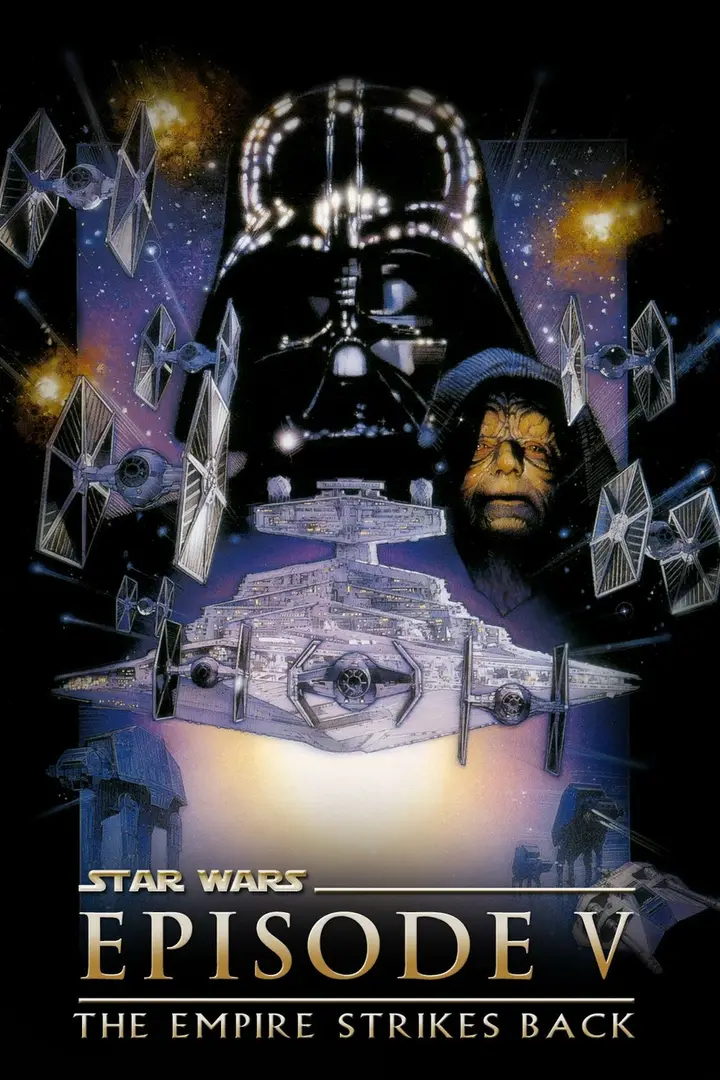
Star Wars: Episode V - The Empire Strikes Back
A timeless science fiction adventure about a young hero facing impossible choices, hidden truths, and the challenge of discovering who he truly is.
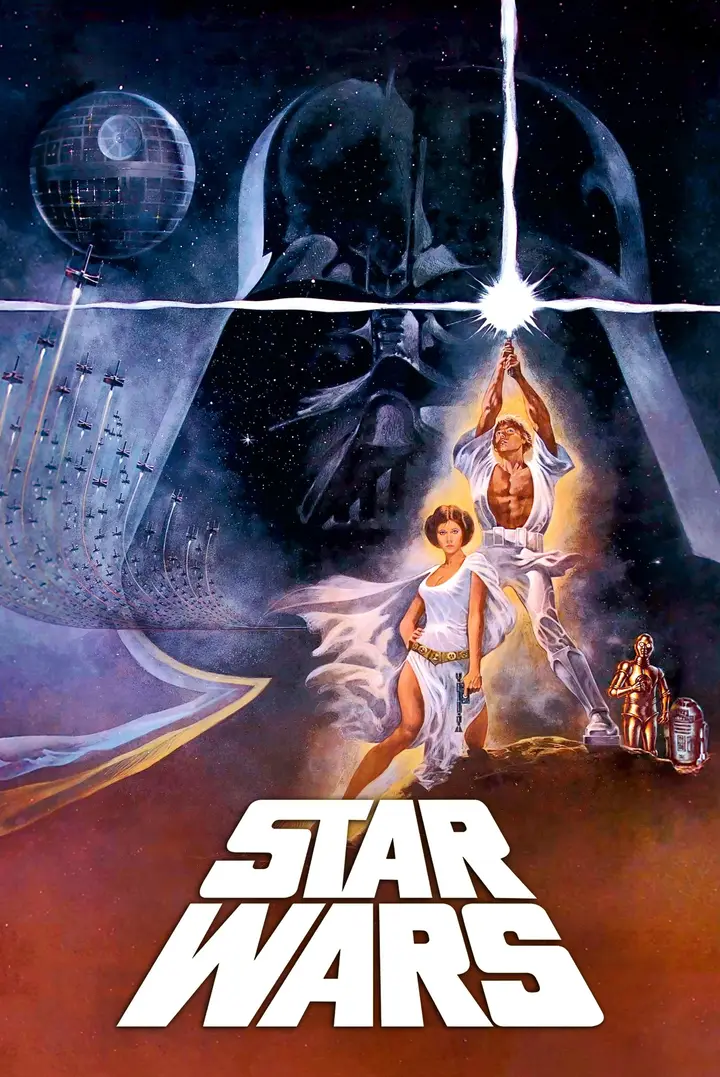
Star Wars: Episode IV - A New Hope
A timeless science fiction adventure about a young dreamer whose first steps beyond home open the door to a galaxy that would live in the imagination of generations.
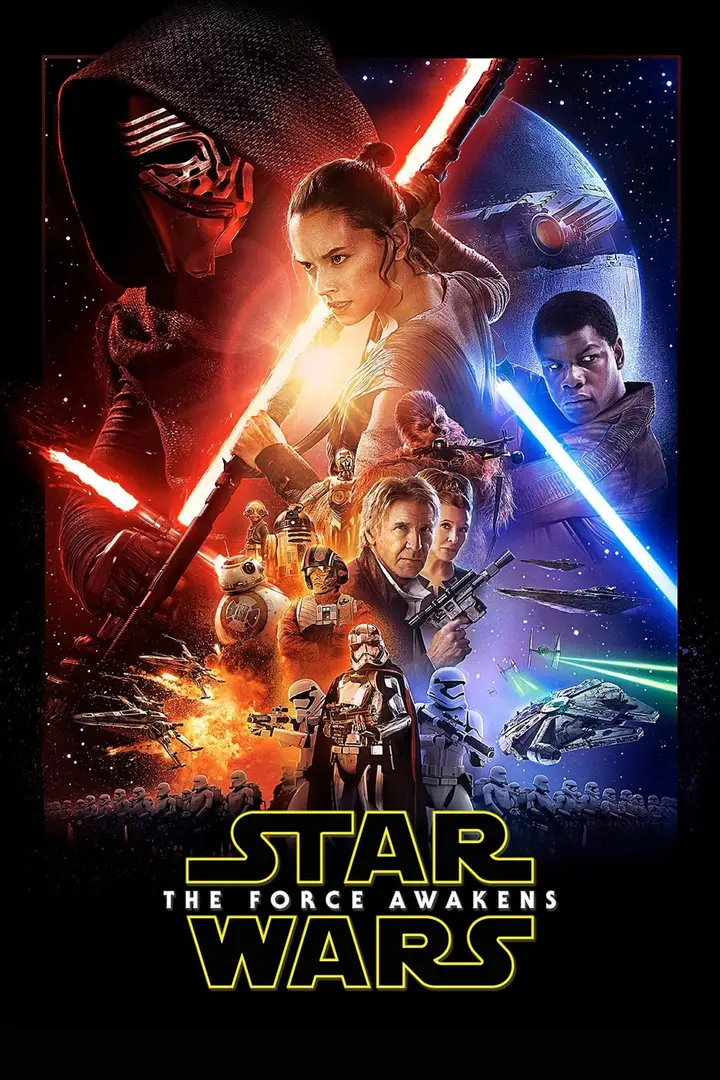
Star Wars: Episode VII - The Force Awakens
A hopeful science fiction adventure of new heroes, forgotten legends, and a galaxy discovering that its stories are still being written.
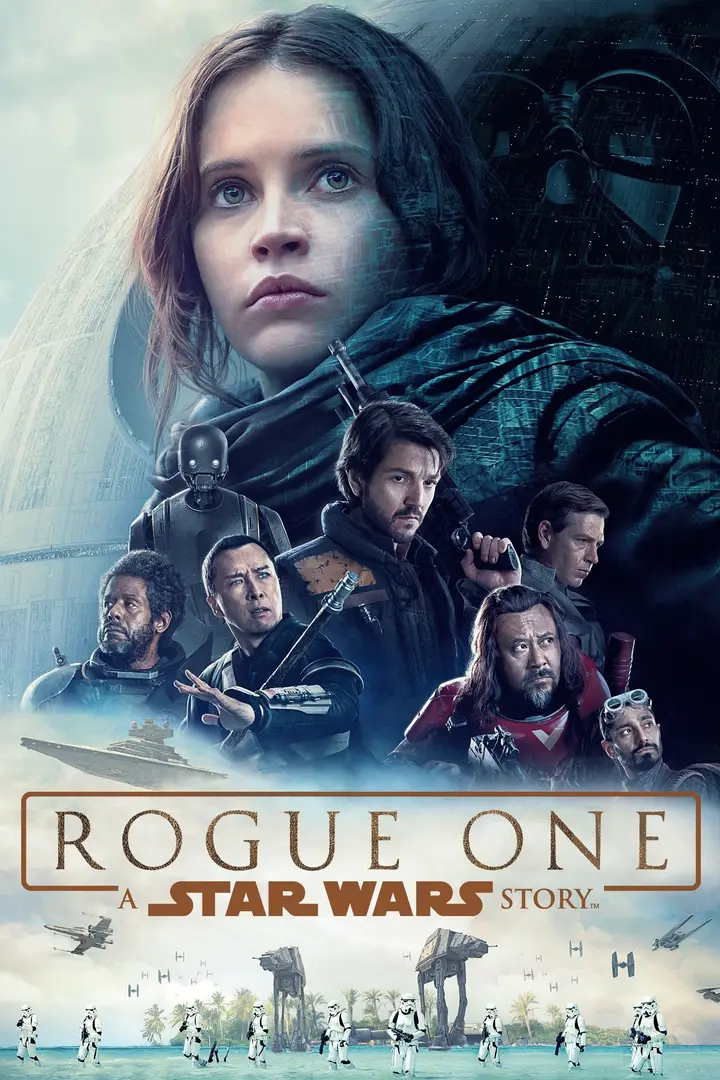
Rogue One: A Star Wars Story
A human science fiction adventure of impossible missions, uncertain victories, and the sacrifices made before a rebellion can rise.
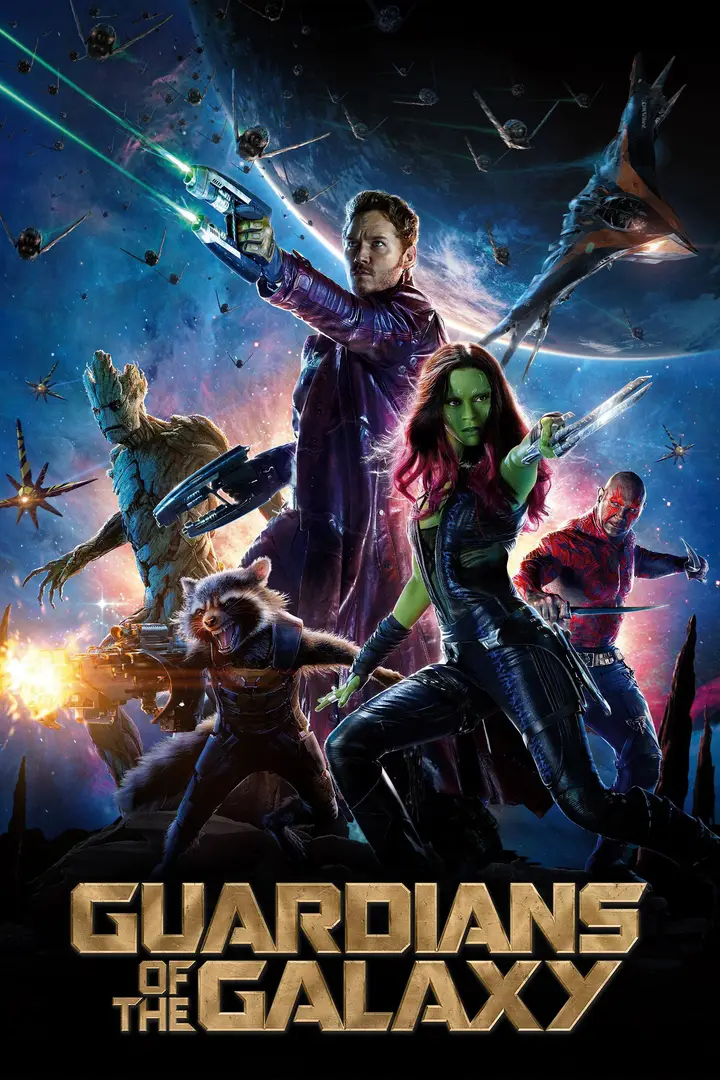
Guardians of the Galaxy
A vibrant science fiction adventure of music, humor, and unlikely heroes discovering that even the most different people can find a place where they belong.
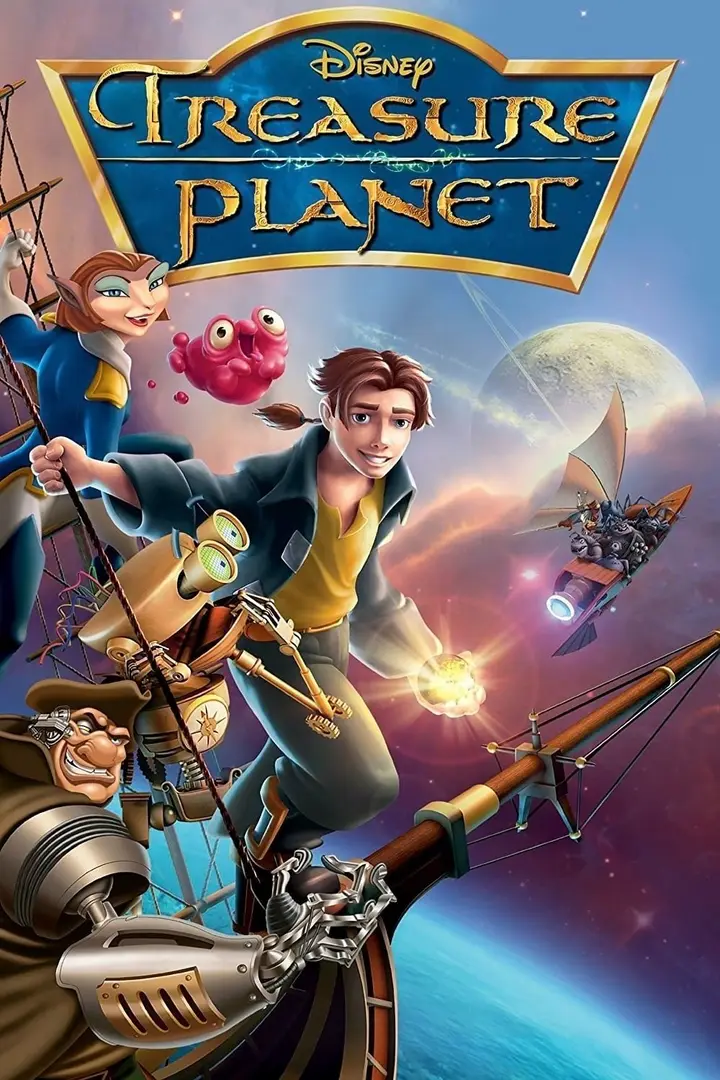
Treasure Planet
A thrilling spacefaring pirate adventure about trust, ambition, and an unexpected father-son bond.