Editor’s Choice
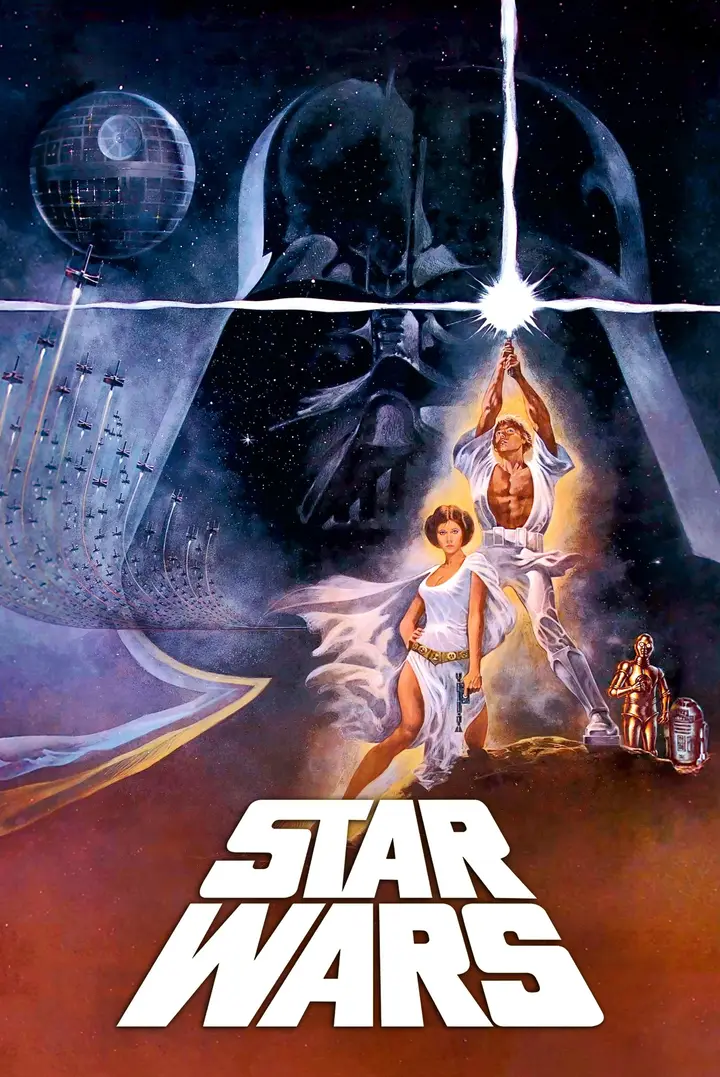
Star Wars: Episode IV - A New Hope
AgeMinimum 7Recommended 8+
A timeless science fiction adventure about a young dreamer whose first steps beyond home open the door to a galaxy that would live in the imagination of generations.
On the desert planet Tatooine, young farmhand Luke Skywalker discovers a hidden distress message inside the droid R2-D2, pleading for help from the mysterious hermit Obi-Wan Kenobi. When Imperial stormtroopers destroy his family's farm searching for the droids, Luke joins Obi-Wan on a mission to rescue Princess Leia, a rebel leader captured by the tyrannical Darth Vader. Alongside the smuggler Han Solo and his co-pilot Chewbacca, Luke is drawn into the rebellion against the Galactic Empire and its planet-destroying superweapon, the Death Star.
- Release Year
- 1977
- Runtime
- 121 min
- Studio
- Lucasfilm
- Format
- Live Action
- Genre
- Action, Adventure, Fantasy, Science Fiction
- Mood
- Epic, Playful
- MPAA Rating
- PG
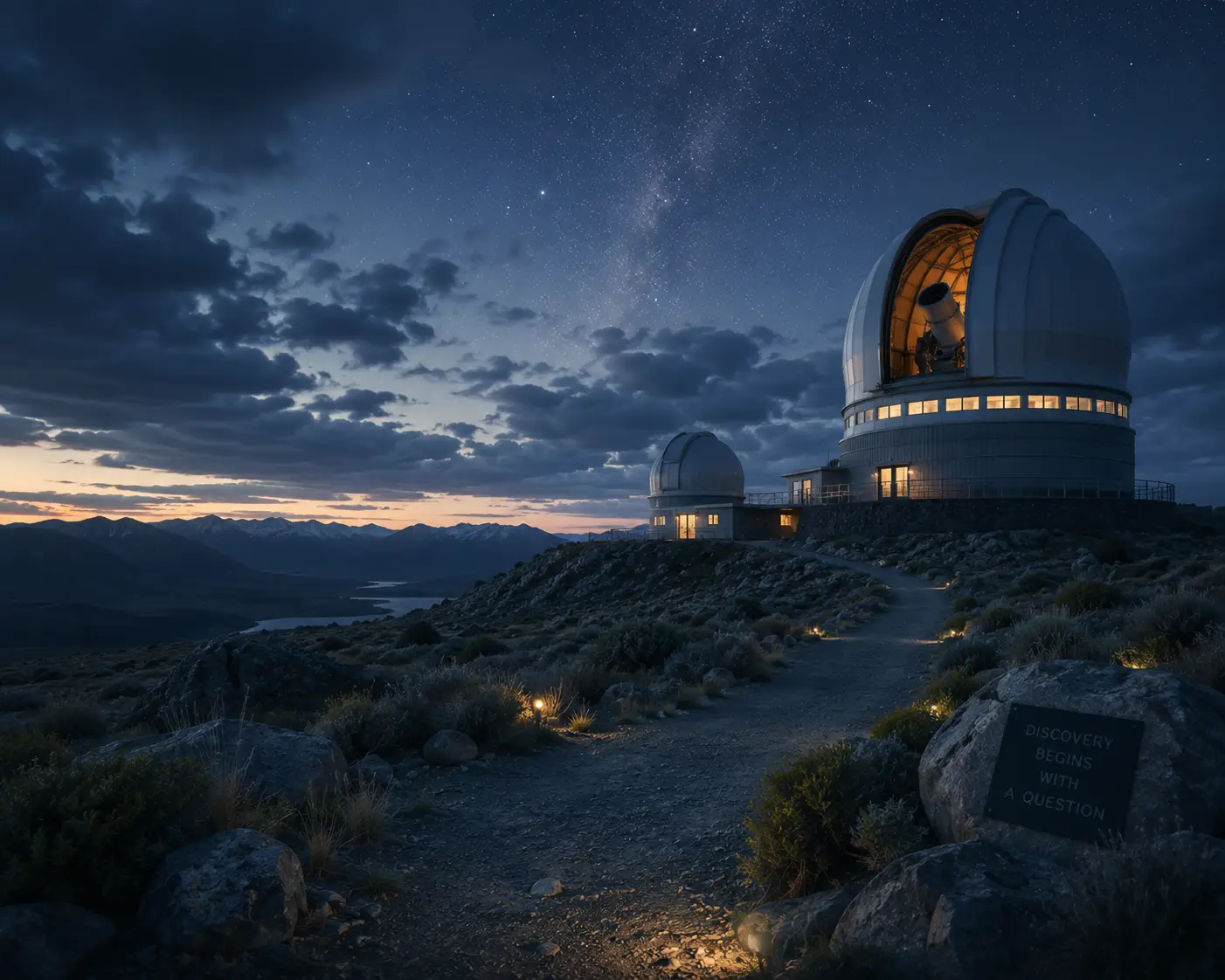
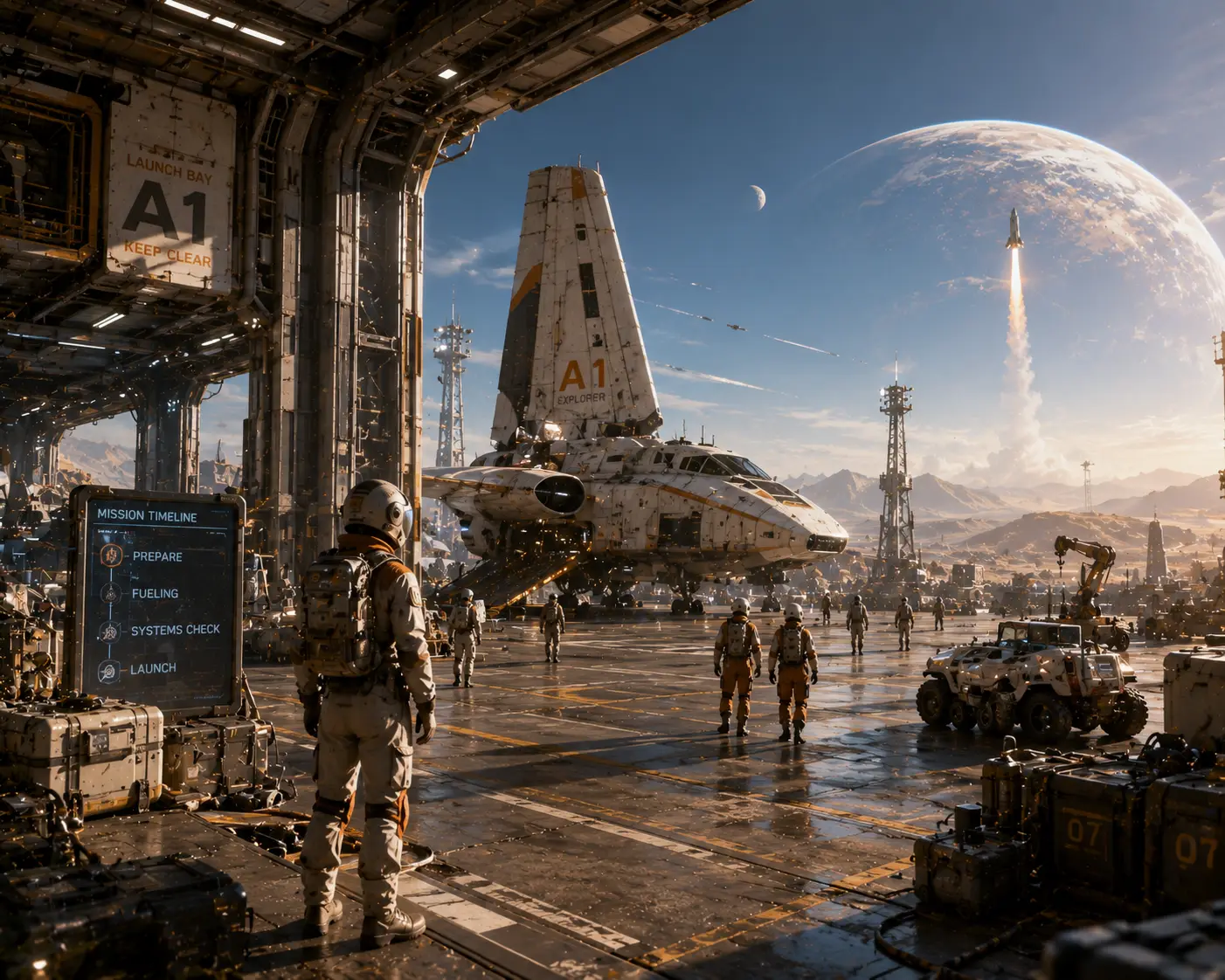
Star Wars: Episode IV - A New Hope begins with the feeling that the world we know is only a small part of something much larger. From the deserts of Tatooine to distant planets, starships, strange creatures, and forgotten histories, the film introduces a galaxy filled with places, cultures, and stories waiting to be discovered. At the center of this enormous universe is Luke Skywalker, a young man who feels limited by the life around him.
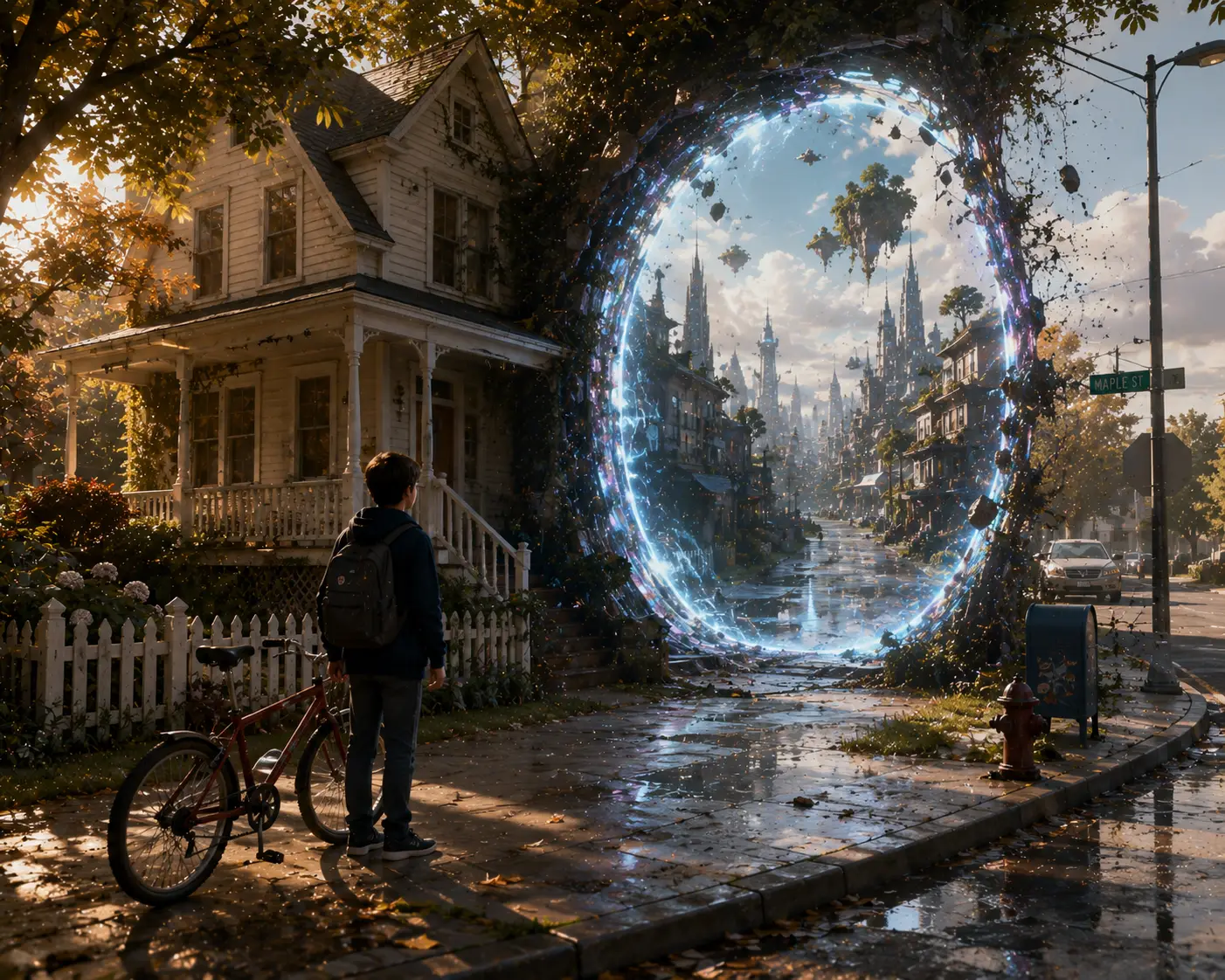
His journey begins with a mysterious message hidden inside a droid, opening a path toward a world he never knew existed. Mark Hamill brings Luke's curiosity, uncertainty, and determination to life as he moves beyond the limits of his desert home and discovers possibilities far beyond everything he has known. The adventure grows through the unforgettable characters who join Luke along the way. Obi-Wan Kenobi introduces him to a forgotten past, Princess Leia brings courage and leadership, and Han Solo adds humor, confidence, and unpredictability to the mission.
Together with Chewbacca and the droids, they create a group whose personalities give the galaxy its sense of adventure and discovery. A New Hope introduced a new kind of science fiction storytelling built around imagination, friendship, courage, and the belief that ordinary people can become part of something much larger than themselves. The film's universe became a place generations could return to, showing that a story from a distant galaxy could still feel deeply connected to human hopes, dreams, and experiences.
Why It Stands Out
Star Wars: Episode IV - A New Hope turned a distant galaxy into a world audiences could return to across generations, combining unforgettable characters, imaginative worlds, groundbreaking visual design, and memorable music. The film's unique strength comes from balancing a vast galactic conflict with a simple human experience: one young person discovering that life can become much larger than the world he already knows.
Parents’ Insight
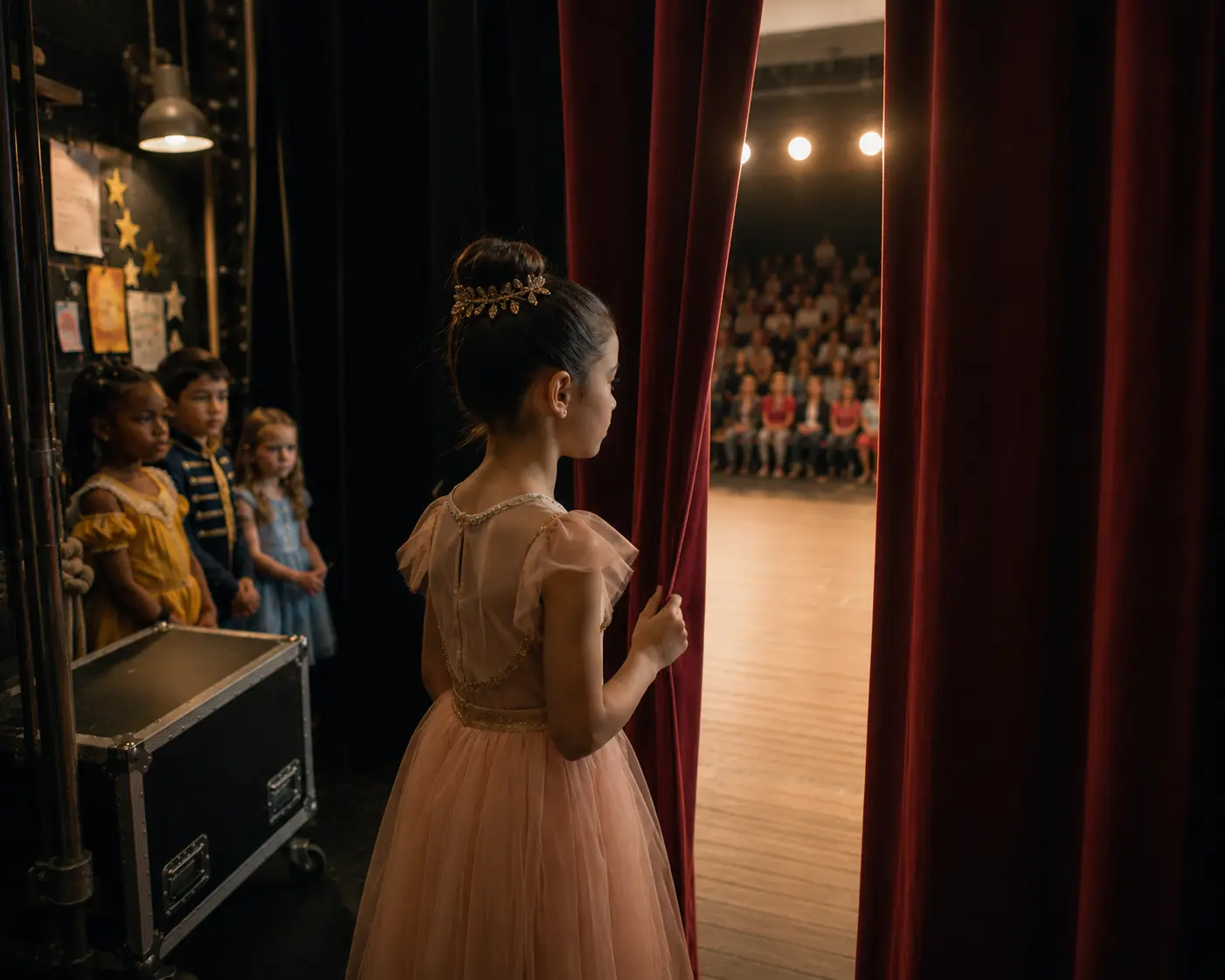
The world Luke knows begins to feel smaller than his imagination, and leaving Tatooine brings uncertainty and excitement together as he discovers possibilities beyond anything his family ever showed him. Growing up means finding the confidence to explore new paths while carrying the values built at home.
Editor’s Choice: Groundbreaking design, iconic score and a saga's birth
Parents’ Guide
What to know before you press play
Six things parents ask about, rated on the same scale for every film and series in the collection.
- Scary intensity
- Minimal (1 of 5)
- Violence
- Moderate (3 of 5)
- Language
- Minimal (1 of 5)
- Emotional intensity
- Mild (2 of 5)
- Sexual content
- None (0 of 5)
- Substance use
- Mild (2 of 5)
Content notes
- Sci-fi violence and the destruction of a planet (implied, not graphic)
Questions Parents Ask
What is Star Wars: Episode IV - A New Hope about?
Luke Skywalker lives a simple life on the desert planet of Tatooine until a hidden message carried by the droid R2-D2 leads him to the wise Jedi Obi-Wan Kenobi. When Imperial forces destroy the only home Luke has ever known, he sets out on an extraordinary journey alongside smuggler Han Solo, Princess Leia, Chewbacca, C-3PO, and R2-D2. Together they confront the oppressive Galactic Empire and its terrifying superweapon, the Death Star. As Luke begins to understand the mysterious Force, he discovers that courage, friendship, and hope can inspire ordinary people to accomplish extraordinary things.
What age is Star Wars: Episode IV - A New Hope suitable for?
Minimum age: 7. Recommended age: 8+. The Death Star's destruction of Alderaan is immense but shown without graphic detail. Seven-year-olds can usually handle the stylized battles and peril; at eight, children are more likely to grasp the scale of the Empire's violence and why the loss matters beyond the immediate action.
Is Star Wars: Episode IV - A New Hope scary?
- Space battles
- Lightsaber duels
- Darth Vader
- Planet destroyed (non-graphic)
- Gore or graphic violence
- Horror elements
Within Star Wars: Episode IV - A New Hope, viewers see frequent action scenes, occasional moments of peril, and the imposing presence of Darth Vader, whose appearance can be intimidating for younger viewers. The film avoids graphic violence, and its optimistic tone ensures that suspense is balanced by humor, heroism, and memorable moments of triumph.
Is Star Wars: Episode IV - A New Hope worth watching?
Star Wars: Episode IV – A New Hope is one of the most influential adventure films ever made, combining unforgettable characters, groundbreaking visual effects, and a timeless story about hope overcoming fear. Few films have shaped popular culture as profoundly as Star Wars: Episode IV – A New Hope. George Lucas created a richly imagined universe that feels both vast and deeply personal, while John Williams' iconic score elevates every moment of the adventure. Luke, Leia, Han Solo, Obi-Wan Kenobi, and Darth Vader have become some of cinema's most enduring characters, and the film's classic hero's journey continues to inspire audiences across generations. Its blend of excitement, humor, imagination, and optimism makes it an essential family adventure that remains as captivating today as it was in 1977.
What is Star Wars: Episode IV - A New Hope based on?
Unlike many family classics, Star Wars: Episode IV – A New Hope is not based on a book. George Lucas developed the story as an original space fantasy, drawing inspiration from mythology, Akira Kurosawa's samurai films, classic movie serials, and Joseph Campbell's writings on the hero's journey. The film later inspired an enormous universe of novels, television series, comics, and games.
What order should you watch the Star Wars movies in?
Star Wars: Episode IV - A New Hope (1977) is the first of the 13 Star Wars movies, so it is the place to start. Release order: 1) Star Wars: Episode IV - A New Hope (1977, best from age 8); 2) Star Wars: Episode V - The Empire Strikes Back (1980, best from age 9); 3) Star Wars: Episode VI - Return of the Jedi (1983, best from age 9); 4) Star Wars: Episode I - The Phantom Menace (1999, prequel, best from age 8); 5) Star Wars: Episode II - Attack of the Clones (2002, prequel, best from age 9); 6) Star Wars: Episode III - Revenge of the Sith (2005, prequel, best from age 11); 7) Star Wars: The Clone Wars (2008, spin-off, best from age 9); 8) Star Wars: Episode VII - The Force Awakens (2015, best from age 10); 9) Rogue One: A Star Wars Story (2016, spin-off, best from age 11); 10) Star Wars: Episode VIII - The Last Jedi (2017, best from age 10); 11) Solo: A Star Wars Story (2018, spin-off, best from age 10); 12) Star Wars: Episode IX - The Rise of Skywalker (2019, best from age 10); 13) The Mandalorian and Grogu (2026, spin-off, best from age 11). For a first watch, start with release order (Episodes IV, V, VI): the big reveals land as intended. Story order runs Episodes I–III, Solo: A Star Wars Story, Rogue One: A Star Wars Story, Episodes IV–VI, The Mandalorian and Grogu, then Episodes VII–IX. Rogue One: A Star Wars Story ends minutes before Star Wars: Episode IV - A New Hope begins and has the series’ heaviest war violence, so it suits older viewers. Ages across the series range from 8 (Star Wars: Episode IV - A New Hope) to 11 (Star Wars: Episode III - Revenge of the Sith), so a younger child may be ready for some films well before others. All 13 have a full parents’ guide in The Family Film Collection.
Talk About It
Luke Skywalker follows Leia’s hidden message from Tatooine into a rebellion.
- What makes Luke leave Tatooine with Obi-Wan?
- How does the journey change Luke’s idea of adventure?
- Would you have trusted a stranger who claimed to be a Jedi?
- What makes Leia’s message so important?
- How does Luke grow from farm boy to rebel?
- Which scene best shows the Force becoming meaningful?
- Luke risks everything to answer a message hidden inside R2-D2, asking for Obi-Wan's help. What would have happened if he had ignored it?
- How does the film balance action with character?
Turn this film into a ready-to-use class discussion
Use the Teacher Resources already attached to this film. Choose the questions you want, then print, copy or share the result.
Similar Movies
Two more entries push this original trilogy forward, but it begins with a farm boy joining a rebellion against a galactic empire in Star Wars: A New Hope. A later chapter picks up a generation on, and Solo fills in one hero's earlier years; Guardians of the Galaxy sends that scale of adventure elsewhere.
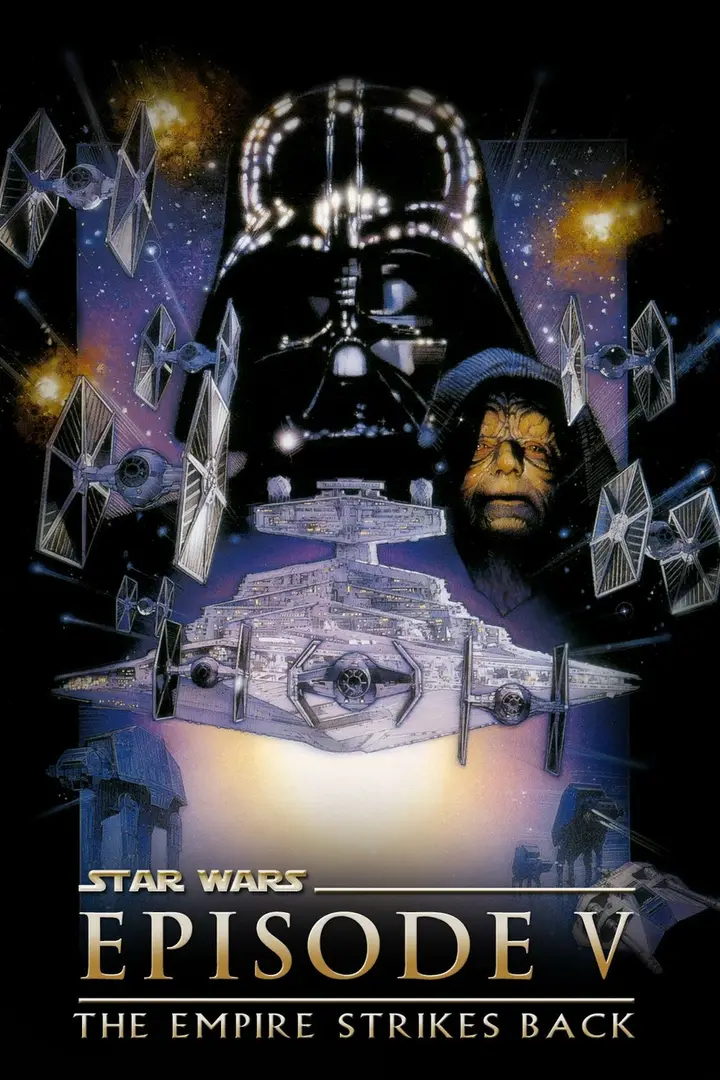
Star Wars: Episode V - The Empire Strikes Back
A timeless science fiction adventure about a young hero facing impossible choices, hidden truths, and the challenge of discovering who he truly is.
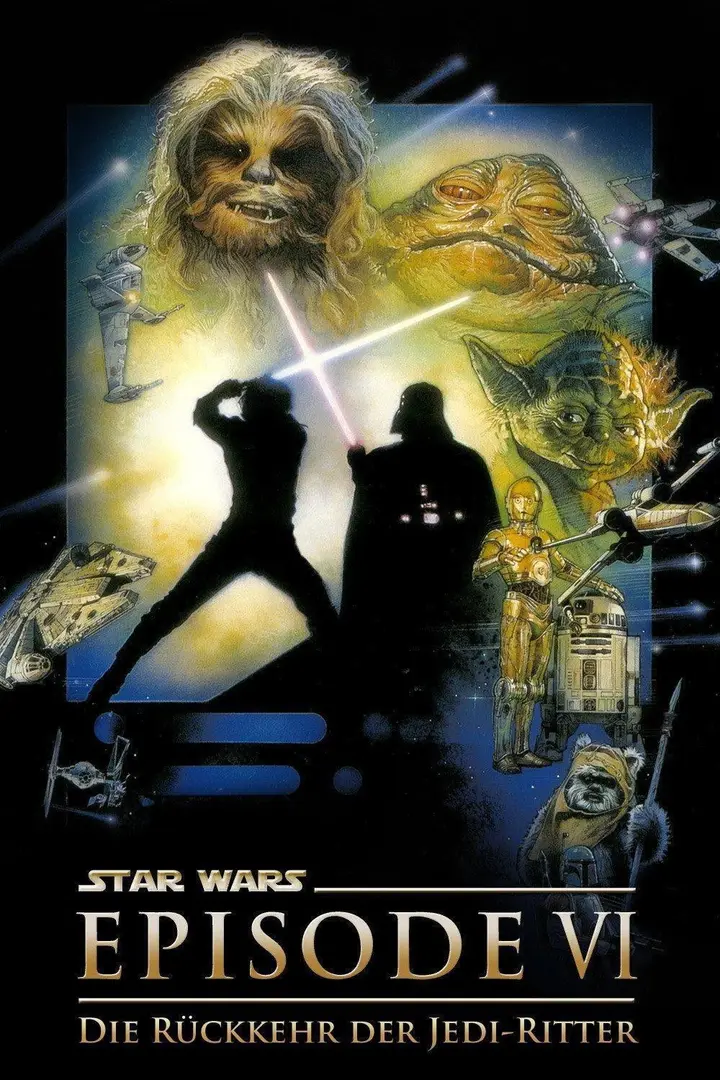
Star Wars: Episode VI - Return of the Jedi
A hopeful science fiction adventure about friendship, forgiveness, and a hero's final choice between fear and compassion.
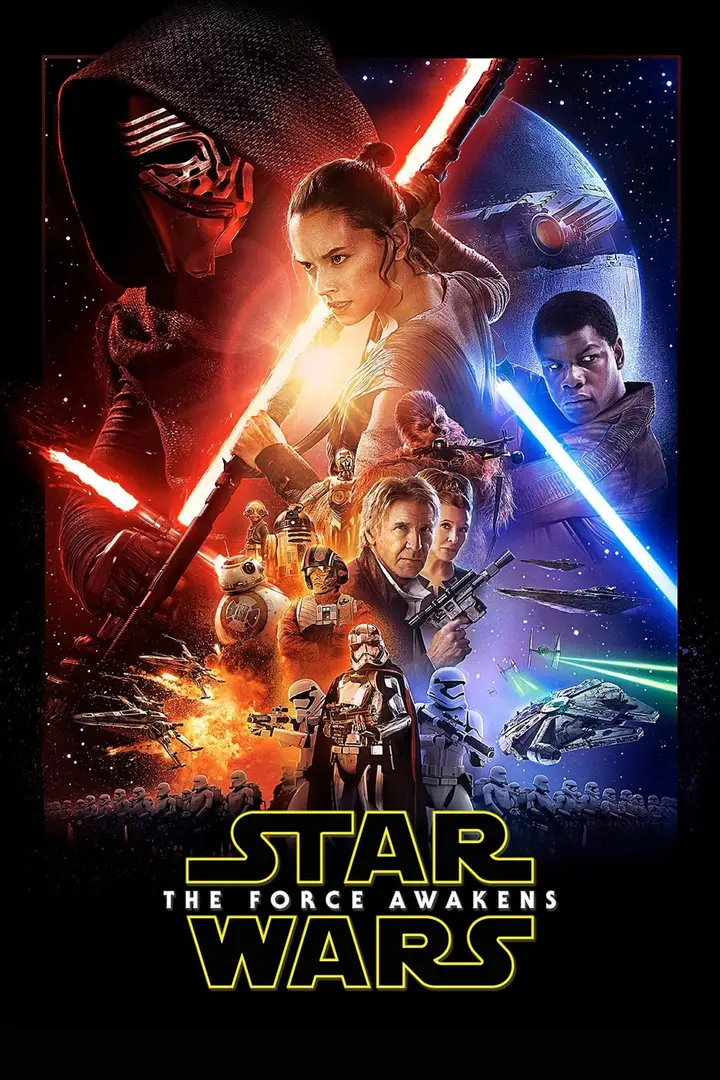
Star Wars: Episode VII - The Force Awakens
A hopeful science fiction adventure of new heroes, forgotten legends, and a galaxy discovering that its stories are still being written.
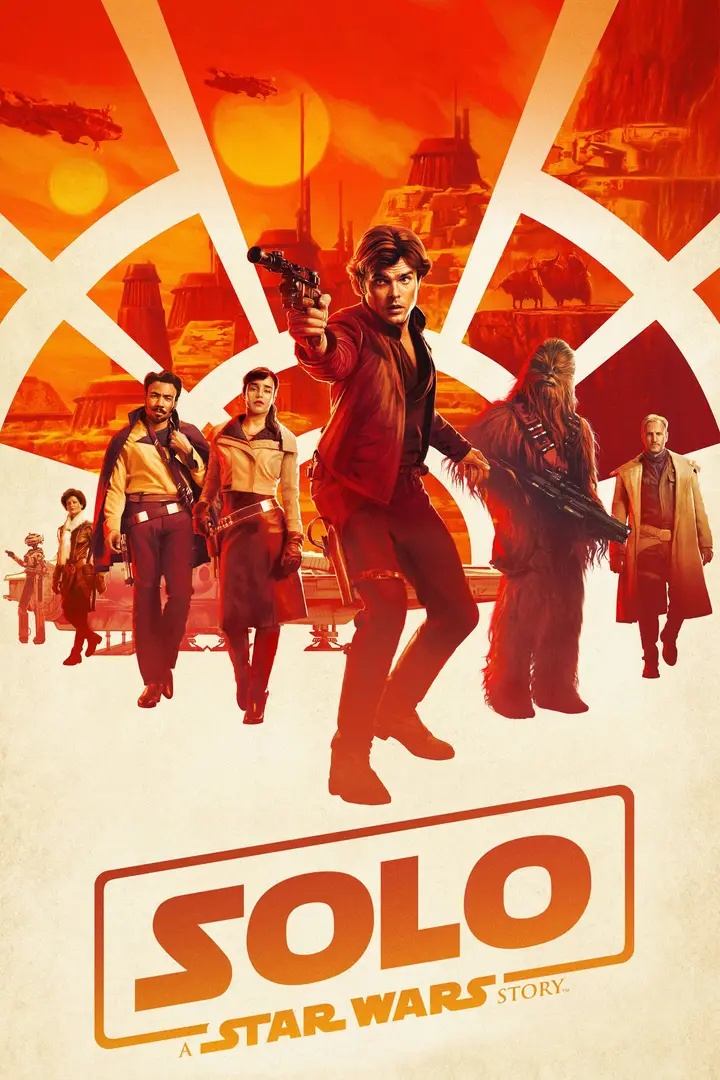
Solo: A Star Wars Story
A spirited science fiction adventure of daring escapes, unlikely friendships, and a young pilot discovering a galaxy far beyond his expectations.
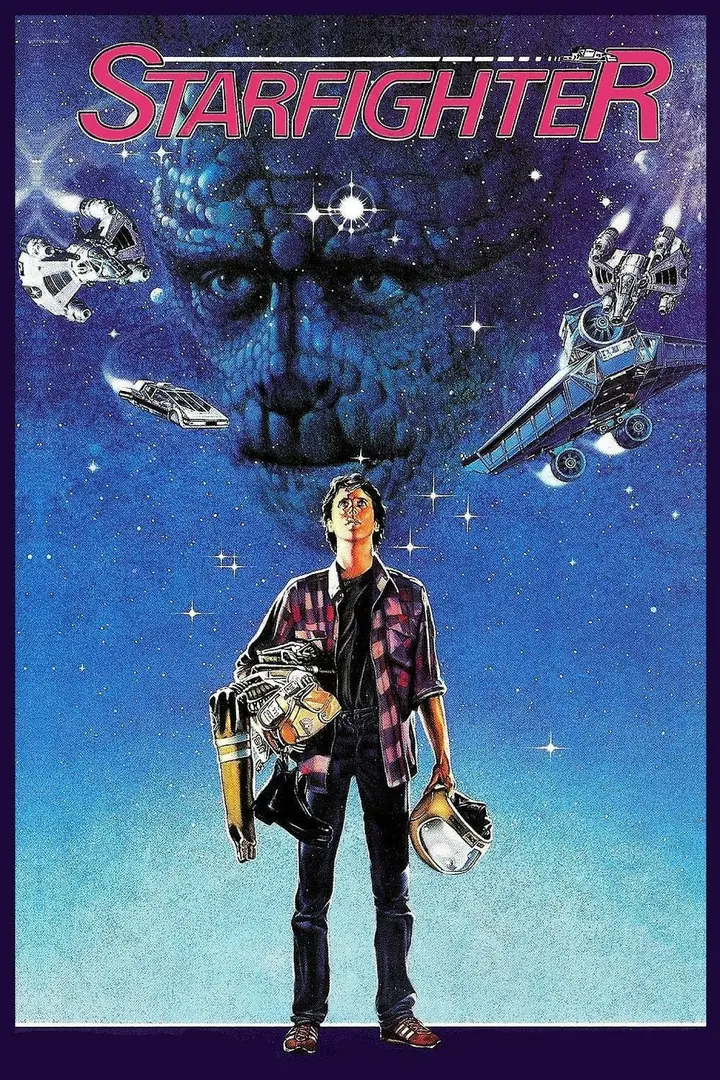
The Last Starfighter
A science fiction adventure about an ordinary teenager whose arcade skills open a doorway to the stars.
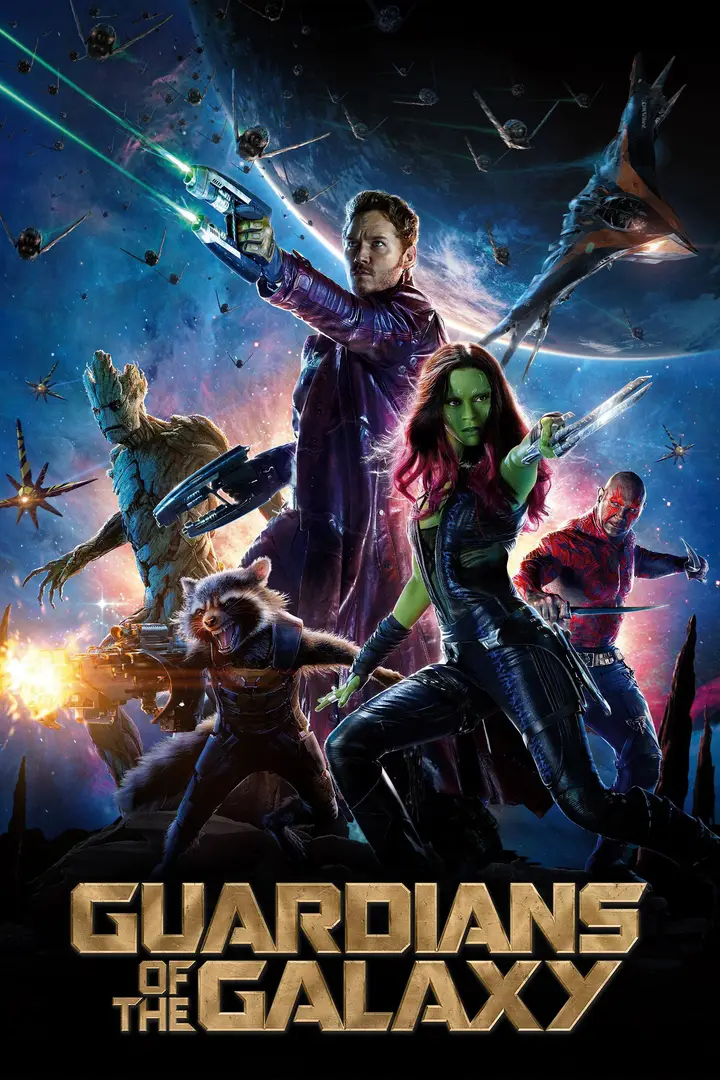
Guardians of the Galaxy
A vibrant science fiction adventure of music, humor, and unlikely heroes discovering that even the most different people can find a place where they belong.