Editor’s Choice
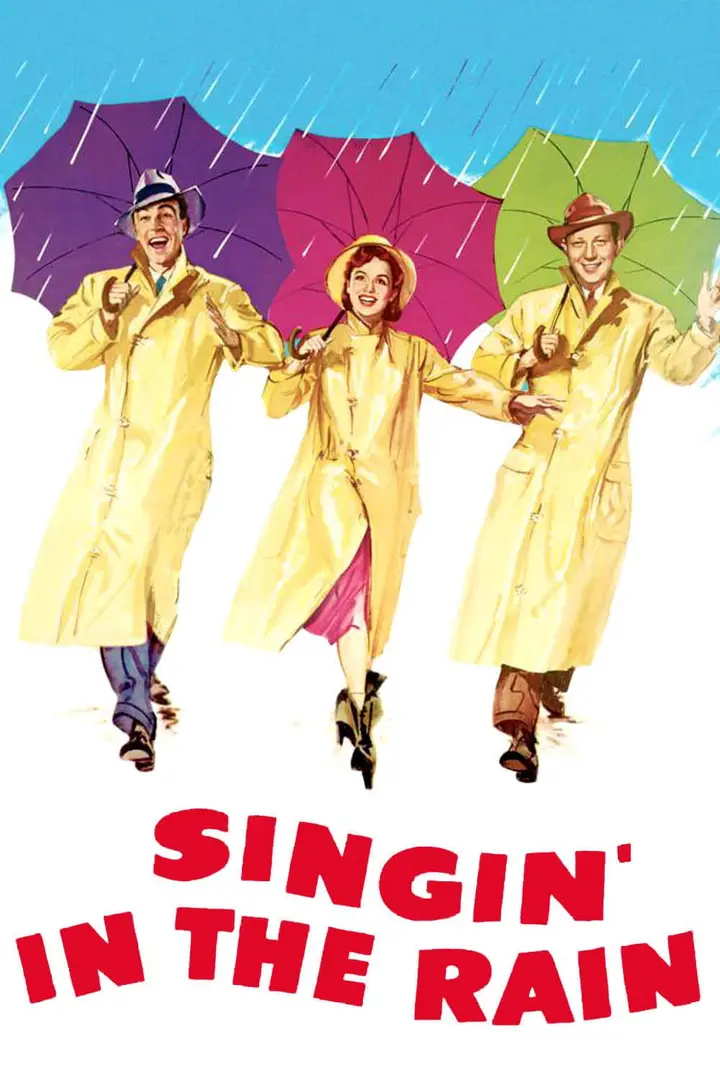
Singin' in the Rain
AgeMinimum 4Recommended 6+
A dazzling musical journey through Hollywood studios, backstage chaos, and the unforgettable moment when silent cinema found its voice.
In 1920s Hollywood, silent film star Don Lockwood and his longtime screen partner Lina Lamont face the arrival of talking pictures. As studios rush to adapt to the new technology, Don works with aspiring actress Kathy Selden and his friend Cosmo Brown to transform their next production into a new kind of movie.
- Release Year
- 1952
- Runtime
- 103 min
- Studio
- Metro-Goldwyn-Mayer
- Format
- Live Action
- Genre
- Comedy, Musical, Romance
- Mood
- Funny, Playful
- MPAA Rating
- G
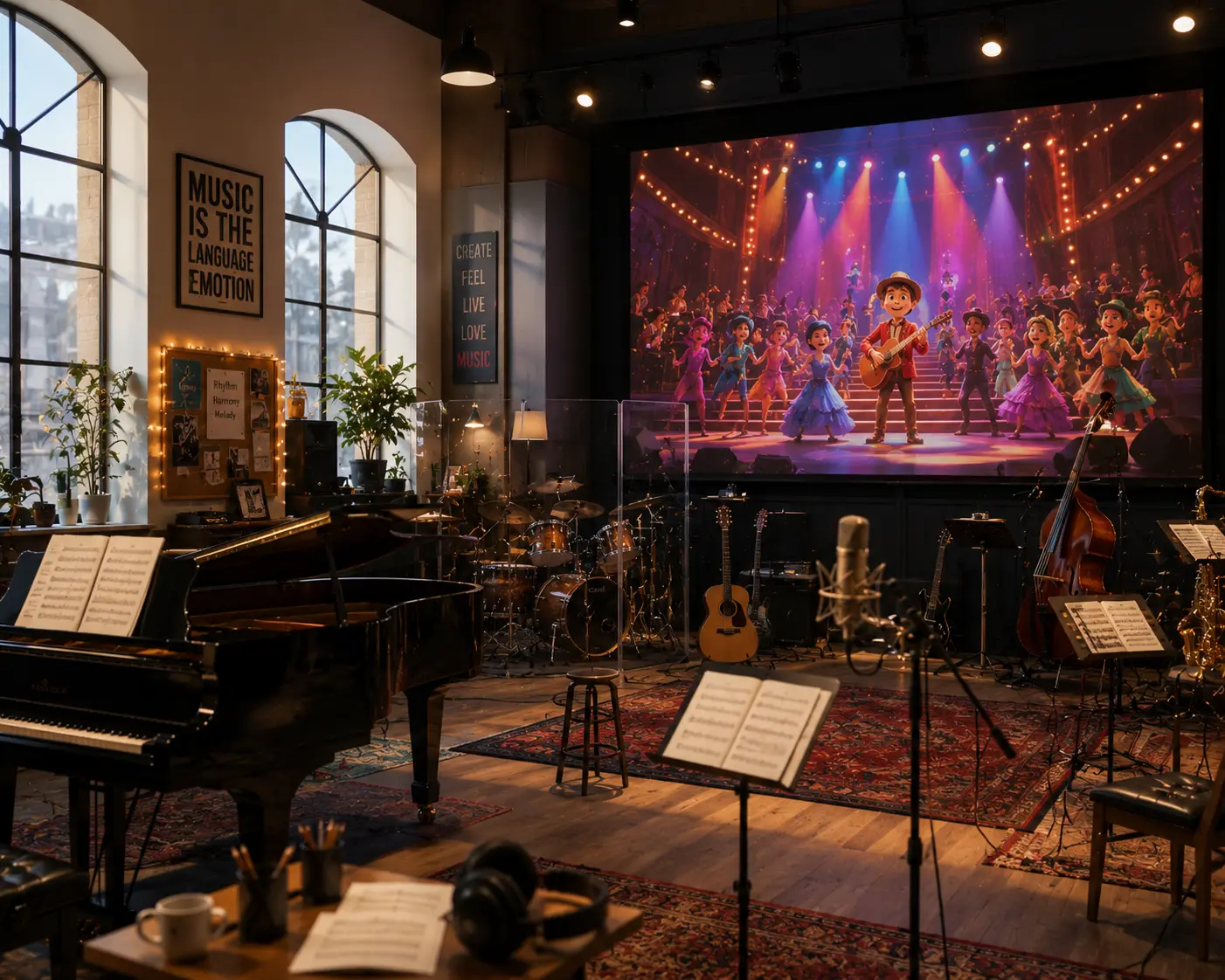
Singin' in the Rain opens a window into the golden age of Hollywood, where enormous studios, painted backdrops, orchestras, and cameras create a world of constant movement behind the scenes. The arrival of sound changes everything, turning familiar silent productions into experiments filled with new challenges and unexpected possibilities.
Don Lockwood, Cosmo Brown, and Kathy Selden experience the transformation from different sides of the industry. Actors learn to work with hidden microphones, directors rethink their methods, and performers discover that a movie is created through the collaboration of countless people.
The film turns the making of movies into its own adventure. Rain-filled streets, sweeping dance sequences, vibrant costumes, and the energy of performers finding new ways to express themselves create the feeling of watching cinema being reinvented.
Why It Stands Out
Silent films are dying, and Lina Lamont's voice is the reason, a screeching problem nobody on set is brave enough to mention to her directly. The film's funniest moments all come from that very awkward, very necessary conversation nobody wants to have.
Parents’ Insight
Behind every story that reaches an audience are people who imagine, create, and solve problems together. Singin' in the Rain reveals the excitement of teamwork and the joy of finding new ways to bring ideas to life.
Editor’s Choice: Joyous dance, classic songs and comic brilliance
Parents’ Guide
What to know before you press play
Six things parents ask about, rated on the same scale for every film and series in the collection.
- Scary intensity
- None (0 of 5)
- Violence
- None (0 of 5)
- Language
- None (0 of 5)
- Emotional intensity
- Minimal (1 of 5)
- Sexual content
- None (0 of 5)
- Substance use
- Minimal (1 of 5)
Content notes
- Mild slapstick comedy and romantic themes; no significant content concerns.
Parent guidance
No significant content concerns; classic musical comedy.
Questions Parents Ask
What is Singin' in the Rain about?
In 1920s Hollywood, silent film star Don Lockwood and his longtime screen partner Lina Lamont face the arrival of talking pictures. As studios rush to adapt to the new technology, Don works with aspiring actress Kathy Selden and his friend Cosmo Brown to transform their next production into a new kind of movie, discovering along the way what it actually takes to make something new.
What age is Singin' in the Rain suitable for?
Minimum age: 4. Recommended age: 6+. A wholesome classic musical with no violence, scares, or mature content, suitable for nearly any age. Some slapstick physical comedy and a few moments of workplace tension over Lina's temper.
Is Singin' in the Rain scary?
- Mild slapstick comedy and pratfalls
- Brief tension around Lina Lamont's anger
- Violence, peril, or frightening imagery
Singing in the Rain is a gentle, joyful musical comedy with nothing genuinely scary or intense in it at any point. Even Lina Lamont's tantrums and the film's satirical jabs at Hollywood egos stay firmly in the register of comedy rather than real conflict.
Is Singin' in the Rain worth watching?
Singin' in the Rain has earned its reputation as one of the finest movie musicals ever made, combining genuinely funny physical comedy, spectacular dance sequences, and real insight into how movies actually get made. It rewards repeat viewing at any age. Gene Kelly's title number remains one of the most purely joyful sequences in film history, and the film's satire of Hollywood's transition to sound still holds up.
What is Singin' in the Rain based on?
Singin' in the Rain is not adapted from a novel or play. Betty Comden and Adolph Green wrote an original story designed to showcase a catalog of songs by Nacio Herb Brown and Arthur Freed that MGM already owned, turning old musical numbers into a brand-new story about Hollywood's transition from silent films to talkies.
Talk About It
Don Lockwood and his friends must reinvent their movie once talking pictures arrive. Discuss teamwork, adapting to change, and the courage to try something new.
- Why is Lina Lamont's voice such a big problem once movies start talking?
- How do Don, Cosmo, and Kathy solve the problem together instead of alone?
- What does Cosmo's humor add to the group when things go wrong?
- Why does Kathy hesitate to take credit for her own singing voice?
- What does the film show about the courage it takes to try something brand new?
- Have you ever had to completely redo a project because the plan changed? What happened?
- Why do you think this film is still loved decades after it was made?
- If you were on Don's team, what would you have suggested to fix their movie?
Turn this film into a ready-to-use class discussion
Use the Teacher Resources already attached to this film. Choose the questions you want, then print, copy or share the result.
Similar Movies
The Muppet Movie, Newsies, Cats Don't Dance and The Sound of Music all build important moments around songs or performance, each in a different setting. Riverdance turns musical movement into fantasy, while Miracle on 34th Street brings another side of classic Hollywood storytelling.
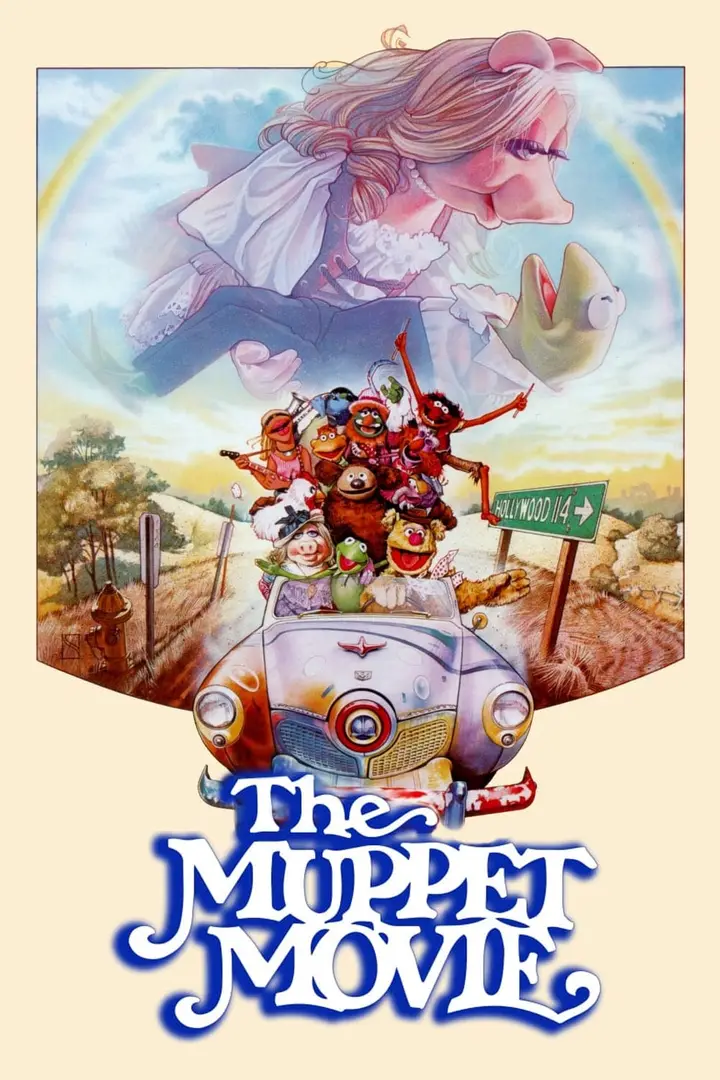
The Muppet Movie
A warm, funny road-trip adventure about chasing your dreams, no matter how unlikely they seem.
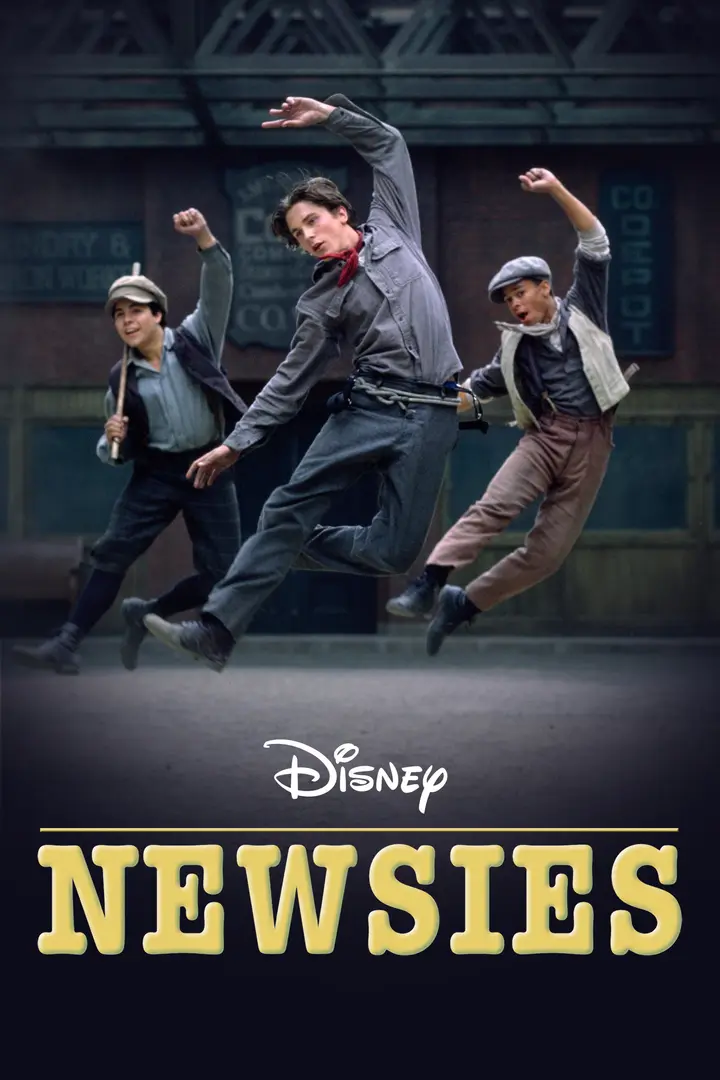
Newsies
A high-energy musical adventure of newspaper boys, rooftop dances, and young voices filling 1899 New York with song.
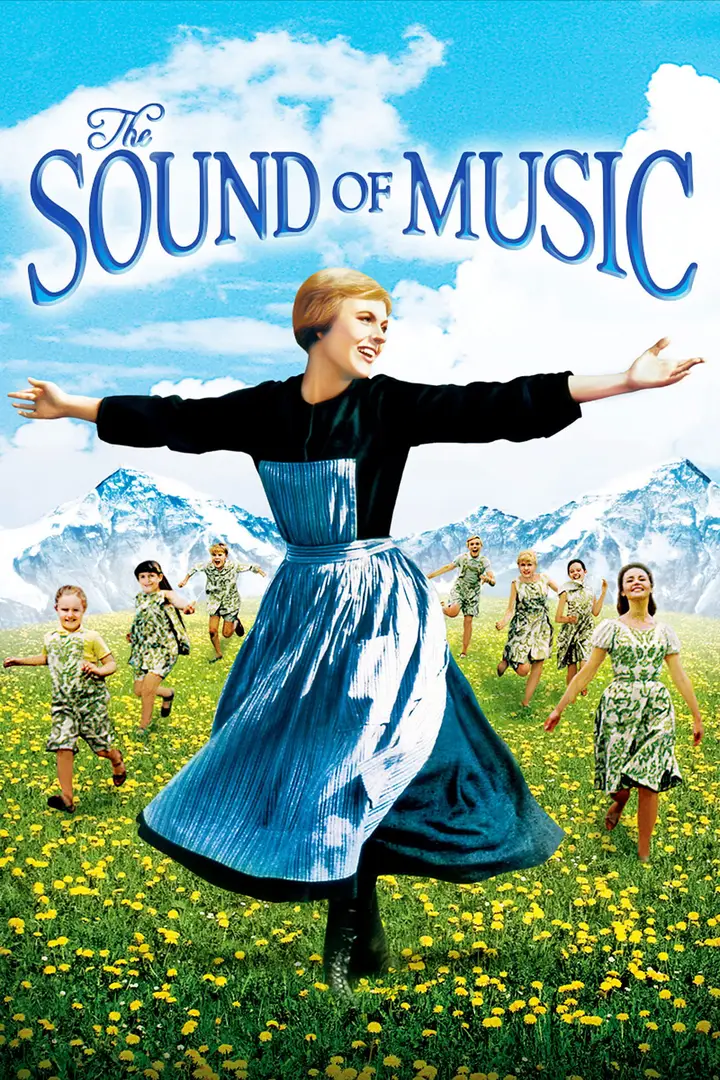
The Sound of Music
A timeless musical journey where one woman's spirit brings music, warmth, and connection back into a family's silent world.
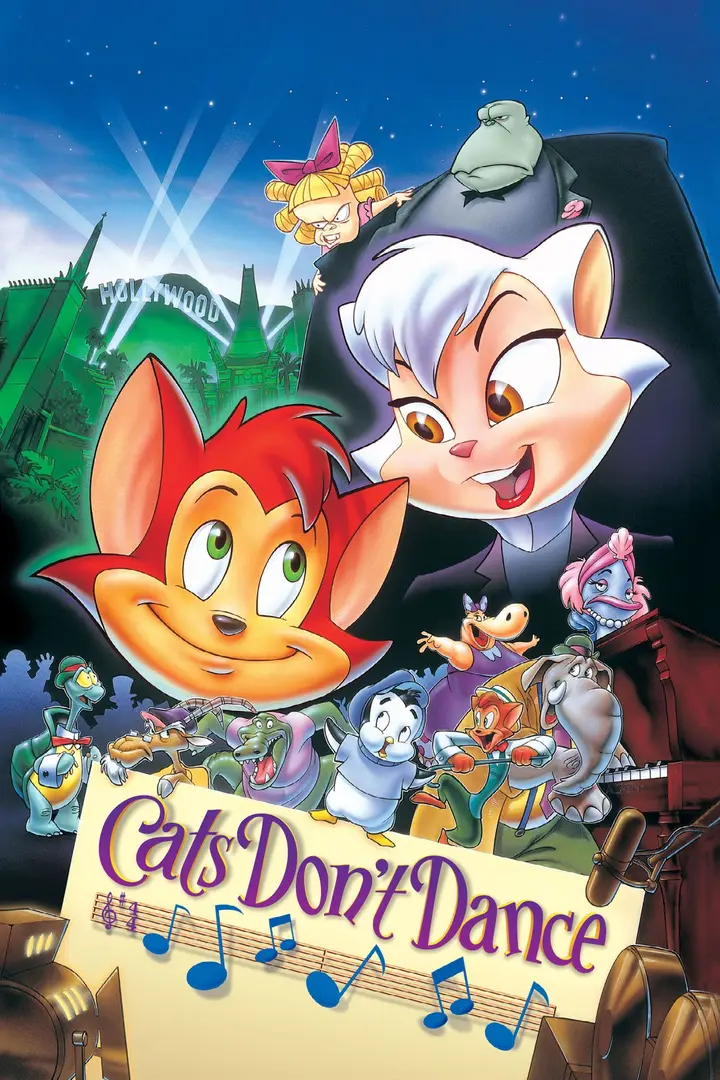
Cats Don't Dance
Hollywood glamour, jazzy rhythms, painted backdrops, tap-dancing cats, and a forgotten performer chasing a place in the spotlight.
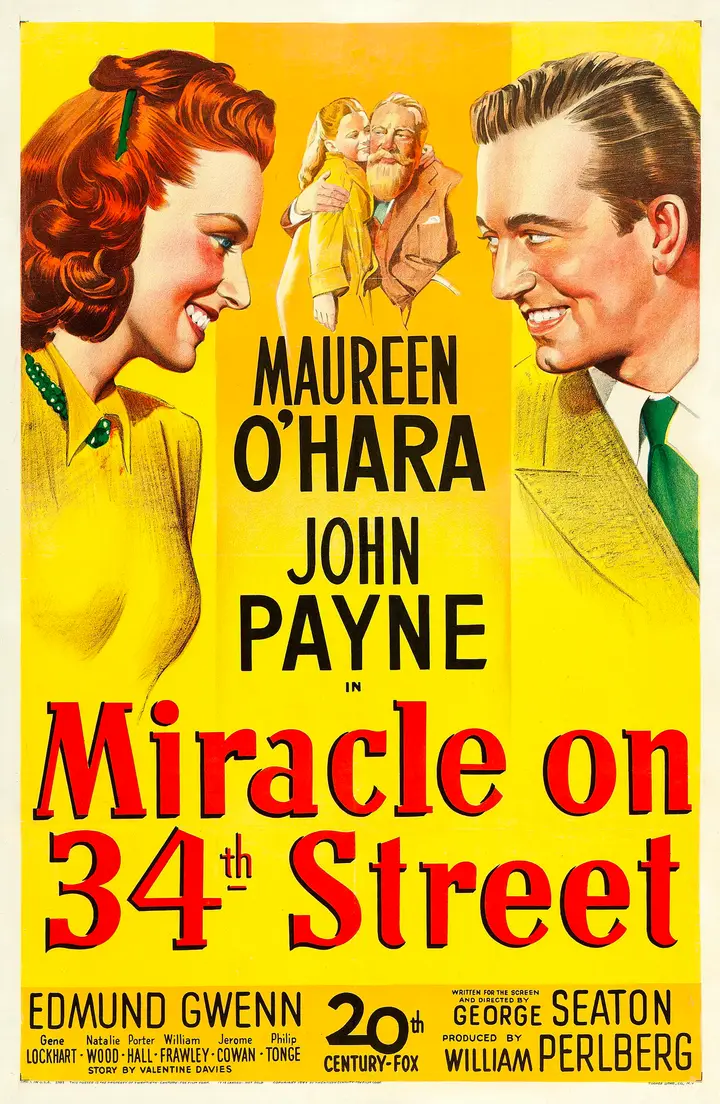
Miracle on 34th Street
A timeless Christmas story where belief enters an ordinary world and challenges people to question what cannot be explained.
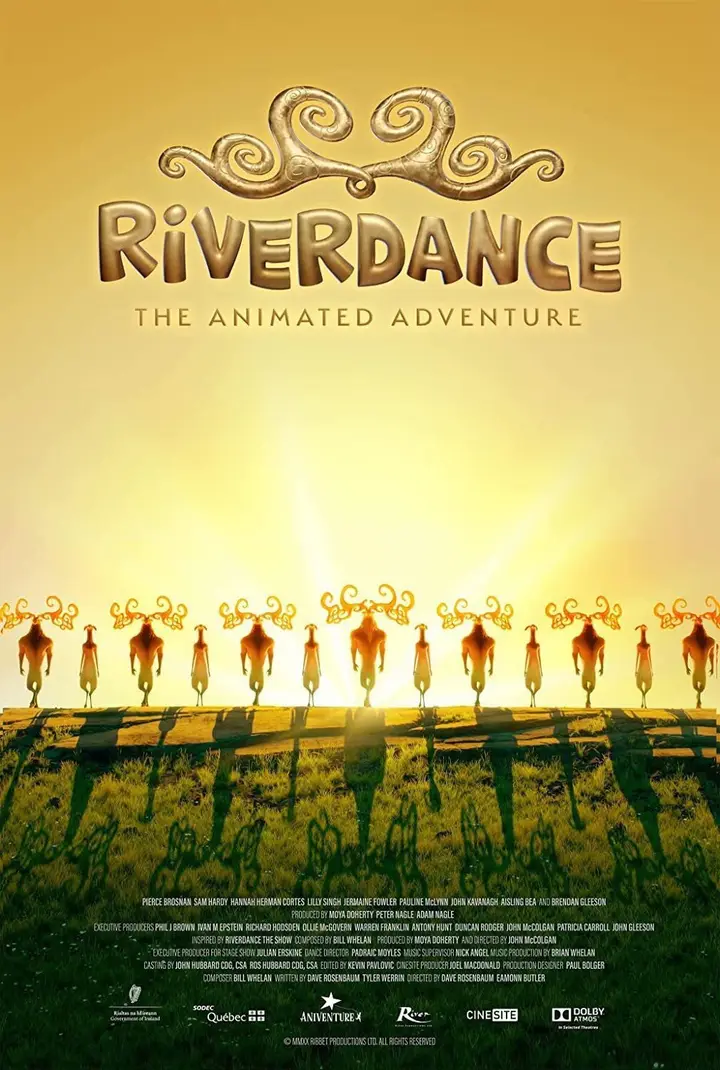
Riverdance: The Animated Adventure
A musical fantasy filled with Irish landscapes, ancient legends, and a world where rhythm brings forgotten stories to life.