Editor’s Choice
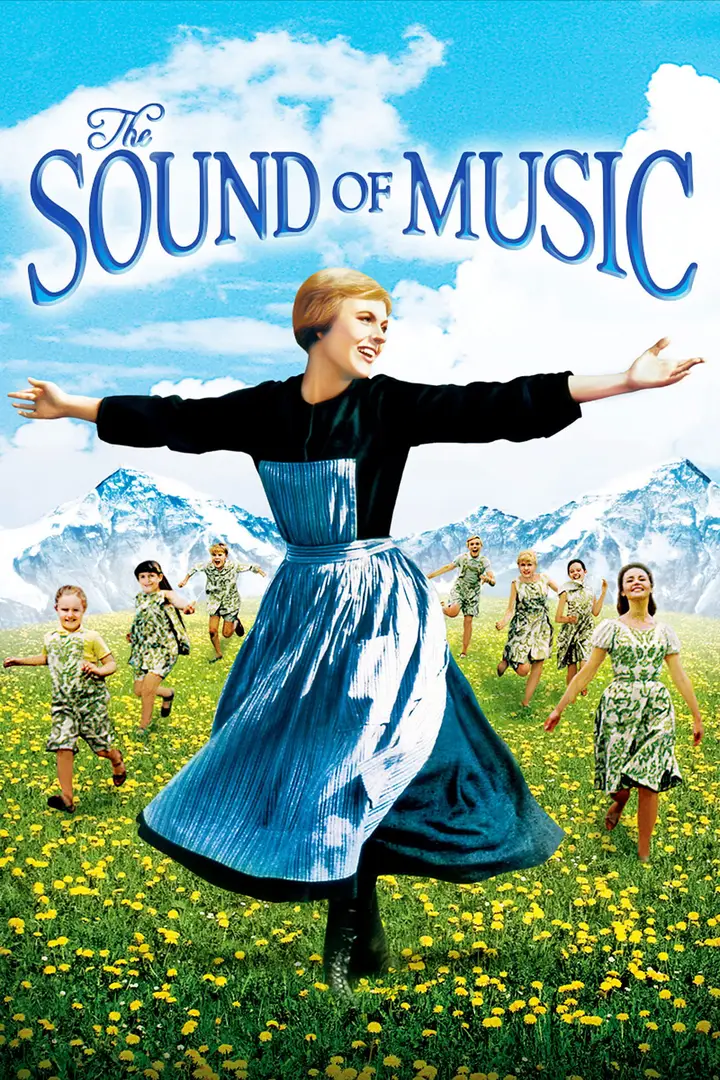
The Sound of Music
AgeMinimum 6Recommended 7+
A timeless musical journey where one woman's spirit brings music, warmth, and connection back into a family's silent world.
In Austria before the Second World War, Maria, a young woman with an adventurous spirit and an irrepressible love for music, struggles to fit into the strict life of a convent. Sent to become the governess of the seven children of the widowed naval officer Georg von Trapp, Maria brings imagination, affection, and music into a household shaped by discipline and emotional distance. As the family rediscovers joy and togetherness, they must also find the courage to remain true to their beliefs as their country faces a changing and dangerous world.
- Release Year
- 1965
- Runtime
- 172 min
- Studio
- 20th Century Fox
- Format
- Live Action
- Genre
- Drama, Musical, Romance
- Mood
- Warm, Tender
- MPAA Rating
- G
Maria enters the von Trapp household and clashes with its strict routines. Captain von Trapp expects obedience from his seven children, whose home has become formal and distant since their mother's death. Maria begins with songs, games, and a willingness to listen to each child's personality. Music opens a shared space where the family can put complicated feelings into words.
The songs are memorable because they shape relationships. A playful lesson on a hillside helps the children discover their voices, while performances at home gradually change the atmosphere between them and their father. The Captain's response to their singing reveals how powerfully familiar melodies can reconnect people with a part of their lives they have set aside. The film gives these moments room to develop through Julie Andrews, Christopher Plummer, and the young cast.
Beyond the household, Austria is moving toward a dangerous political turning point. Official pressure and the spread of Nazi power force the family to confront questions of loyalty and conscience. The shift raises the stakes of a story that began with the arrival of an unconventional governess.
Music links both sides of the film: it helps a grieving family find pleasure in being together and gives them a language for defending what matters. Its bright scenery and familiar songs sit alongside a serious account of personal conviction.
Why It Stands Out
The Sound of Music earns its reputation not from the scenery but from the timing: it lets a family learn to sing again in the exact years history was preparing to make that impossible.
Maria's music isn't decoration on top of the politics closing in around Salzburg. It's the family's actual argument against fear, proof that joy and resistance can be the same choice wearing different clothes.
Parents’ Insight
Grief doesn't always look like sadness. Sometimes it looks like a house that's gone quiet, rules where warmth used to be. Maria doesn't fix the von Trapps by being stricter or softer. She simply gives them a reason to make noise again.
Editor’s Choice: Iconic songs, sweeping scenery and family courage
Parents’ Guide
What to know before you press play
Six things parents ask about, rated on the same scale for every film and series in the collection.
- Scary intensity
- Minimal (1 of 5)
- Violence
- Mild (2 of 5)
- Language
- None (0 of 5)
- Emotional intensity
- Minimal (1 of 5)
- Sexual content
- None (0 of 5)
- Substance use
- Mild (2 of 5)
Content notes
- Nazi Germany's annexation of Austria is a real backdrop; tense escape sequence
Questions Parents Ask
What is The Sound of Music about?
In Austria during the late 1930s, Maria is a young novice whose love of music and adventurous nature make convent life a difficult fit. She is sent to care for the seven children of Captain Georg von Trapp, a widowed former naval officer who runs his household with strict discipline. Maria's warmth, creativity, and joyful spirit gradually bring laughter and music back into the family's lives. As affection grows between Maria and the von Trapps, the rise of Nazi Germany forces them to make difficult choices about their future, their freedom, and the values they refuse to abandon.
What age is The Sound of Music suitable for?
The von Trapp family's escape from Austria as the Nazis annex the country is handled without graphic violence, but recognizing that soldiers hunting a family fleeing occupation is real danger — not just tension — takes more historical context than most 6-year-olds have, closer to 7.
Is The Sound of Music scary?
- Tense escape sequence
- Nazi soldiers and political tension
- Brief suspense
- Gore or graphic violence
- Horror elements
Within The Sound of Music, viewers see a noticeable shift in tone during the final act. While the earlier portions focus on music, family, and humor, the historical setting becomes increasingly important as Austria is annexed by Nazi Germany. The suspense remains appropriate for family audiences, and the film avoids graphic depictions of war or violence.
Is The Sound of Music worth watching?
The Sound of Music is one of cinema's greatest family musicals, combining unforgettable songs, heartfelt storytelling, and inspiring themes of love, courage, and hope into a timeless classic. The Sound of Music continues to captivate audiences through its remarkable balance of warmth, humor, romance, and historical drama. Julie Andrews delivers one of the defining performances of her career, while the songs by Richard Rodgers and Oscar Hammerstein II have become part of popular culture around the world. Beyond its musical brilliance, the film explores family relationships, personal courage, and the importance of standing by one's principles during difficult times. Its breathtaking Alpine scenery and emotional storytelling make it one of the most enduring family films ever made.
What is The Sound of Music based on?
The Sound of Music is based on Rodgers and Hammerstein's 1959 stage musical The Sound of Music, which drew from Maria von Trapp's memoir The Story of the Trapp Family Singers. The film adapts the musical for the screen while dramatizing and simplifying parts of the real von Trapp family's history.
Talk About It
Maria’s music opens the disciplined von Trapp household to joy, but Austria’s political crisis eventually forces the family to defend freedom with more than songs.
- What makes Maria quickly change the von Trapp household?
- How does music help the family express feelings they cannot say?
- Would you have welcomed a new governess so quickly?
- What makes the Captain so resistant before he changes?
- How does Austria’s political danger affect the family’s choices?
- Which song best shows the children’s changing mood?
- How do Maria’s early experiences with the children connect freedom with responsibility?
- How does the film balance the joy of the von Trapp children’s music with the danger of Nazi control?
Turn this film into a ready-to-use class discussion
Use the Teacher Resources already attached to this film. Choose the questions you want, then print, copy or share the result.
Similar Movies
Music carries much of the feeling in each of these, though the stories underneath vary more than the shared genre suggests. A couple stay closest in tone and warmth, others push into hardship set in real historical periods, and the rest use spectacle and defiance to carry very different kinds of story.
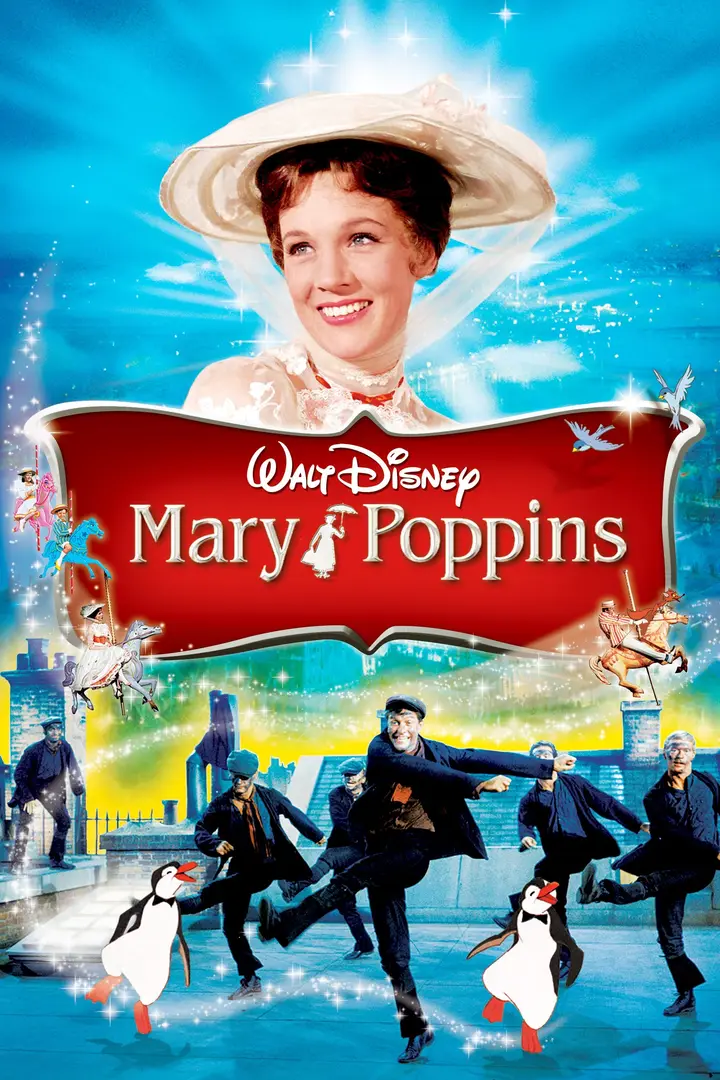
Mary Poppins
A timeless musical journey where a mysterious nanny reveals the wonder and magic hidden within the everyday rhythms of family life.

Annie
A spirited musical adventure where a fearless orphan brings songs, laughter, and unexpected change into the world around her.
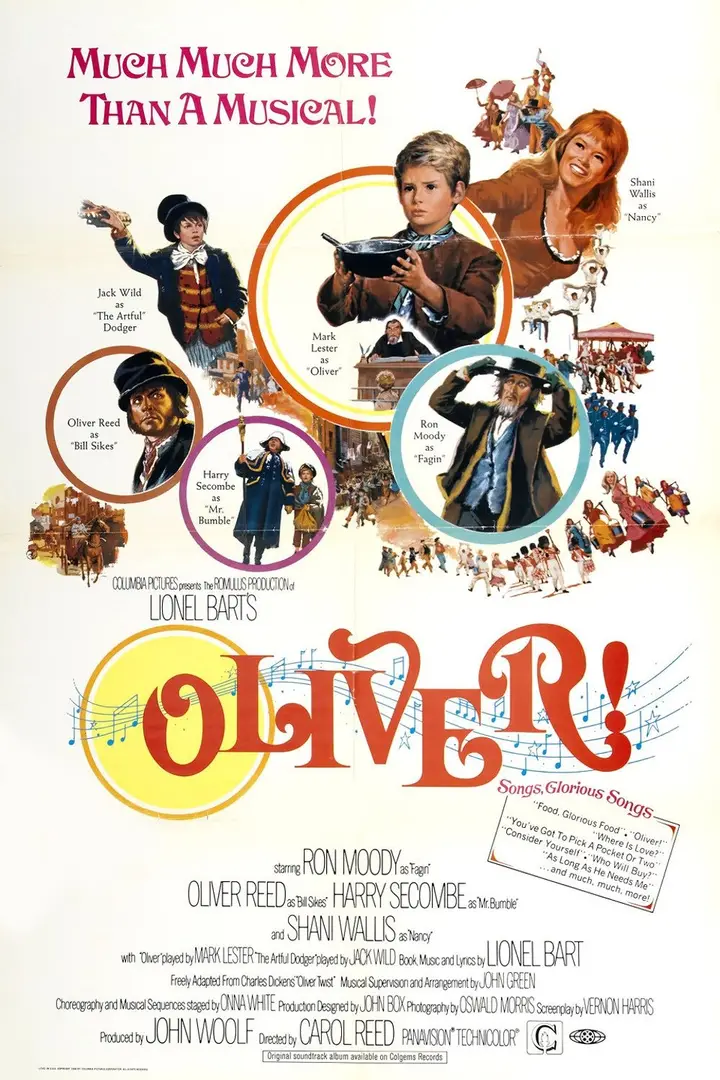
Oliver!
Where every crowded street sings with hope, hardship, and the possibility that one kind stranger could change a life.

Newsies
A high-energy musical adventure of newspaper boys, rooftop dances, and young voices filling 1899 New York with song.

The Greatest Showman
Velvet curtains, circus lights, soaring voices, and a spectacular world where performers create a place to belong.
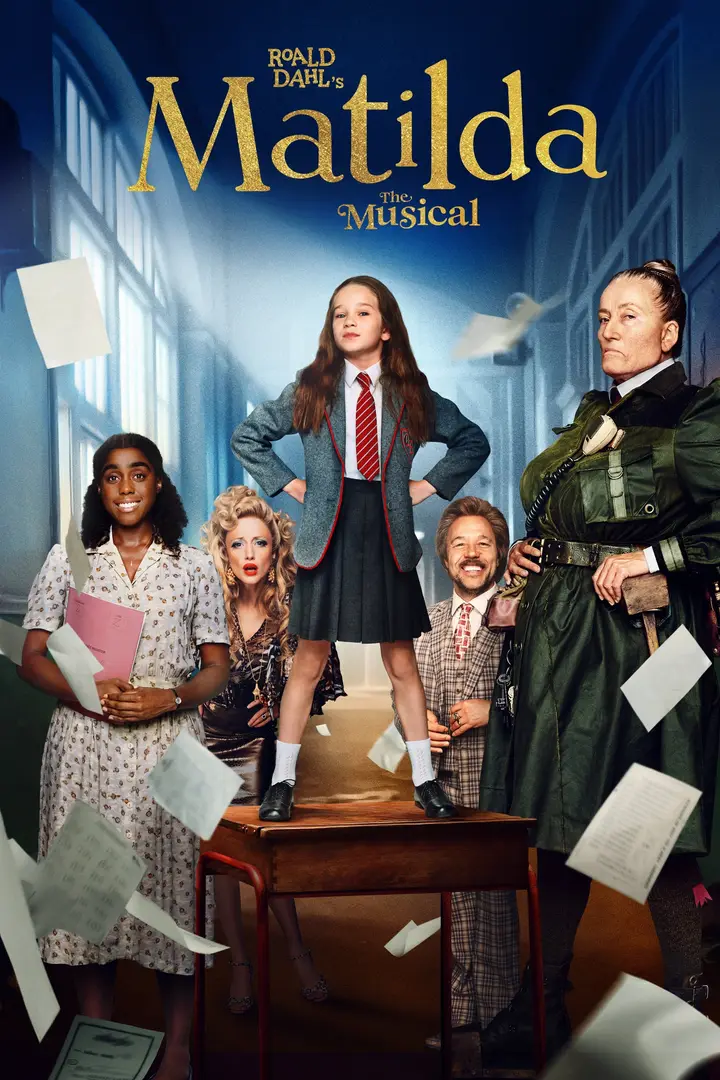
Matilda the Musical
A theatrical world of books, imagination, and bold ideas seen through the extraordinary mind of a girl who refuses to be overlooked.