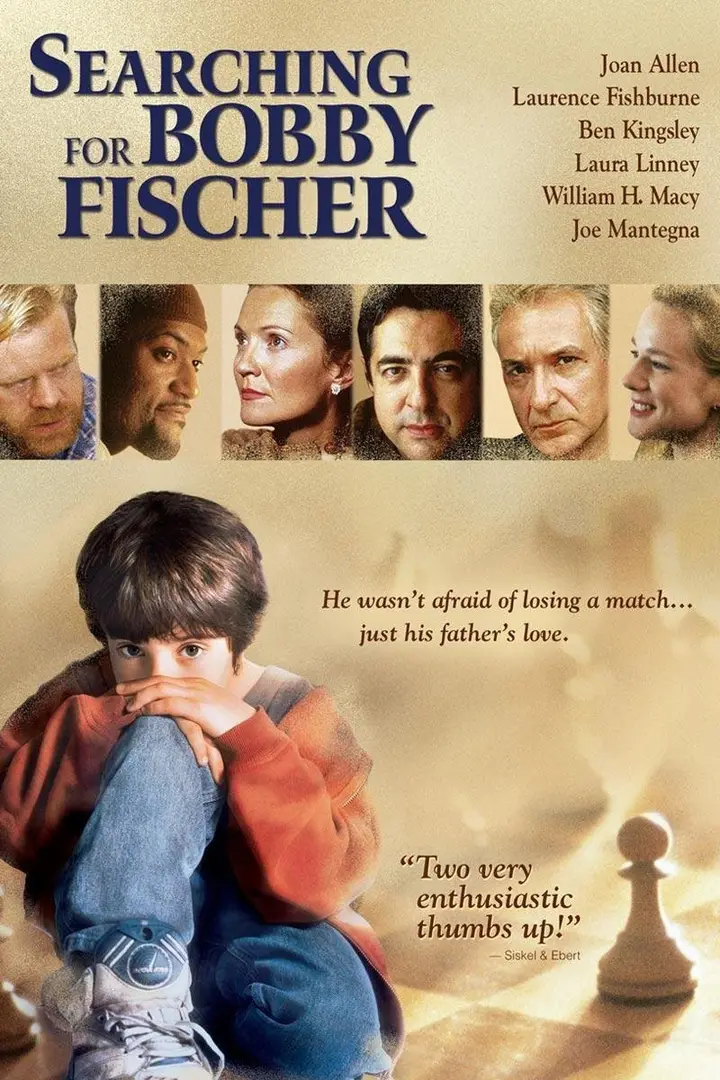
Searching for Bobby Fischer
AgeMinimum 8Recommended 8+
The quiet tension of a chessboard becomes a moving portrait of talent, adult expectations and a child's right to love the game.
Josh Waitzkin is a young boy with a natural ability for chess who catches the attention of his parents and the wider chess community. As Josh begins training with experienced players and preparing for competition, his family must navigate the challenges of supporting his talent while protecting the joy and balance of his childhood.
- Release Year
- 1993
- Runtime
- 109 min
- Format
- Live Action
- Genre
- Drama, Sports
- Mood
- Emotional
- MPAA Rating
- PG
Josh Waitzkin discovers chess almost by accident, finding excitement and imagination in a game that others see as highly competitive. His talent quickly becomes apparent, attracting attention from coaches and players who see unusual potential in him. As his skills develop, the adults around him must decide how to encourage his abilities without allowing competition to define his childhood.
Josh’s parents approach his talent in different ways. His father, Fred, sees opportunities for growth and achievement, while his mother, Bonnie, focuses on protecting Josh’s happiness and emotional well-being. Their different perspectives create a thoughtful look at what happens when a child’s natural gift brings both possibilities and pressure.
The film combines the world of chess competition with a wider story about childhood, family and personal development. The matches provide moments of focus and tension, but the emotional center remains Josh’s relationship with his parents, his coach and the question of how a young person can develop a talent while remaining connected to who they are beyond their achievements.
Why It Stands Out
Searching for Bobby Fischer uses the world of competitive chess to tell a broader family story about talent, ambition and childhood. Its appeal comes from the contrast between intense competition and the quieter moments of guidance, support and personal growth.
Parents’ Insight
Josh’s journey shows the importance of recognizing a child’s abilities without allowing one talent to become their entire identity. His family’s experience highlights the challenge of encouraging excellence while protecting the curiosity, confidence and happiness that make growth possible.
Parents’ Guide
What to know before you press play
Six things parents ask about, rated on the same scale for every film and series in the collection.
- Scary intensity
- Minimal (1 of 5)
- Violence
- Mild (2 of 5)
- Language
- Mild (2 of 5)
- Emotional intensity
- Mild (2 of 5)
- Sexual content
- None (0 of 5)
- Substance use
- Mild (2 of 5)
Content notes
- Sports pressure, setbacks and mild language
Questions Parents Ask
What age is Searching for Bobby Fischer suitable for?
Children around 8 can understand the sportsmanship theme even without knowing chess. Coaches and parents argue about Josh's future, he becomes anxious and tired of the game, and mild language appears occasionally.
Is Searching for Bobby Fischer scary?
- Tension from performance pressure, fear of failure and adults pushing a gifted child toward a harsher personality
- Graphic violence
Tournament losses and strict coaching make Josh question whether he wants to continue. The family conflict remains controlled and nonviolent, with a reassuring emphasis on character over winning.
What is Searching for Bobby Fischer based on?
Josh, his family and his early chess career are real, while the film dramatizes dialogue, tournament moments and mentor relationships. It is a biographical drama rather than a documentary.
What is Searching for Bobby Fischer about?
Josh's father encourages tournament success, strict coach Bruce Pandolfini teaches disciplined strategy and park player Vinnie offers creative speed chess. Under growing pressure, Josh must protect his kindness and love of the game while competing at the highest level.
Is Searching for Bobby Fischer worth watching?
It is an intelligent family drama for children and adults interested in talent, mentorship, sportsmanship and healthy ambition. The film treats chess as a setting for questions about childhood rather than only competition. Josh's refusal to sacrifice empathy offers a valuable counterpoint to achievement-at-all-costs messages.
Talk About It
Josh Waitzkin turns out to be extraordinarily good at chess, and the adults around him immediately disagree about what to do with that — his father pushing towards competition, his mother towards protecting his childhood, a formal coach towards discipline and the players in the park towards instinct. Use the film to discuss how a child's talent should be handled, and whether you can be seriously competitive and still enjoy a game.
- Josh is very good at chess almost immediately. Is unusual talent a gift or a burden?
- His father and mother want different things for him. Which of them did you agree with?
- Josh learns from a formal coach and also from players in the park. What is the value of each?
- Josh starts to dislike losing in a way he did not before. What changed?
- The adults around Josh all want something from his talent. Which of them was thinking about him?
- Josh is asked to play in a way that does not suit him. When should you refuse coaching?
- How would you want to be treated if you turned out to be exceptional at something?
- Is it possible to be seriously competitive and still enjoy a game?
Turn this film into a ready-to-use class discussion
Use the Teacher Resources already attached to this film. Choose the questions you want, then print, copy or share the result.
Similar Movies
Queen of Katwe and Akeelah and the Bee both follow gifted children facing opportunity and pressure. Science and invention become the arena in October Sky and The Boy Who Harnessed the Wind; Gifted returns to the personal cost of exceptional ability.

Queen of Katwe
A Ugandan chess adventure of neighborhood streets, family bonds, and a young girl discovering a new way to see the world.

Akeelah and the Bee
A South Los Angeles story of classrooms, difficult words, hidden confidence, and a gifted girl learning how far her own voice can carry.

Gifted
A family drama of childhood, mathematics, and the challenge of protecting a rare talent without losing the simple moments of growing up.

Dangal
Sweat, stubborn discipline and the fierce physicality of wrestling ground a powerful family drama about girls breaking expectations.
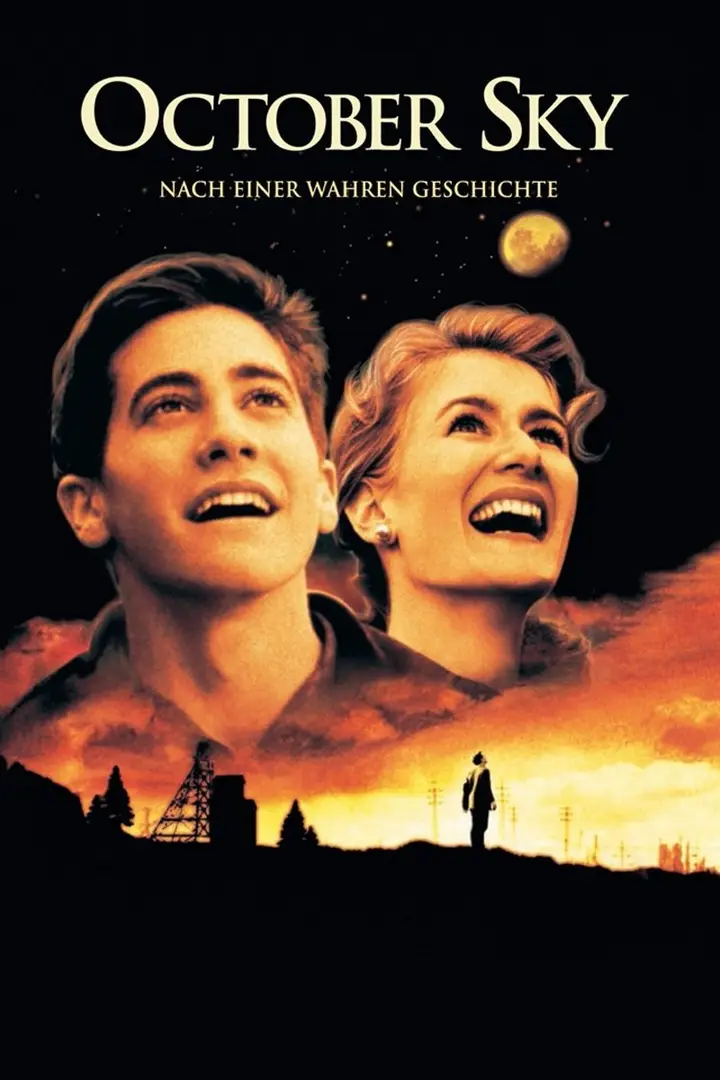
October Sky
A grounded, inspiring true story about ambition, family expectations, and reaching for something bigger than your circumstances.

The Boy Who Harnessed the Wind
A true-story family drama about a boy who turns curiosity into an invention when his village needs a way to survive a devastating drought.