Nanny McPhee
AgeMinimum 6Recommended 7+
A magical, mischievous tale about discipline, grief, and the strange kindness hidden inside hard lessons.
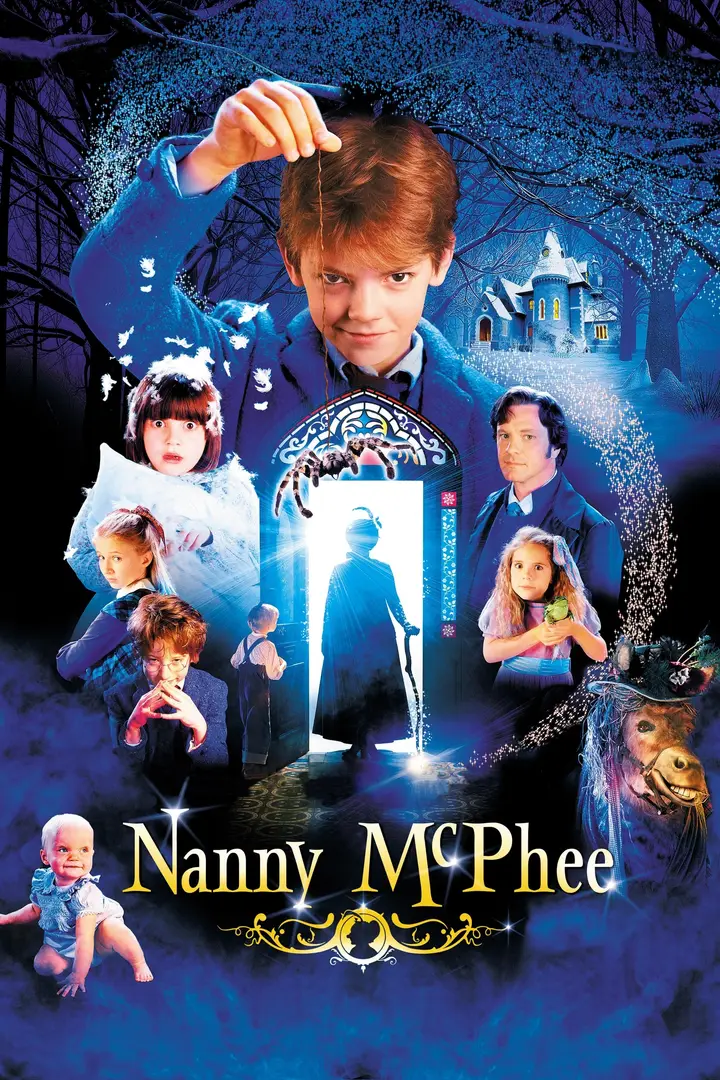
In Victorian England, widower Cedric Brown struggles to care for his seven unruly children, who have driven away every nanny sent to help. When the mysterious Nanny McPhee arrives, her unusual methods and magical lessons begin changing the family's understanding of rules, responsibility, and care.
- Release Year
- 2005
- Runtime
- 97 min
- Studio
- Universal Pictures
- Format
- Live Action
- Genre
- Comedy, Fantasy
- Mood
- Magical, Warm
- MPAA Rating
- PG
Nanny McPhee arrives at the Brown household when seven children have driven away a succession of nannies. The house is crowded, noisy, and full of elaborate schemes. Emma Thompson's mysterious governess answers each new prank with magic that forces the children to face the consequences of their actions.
The comedy combines grotesque transformations, extravagant costumes, and the family's escalating attempts to outwit its visitor. Behind the chaos lies a serious problem: the children are grieving their mother, and their father is struggling to care for everyone. Nanny McPhee's rules gain meaning as the family changes.
Her strange appearance and abrupt manner become part of the fairy-tale design. As the children learn cooperation and consideration, their surroundings gradually feel more welcoming. The film uses magical discipline to make family responsibilities visible, while allowing the children room for cleverness, affection, and growth.
Why It Stands Out
Nanny McPhee balances dark fairy-tale imagery with genuine warmth, using its title character's unsettling appearance as a visual metaphor for lessons that look scary before they start to make sense. That tonal balance is rare in family filmmaking.
Parents’ Insight
Children do not always express difficult feelings directly. Understanding the reasons behind behavior while providing clear guidance can help families overcome challenges and rebuild stronger relationships.
Parents’ Guide
What to know before you press play
Six things parents ask about, rated on the same scale for every film and series in the collection.
- Scary intensity
- Minimal (1 of 5)
- Violence
- Mild (2 of 5)
- Language
- Mild (2 of 5)
- Emotional intensity
- Strong (4 of 5)
- Sexual content
- None (0 of 5)
- Substance use
- None (0 of 5)
Content notes
- Themes of grief over a mother's death
Questions Parents Ask
What is Nanny McPhee about?
After the death of his wife, widowed undertaker Cedric Brown struggles to care for his seven children while trying to keep the family together. Every nanny who enters the household is quickly driven away by the children's determined mischief, leaving the family trapped in a cycle of grief, disorder, and frustration.
Everything changes when the enigmatic Nanny McPhee arrives. Her magical methods force the children to face the consequences of their behavior, while her lessons challenge Cedric to become a more attentive and decisive parent. Blending dark fairy-tale comedy with heartfelt family storytelling, the film gradually transforms a chaotic household into a place where trust, responsibility, and hope can grow again.
What age is Nanny McPhee suitable for?
The minimum age is about six because the story includes grief over a mother's death, dark fairy-tale imagery, threatening pranks, magical coercion, and brief danger involving a baby. The exaggeration and humor soften the impact, but sensitive younger children may need reassurance. By age seven, most viewers can better separate the comic mischief from genuine danger and appreciate the themes of responsibility and family healing.
Is Nanny McPhee scary?
- Themes of grief
- Magical consequences
- Mild-to-moderate comic peril
- Unusual character appearance
- Creepy corridor and storm imagery
- Gore
- Jump scares
- Sustained horror
Nanny McPhee's unusual appearance and stormy arrival may initially feel frightening, and her magic compels the children to continue their own dangerous misbehavior until they cooperate. Darkly comic scenes include a fake suggestion that the baby has been eaten, a threat involving homemade explosives, and brief peril near a pot of boiling water. The family's grief and fear of being separated add emotional intensity. There is no gore or sustained horror, and warmth, humor, and reassuring outcomes keep the film within family-fantasy territory.
Is Nanny McPhee worth watching?
A distinctive family fantasy that combines dark fairy-tale comedy, memorable performances, and genuine emotional warmth. Nanny McPhee succeeds by weaving fantasy into recognizable family pressures. Rich production design, carefully crafted costumes, restrained visual effects, and Emma Thompson's performance create a magical world grounded in believable grief, frustration, and affection. Its strongest achievement is how comedy, discipline, loss, and imagination work together: the magical lessons are consequences that encourage growth rather than spectacle alone, giving the film an unusually thoughtful emotional core.
What is Nanny McPhee based on?
Nanny McPhee is based on the Nurse Matilda books, written by Christianna Brand, beginning with the first book published in 1964. Emma Thompson's screenplay reworks and combines elements of the stories while preserving their central idea: a magical nanny whose demanding lessons help unruly children, and the adults responsible for them, develop responsibility, understanding, and compassion. Thompson also stars as the title character, having written the screenplay specifically with herself in mind for the role.
What order should you watch the Nanny McPhee movies in?
Nanny McPhee (2005) is the first of the 2 Nanny McPhee movies, so it is the place to start. Release order: 1) Nanny McPhee (2005, best from age 7); 2) Nanny McPhee and the Big Bang (2010, best from age 6). The second film has a new family and setting, so it works on its own. The films sit close together in age, from 6 to 7, so a child who enjoys one is usually ready for the others. Both have a full parents’ guide in The Family Film Collection.
Talk About It
Widower Cedric’s seven children drive away every nanny until Nanny McPhee’s magical lessons require them to change while preserving their family.
- Why do the children want every nanny to leave?
- How does Simon become their leader?
- Would you obey rules taught through magical consequences?
- What would you tell Cedric before he considers marrying Selma?
- Why does Nanny McPhee become less frightening?
- How does Evangeline care for the children?
- Which lesson changes the household most?
- What do Simon and his siblings need from Cedric that rules and punishment alone cannot provide?
Turn this film into a ready-to-use class discussion
Use the Teacher Resources already attached to this film. Choose the questions you want, then print, copy or share the result.
Similar Movies
Mary Poppins and Bedknobs & Broomsticks hold that same magical-caretaker charm Nanny McPhee applies here to seven unruly children. A direct sequel continues her work with a different family, and Pollyanna and Matilda offer an orphan's optimism and a gifted girl's own defiance.
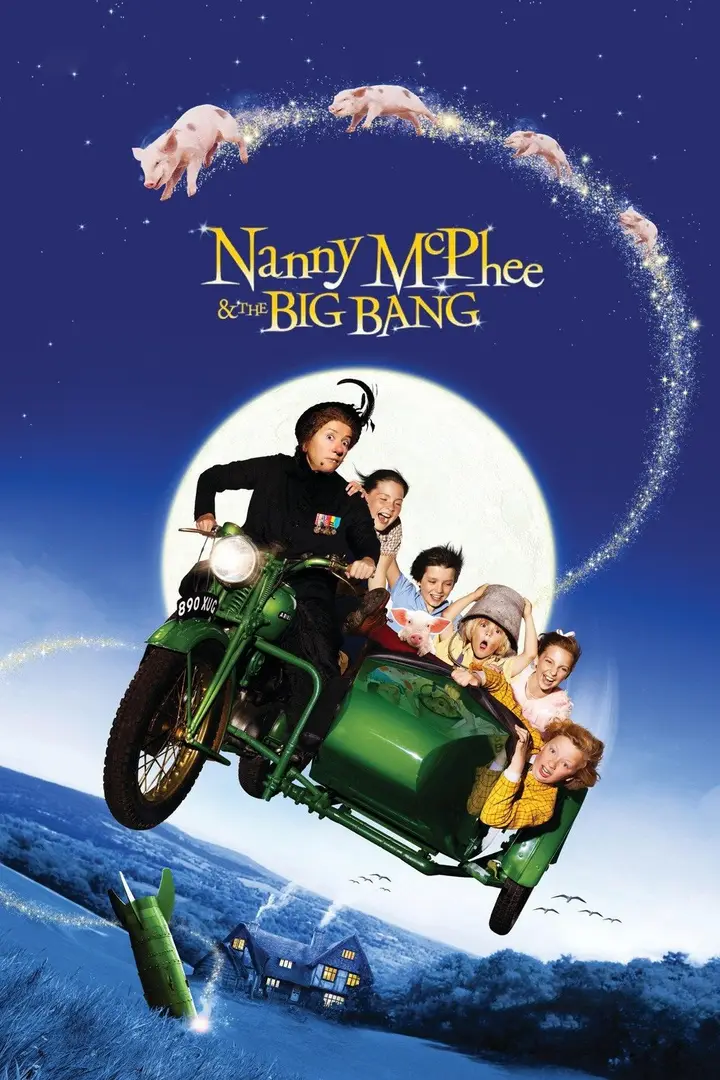
Nanny McPhee and the Big Bang
A wartime family comedy about chaos, cooperation, and learning to trust people you didn't choose.
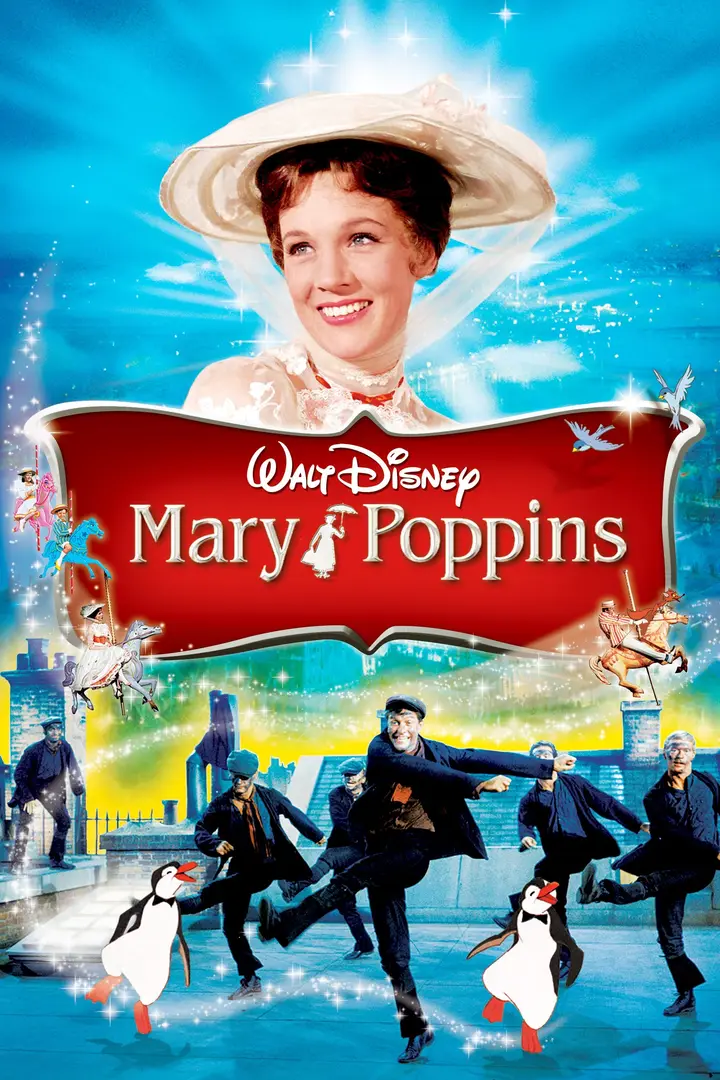
Mary Poppins
A timeless musical journey where a mysterious nanny reveals the wonder and magic hidden within the everyday rhythms of family life.
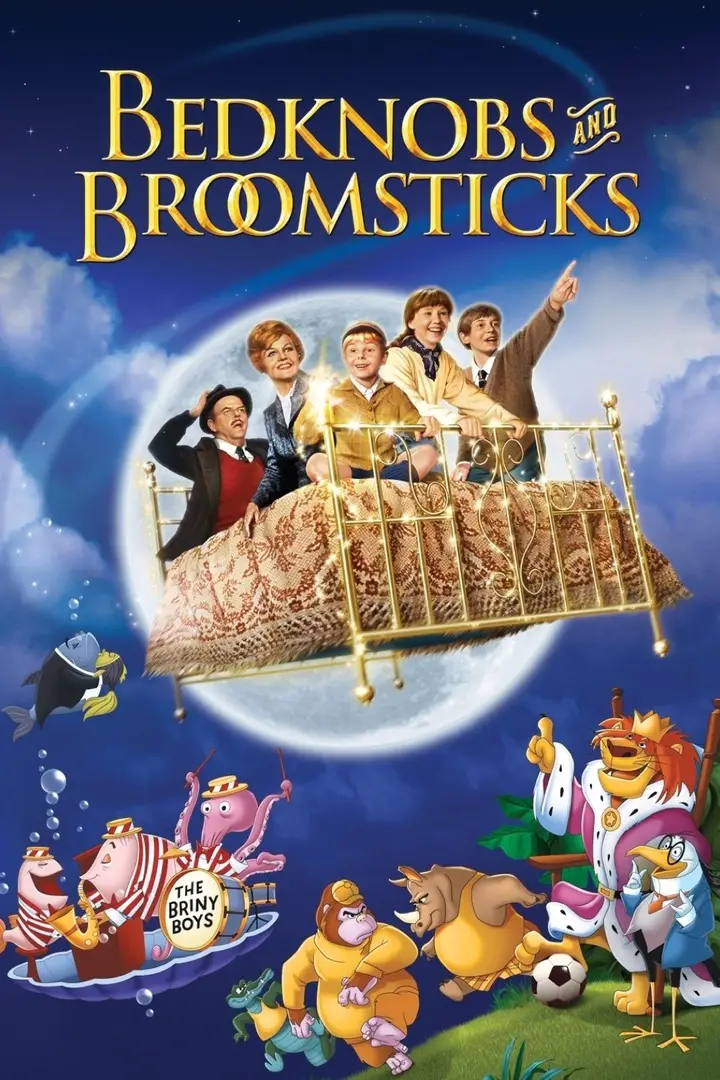
Bedknobs and Broomsticks
A magical wartime adventure where an aspiring witch discovers that courage and imagination can change the course of events.
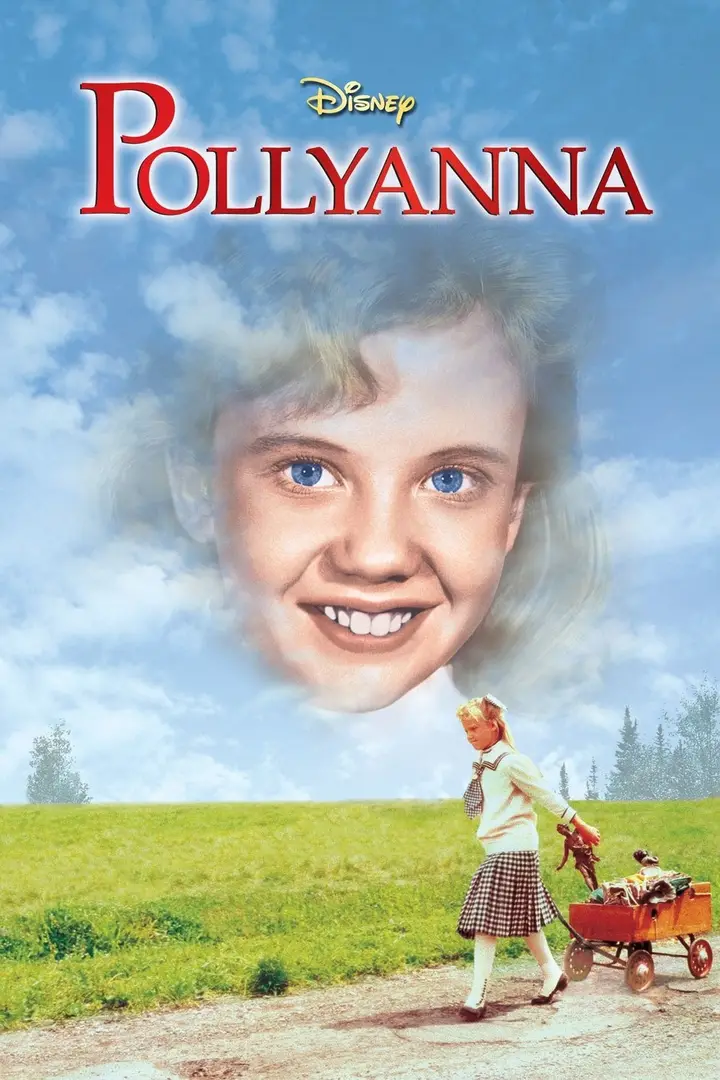
Pollyanna
A gentle, old-fashioned story about optimism, kindness, and the quiet power of choosing to see the good in people.
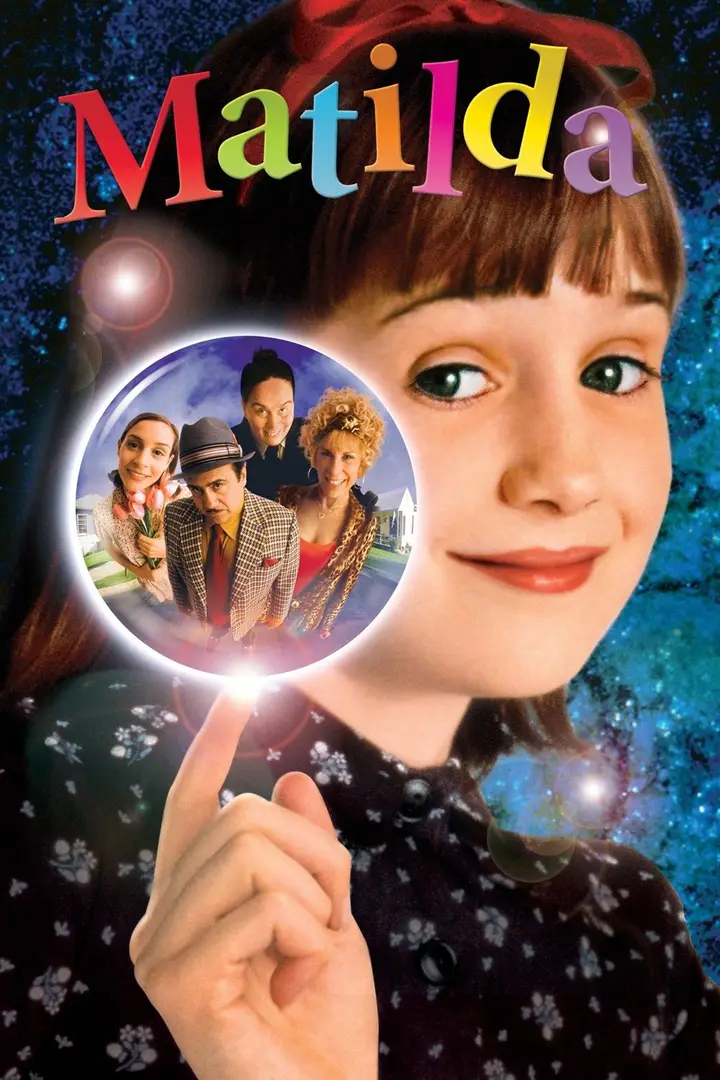
Matilda
A whimsical family adventure about a brilliant girl who discovers that books, imagination, and one caring teacher can help her find confidence in a world that does not always understand her.

Paddington
A heartwarming family adventure where a little bear shows that kindness can turn a strange place into a true home.