Masters of the Universe
AgeMinimum 9Recommended 11+
Neon Eternia, thunderous guitars, giant battles, outrageous costumes, and the pure fun of stepping inside a world with no interest in being ordinary.
Prince Adam has spent years on Earth, separated from Eternia and unaware of the destiny waiting for him. When the Sword of Power returns to his hands, he is drawn back into a conflict involving Skeletor, Teela, and forces threatening his home. Adam must face the world he left behind, the power he now carries, and the question of whether he is truly ready to become what Eternia needs him to be.
- Release Year
- 2026
- Runtime
- 140 min
- Studio
- Amazon MGM Studios, Mattel Studios
- Format
- Live Action
- Mood
- Epic, Intense
- MPAA Rating
- PG-13
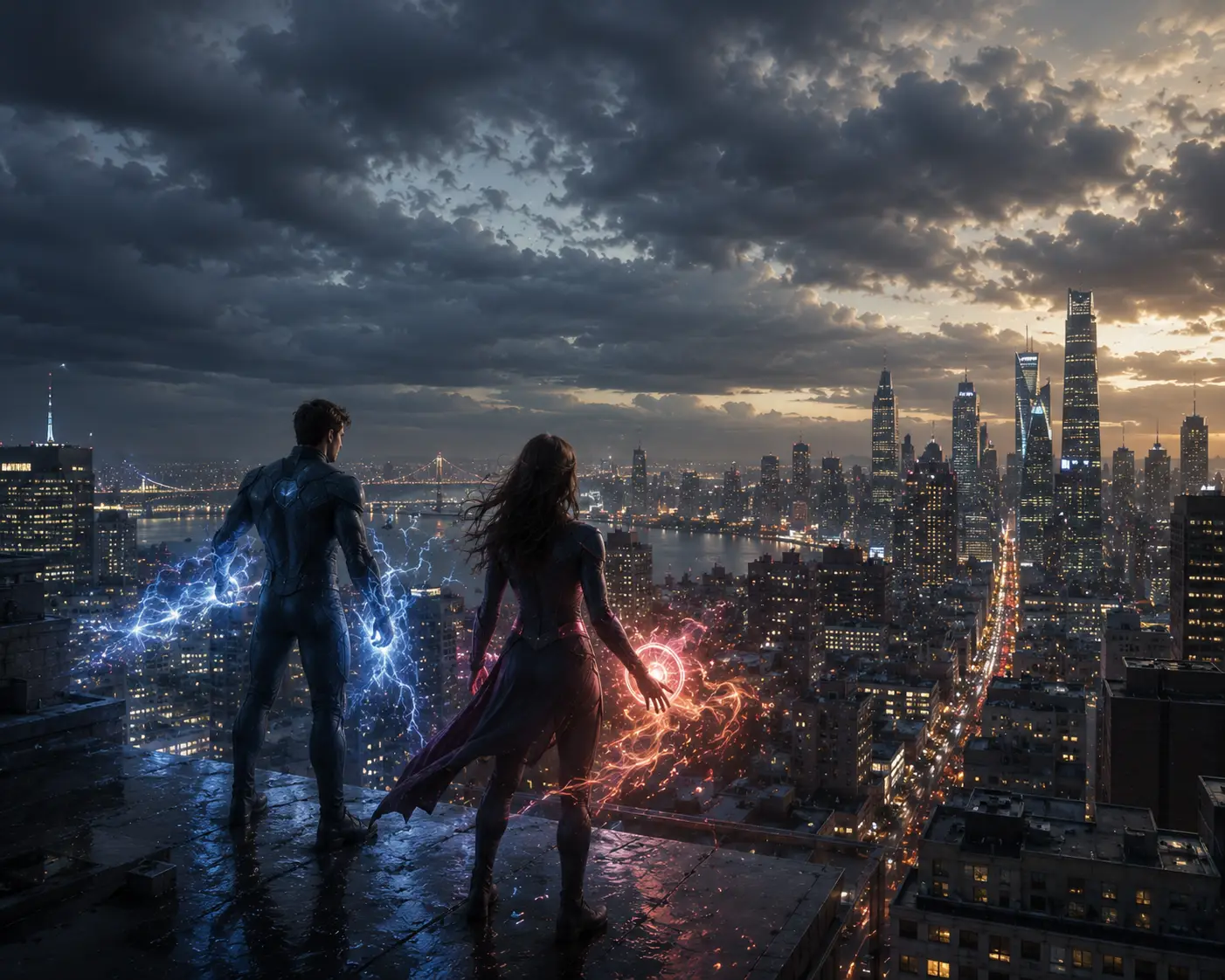
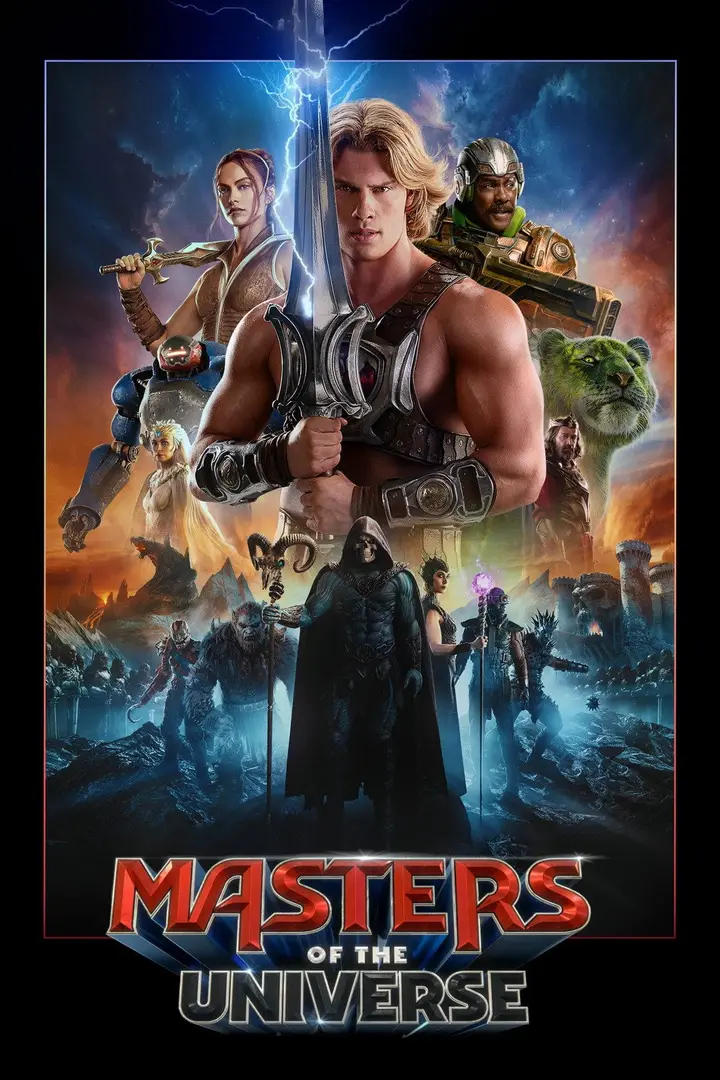
Masters of the Universe embraces the visual language that made Eternia so memorable in the first place. Armor is enormous, creatures are bizarre, landscapes glow with impossible colors, and weapons look as though they have been pulled directly from a childhood toy collection. Nothing feels interested in blending into the background. Earth provides a striking contrast.
Adam has spent years in a world of ordinary streets and everyday life, making the return to Eternia feel like stepping through a doorway into another dimension. Suddenly there are strange creatures, towering warriors, enormous machines, and battles that seem to belong to a completely different set of rules.
The film carries that larger-than-life energy through thunderous music, theatrical performances, broad humor, and the sheer scale of its fantasy spectacle. Skeletor is allowed to be flamboyant, Eternia is allowed to be excessive, and Adam gets to experience the shock of discovering that the world behind the legend is real. It is fantasy with the volume turned all the way up, and the film never apologizes for that choice — every costume, creature and set piece is built to be looked at twice.
Why It Stands Out
Masters of the Universe embraces Eternia's extravagant fantasy aesthetic. Towering armor, strange creatures, dramatic landscapes, and the clash between He-Man and Skeletor create a world defined by its bold comic-book imagination and mythic scale.
Parents’ Insight
A child's favorite fictional worlds can be deliberately excessive: bigger weapons, stranger creatures, louder colors, impossible powers. That intensity can be part of what makes imaginative play so absorbing, and stories that lean fully into their own scale often give kids the most room to invent their own adventures inside them.
Parents’ Guide
What to know before you press play
Six things parents ask about, rated on the same scale for every film and series in the collection.
- Scary intensity
- Moderate (3 of 5)
- Violence
- Mild (2 of 5)
- Language
- Minimal (1 of 5)
- Emotional intensity
- Minimal (1 of 5)
- Sexual content
- None (0 of 5)
- Substance use
- Mild (2 of 5)
Content notes
- Sustained fantasy battle sequences; A menacing skeletal villain
Parent guidance
Fantasy action peril, generally suitable for older children
Questions Parents Ask
What is Masters of the Universe about?
Separated from his home planet of Eternia and his magical Sword of Power as a child, Prince Adam has spent fifteen years living an ordinary life on Earth. When the sword leads him home, Adam finds Eternia shattered under the tyrannical rule of Skeletor, forcing him to embrace his destiny as He-Man. Along the way he must gather allies who remember Eternia's former glory to help him retake the throne.
What age is Masters of the Universe suitable for?
Minimum age: 9. Recommended age: 11+. This live-action adaptation brings He-Man's fight against Skeletor for control of Eternia to the screen with the scale of a modern action blockbuster. Eight-year-olds already comfortable with fantasy-action franchises like Star Wars can generally handle it, but the recommended age reflects the more sustained combat and darker fantasy villain typical of a live-action tentpole rather than animated family fare.
Is Masters of the Universe scary?
- Sustained fantasy battle sequences
- A menacing skeletal villain
- Graphic gore
Skeletor's menace and the sustained battle sequences carry more weight than typical animated He-Man media, staying consistent with the darker, more grounded tone of a live-action blockbuster adaptation.
Is Masters of the Universe worth watching?
Its live-action commitment to the Masters of the Universe toy line's larger-than-life visual style gives the adaptation a distinct comic-book-epic scale. Prince Adam's fifteen years in exile give this origin story more emotional grounding than a typical toy-based action film.
What is Masters of the Universe based on?
Masters of the Universe is based on Mattel's Masters of the Universe toy and media franchise, featuring the character He-Man. The film gives He-Man an exile-and-return origin story, adapting the core Mattel mythology of Prince Adam and Eternia for live action.
How many versions of Masters of the Universe are there?
There are 2 separate versions of this story (1987, 2026). They are not sequels, so Masters of the Universe (2026) can be watched on its own. All films, by year: 1) Masters of the Universe (1987, best from age 10); 2) Masters of the Universe (2026, live action, remake, best from age 11). Both have a full parents’ guide in The Family Film Collection.
Talk About It
Earth-raised Prince Adam returns to conquered Eternia and reclaims the Sword of Power, learning that becoming He-Man means serving a home he barely remembers.
- Why does Adam live on Earth for fifteen years?
- How does he react upon returning to Eternia?
- Would you accept a destiny from a forgotten childhood?
- What would you tell Adam before taking the sword?
- Why does Skeletor rule through fear?
- How do Eternia’s survivors view Adam?
- Which memory strengthens his purpose?
- Why must Adam become He-Man?
Turn this film into a ready-to-use class discussion
Use the Teacher Resources already attached to this film. Choose the questions you want, then print, copy or share the result.
Similar Movies
Narnia and Fellowship of the Ring set the broadest epic-fantasy frame, built on courage, friendship and large-scale conflict. The NeverEnding Story and Kubo make the journey more personal; Thor and The Kid Who Would Be King connect heroic identity with mythic adventure.
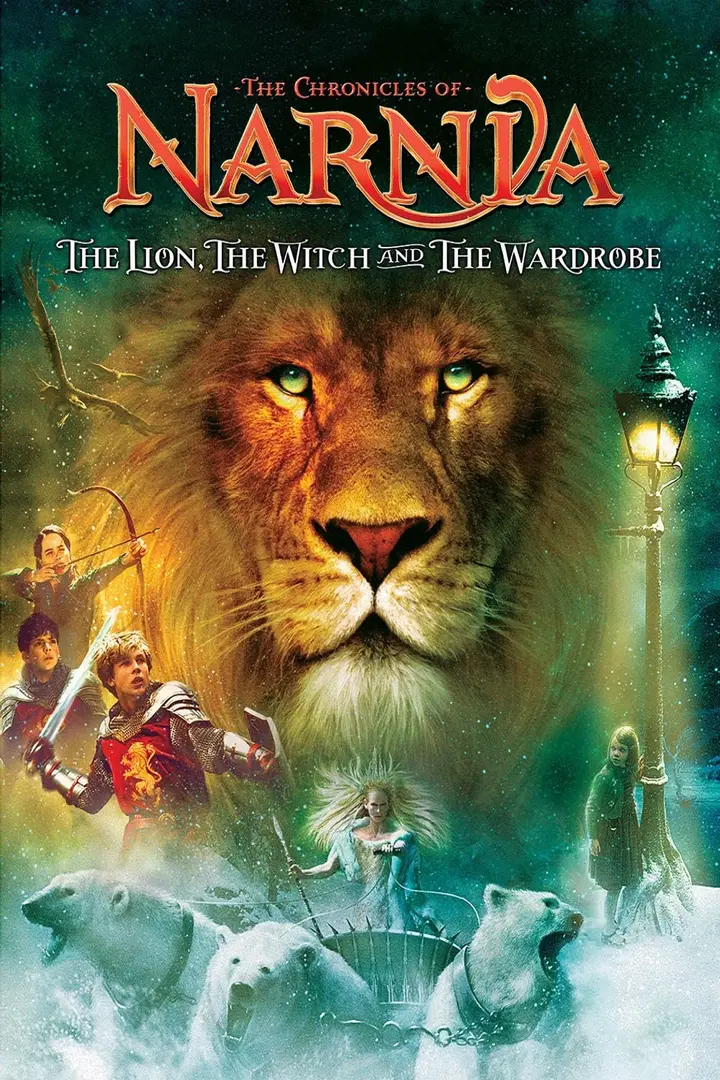
The Chronicles of Narnia: The Lion, the Witch and the Wardrobe
A magical fantasy adventure where four siblings enter a hidden realm of mythical creatures, ancient legends, and a journey that reveals courage beyond imagination.
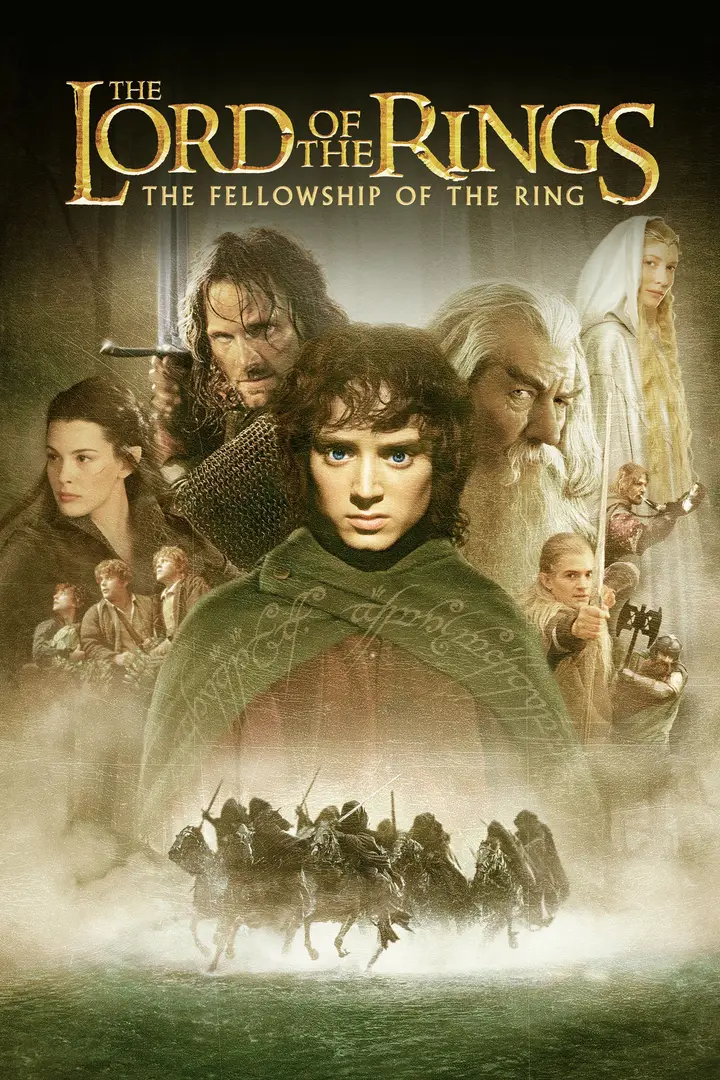
The Lord of the Rings: The Fellowship of the Ring
A legendary journey where an ordinary life leaves the familiar behind and discovers a world of friendship, danger, and unforgettable adventure.
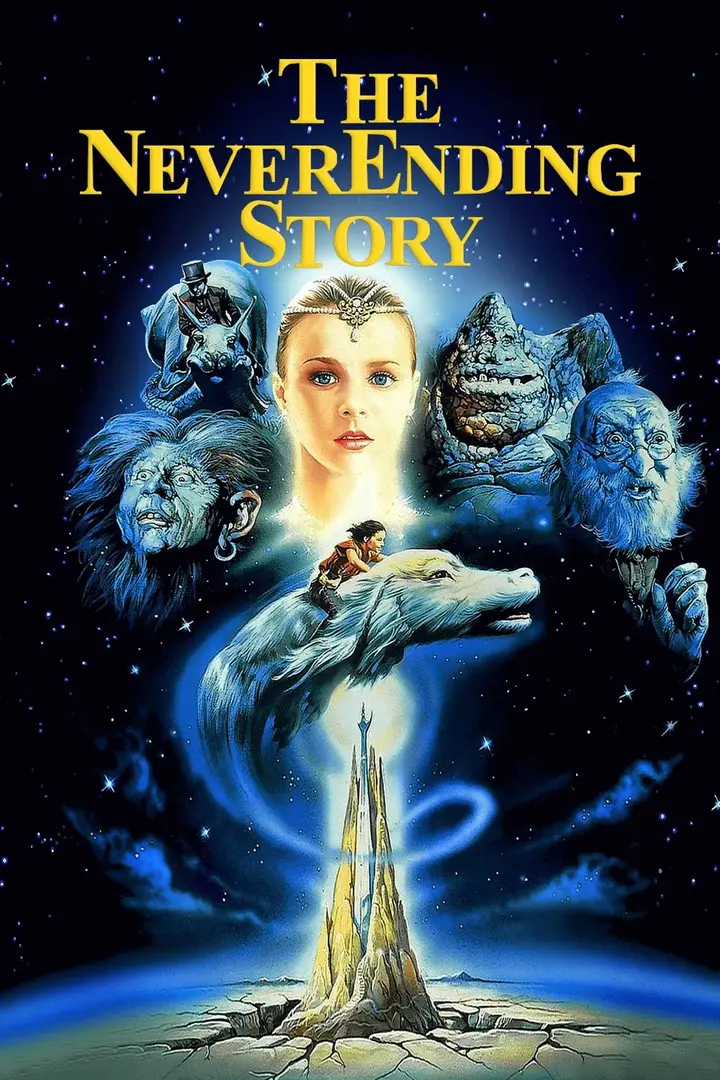
The NeverEnding Story
A fantasy adventure where a lonely boy discovers that imagination can become the force that changes an entire world.
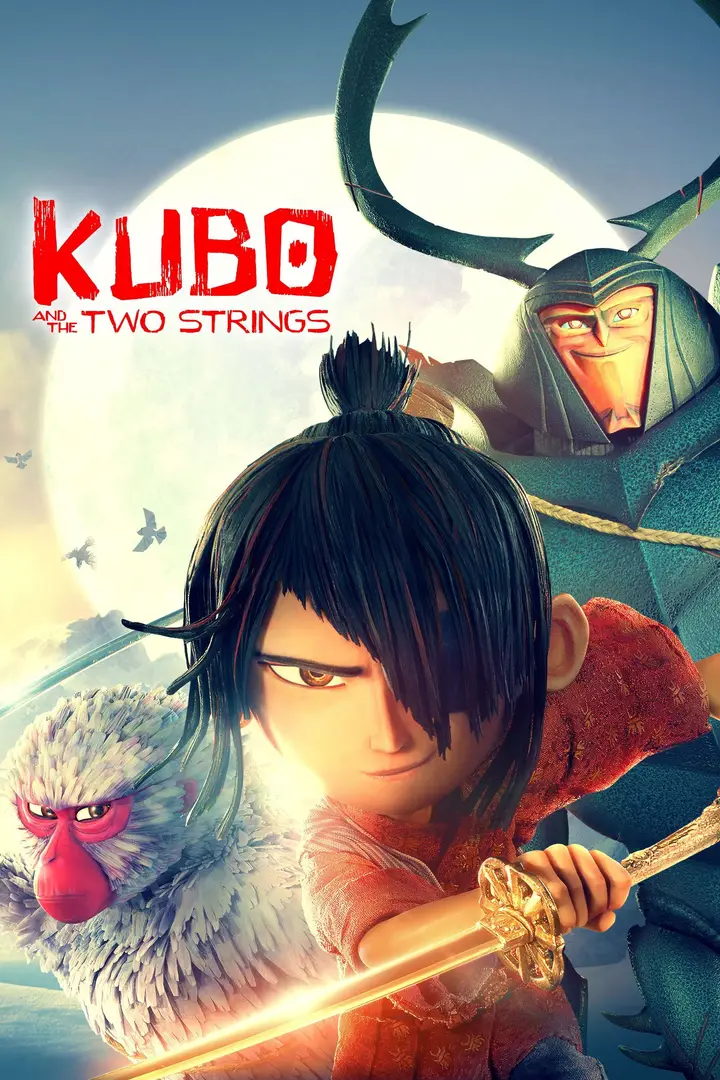
Kubo and the Two Strings
A mythic and emotionally rich journey shaped by storytelling, memory, courage, and the quiet power of the stories we carry through loss, family, and time.
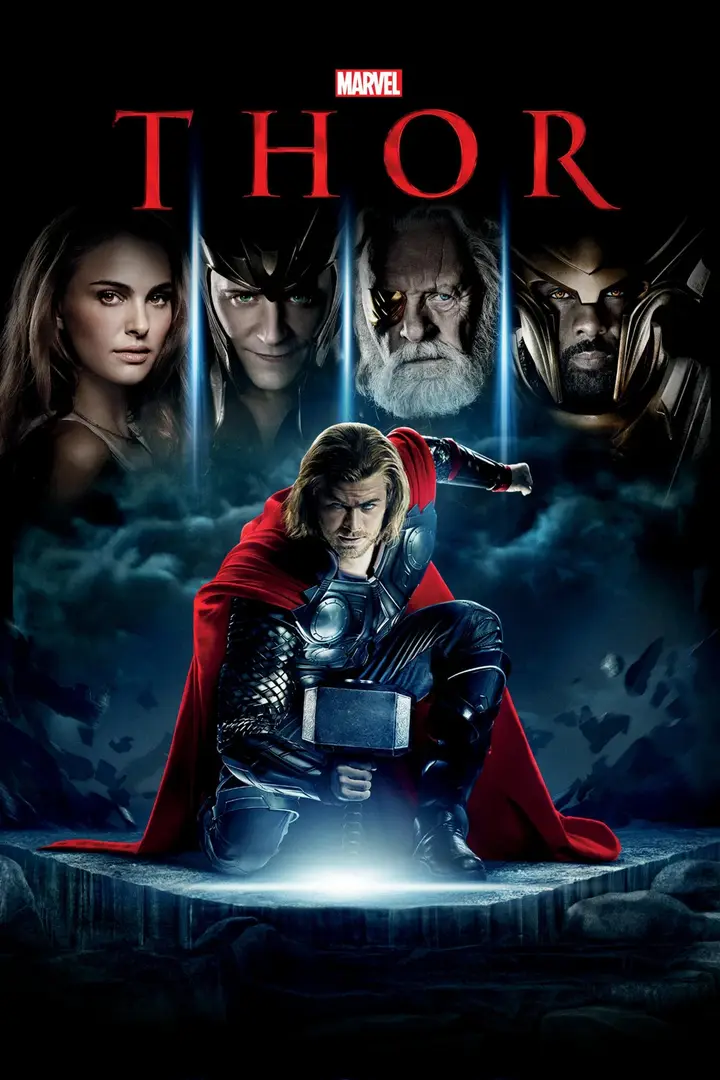
Thor
A mythic superhero adventure of power, destiny, and a warrior learning that worthiness requires more than strength.
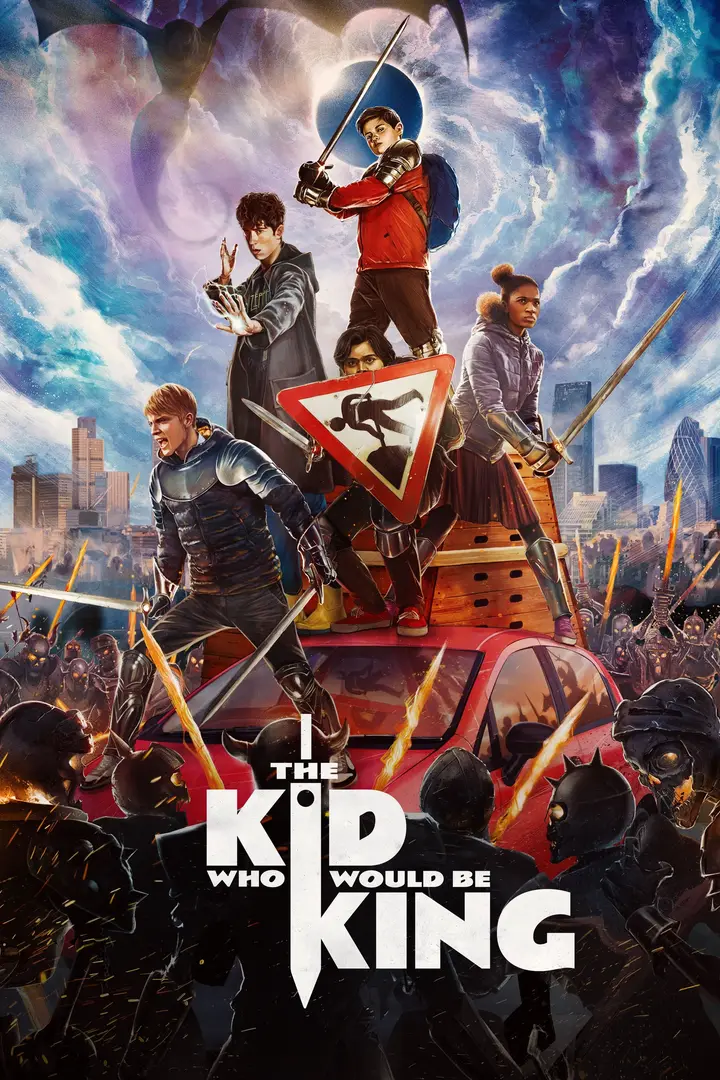
The Kid Who Would Be King
A modern Arthurian adventure about courage, leadership, and discovering heroism in an ordinary schoolkid.