Editor’s Choice
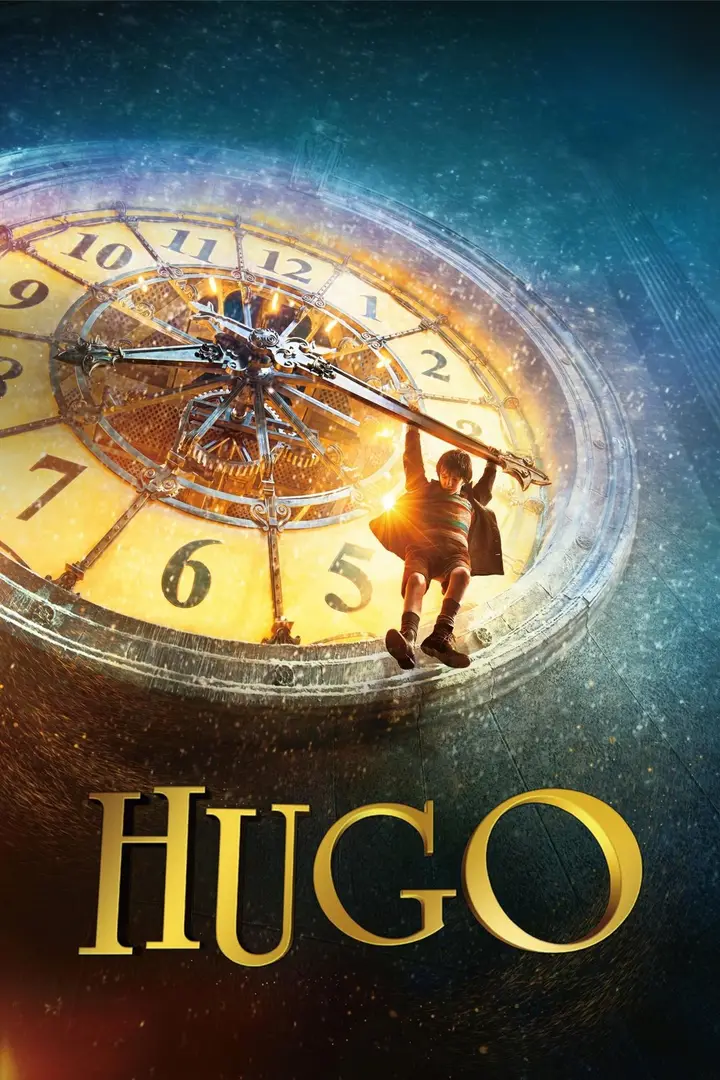
Hugo
AgeMinimum 8Recommended 9+
A gorgeous ode to the magic of cinema, about curiosity, purpose, and rediscovering a forgotten legacy.
In 1930s Paris, orphan Hugo Cabret lives inside a railway station, secretly maintaining its clocks while avoiding the inspector who threatens to send him away. After discovering an automaton left by his father, Hugo sets out to repair it and uncovers a forgotten filmmaker's lost place in cinema history.
- Release Year
- 2011
- Runtime
- 126 min
- Studio
- Paramount Pictures
- Format
- Live Action
- Mood
- Magical, Emotional
- MPAA Rating
- PG
The vast railway station, hidden mechanical spaces, and the streets of 1930s Paris transform a childhood mystery into a world where inventions preserve memories and imagination connects generations, revealing a story about creation, loss, and remembering what once inspired people.
Hugo begins the adventure believing that repairing the automaton will help him understand the final mystery left by his father. As he searches for its purpose, he discovers the machine is connected to Georges Méliès and a forgotten era of cinematic invention.
The automaton, clocks, silent films, and the rediscovery of Méliès's work continually expand the film, revealing that repairing something broken can mean restoring a person's identity, recovering a lost dream, and proving that imagination still has a place in the world.
Why It Stands Out
Hugo doubles as a genuine tribute to silent-film pioneer Georges Méliès, using its own visual wonder to argue for the preservation of film history. Few family films double as such a heartfelt history lesson about the medium itself.
Parents’ Insight
Creative achievements can continue to have meaning even after they are forgotten. Sometimes recognizing the value of someone's past work can help restore confidence, purpose, and the desire to create again.
Editor’s Choice: Cinematic wonder, intricate craft and a tribute to film pioneers
Parents’ Guide
What to know before you press play
Six things parents ask about, rated on the same scale for every film and series in the collection.
- Scary intensity
- Mild (2 of 5)
- Violence
- Mild (2 of 5)
- Language
- Minimal (1 of 5)
- Emotional intensity
- Moderate (3 of 5)
- Sexual content
- None (0 of 5)
- Substance use
- Mild (2 of 5)
Content notes
- Themes of orphanhood and grief
Questions Parents Ask
What is Hugo about?
In 1930s Paris, Hugo Cabret lives alone inside a railway station, secretly maintaining its clocks while avoiding the station inspector who threatens to send him away. After discovering a mysterious automaton left behind by his father, Hugo becomes determined to repair the machine and uncover the secret it contains. His search leads him to Georges Méliès, a forgotten filmmaker whose extraordinary imagination has disappeared from public memory. Together with Isabelle, Hugo discovers a lost chapter of cinema history and helps restore not only Méliès's legacy, but also his belief in the value of what he created.
What age is Hugo suitable for?
An 8-year-old can follow Hugo's determination to fix the automaton his father left behind; recognizing that Georges Méliès shares that same sense of lost purpose, having given up filmmaking after the war destroyed his career, is a parallel that tends to click a year later.
Is Hugo scary?
- Themes of orphanhood and grief
- Parent preview: optional
Hugo's orphanhood and Georges Méliès's grief carry more emotional weight than the physical danger. Chases through the station and a late train-track sequence create brief tension, but the film's overall tone remains warm and restorative.
Is Hugo worth watching?
Hugo doubles as a genuine tribute to silent-film pioneer Georges Méliès, using its own visual wonder to argue for the preservation of film history. Few family films double as such a heartfelt history lesson about the medium itself, tying the automaton mystery directly to the rediscovery of Méliès's real career.
What is Hugo based on?
Hugo is based on the book The Invention of Hugo Cabret, written by Brian Selznick, first published in 2007. Scorsese's film closely follows Selznick's illustrated novel, which itself was inspired by the real early filmmaker Georges Méliès, whose story becomes central to the plot.
Talk About It
Orphan Hugo repairs his father’s automaton and befriends Isabelle, uncovering shopkeeper Méliès as a forgotten cinema pioneer whose work deserves remembrance.
- Why does Hugo maintain the station clocks?
- How does Isabelle join the mystery?
- Would you steal parts to finish a family project?
- What would you tell Méliès before the film screening?
- Why does Hugo believe the automaton holds a message?
- How does the station inspector view orphans?
- Which discovery changes Isabelle’s family story?
- How can Isabelle support Hugo’s search for the automaton’s message without treating his grief for his father as only a mystery to solve?
Turn this film into a ready-to-use class discussion
Use the Teacher Resources already attached to this film. Choose the questions you want, then print, copy or share the result.
Similar Movies
Four of these share Hugo's same curious-child-uncovers-something-bigger atmosphere. Paddington shifts toward found-family warmth instead, and Boy and the Heron toward grief and memory.

The Adventures of Tintin
A thrilling globe-spanning adventure about courage, friendship, hidden treasures, and the excitement of the unknown.
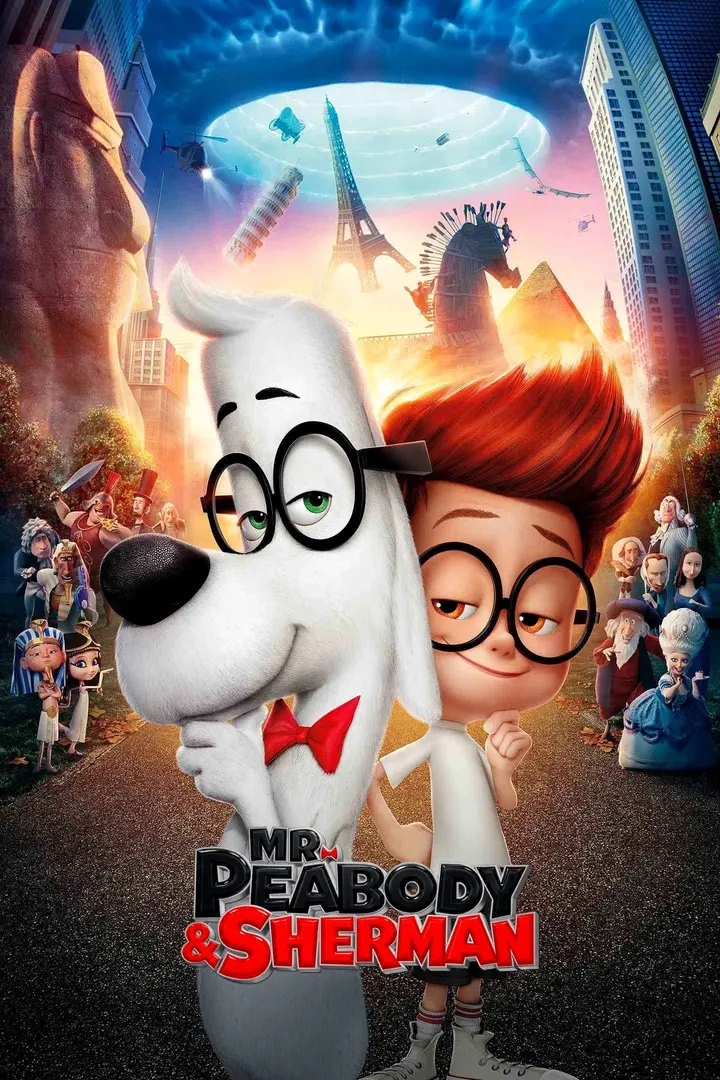
Mr. Peabody & Sherman
A globe-trotting time-travel comedy about an unconventional family and the courage to be different.
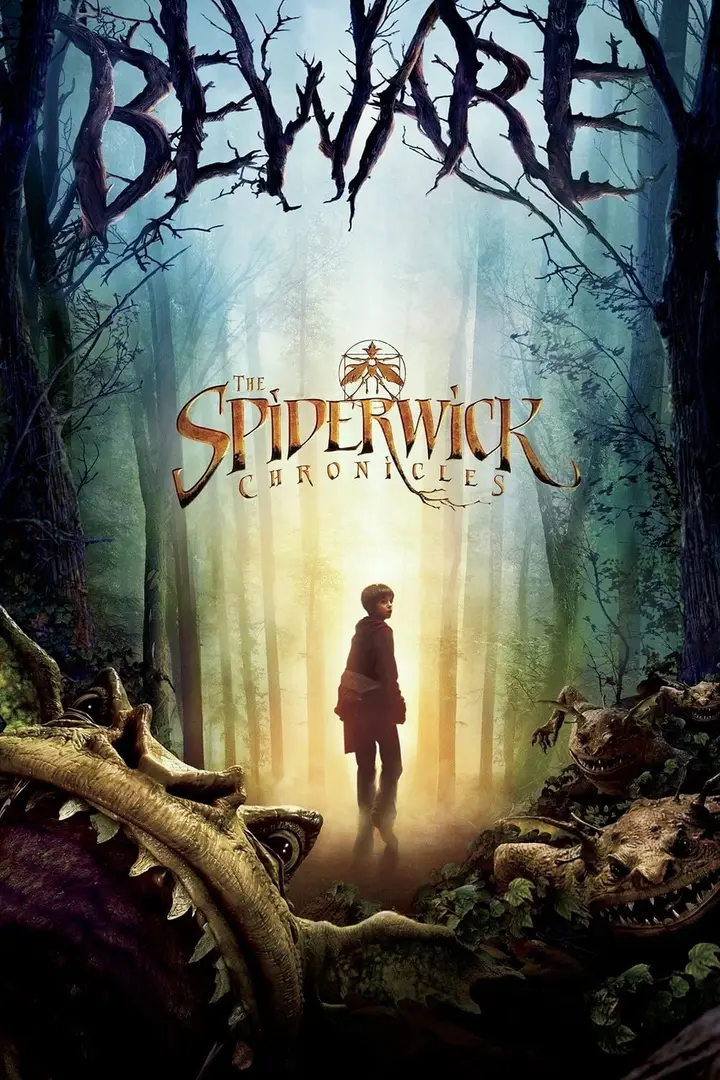
The Spiderwick Chronicles
A darker family fantasy about sibling loyalty, hidden worlds, and the courage it takes to protect the people you love.

Paddington
A heartwarming family adventure where a little bear shows that kindness can turn a strange place into a true home.

The Golden Compass
A mysterious fantasy adventure of parallel worlds, hidden truths, and a young girl discovering secrets beyond her imagination.

The Boy and the Heron
Extraordinary imagery, strange encounters, and quiet reflection create one of Miyazaki's most enigmatic adventures.