
Hachi: A Dog's Tale
AgeMinimum 9Recommended 9+
In the familiar bustle of a railway station, one dog's steadfast devotion becomes an extraordinarily tender portrait of love and loss.
Professor Parker Wilson discovers an abandoned Akita puppy and brings him into his family, forming a special connection that grows stronger over the years. Their daily routine creates a deep bond between them, but when circumstances change, Hachi’s devotion continues in a way that touches everyone around him.
- Release Year
- 2009
- Runtime
- 93 min
- Studio
- Hachiko, Inferno Distribution, Stage 6 Films
- Format
- Live Action
- Genre
- Adventure, Drama
- Mood
- Warm, Sad
- MPAA Rating
- G
When Parker Wilson finds a lost Akita puppy, an encounter becomes part of his family's daily life. Hachi grows accustomed to Parker's commute, the familiar streets and the people they pass along the way. The railway station becomes a place in their shared routine, filmed with attention to small gestures and patient waiting.
The film develops their connection through observation. Hachi responds to Parker's presence, and Parker makes room for the dog in a household that did not expect a new companion. Scenes of walking, returning home and greeting one another carry the relationship without the need for elaborate dialogue.
The measured pace also prepares viewers for a story involving profound loss and enduring grief. The drama finds its strength in the details of a bond formed over time. Hachi's behavior makes the affection between an animal and a family visible through repeated, concrete actions.
Why It Stands Out
Hachi: A Dog’s Tale focuses on the relationship between a person and a dog through a simple, emotional story about companionship and loyalty. Its appeal comes from the sincerity of that bond and the way everyday moments become meaningful over time.
Parents’ Insight
Hachi’s relationship with Parker shows how trust and affection grow through small moments shared over time. The film highlights the lasting connections families can form with animals and the memories that remain long after those moments have passed.
Parents’ Guide
What to know before you press play
Six things parents ask about, rated on the same scale for every film and series in the collection.
- Scary intensity
- Minimal (1 of 5)
- Violence
- Mild (2 of 5)
- Language
- None (0 of 5)
- Emotional intensity
- Strong (4 of 5)
- Sexual content
- None (0 of 5)
- Substance use
- Minimal (1 of 5)
Content notes
- Death of a main character, sustained grief and loss
Parent guidance
The dog's owner, a professor, dies suddenly, and the rest of the film follows Hachi waiting for him for years. There is no graphic violence, but the grief is sustained and many viewers cry.
Questions Parents Ask
What age is Hachi: A Dog's Tale suitable for?
Younger children may enjoy the first half but struggle to understand why Parker never returns and why Hachi keeps waiting. Families should be ready for sustained grief, aging, mortality and questions about losing parents or pets.
Is Hachi: A Dog's Tale scary?
- Its emotional intensity is very high. Parker dies unexpectedly and Hachi waits for him through years of loneliness and aging
- Graphic violence
The film spends a long time with grief rather than quickly resolving it. Hachi's devotion is moving, but scenes of him waiting in harsh weather and eventually dying can be deeply upsetting.
What is Hachi: A Dog's Tale based on?
The film relocates the story to the United States and fictionalizes the human family while preserving the dog's long-term station vigil. It also follows the earlier Japanese film Hachikō Monogatari.
What is Hachi: A Dog's Tale about?
Parker finds the lost puppy and gradually persuades his family to keep him. Hachi develops a daily routine of meeting Parker's train, and after the professor's sudden death the dog continues returning for years, becoming a symbol of loyalty to the community.
Is Hachi: A Dog's Tale worth watching?
It is a powerful drama for older children and adults prepared for a slow, deeply sad story about loyalty, grief and memory. The quiet pacing asks viewers to remain with Hachi's experience rather than distracting from loss. It can support meaningful family conversations about devotion and mourning, but it is not a casual or cheerful dog movie.
Talk About It
Parker Wilson finds an abandoned puppy at a railway station and keeps him, and the two build a relationship almost entirely out of the same daily routine — walking to the station in the morning, waiting for him in the afternoon. Then the routine is broken, and Hachi keeps waiting for years. Use the film to discuss what taking in an animal commits you to, and why an ordinary shared habit can matter so much.
- Hachi keeps returning to the same place at the same time for years. What do you think he is doing?
- Parker finds Hachi as an abandoned puppy and keeps him. What does taking in an animal actually commit you to?
- The relationship is built out of ordinary daily routine rather than adventures. Why is that so powerful?
- The people in the town come to look after Hachi in their own way. What would you have done?
- Nobody can explain to Hachi what has happened. How would you try?
- This film makes almost everyone cry. What exactly is it that upsets us?
- Is Hachi's loyalty something to admire, or something sad?
- What is the most ordinary thing you do with someone you love?
Turn this film into a ready-to-use class discussion
Use the Teacher Resources already attached to this film. Choose the questions you want, then print, copy or share the result.
Similar Movies
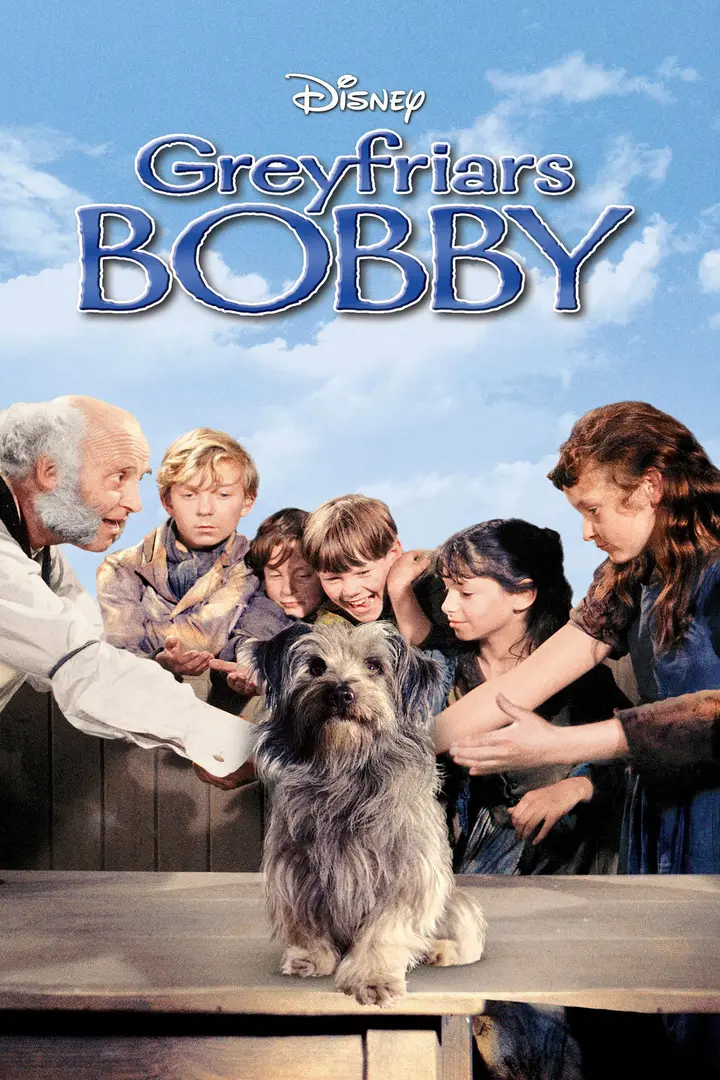
Greyfriars Bobby and Lassie Come Home are the closest matches for unwavering canine loyalty tested over time and separation. Togo and Homeward Bound supply more physical journey and danger, whereas A Dog's Purpose turns devotion into a broader idea across a dog's life.

A Dog's Purpose
A heartfelt journey through changing seasons of life, unforgettable companions, and the quiet moments that make every bond matter.

Lassie Come Home
The open moors of Yorkshire, a faithful collie's devotion and the ache of separation give this classic animal adventure its unforgettable emotional pull.

Togo
A true story of endurance and trust, about an unlikely sled dog who refused to be underestimated.

Homeward Bound: The Incredible Journey
A warm wilderness adventure filled with loyal companions, breathtaking landscapes, humor, and the feeling of finding your way home.
Greyfriars Bobby: The True Story of a Dog
A gentle animal drama shaped by a small dog’s loyalty, the streets of Victorian Edinburgh, and the people gradually drawn into his determined world.

Benji
Seen almost at paw level, this tender small-town adventure captures the quiet loyalty and unexpected bravery of a stray dog.