Gulliver's Travels
AgeMinimum 5Recommended 5+
Tiny kingdoms, enormous surprises and playful contrasts of scale give this early animated fantasy a delightful sense of wonder.
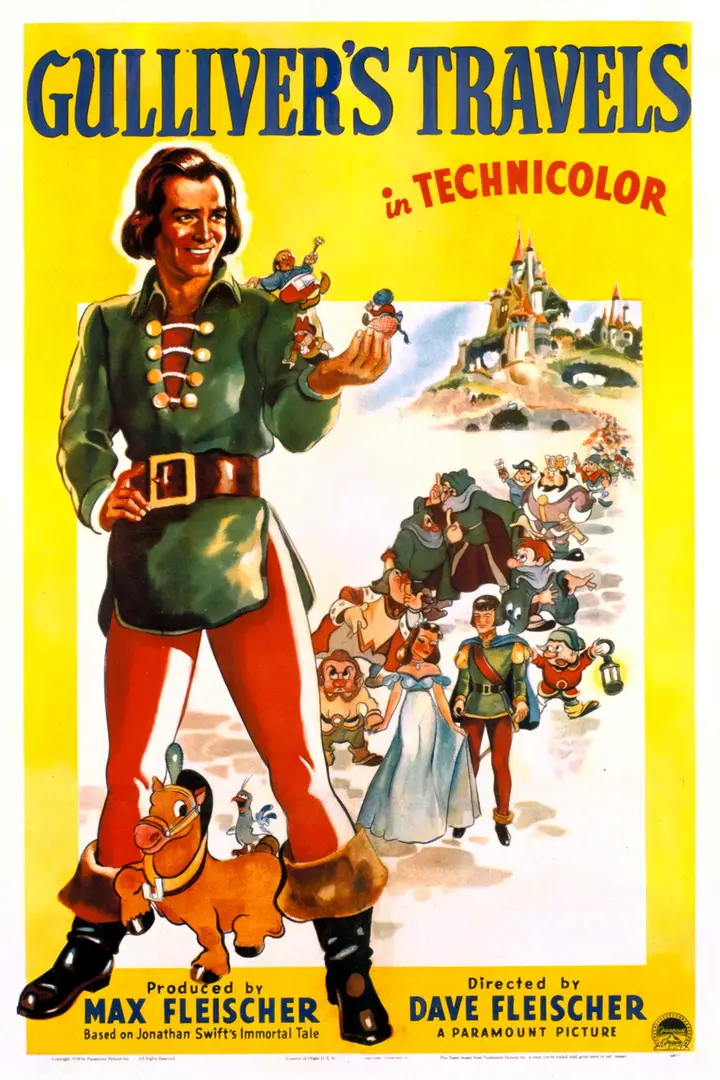
Shipwrecked sailor Lemuel Gulliver washes ashore on the tiny island of Lilliput, where he's discovered and bound by its miniature inhabitants. Towering over the entire kingdom, Gulliver becomes entangled in the affairs of Lilliput as tensions with its rival kingdom, Blefuscu, threaten to erupt into war.
- Release Year
- 1939
- Runtime
- 74 min
- Studio
- Fleischer Studios
- Format
- Hand-Drawn Animation
- Mood
- Playful
- MPAA Rating
- G
Lilliput is built around a running problem of scale. Staircases, palace rooms, soldiers, and ships all become comic once Gulliver is placed beside them, and the animators keep finding new ways to make his body part of the landscape.
He arrives with the physical power to overwhelm the kingdom, yet the story is more interested in what he does with that advantage. The quarrel over which national anthem should be played at the royal wedding is absurdly small beside him, but it still has real consequences for the people living inside it.
Music and ceremony give the miniature court much of its personality, while the contrast between Gulliver’s calm movements and the frantic activity around him keeps the scale readable from scene to scene. The result is an early animated feature whose identity comes from one visual idea explored repeatedly from different angles.
Why It Stands Out
Gulliver’s size is the film’s central visual joke and its organizing idea. Doorways, crowds, cannons, ships, and royal ceremonies are redesigned around the presence of a man who can lift what a whole kingdom cannot. That reversal gives the adaptation an immediately recognizable visual identity.
Parents’ Insight
Perspective changes when the same problem is viewed from another height, age, or position. Families may recognize this in everyday disagreements: two people can be looking at the same event and still experience it very differently.
Parents’ Guide
What to know before you press play
Six things parents ask about, rated on the same scale for every film and series in the collection.
- Scary intensity
- Minimal (1 of 5)
- Violence
- Moderate (3 of 5)
- Language
- None (0 of 5)
- Emotional intensity
- Mild (2 of 5)
- Sexual content
- None (0 of 5)
- Substance use
- None (0 of 5)
Content notes
- Mild peril, wartime subplot between kingdoms
Questions Parents Ask
What is Gulliver's Travels about?
After surviving a violent storm at sea, sailor Lemuel Gulliver awakens on the island of Lilliput, where every resident is only a fraction of his size. At first, the tiny inhabitants fear the unexpected giant who has appeared among them, but Gulliver gradually earns their trust through acts of kindness and patience. As he learns about the customs and daily life of this miniature kingdom, he becomes caught between Lilliput and its longtime rival, Blefuscu. Hoping to prevent the growing tensions from becoming something far more serious, Gulliver sets out to help in the only way he can.
What age is Gulliver's Travels suitable for?
Minimum age: 5. Recommended age: 5+. The shipwreck stays gentle throughout, without real menace. Lilliput and Blefuscu's feud over something as trivial as which end of an egg to crack open is a piece of political satire aimed at adults, so children mostly experience it as a colorful rivalry rather than the joke it was written to be.
Is Gulliver's Travels scary?
- Shipwreck sequence
- Mild peril
- Conflict between rival kingdoms
- Jump scares
- Gore or graphic violence
Most of the suspense comes from Gulliver's unusual situation and the growing disagreement between two neighboring kingdoms. Although there are scenes involving danger and large-scale action, they avoid graphic violence or frightening imagery. The film balances these moments with humor, music, and the curiosity of exploring Lilliput, making it suitable for most children aged five and older.
Is Gulliver's Travels worth watching?
Gulliver's Travels is an enjoyable choice for families interested in classic animation, fantasy adventures, and literary adaptations. Its imaginative world, memorable scale differences, and historic place in animation make it an engaging introduction to early animated filmmaking. Families who enjoy imaginative adventures and older animated classics will find Gulliver's Travels rewarding. The contrast between Gulliver's enormous size and the miniature world around him creates imaginative situations that remain entertaining today. The film also offers a fascinating look at animation history as one of the earliest American animated features produced after Disney's pioneering success. It is especially well suited to families who enjoy exploring classic cinema together or introducing children to well-known works of literature through film.
What is Gulliver's Travels based on?
Gulliver's Travels is based on the book Gulliver's Travels, written by Irish writer Jonathan Swift, first published in 1726. The film draws primarily from the famous Lilliput adventure while adapting the satirical novel into a family-friendly animated fantasy. Swift's novel is a classic of English literature and a celebrated work of satire featuring several extraordinary voyages. The 1939 animated film focuses mainly on Gulliver's visit to the tiny kingdom of Lilliput, simplifying the original story and emphasizing adventure, music, humor, and family-friendly fantasy over the novel's political and social satire.
Talk About It
Shipwrecked Gulliver awakens among the tiny people of Lilliput and becomes involved in their rivalry with Blefuscu. Discuss fear, trust, and peacemaking.
- Why do the Lilliputians fear Gulliver before learning who he is?
- What first action convinces the Lilliputians that Gulliver may be trustworthy?
- How does Gulliver’s patience prevent his great size from becoming a threat?
- What everyday task would be hardest if you were Gulliver living among the tiny Lilliputians?
- Why does Gulliver become involved in the dispute between Lilliput and Blefuscu?
- Which choice shows that Gulliver wants peace rather than victory for one kingdom?
- Have you ever misjudged someone because the person seemed unfamiliar? What changed your view?
- What could the rival kingdoms learn from Gulliver’s refusal to misuse his strength?
Turn this film into a ready-to-use class discussion
Use the Teacher Resources already attached to this film. Choose the questions you want, then print, copy or share the result.
Similar Movies
A shipwrecked sailor gets tied down by tiny Lilliputians in Gulliver's Travels, a premise a comic adaptation dusts off decades later; Wizard of Oz and Alice send travelers into a stranger world, Arrietty is naturally, permanently tiny with no shrinking involved, and James and the Giant Peach grows an ordinary peach enormous.
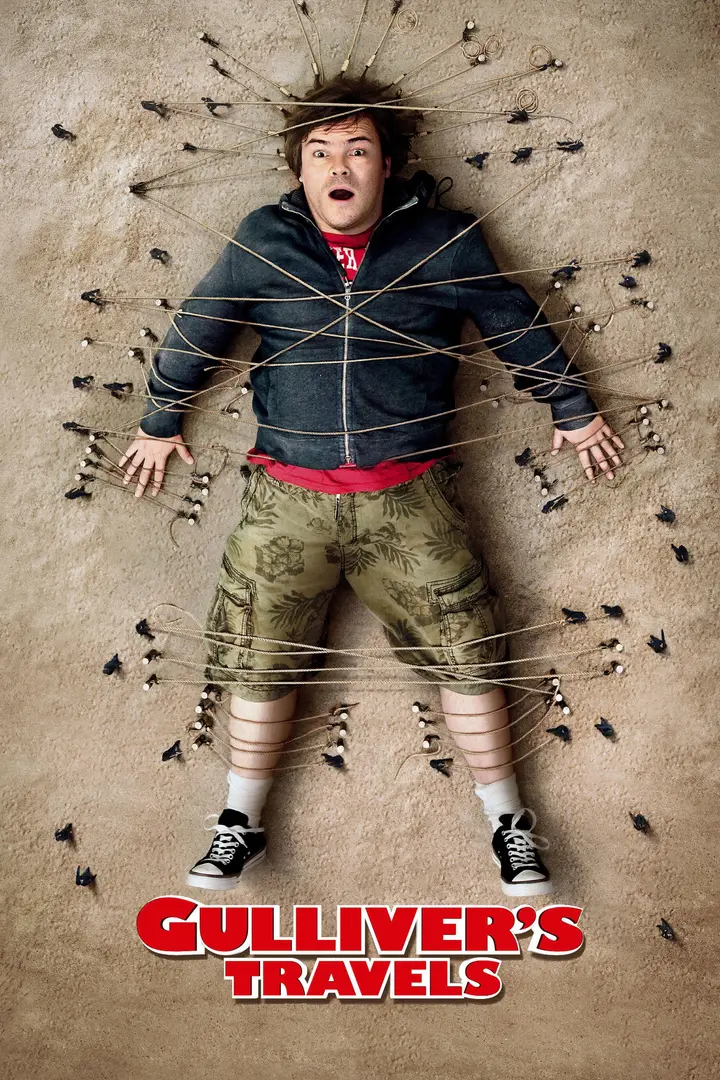
Gulliver's Travels
A playful fantasy comedy of tiny kingdoms, unexpected adventures, and an ordinary man discovering a world unlike anything he knows.
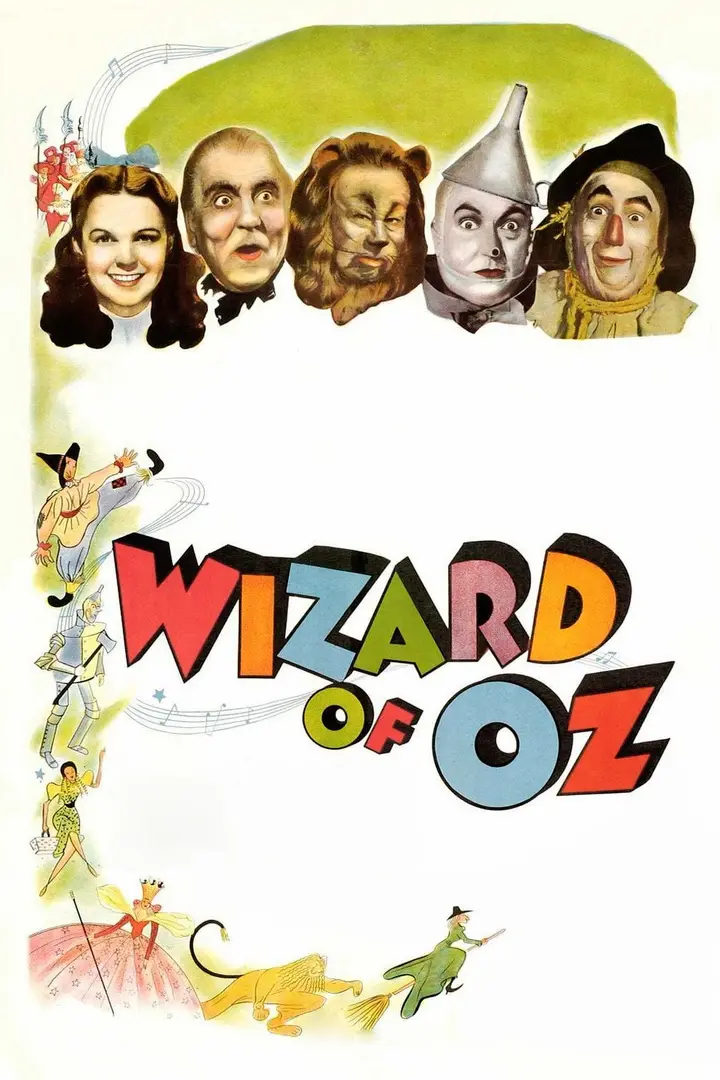
The Wizard of Oz
Sepia Kansas gives way to Technicolor Oz, where Dorothy’s road home winds through songs, witches, unlikely friends, and some of Hollywood’s defining fantasy imagery.
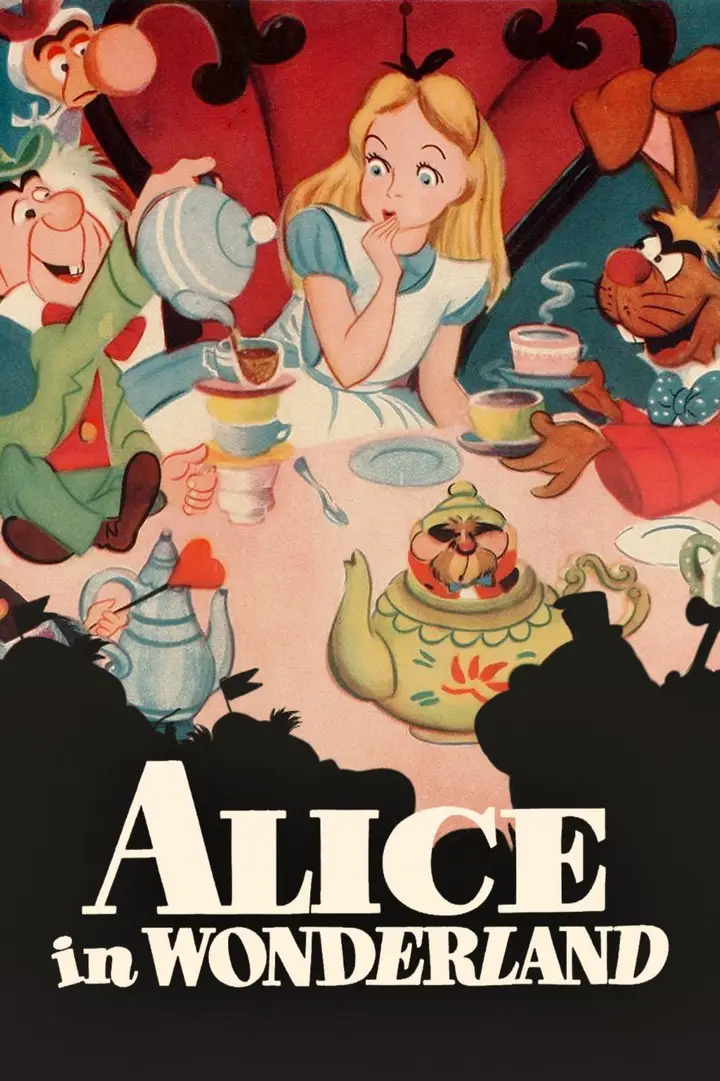
Alice in Wonderland
A landmark fantasy whose dreamlike imagery and unconventional logic continue to inspire interpretation, discussion, and debate.
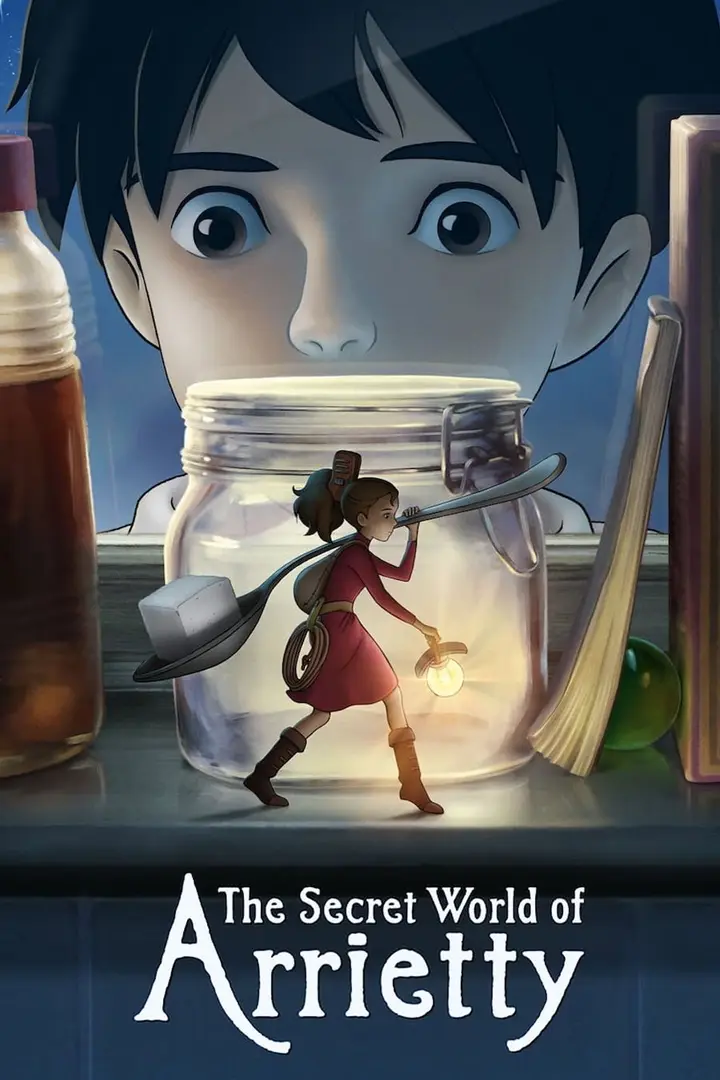
The Secret World of Arrietty
A gentle and beautifully observed story about friendship, wonder, and the small moments that stay with us.
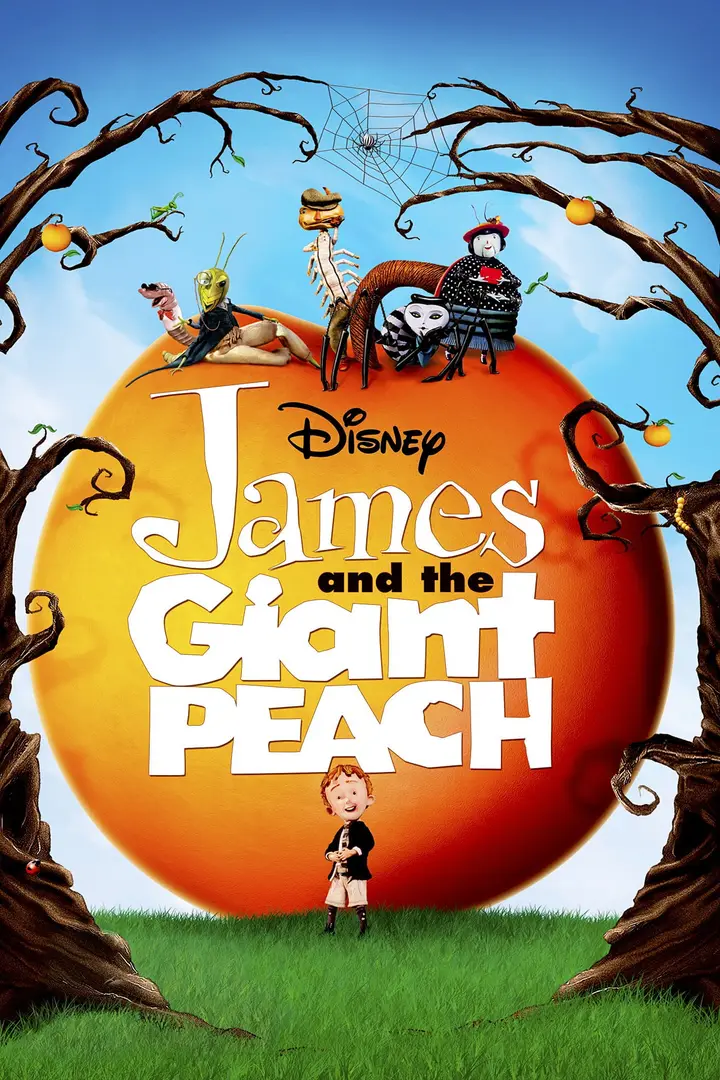
James and the Giant Peach
A strange and imaginative journey about loneliness, friendship and escaping a world that never truly felt safe.
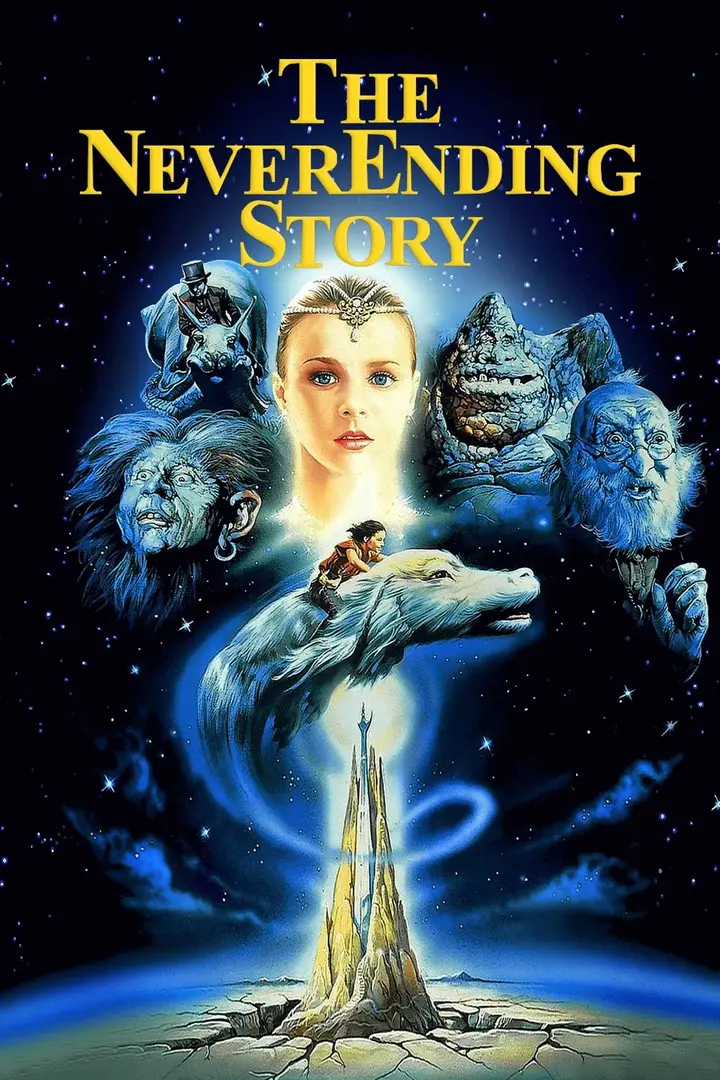
The NeverEnding Story
A fantasy adventure where a lonely boy discovers that imagination can become the force that changes an entire world.