Editor’s Choice
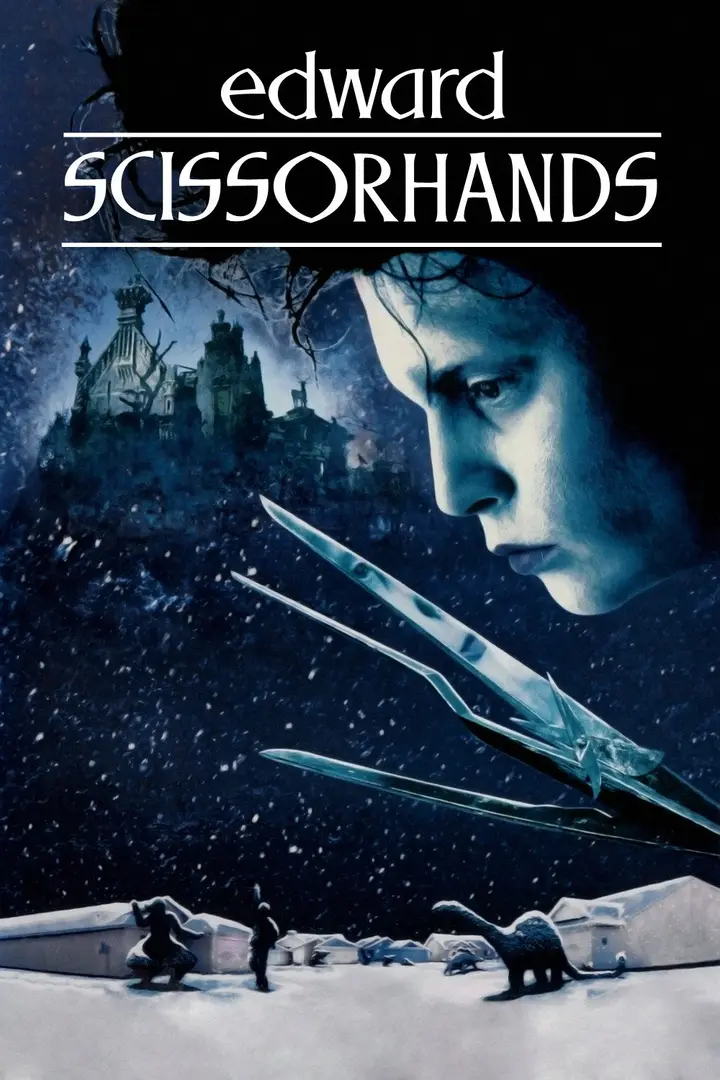
Edward Scissorhands
AgeMinimum 9Recommended 10+
A gothic fantasy of an unfinished creation, a mysterious mansion, and a gentle soul entering a colorful suburban world.
Edward, an unfinished artificial man with scissors for hands, lives alone in a Gothic mansion. When Peg Boggs brings him into her pastel-colored suburb, his extraordinary talent for cutting hair and shaping hedges attracts both admiration and unease. His presence unsettles the neighborhood's carefully maintained sense of normality.
- Release Year
- 1990
- Runtime
- 105 min
- Studio
- 20th Century Fox
- Format
- Live Action
- Genre
- Drama, Fantasy, Romance
- Mood
- Sad, Dark
- MPAA Rating
- PG-13
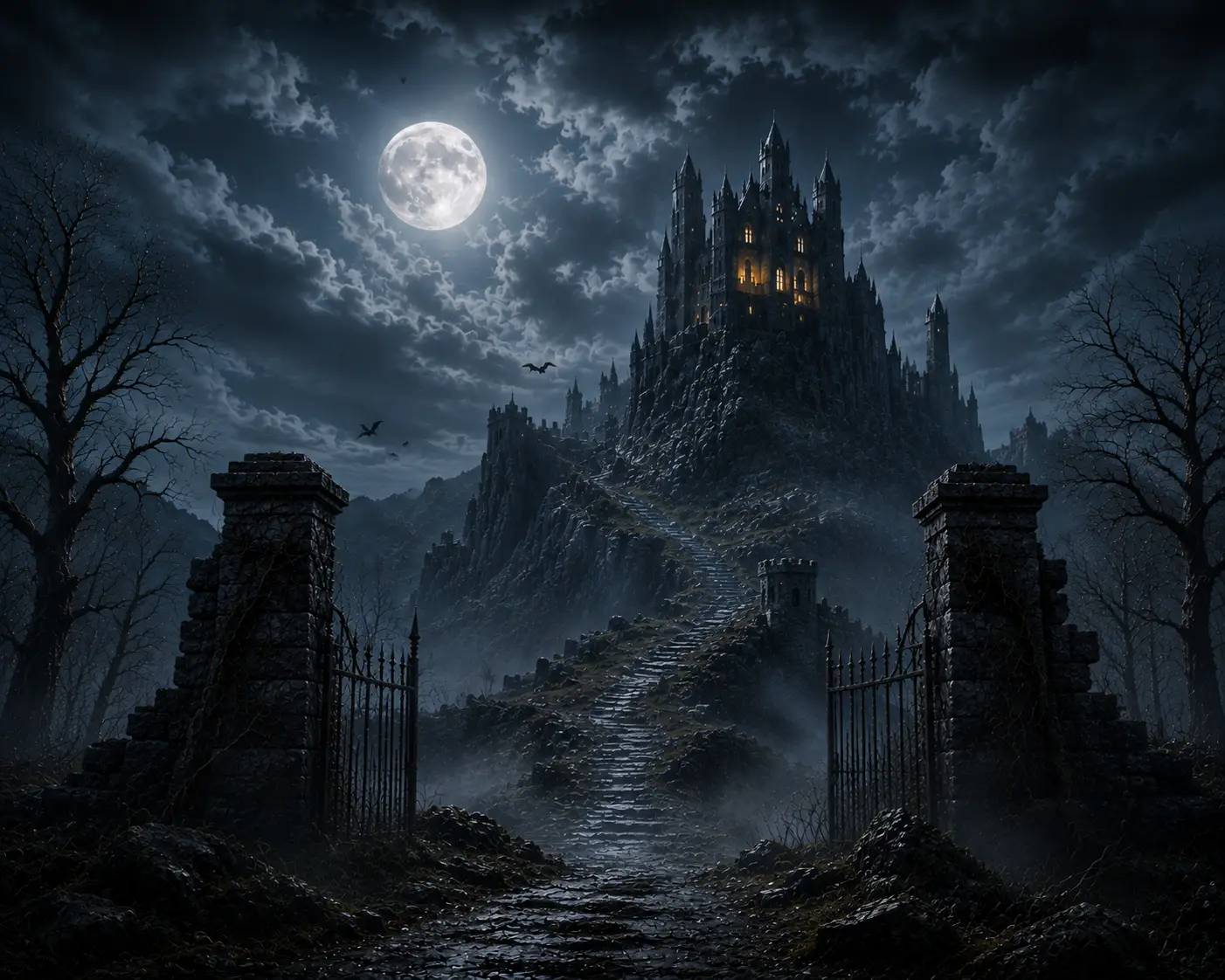
Edward Scissorhands unfolds between two unforgettable worlds: a lonely Gothic mansion standing above a neighborhood of pastel houses, perfect lawns, and carefully arranged suburban routines. The distance between Edward’s quiet home and the colorful streets below creates a fairy-tale landscape where two completely different worlds exist side by side.
Edward enters suburbia with curiosity, discovering everyday experiences that are completely new to him. Hedge sculptures, ice creations, haircuts, and moments inside the Boggs family home become part of Edward’s first experiences with a world that sees him as fascinating and unfamiliar.
The neighborhood welcomes Edward with excitement as his unusual talents transform ordinary gardens and everyday routines. As curiosity turns into expectation, the contrast between the perfect suburban streets and Edward’s isolated existence becomes increasingly visible.
Why It Stands Out
Edward Scissorhands combines Gothic fantasy and suburban fairy-tale imagery through the contrast between an unfinished creation and a carefully ordered neighborhood where fascination, acceptance, and rejection can exist within the same community.
Parents’ Insight
First impressions can shape how people are treated before anyone understands their full story. Looking beyond appearances can reveal the person behind what is immediately visible.
Editor’s Choice: Gothic fairy tale, unforgettable design and outsider tenderness
Parents’ Guide
What to know before you press play
Six things parents ask about, rated on the same scale for every film and series in the collection.
- Scary intensity
- Minimal (1 of 5)
- Violence
- Moderate (3 of 5)
- Language
- Minimal (1 of 5)
- Emotional intensity
- Strong (4 of 5)
- Sexual content
- None (0 of 5)
- Substance use
- Mild (2 of 5)
Content notes
- Themes of prejudice and mob violence; a poignant, sometimes sad tone
Questions Parents Ask
What is Edward Scissorhands about?
Edward lives alone in a mansion after the death of the inventor who created him, unfinished and with scissors in place of hands. When Avon saleswoman Peg Boggs discovers him and brings him into her suburban neighborhood, the residents initially respond with fascination and acceptance. As Edward's talents make him popular, misunderstandings, jealousy, and exploitation turn that welcome into conflict, exposing how quickly a community can reject someone it once treated as a novelty.
What age is Edward Scissorhands suitable for?
Several confrontations with the suburban neighbors grow genuinely tense, and the ending is poignant rather than traditionally happy, which is why this settles at a single recommended age rather than a wider range.
Is Edward Scissorhands scary?
- Bullying and prejudice
- Angry mob scenes
- Emotional tension
- Brief fantasy violence
- Graphic gore
- Horror elements
Within Edward Scissorhands, viewers see scenes involving bullying, fear-driven behavior, and an increasingly hostile community. A handful of confrontations involve injuries and emotional distress, but there is little graphic content. The film's greatest emotional impact comes from its themes of exclusion, loneliness, and the consequences of judging someone because they are different.
Is Edward Scissorhands worth watching?
Edward Scissorhands is one of Tim Burton's most beloved films, blending fairy-tale fantasy with heartfelt emotion to create a timeless story about kindness, individuality, and the universal desire to belong. Tim Burton transforms an ordinary suburban neighborhood into a modern fairy tale where bright pastel streets contrast beautifully with Edward's dark Gothic home. Johnny Depp delivers one of his finest performances through remarkably subtle physical acting, while Winona Ryder and Dianne Wiest bring warmth and humanity to the story. Danny Elfman's unforgettable score gives the film an almost dreamlike atmosphere, reinforcing its sense of wonder and melancholy. More than three decades after its release, Edward Scissorhands remains a moving reminder that empathy often begins with seeing beyond appearances.
What is Edward Scissorhands based on?
Edward Scissorhands is not based on a book. The story grew from an original idea by Tim Burton, inspired by feelings of isolation and not fitting in. Screenwriter Caroline Thompson developed that concept into a modern fairy tale that explores acceptance, compassion, and the beauty of human imperfection.
Talk About It
Edward’s scissor hands make him a suburban sensation and then a target, exposing how quickly admiration can become fear when a community rejects difference.
- What makes Peg welcome Edward into her home?
- How does Kim’s opinion of Edward change after their first meeting?
- Would you trust someone whose hands could accidentally hurt you?
- Which creation best expresses Edward’s gentleness?
- What would you tell Edward before Jim pressures him to enter the house?
- Why does the neighborhood’s fascination turn into fear?
- How does Edward show love when he cannot safely hold Kim?
- Kim wants Edward to feel accepted, while Jim treats him as a rival. What could Kim say or do before the neighborhood's fascination turns into fear?
Turn this film into a ready-to-use class discussion
Use the Teacher Resources already attached to this film. Choose the questions you want, then print, copy or share the result.
Similar Movies
Big Fish and Charlie and the Chocolate Factory link Edward Scissorhands to Tim Burton’s blend of emotion and eccentric design. Corpse Bride, Beetlejuice and Frankenweenie push toward macabre fantasy, and The Nightmare Before Christmas belongs to Burton-created Gothic imagination although Henry Selick directed it.
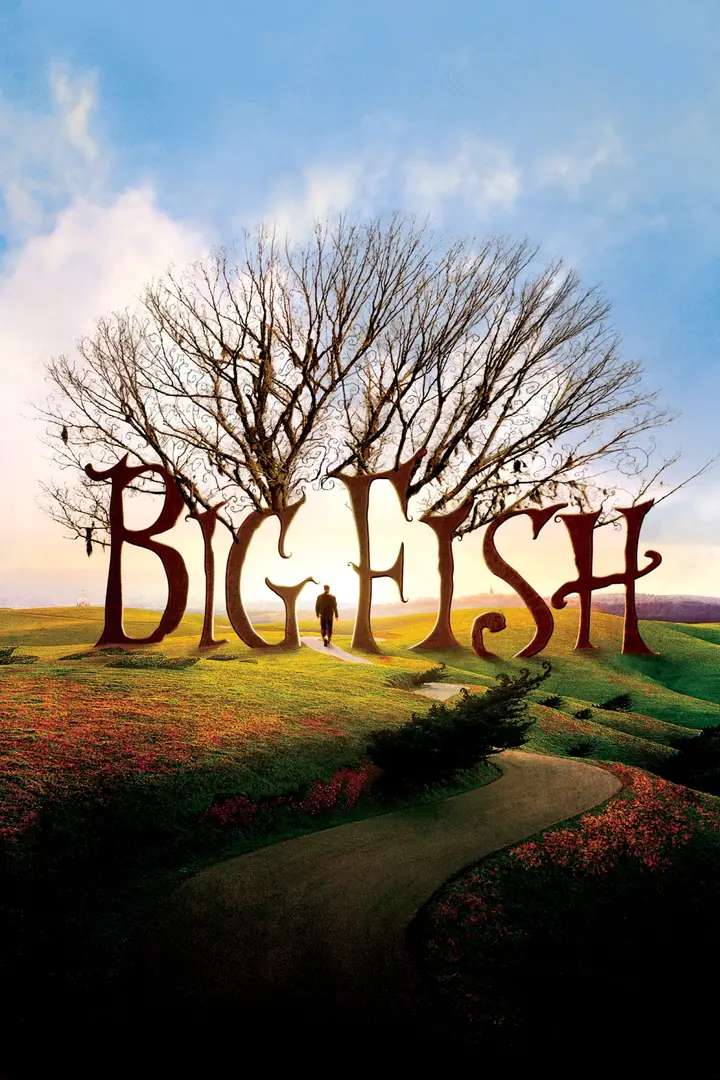
Big Fish
Giants, traveling circuses and extravagant Southern tall tales weave a luminous story about memory, fathers and the truths hidden inside exaggeration.
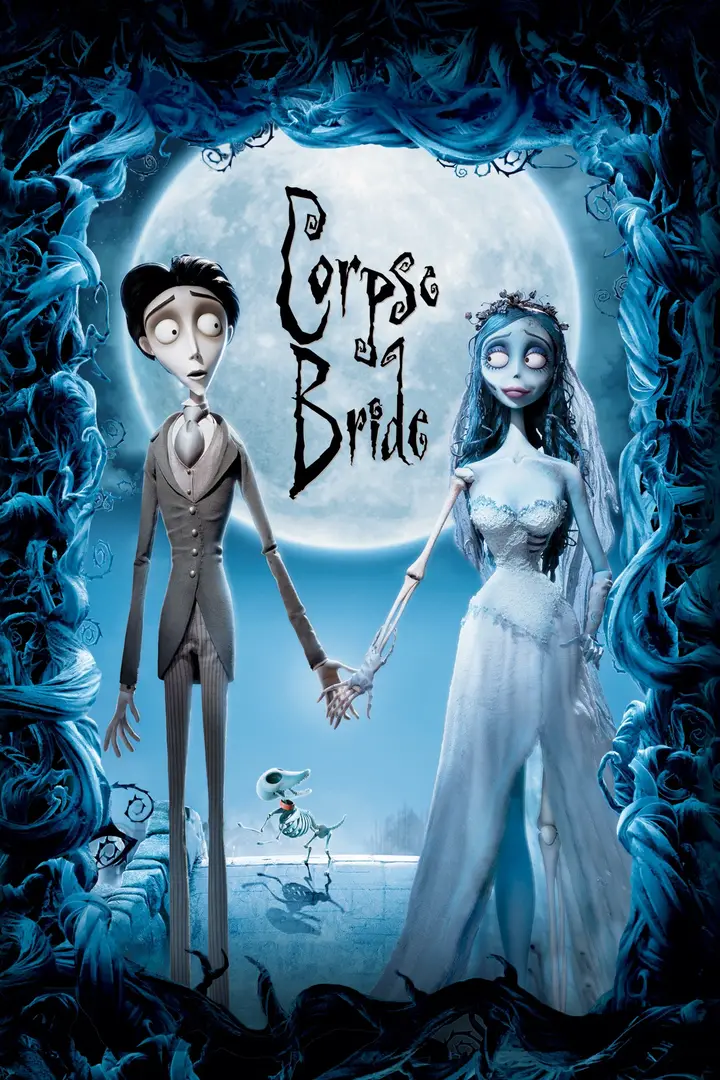
Corpse Bride
A gothic fantasy romance about love, loss, loyalty, and finding the courage to embrace life.
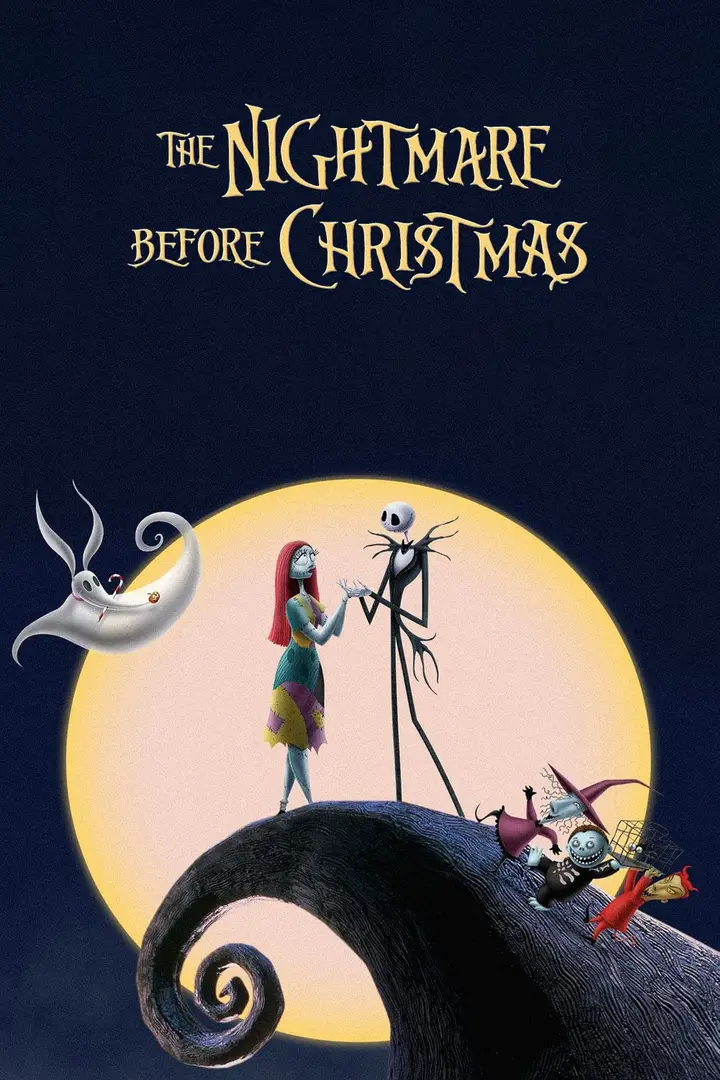
The Nightmare Before Christmas
A hauntingly beautiful holiday fantasy where spooky wonder, music and melancholy transform Halloween into something strangely heartfelt.
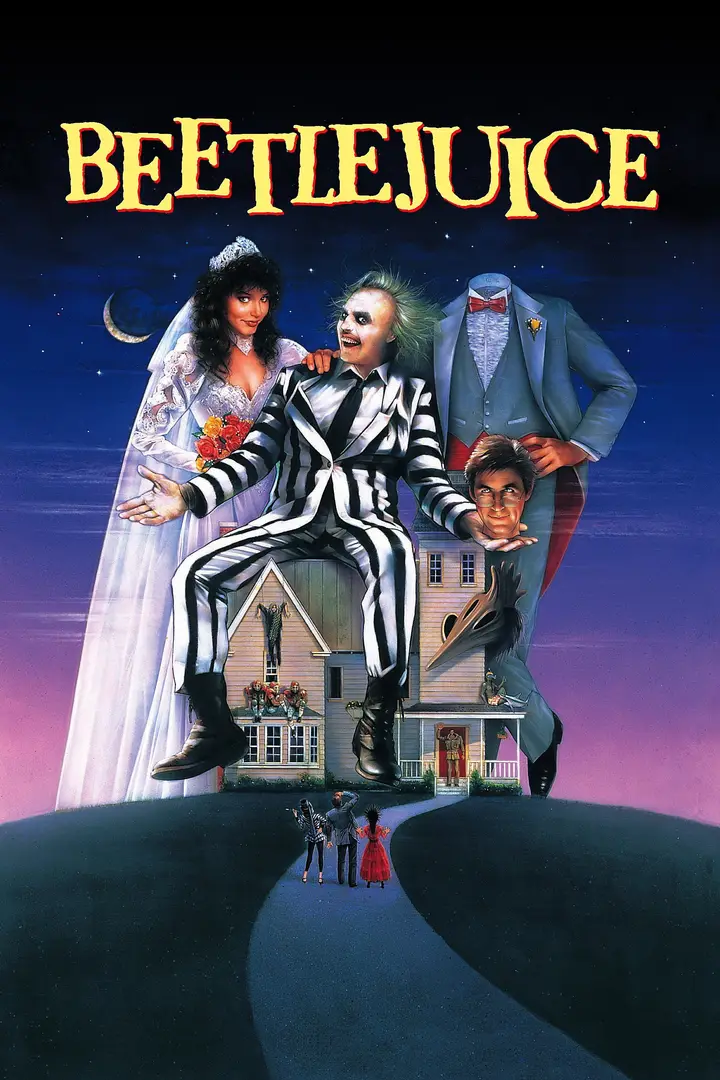
Beetlejuice
A wildly imaginative dark comedy about ghosts, strange homes, and the beautiful chaos that erupts when the living and dead collide.
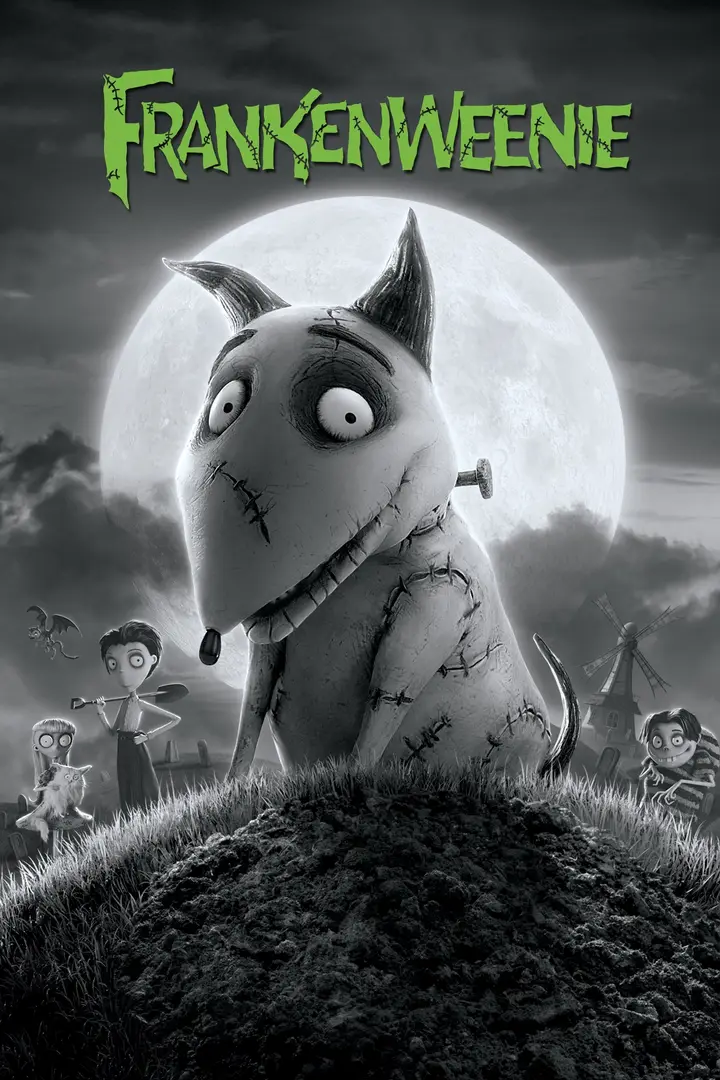
Frankenweenie
A spooky and tender adventure about friendship, grief, and the unbreakable bond between a boy and his dog.
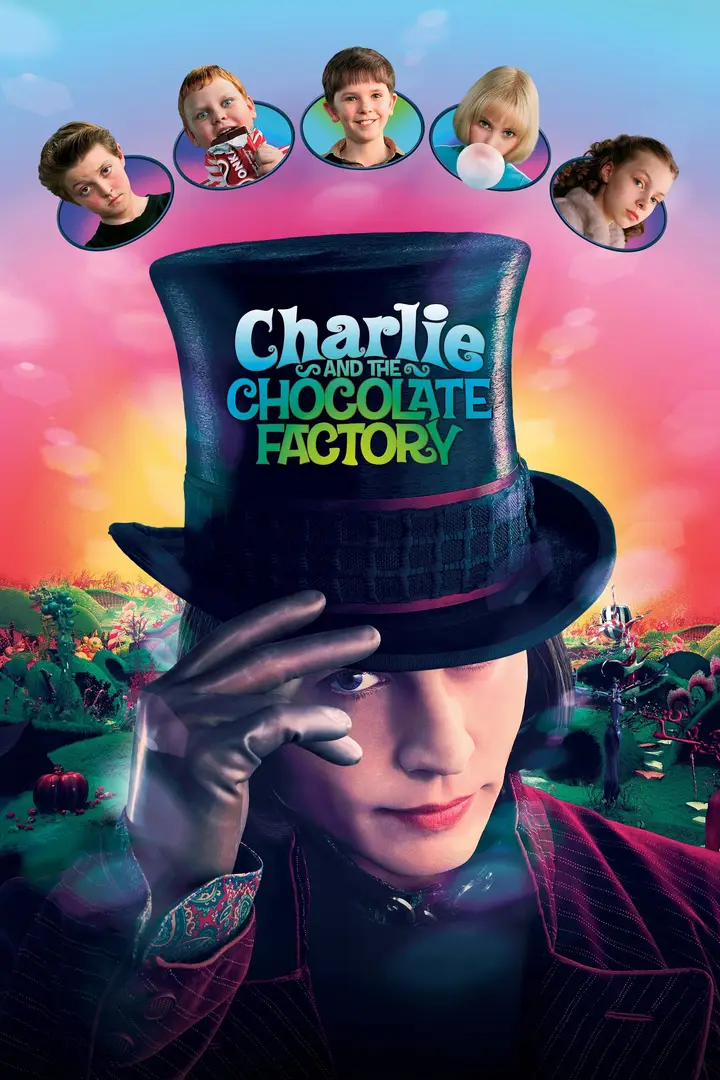
Charlie and the Chocolate Factory
A visually imaginative fantasy adventure where a kind-hearted boy enters a magical factory and discovers the importance of family, kindness, and character.