Editor’s Choice
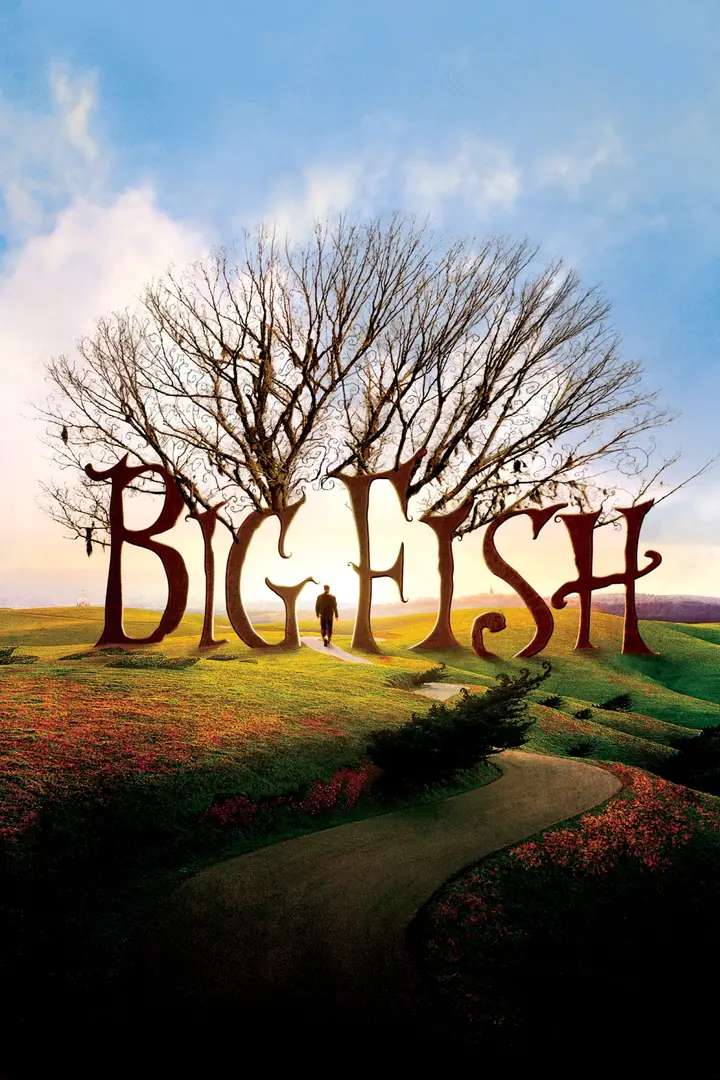
Big Fish
AgeMinimum 10Recommended 11+
Giants, traveling circuses and extravagant Southern tall tales weave a luminous story about memory, fathers and the truths hidden inside exaggeration.
Edward Bloom has spent his life telling stories so large that they seem to hover somewhere between memory and legend. When his son Will returns home as Edward’s health declines, he tries to understand the man behind the tales and the truth, feeling, and family history hidden inside them.
- Release Year
- 2003
- Runtime
- 125 min
- Studio
- Columbia Pictures
- Format
- Live Action
- Mood
- Magical, Emotional
- MPAA Rating
- PG-13
The world of Edward Bloom moves between small Southern towns and impossible adventures, where ordinary places become the setting for encounters with giants, mysterious communities, traveling circuses, and stories that grow larger with every telling. Edward’s memories transform familiar landscapes into something that feels part history and part legend.
Will Bloom has spent his life hearing his father’s stories but struggles to understand the reality behind them. Returning home, he begins looking through the people, places, and moments that shaped Edward’s life, discovering a different side of the man he thought he knew.
From quiet Alabama towns to the strange corners of Edward’s imagination, each adventure becomes another piece of his life story. The people he meets, the places he remembers, and the stories he shares reveal how a lifetime can be shaped by the way we choose to remember it.
Why It Stands Out
Big Fish combines Southern storytelling, fantasy imagery, and family drama to create a unique portrait of a father whose exaggerated adventures reveal the memories, emotions, and relationships behind a lifetime of stories.
Parents’ Insight
Families do not always remember the past in the same way. The stories we share about our lives become part of how younger generations understand the people they love and the experiences that shaped them.
Editor’s Choice: Extravagant storytelling, striking fantasy and a father-son bond
Parents’ Guide
What to know before you press play
Six things parents ask about, rated on the same scale for every film and series in the collection.
- Scary intensity
- Minimal (1 of 5)
- Violence
- Mild (2 of 5)
- Language
- Mild (2 of 5)
- Emotional intensity
- Moderate (3 of 5)
- Sexual content
- None (0 of 5)
- Substance use
- Mild (2 of 5)
Content notes
- Deals with a father's terminal illness and death; best for older children/teens with parents
Questions Parents Ask
What is Big Fish about?
As his father Edward Bloom nears the end of his life, Will Bloom returns home hoping to finally separate reality from the incredible stories he has heard since childhood. Edward's tales are filled with giants, witches, impossible adventures, unlikely friendships, and remarkable romances, making it difficult for Will to know where the truth ends and imagination begins.
As father and son spend their final days together, Will gradually realizes that understanding a person sometimes requires listening not only to what happened, but also to the stories they chose to tell.
What age is Big Fish suitable for?
Minimum age: 10. Recommended age: 11+. Younger viewers may enjoy the fantasy sequences on their own terms, but the film's deeper reflections on family, memory, and storytelling — tied to the father's terminal illness — land more fully a year later.
Is Big Fish scary?
- Themes of terminal illness
- Emotional scenes surrounding death
- Some surreal fantasy imagery
- Graphic violence
- Horror imagery
- Sustained frightening scenes
The strongest emotional moments revolve around illness, saying goodbye, and family relationships rather than physical danger.
Is Big Fish worth watching?
Big Fish is one of Tim Burton's most heartfelt films, blending fantasy and reality into a moving story about family, memory, forgiveness, and the power of storytelling. Unlike many fantasy films, Big Fish uses magical adventures not to escape reality but to help explain it. Each larger-than-life story gradually reveals something meaningful about Edward Bloom, inviting viewers to consider that emotional truth sometimes matters more than literal accuracy. Tim Burton balances whimsical imagination with genuine emotional warmth, creating a film that celebrates family history, reconciliation, and the stories people leave behind. The result is a touching reflection on love, legacy, and the different ways people choose to remember one another.
What is Big Fish based on?
Big Fish is based on the book Big Fish: A Novel of Mythic Proportions, written by Daniel Wallace, first published in 1998. Director Tim Burton and screenwriter John August expanded the novel's tall-tale structure with heightened visual fantasy sequences depicting Edward Bloom's exaggerated life stories.
Talk About It
Will Bloom returns to his dying father Edward, whose tales of giants, witches, circuses, and impossible love conceal emotional truths behind lifelong exaggeration.
- Why does Will resent Edward’s stories at the wedding?
- How does Sandra understand Edward differently from their son?
- Would you prefer an ordinary fact or an unforgettable story about your family?
- What would you ask Edward about the town of Spectre?
- Why does young Edward work years to learn Sandra’s name?
- Will wants factual answers, while Edward communicates through stories. What could each do to understand the emotional truth without dismissing the other’s needs?
- Which story seems to reveal the most genuine truth?
- Why must Will complete his father’s final story?
Turn this film into a ready-to-use class discussion
Use the Teacher Resources already attached to this film. Choose the questions you want, then print, copy or share the result.
Similar Movies
For larger-than-life storytelling, the nearest matches to Big Fish are Secondhand Lions and The Adventures of Baron Munchausen, where family history and fantasy blur together. Life of Pi also plays with the boundary between story and truth, while The Princess Bride, Stardust and The NeverEnding Story move farther into overt fantasy.
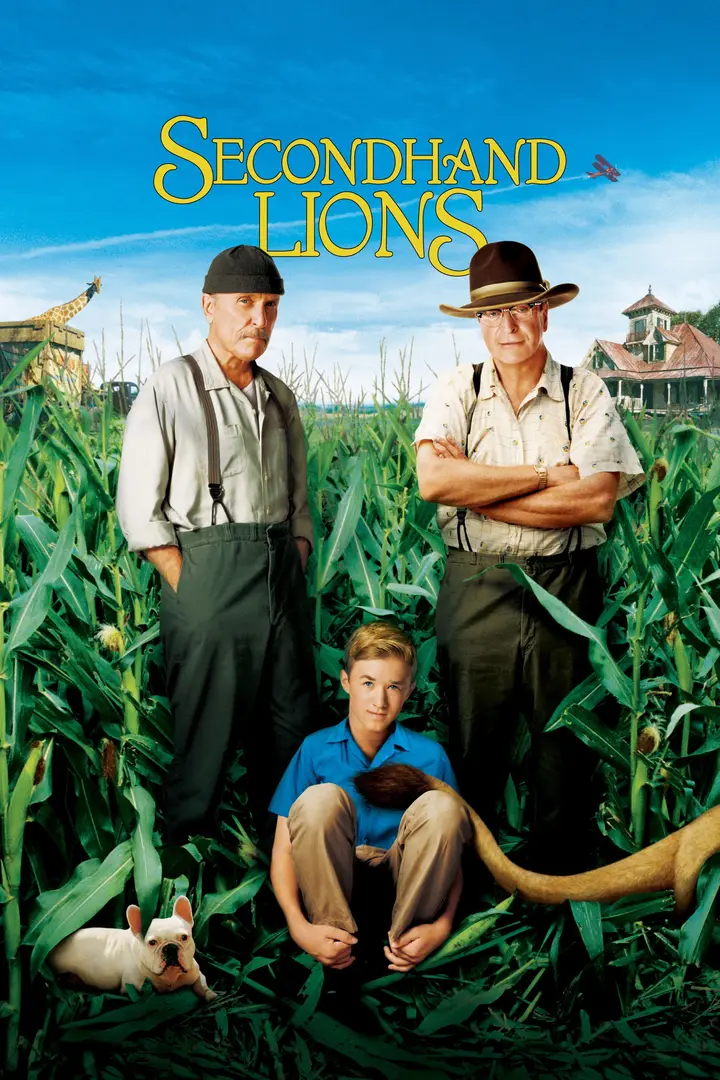
Secondhand Lions
A Texas summer of mysterious great-uncles, dusty fields, secondhand legends, and a boy discovering stories that change how he sees the world.
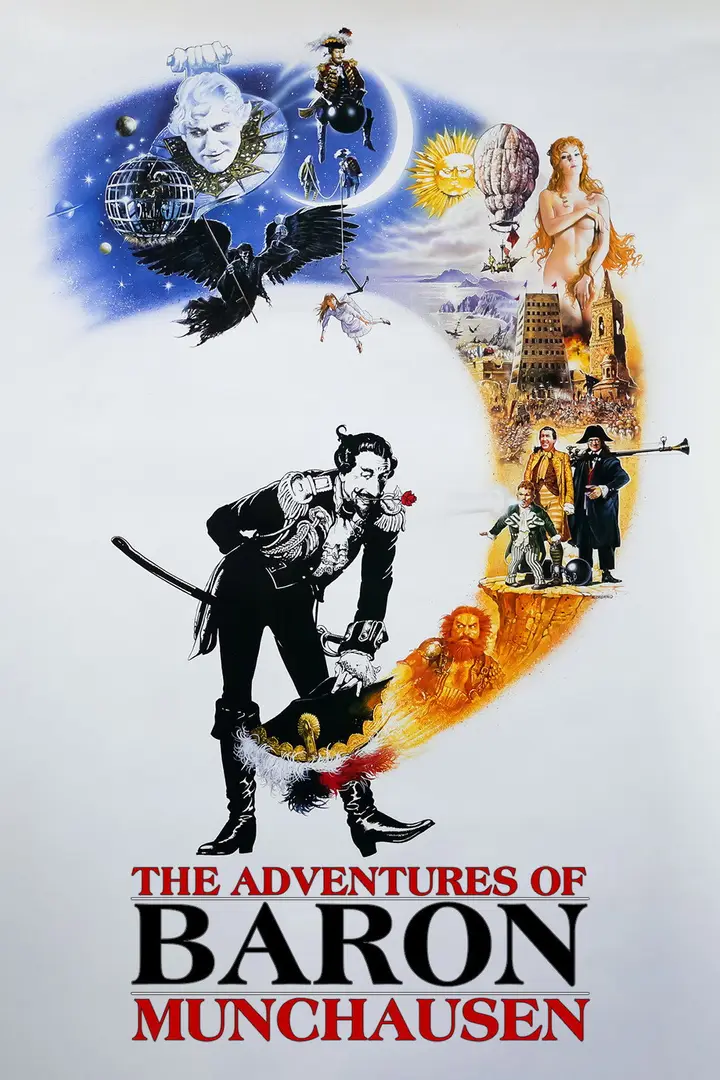
The Adventures of Baron Munchausen
A wildly imaginative fantasy about impossible journeys, larger-than-life companions, and believing what reason says cannot be true.
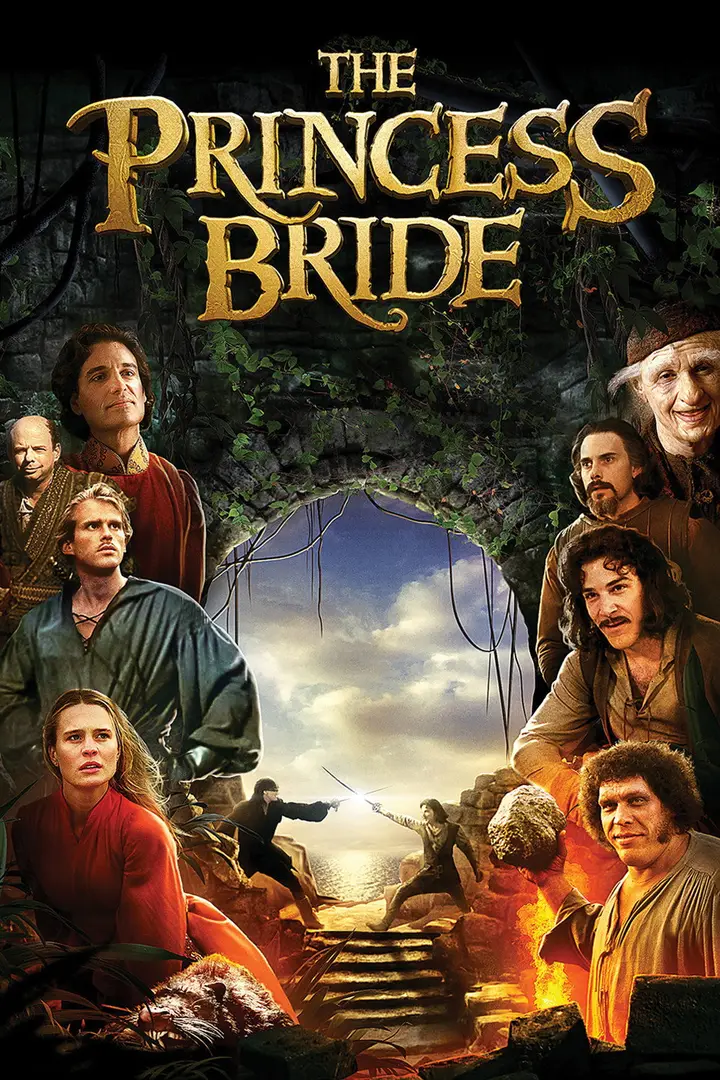
The Princess Bride
A timeless fairy tale adventure where love, humor, and imagination transform a simple story into a journey generations can share.
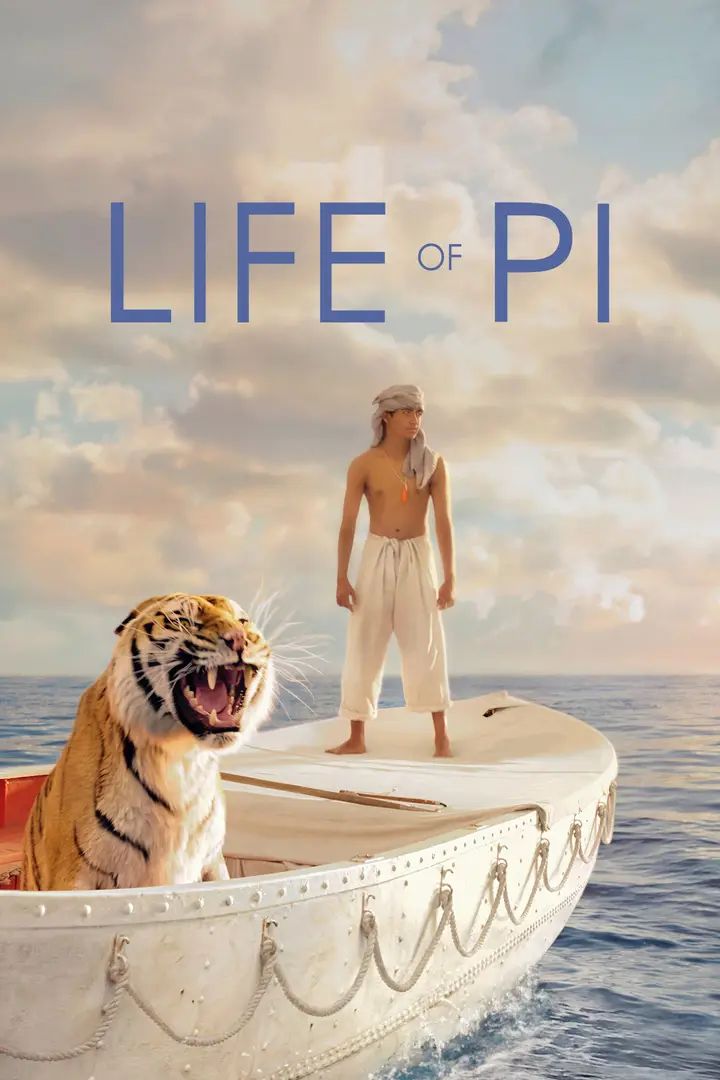
Life of Pi
A survival adventure of endless ocean, a young storyteller, and a Bengal tiger sharing an impossible journey across the Pacific.
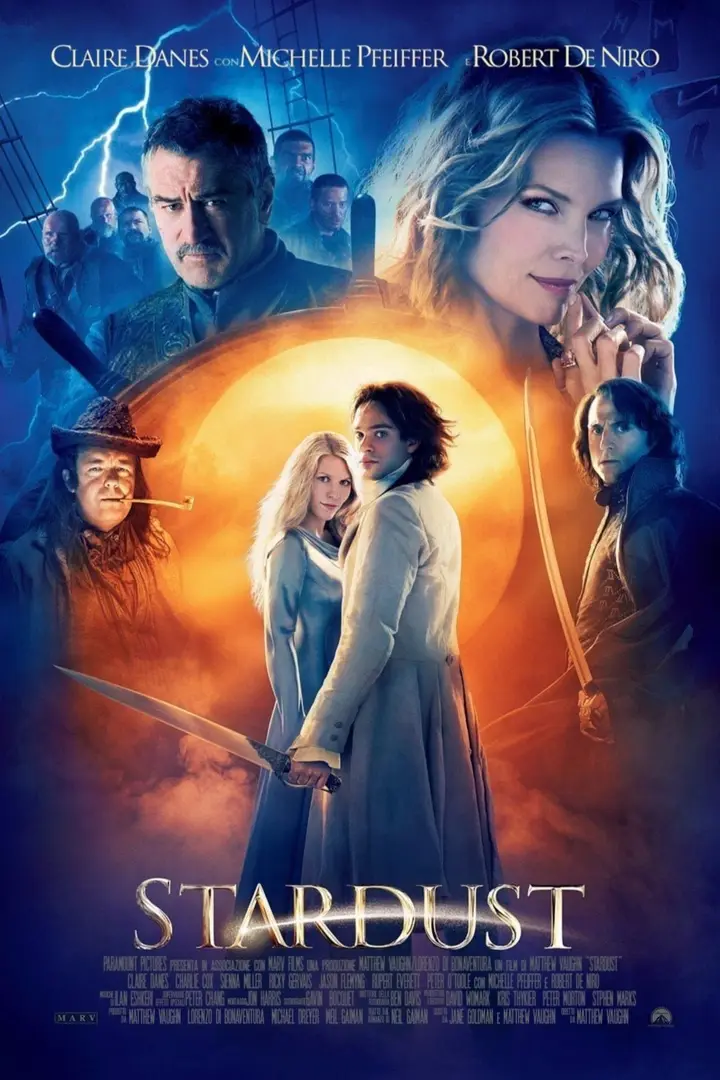
Stardust
A fairy-tale adventure of a guarded wall, a fallen star, witches, and a young man stepping into a world far larger than the one he knows.
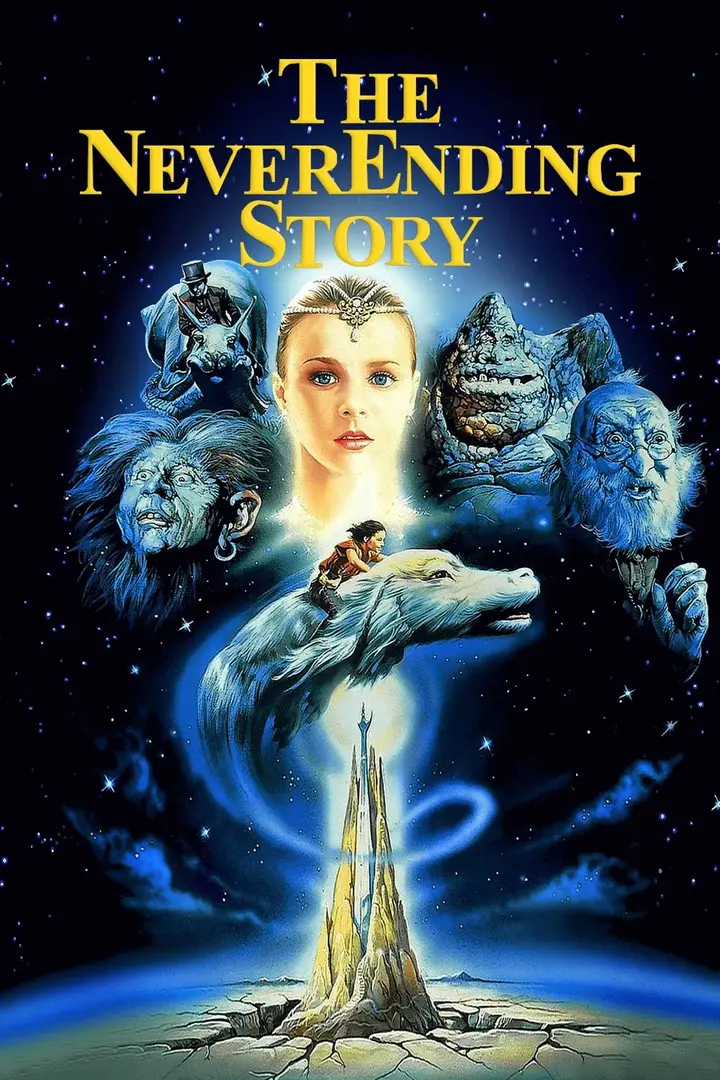
The NeverEnding Story
A fantasy adventure where a lonely boy discovers that imagination can become the force that changes an entire world.