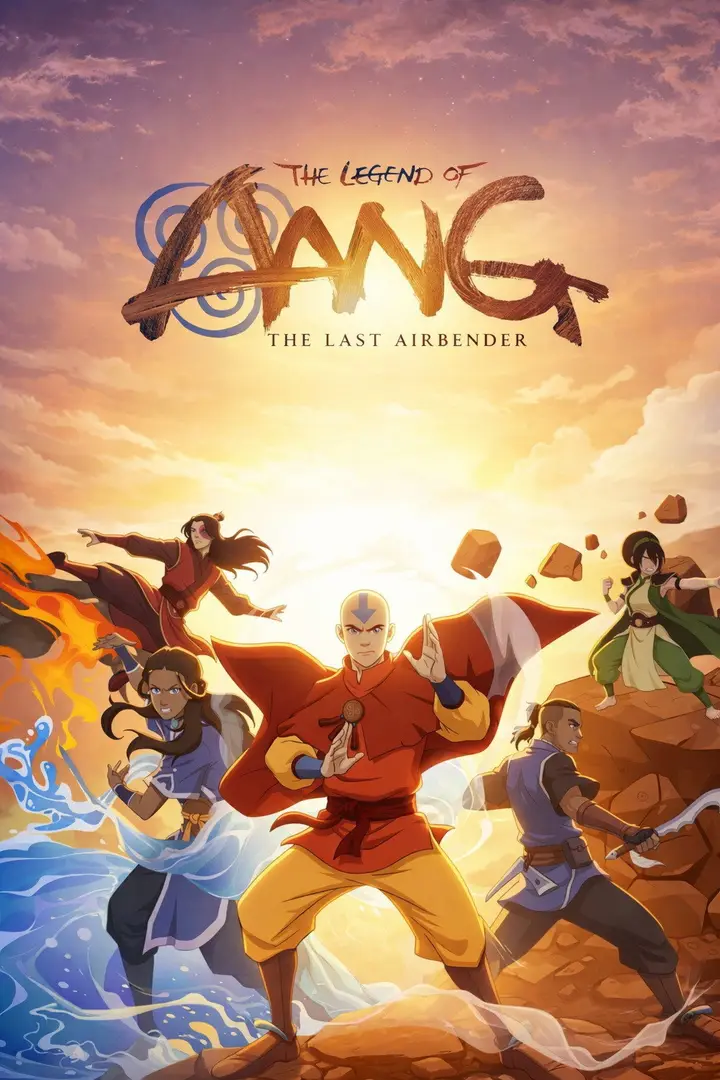
Avatar Aang: The Last Airbender
AgeMinimum 8Recommended 10+
Wind across the Four Nations, elemental forces in motion, ancient landscapes, and a new journey through a world where balance is always changing.
Years after the original journey, Aang and his friends face a Four Nations that has grown beyond the conflicts they once knew. When a new threat emerges connected to the future of the Air Nomads, the group must travel across familiar lands and discover how to protect a world that has continued changing without them.
- Release Year
- 2026
- Runtime
- 99 min
- Format
- Hybrid
- Mood
- Epic, Emotional
- MPAA Rating
- PG
Seeing Aang, Katara, Sokka, Toph and Zuko together again has a natural warmth. They are older, more experienced and shaped by everything they have already lived through, yet their personalities remain recognizable. Aang still carries curiosity and optimism, Sokka brings humor into difficult moments, Toph remains fiercely independent, Katara carries quiet confidence, and Zuko's presence reflects a life built around responsibility.
The Four Nations also gain a new sense of scale. Mountains, cities, spirit landscapes and open skies make the journey feel larger, while bending remains one of the world's most distinctive forms of storytelling. Air, water, earth and fire do not simply create action; each element has its own movement, rhythm and personality.
Yet the most memorable moments often come from the quieter details. A familiar joke, a shared glance between old friends, Appa and Momo returning to the adventure, or a musical theme appearing at exactly the right moment all make the world feel lived in. The magic of Avatar has always come from the balance between enormous ideas and very personal moments.
Why It Stands Out
The film brings the Four Nations to a larger cinematic scale while preserving the humor, friendship and sense of discovery that define the world. Its elemental action feels unique, but the lasting appeal comes from watching familiar characters continue growing inside a universe that still feels full of possibility.
Parents’ Insight
Some stories grow alongside the people who love them. Children may first connect with Aang's curiosity, Sokka's humor or Katara's determination, while families discover new meaning when they experience the same world together years later. Shared stories can become part of the memories that connect generations.
Parents’ Guide
What to know before you press play
Six things parents ask about, rated on the same scale for every film and series in the collection.
- Scary intensity
- Mild (2 of 5)
- Violence
- Moderate (3 of 5)
- Language
- Minimal (1 of 5)
- Emotional intensity
- Mild (2 of 5)
- Sexual content
- None (0 of 5)
- Substance use
- None (0 of 5)
Content notes
- Bending battles and physical combat; Political conflict and betrayal
Parent guidance
Fantasy action peril consistent with the source series, generally suitable
Questions Parents Ask
What is Avatar Aang: The Last Airbender about?
Years after helping bring peace to the world, Avatar Aang, the last of his kind, learns of an ancient power that could help restore his people's nearly vanished Air Nomad culture. Reuniting with his closest friends, Aang embarks on a global quest to find it before it falls into the wrong hands. Now adults, Aang and his friends face a new threat that tests the peace they fought so hard to build after the war's end.
What age is Avatar Aang: The Last Airbender suitable for?
Minimum age: 8. Recommended age: 10+. The film carries over the original series' mix of elemental combat, political intrigue, and occasional loss.
Is Avatar Aang: The Last Airbender scary?
- Bending battles and physical combat
- Political conflict and betrayal
- Graphic violence or gore
The elemental-bending battles stay within the animated series' established action register, translated to a more grounded adult context; the political betrayal subplot carries more emotional weight than physical danger.
Is Avatar Aang: The Last Airbender worth watching?
Reuniting the original series' creative team gives longtime fans of the animated show real continuity and emotional stakes for these characters as adults. Seeing Aang and his friends navigate adult responsibilities and new political stakes gives the franchise room to grow beyond its coming-of-age origins.
What is Avatar Aang: The Last Airbender based on?
Avatar Aang: The Last Airbender is based on the animated television series Avatar: The Last Airbender, created by Michael Dante DiMartino and Bryan Konietzko, and follows its characters as adults. The film continues the animated series' story into the characters' adult years, a time period not covered by the original show.
Talk About It
Older Avatar Aang reunites with friends to restore Air Nomad culture, facing whether a lost people can be rebuilt without freezing tradition in the past.
- Why does Aang pursue the ancient power?
- How do Katara and Sokka support him?
- Would you risk a quest to restore cultural memory?
- What would you tell Aang before using the power?
- Why do others seek it?
- How has leadership changed Aang?
- Which friendship remains essential?
- Why must restoration include change?
Turn this film into a ready-to-use class discussion
Use the Teacher Resources already attached to this film. Choose the questions you want, then print, copy or share the result.
Similar Movies
Raya, Kubo and Ne Zha offer the strongest mythic-fantasy route, centering young heroes shaped by courage, identity or legacy. How to Train Your Dragon and The Boy and the Beast introduce loyalty and mentorship into creature-filled worlds — Narnia expands the scale into epic conflict.
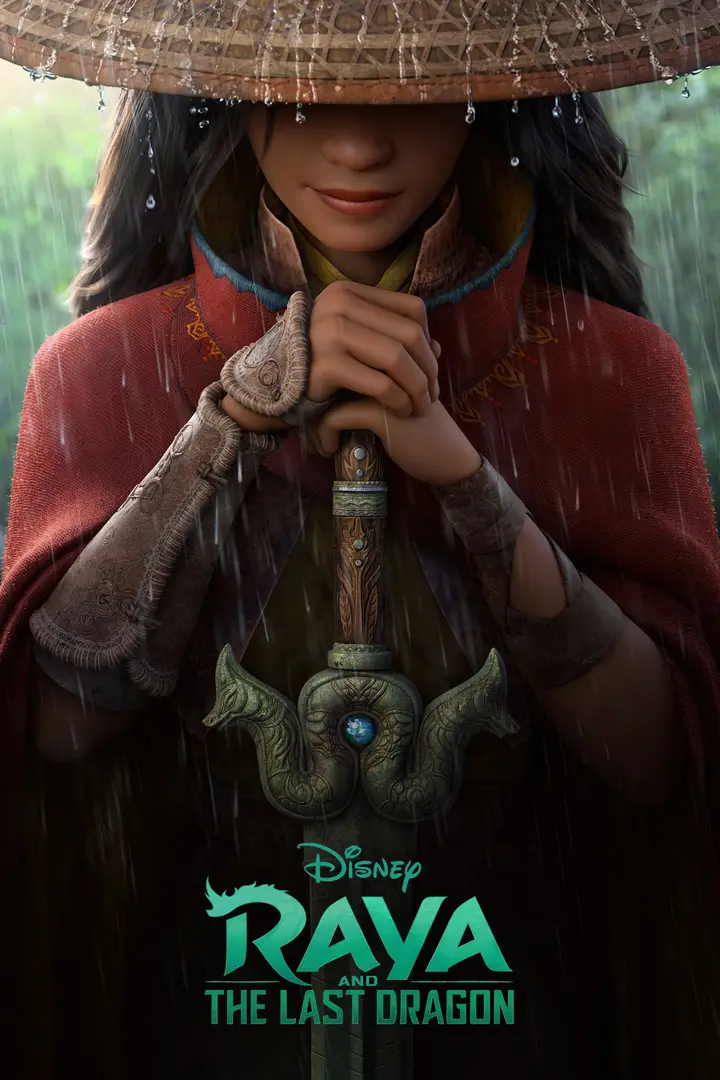
Raya and the Last Dragon
Lost kingdoms, dragon magic, and breathtaking worldbuilding create a thrilling fantasy adventure.
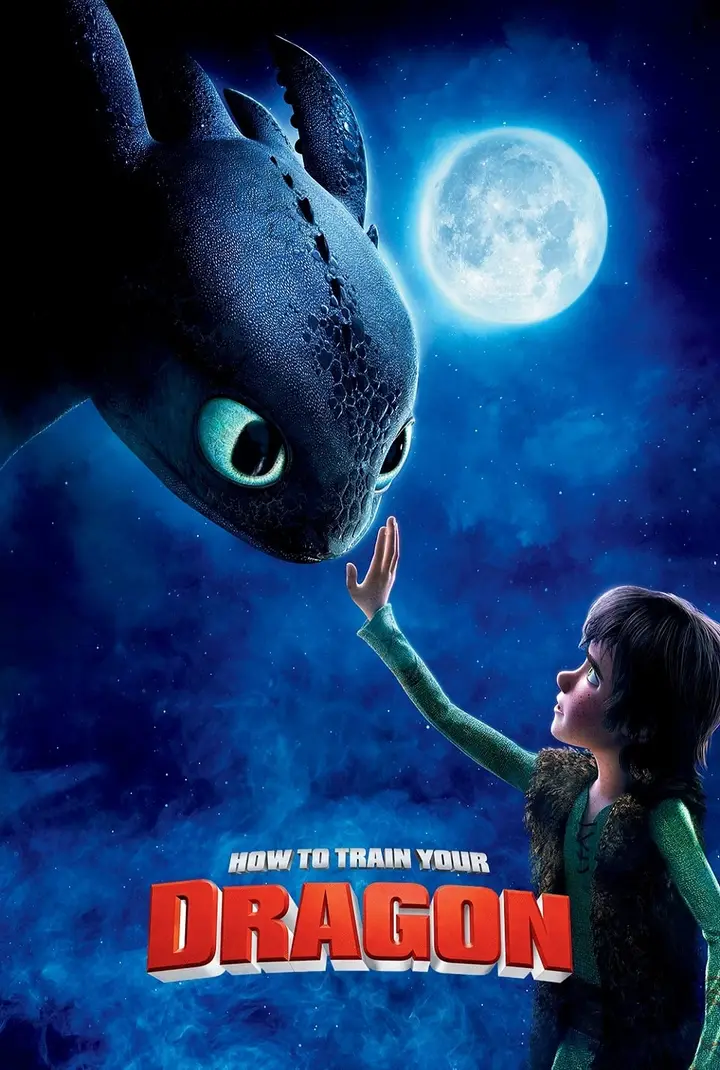
How to Train Your Dragon
Dragon flights, breathtaking landscapes, and soaring music combine with humor and heart to create an exhilarating adventure filled with wonder and friendship.
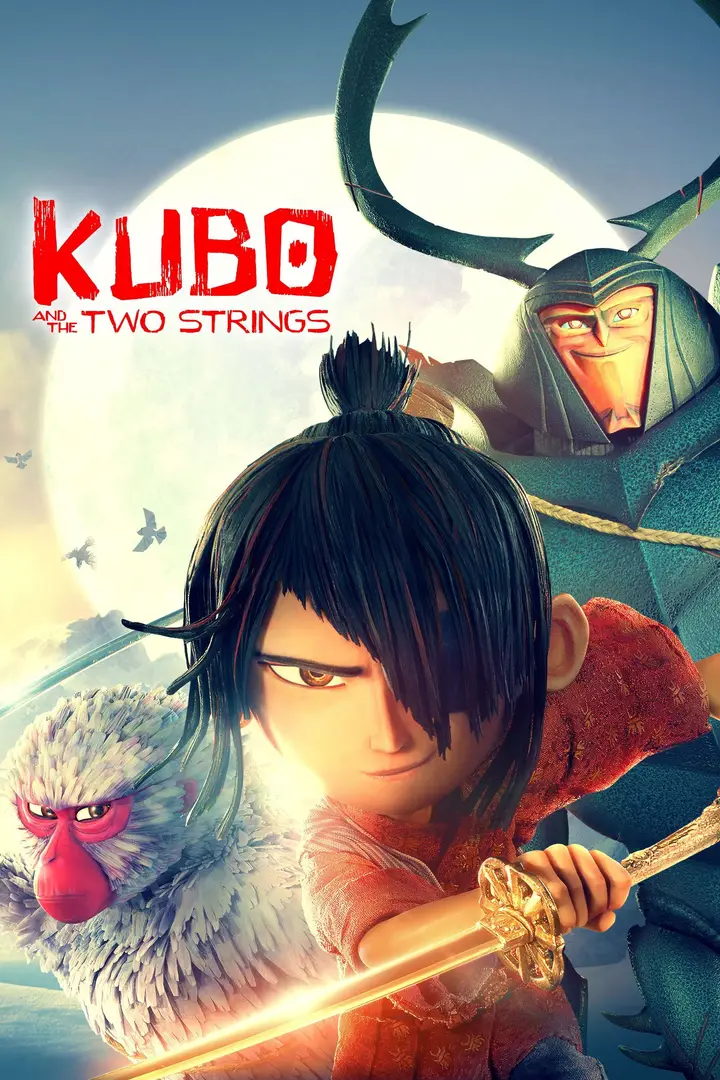
Kubo and the Two Strings
A mythic and emotionally rich journey shaped by storytelling, memory, courage, and the quiet power of the stories we carry through loss, family, and time.
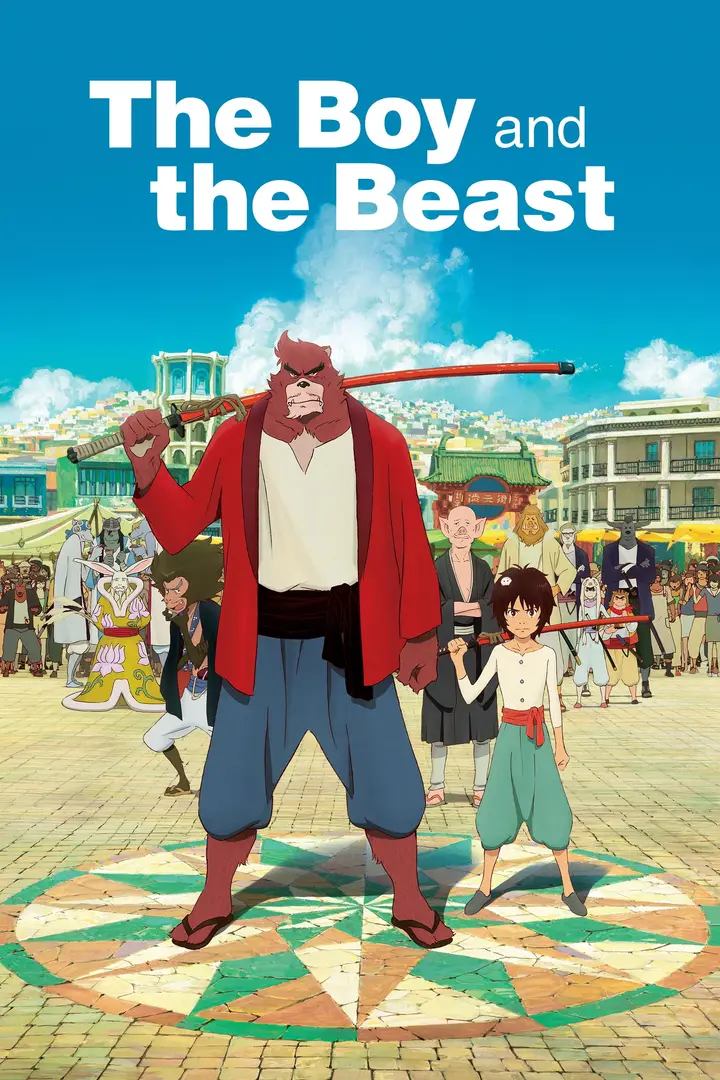
The Boy and the Beast
A wild and heartfelt fantasy adventure about an unlikely friendship, the search for belonging, and the messy ways people slowly become family to one another.
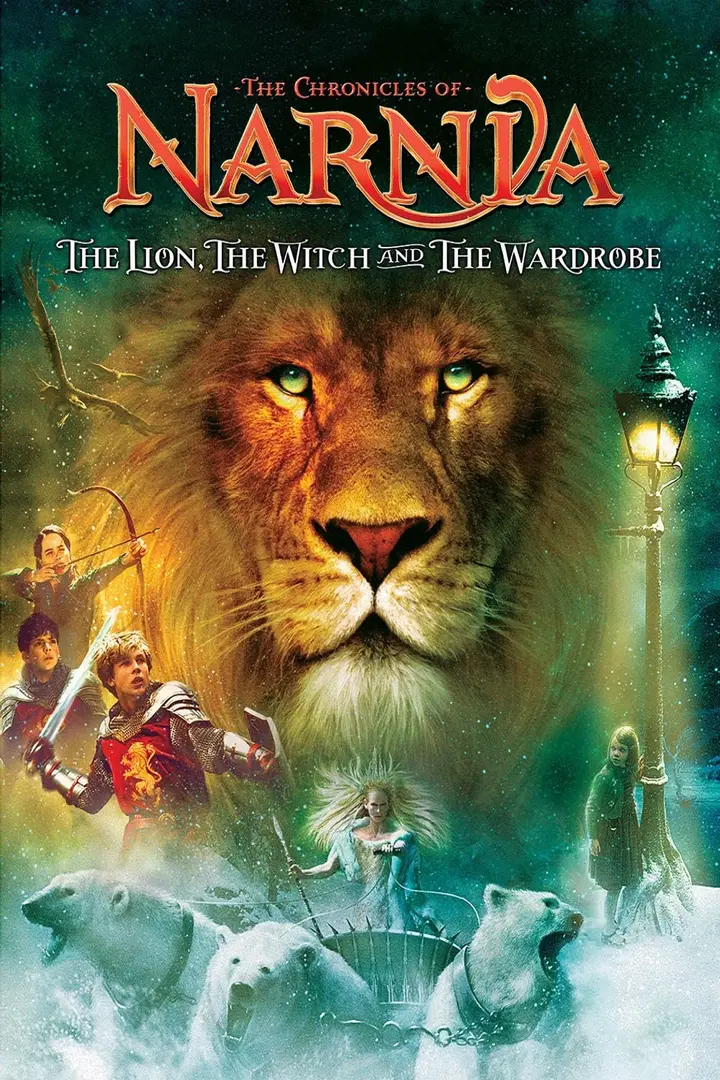
The Chronicles of Narnia: The Lion, the Witch and the Wardrobe
A magical fantasy adventure where four siblings enter a hidden realm of mythical creatures, ancient legends, and a journey that reveals courage beyond imagination.
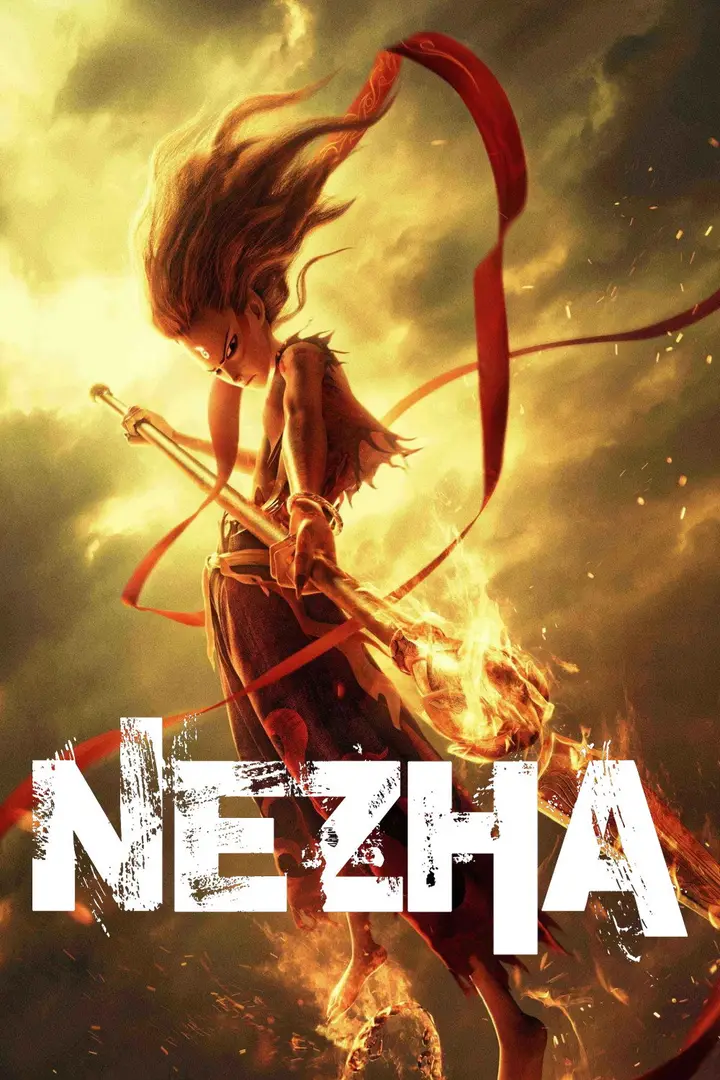
Ne Zha
An action-packed fantasy about identity, acceptance, and the freedom to choose who you become.