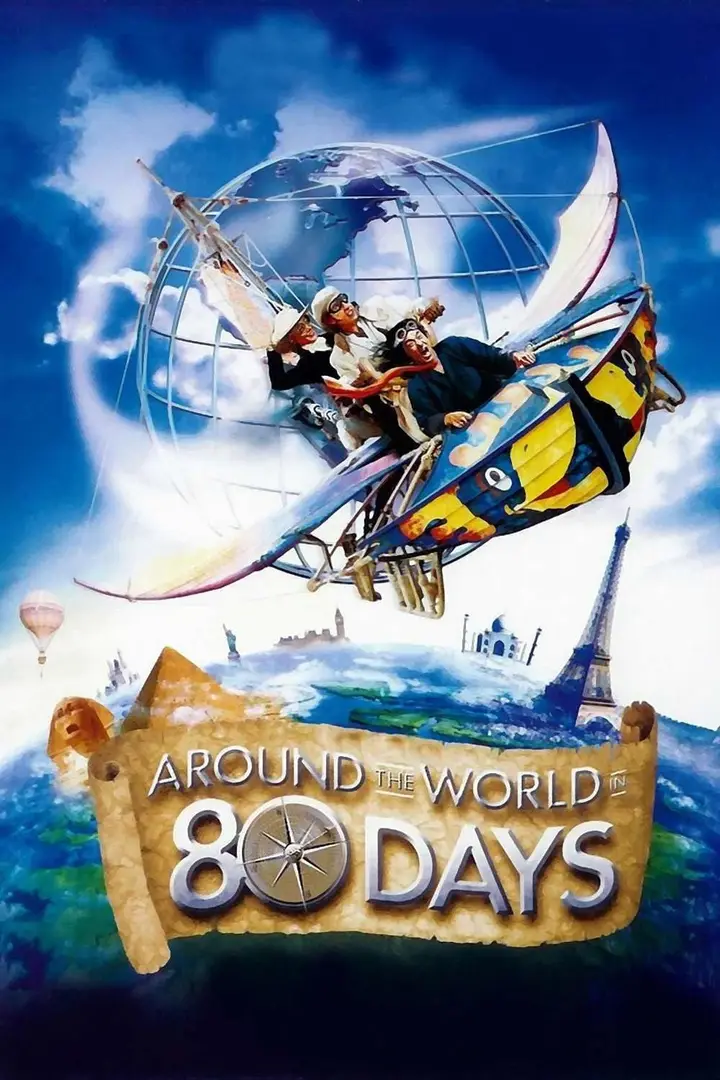
Around the World in 80 Days
AgeMinimum 7Recommended 8+
A legendary adventure transformed through comedy, invention, and physical creativity, where a journey around the world becomes a constantly changing cinematic performance.
In 1890, inventor Phileas Fogg accepts a challenge to prove he can travel around the world in 80 days. Joined by his new assistant Passepartout and artist Monique, he begins a race across continents while facing unexpected obstacles, rivals, and dangerous situations. As the journey continues, the three travelers must combine their different skills to complete the impossible challenge.
- Release Year
- 2004
- Runtime
- 120 min
- Studio
- Walt Disney Pictures
- Format
- Live Action
- Genre
- Action, Adventure, Comedy
- Mood
- Epic, Funny
- MPAA Rating
- PG
Around the World in 80 Days moves with the energy of a traveling stage performance. The film constantly changes rhythm, shifting from one situation to another through physical comedy, inventive action, elaborate environments, and Jackie Chan's distinctive approach to movement. Every stop feels designed as a new opportunity for surprise, humor, and spectacle.
The personality of the adventure comes from the unusual combination of its three travelers. Fogg approaches problems through ideas and inventions, Passepartout through improvisation and physical ability, while Monique brings determination and balance to the group.
The martial arts sequences, practical stunts, visual design, historical atmosphere, celebrity appearances, and performances by Jackie Chan, Steve Coogan, and Cécile de France create the feeling of a fast-moving cinematic show.
Why It Stands Out
Many adaptations of classic adventures focus on preserving the original story and its literary identity. Around the World in 80 Days creates a different experience by filtering Jules Verne's world through Jackie Chan's physical comedy, stunt choreography, and family-friendly sense of spectacle.
Parents’ Insight
Families often bring together people with very different personalities and abilities. Appreciating those differences can help children understand that cooperation does not require everyone to think or act in the same way.
Parents’ Guide
What to know before you press play
Six things parents ask about, rated on the same scale for every film and series in the collection.
- Scary intensity
- Minimal (1 of 5)
- Violence
- Mild (2 of 5)
- Language
- Minimal (1 of 5)
- Emotional intensity
- Minimal (1 of 5)
- Sexual content
- None (0 of 5)
- Substance use
- Mild (2 of 5)
Content notes
- Comedic action peril throughout
Questions Parents Ask
What is Around the World in 80 Days about?
In 1890, eccentric inventor Phileas Fogg accepts an extraordinary wager that he can travel around the world in just eighty days. Accompanied by his newly hired valet Passepartout and the determined French artist Monique, he embarks on a whirlwind journey across Europe, Asia, and North America.
As the trio encounters unexpected obstacles, rival pursuers, and dangerous situations, they must rely on ingenuity, teamwork, and trust to stay one step ahead. What begins as a challenge to prove a scientific theory gradually becomes an adventure that changes each of them in unexpected ways.
What age is Around the World in 80 Days suitable for?
Minimum age: 7. Recommended age: 8+. The chase scenes, fights, and moments of danger stay lighthearted and played for comedy throughout, unlikely to frighten older children even as the adventure keeps moving.
Is Around the World in 80 Days scary?
- Chases and comic danger
- Playful fights and adventurous action
- Horror imagery
- Frightening monsters
Adventurous action, not suspense, drives the film. Characters face chases, fights, and comic danger, but the overall tone remains playful and humorous.
Is Around the World in 80 Days worth watching?
A lively family adventure that combines Jules Verne's classic premise with Jackie Chan's trademark action-comedy style. Rather than aiming for a faithful literary adaptation, Around the World in 80 Days reimagines Jules Verne's novel as a broad family adventure filled with inventive action, physical comedy, and globe-trotting spectacle. Jackie Chan's energetic stunt work gives the film its unique identity, while the changing locations and fast pace keep the adventure entertaining for younger audiences looking for an accessible introduction to one of literature's most famous journeys.
What is Around the World in 80 Days based on?
Around the World in 80 Days is based on the book Around the World in Eighty Days, written by Jules Verne, first published in 1872. This adaptation shifts toward broad martial-arts comedy centered on Jackie Chan's character, a significant tonal departure from Verne's more serious adventure novel.
Talk About It
Inventor Phileas Fogg races around the world with Passepartout and Monique, whose hidden goals turn a scientific wager into friendship and adventure.
- Phileas Fogg treats the journey as proof of an invention, while Passepartout has reasons he has not revealed. What should they understand about traveling together honestly?
- How does Passepartout hide his true reason for joining?
- Would you continue after learning your companion had deceived you?
- What would you tell Monique before she leaves Paris?
- Why does Fogg dismiss experiences he cannot measure?
- Fogg can protect the timetable or stop to help people encountered along the route. What does the journey teach about when efficiency should yield to responsibility?
- Which country changes Fogg’s outlook most?
- Why does winning matter less by the journey’s end?
Turn this film into a ready-to-use class discussion
Use the Teacher Resources already attached to this film. Choose the questions you want, then print, copy or share the result.
Similar Movies
An earlier version tells this exact race-around-the-globe story with a different cast and era. Tintin carries a globe-trotting adventure, National Treasure runs an American-history riddle chase, Mummy adds a cursed twist to the same restless travel, and Journey to Center of Earth and Raiders send that energy underground and into pulpy archaeology.
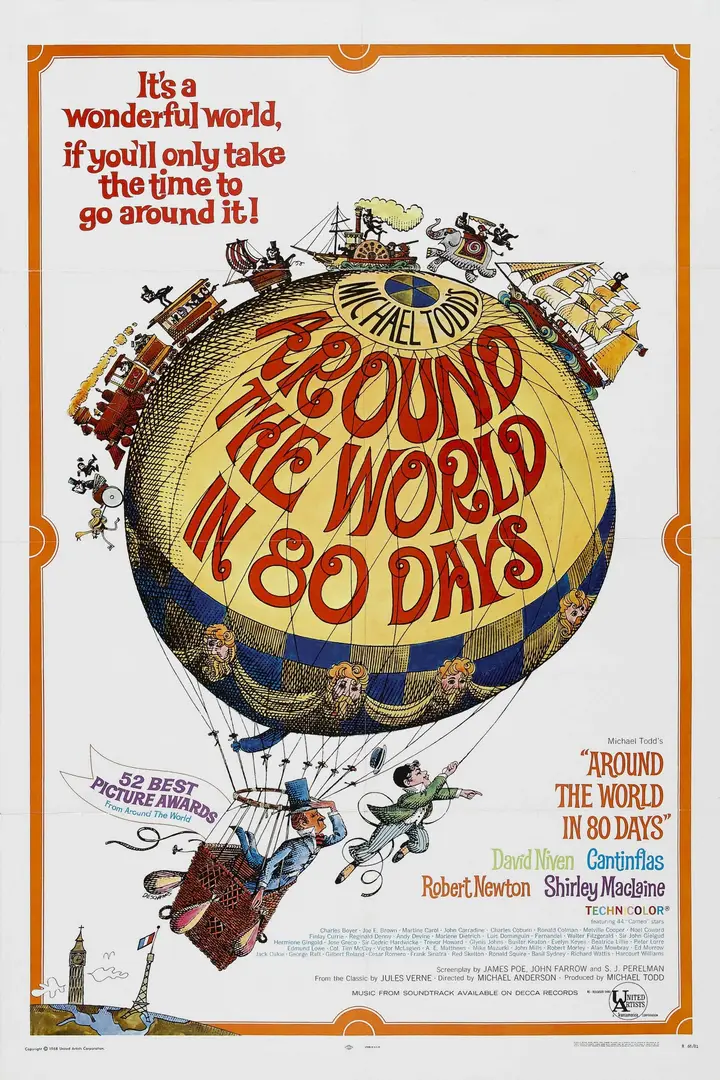
Around the World in 80 Days
A globe-spanning adventure filled with distant landscapes and the wonder of discovering the world one journey at a time.
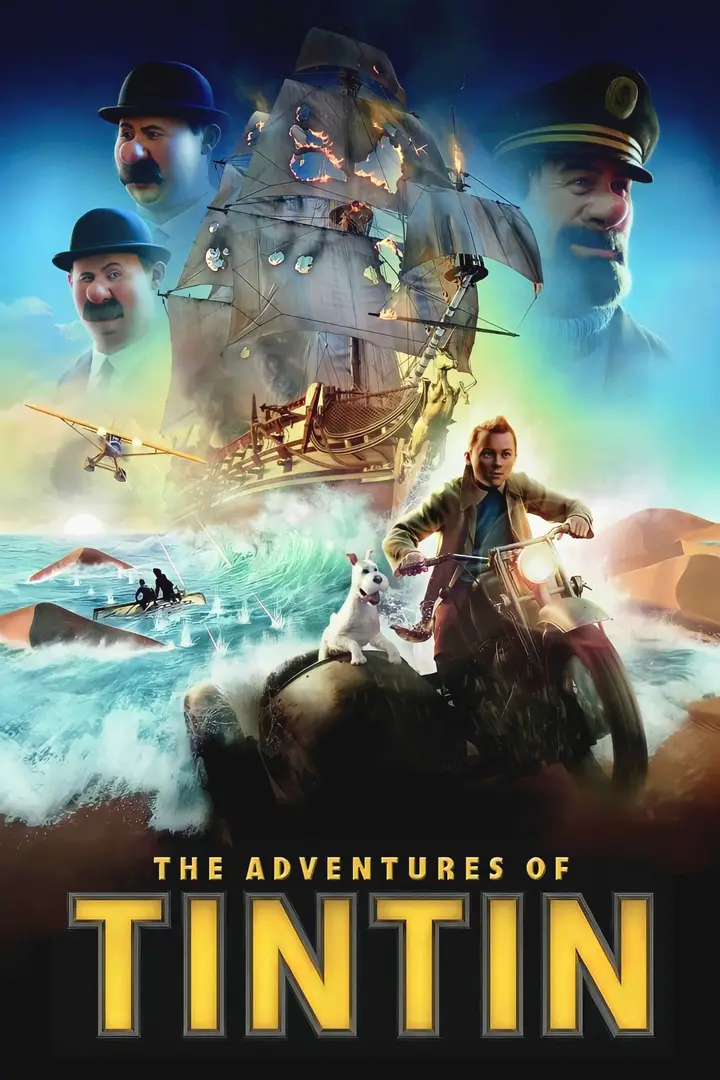
The Adventures of Tintin
A thrilling globe-spanning adventure about courage, friendship, hidden treasures, and the excitement of the unknown.
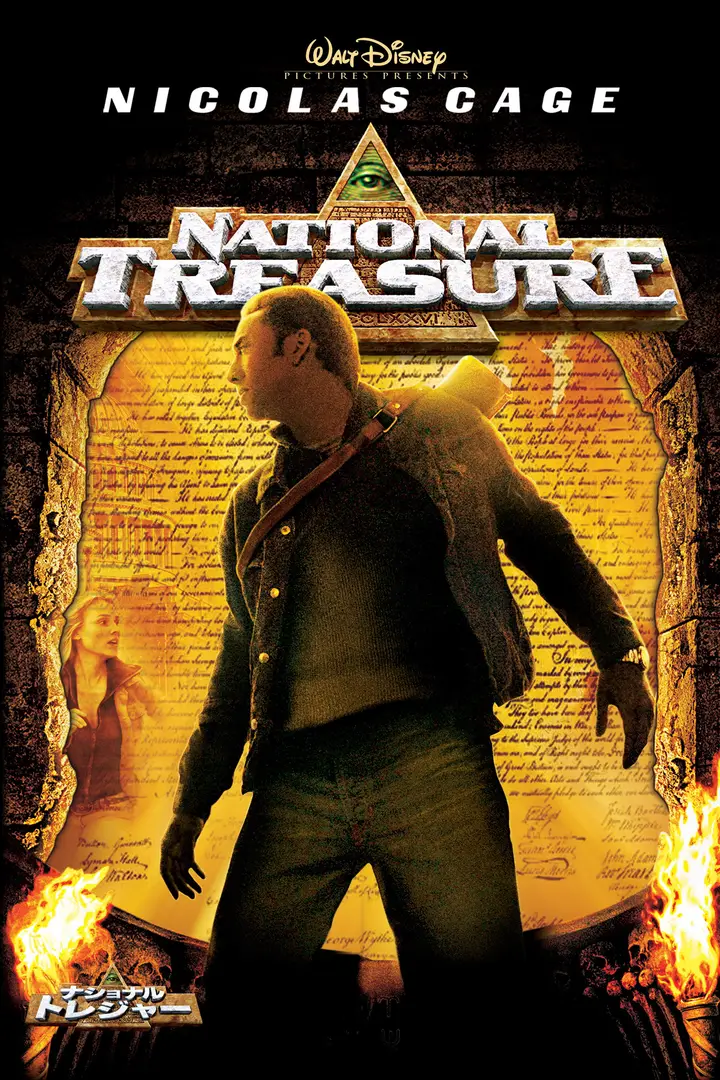
National Treasure
A thrilling mystery adventure where a historian follows hidden clues, secret messages, and forgotten legends in a race to uncover a legendary treasure.
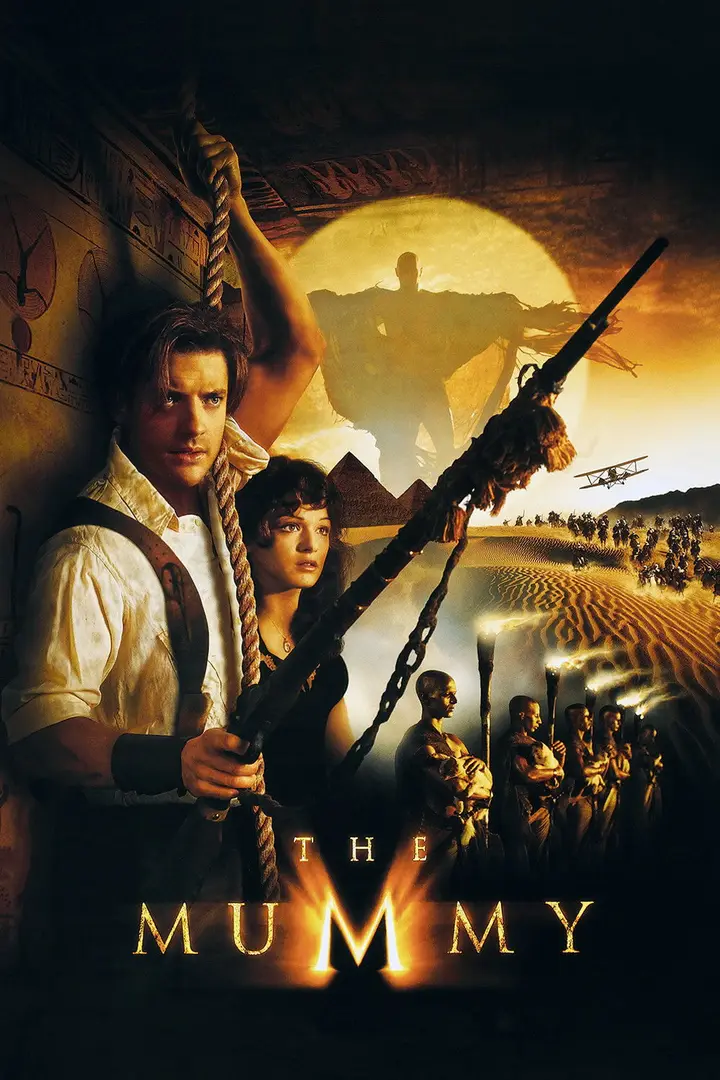
The Mummy
A thrilling supernatural adventure where ancient ruins, forgotten legends, and hidden mysteries make every step feel like another hidden door.
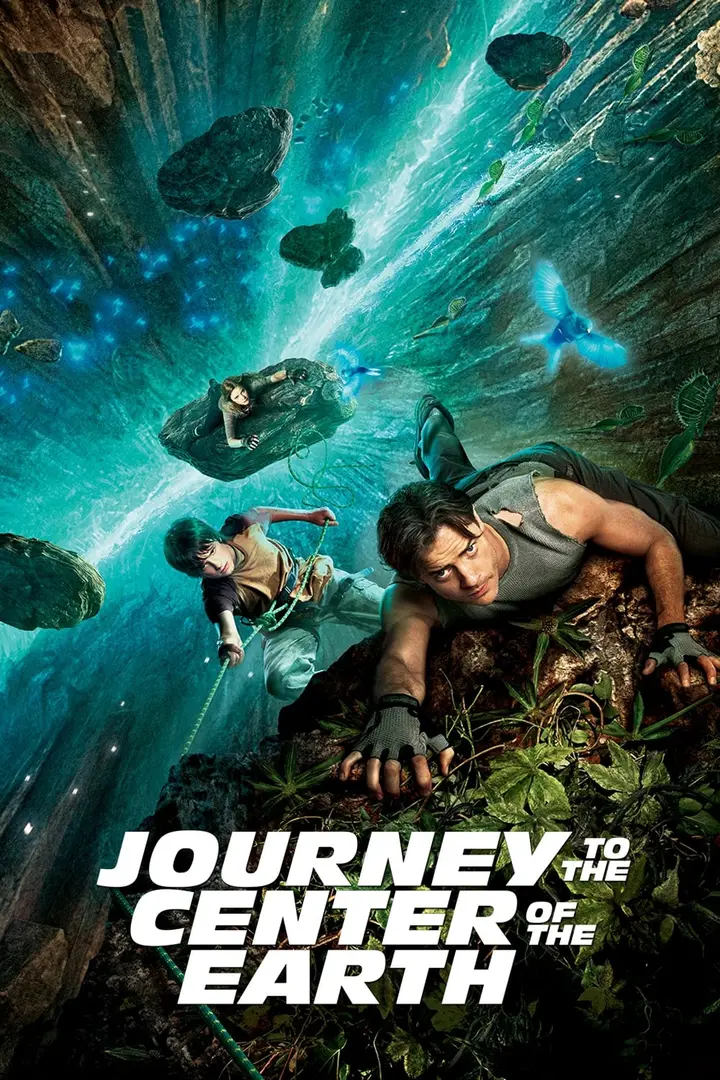
Journey to the Center of the Earth
A thrilling pulp adventure about scientific wonder, family bonds, and the impossible worlds hidden beneath our feet.
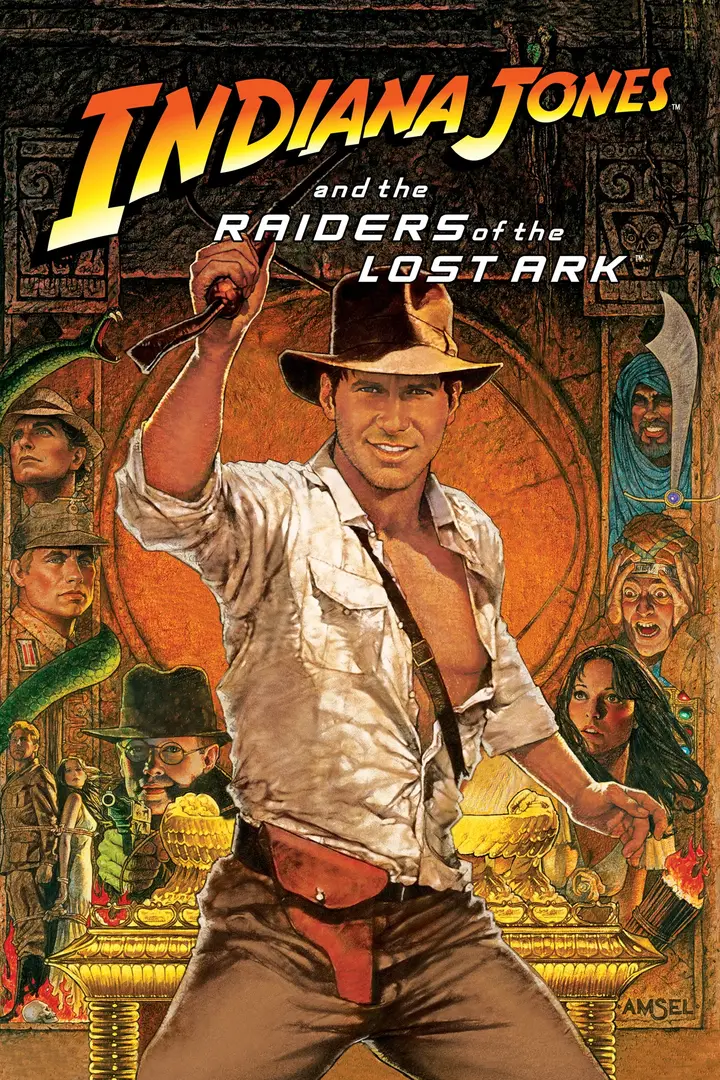
Indiana Jones and the Raiders of the Lost Ark
A thrilling adventure where ancient mysteries, forgotten treasures, impossible escapes, and an unforgettable hero transform exploration into the journey everyone dreams of living.