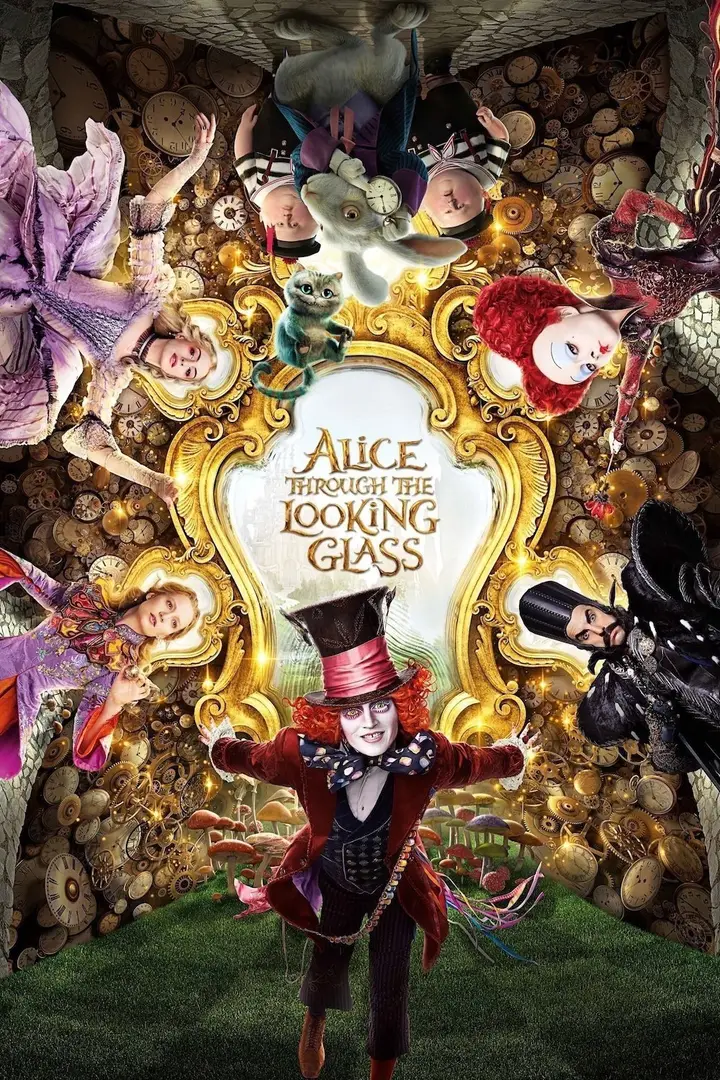
Alice Through the Looking Glass
AgeMinimum 7Recommended 8+
A whimsical fantasy adventure of impossible choices, forgotten memories, and a journey through time to heal what the past left behind.
Years after her first adventure in Wonderland, Alice returns through the looking glass to find her friend the Mad Hatter struggling with the belief that his family may still be alive. To help him, Alice travels through time using a powerful device and discovers that changing the past is far more complicated than she imagined.
- Release Year
- 2016
- Runtime
- 113 min
- Studio
- Walt Disney Pictures
- Format
- Live Action
- Mood
- Magical, Playful
- MPAA Rating
- PG
Alice Through the Looking Glass returns to Wonderland with a different purpose. The first adventure introduced Alice to a world where imagination could challenge expectations; this journey explores memory, time, and the desire to repair moments that cannot simply be undone.
Alice’s search begins with friendship. Seeing the Mad Hatter lose hope because of his painful memories leads her to take a risk that affects the history of Wonderland itself. Her journey through time reveals that every moment, even difficult ones, has shaped the people she cares about.
The world of Wonderland expands through new characters, unusual landscapes, and the personification of Time itself. Yet beneath the colorful imagination is a story about accepting that the past cannot be rewritten exactly as we wish. Understanding what happened can become more valuable than trying to erase it.
Through impossible places and fantastical situations, Alice discovers that healing does not always come from changing what happened. Sometimes it comes from understanding the people and choices that brought everyone to where they are.
Why It Stands Out
Alice Through the Looking Glass shifts the focus from discovering Wonderland to exploring the relationship between time, memory, and the people who shape our lives. Alice’s adventure becomes less about finding a new world and more about understanding the stories behind the people she loves.
The film uses the imagination of Wonderland to explore a familiar human experience: wishing we could return to the past and discovering that acceptance can be more powerful than regret.
Parents’ Insight
Alice's attempt to change the past begins with a wish to spare someone pain. Her journey raises questions about regret, accepting difficult experiences, and the ways our choices shape relationships over time.
Parents’ Guide
What to know before you press play
Six things parents ask about, rated on the same scale for every film and series in the collection.
- Scary intensity
- Minimal (1 of 5)
- Violence
- Moderate (3 of 5)
- Language
- Minimal (1 of 5)
- Emotional intensity
- Minimal (1 of 5)
- Sexual content
- None (0 of 5)
- Substance use
- Minimal (1 of 5)
Content notes
- Mild fantasy peril
Questions Parents Ask
What is Alice Through the Looking Glass about?
Years after her first adventure in Wonderland, Alice returns through a magic mirror to find the Mad Hatter in despair, convinced his lost family may still be alive. She takes the Chronosphere from Time, a magical being who controls the device, and travels into Underland's past in an attempt to save the Hatter and understand what happened to his family. The journey also exposes the history between the Red Queen and her younger sister, the White Queen.
What age is Alice Through the Looking Glass suitable for?
The film's time-travel plot, which sends Alice into Wonderland's past to save the Hatter's family from an old tragedy, is a more complex structure an 8-year-old can hold onto better than a 7-year-old.
Is Alice Through the Looking Glass scary?
- The Red Queen's tyranny and a race against time to save Hatter's life
- Parent preview: optional
The Red Queen's menace stays cartoonish, and the time-travel stakes are presented as adventure rather than genuine dread.
Is Alice Through the Looking Glass worth watching?
Sacha Baron Cohen's inventive villain and the film's vivid visual world offer spectacle, though it leans more on production design than the emotional pull of the first film.
What is Alice Through the Looking Glass based on?
Alice Through the Looking Glass is an original sequel story based on characters created by Lewis Carroll in the books Alice's Adventures in Wonderland and Through the Looking-Glass; it is not a direct adaptation of the latter book's plot. The sequel invents a time-travel plot to save the Mad Hatter, borrowing only the character of Time and select imagery from Carroll's second book.
What order should you watch the Tim Burton's Alice movies in?
Alice Through the Looking Glass is the second of the 2 Tim Burton's Alice movies in release order. Watch it after Alice in Wonderland (2010); it is the most recent film in the series. Release order: 1) Alice in Wonderland (2010, best from age 9); 2) Alice Through the Looking Glass (2016, best from age 8). These two live-action films are separate from Disney's 1951 animated Alice in Wonderland, which is a gentler choice for younger children. The films sit close together in age, from 8 to 9, so a child who enjoys one is usually ready for the others. Both have a full parents’ guide in The Family Film Collection.
Talk About It
Alice steals Time’s Chronosphere to save Hatter’s family, but revisiting the queens’ childhood shows that changing history risks destroying the present.
- Why does Alice believe Hatter’s family survives?
- How does Time respond to her request?
- Would you change the past for a friend?
- What would you tell young Mirana after the tart incident?
- Why does Iracebeth resent her sister?
- How does Hatter lose hope?
- Which past event explains the Red Queen?
- Before Alice steals the Chronosphere, what should she consider about restoring Hatter’s hope, Time’s warning, and the risk of destroying the present?
Turn this film into a ready-to-use class discussion
Use the Teacher Resources already attached to this film. Choose the questions you want, then print, copy or share the result.
Similar Movies
Alice in Wonderland returns to this Wonderland directly. Oz the Great and Powerful and Pan offer elaborate live-action fantasy realms, Mirror Mirror and Maleficent rework familiar fairy tales, and Peter Pan & Wendy gives another modern route back to classic children's fantasy.
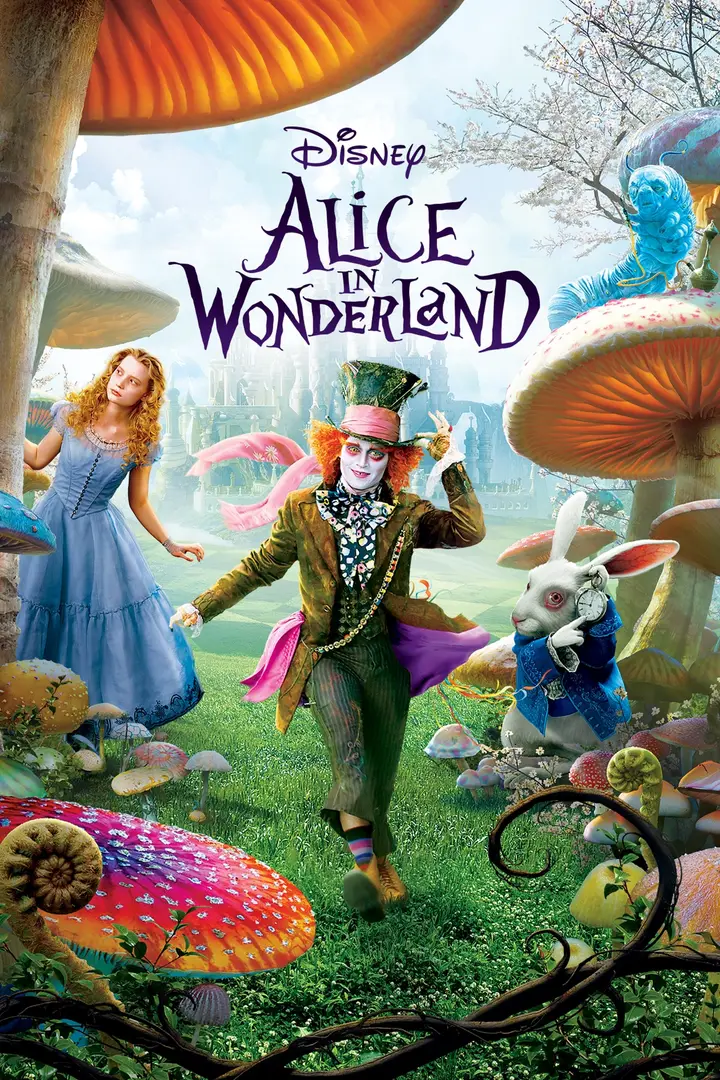
Alice in Wonderland
A whimsical dark fantasy adventure of impossible worlds, forgotten dreams, and a young woman rediscovering the courage to become herself.
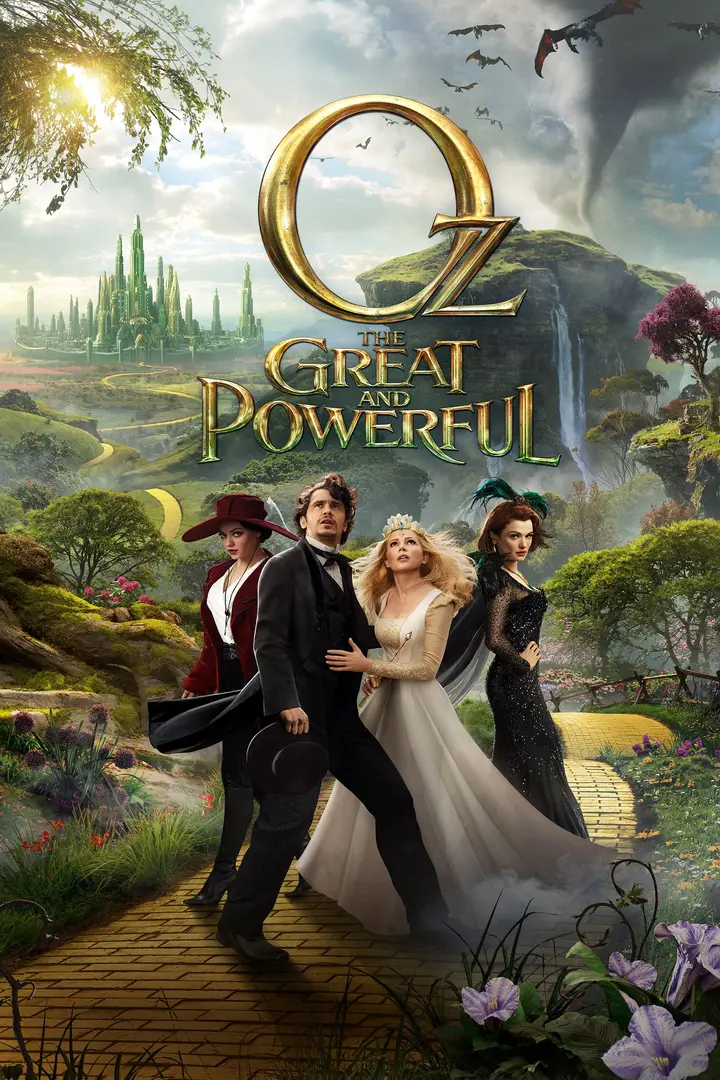
Oz the Great and Powerful
A magical fantasy adventure of enchanted kingdoms, extraordinary wonders, and a magician discovering a greater purpose in the land of Oz.
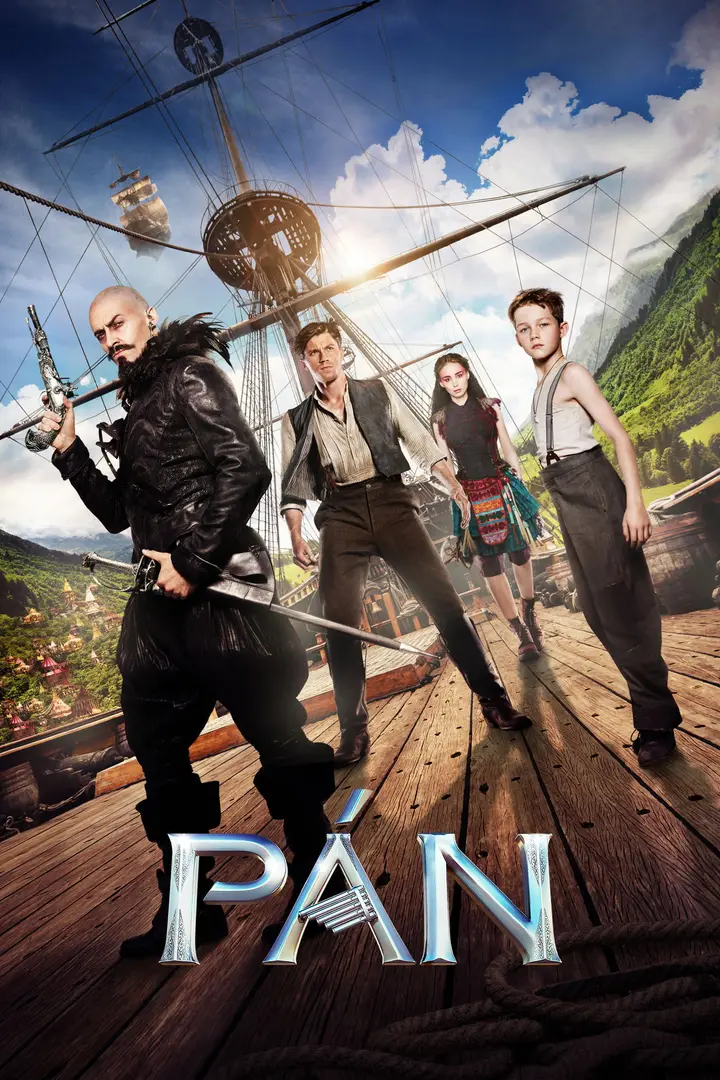
Pan
Before Neverland became a legend, a rebellious orphan named Peter is swept into a world of pirates, fairies, flying ships, and impossible adventures.
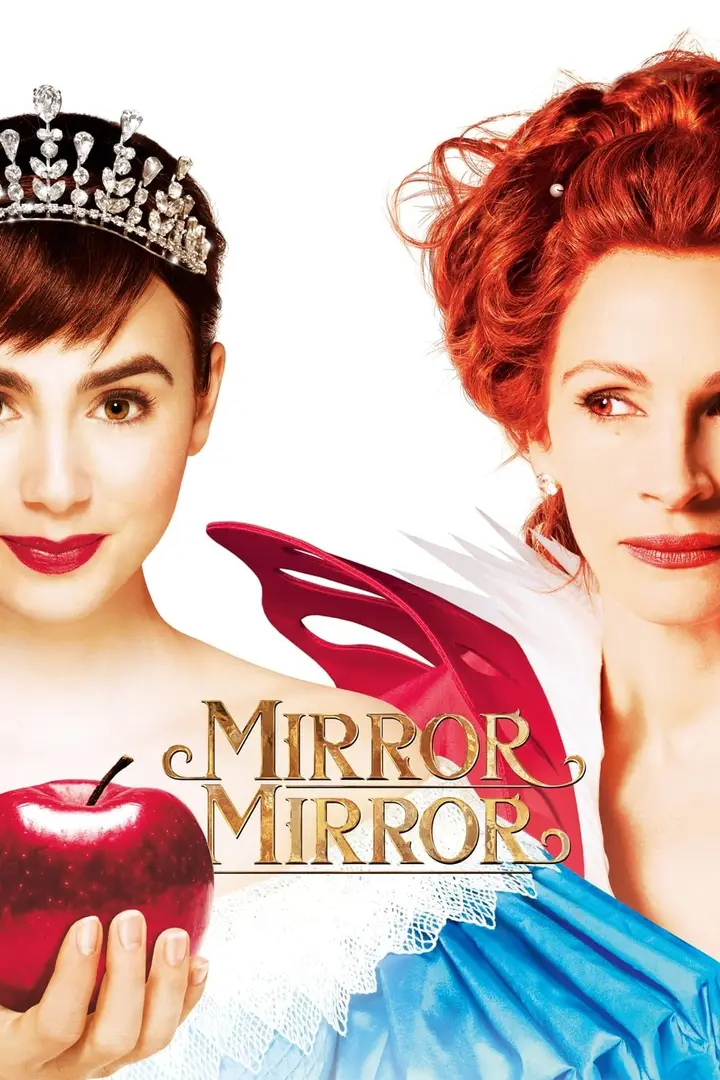
Mirror Mirror
A playful fairy-tale adventure of courage, imagination, and a princess discovering that her future is hers to create.
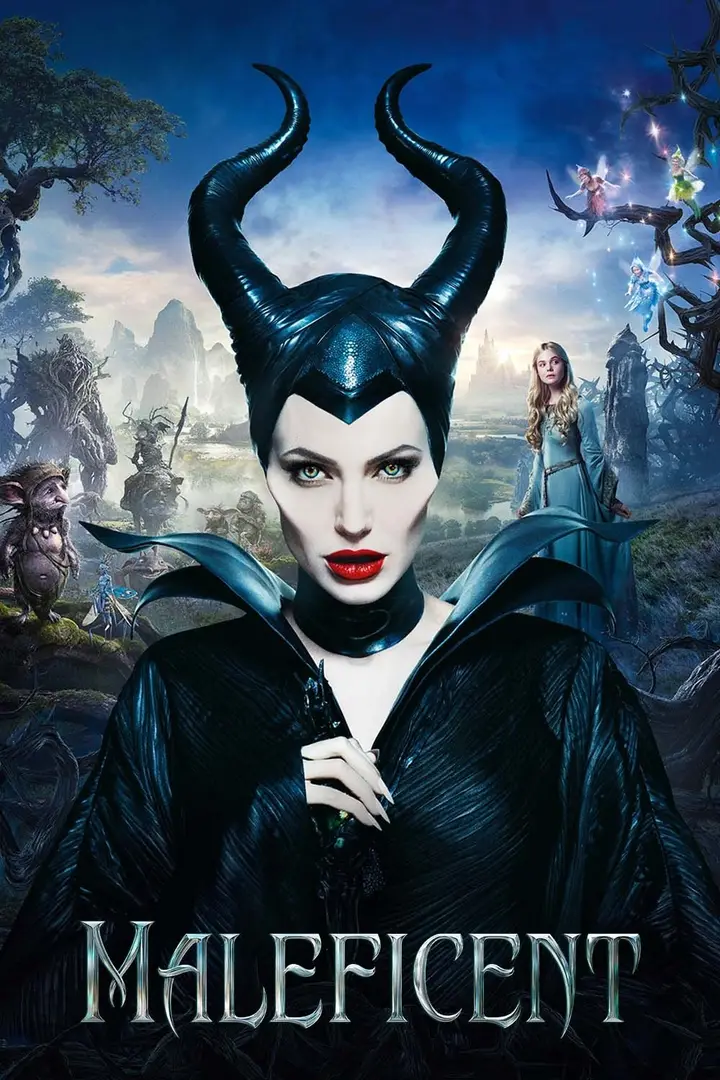
Maleficent
A dark fairy-tale retelling about betrayal, protection, and rediscovering love after everything you trusted breaks.
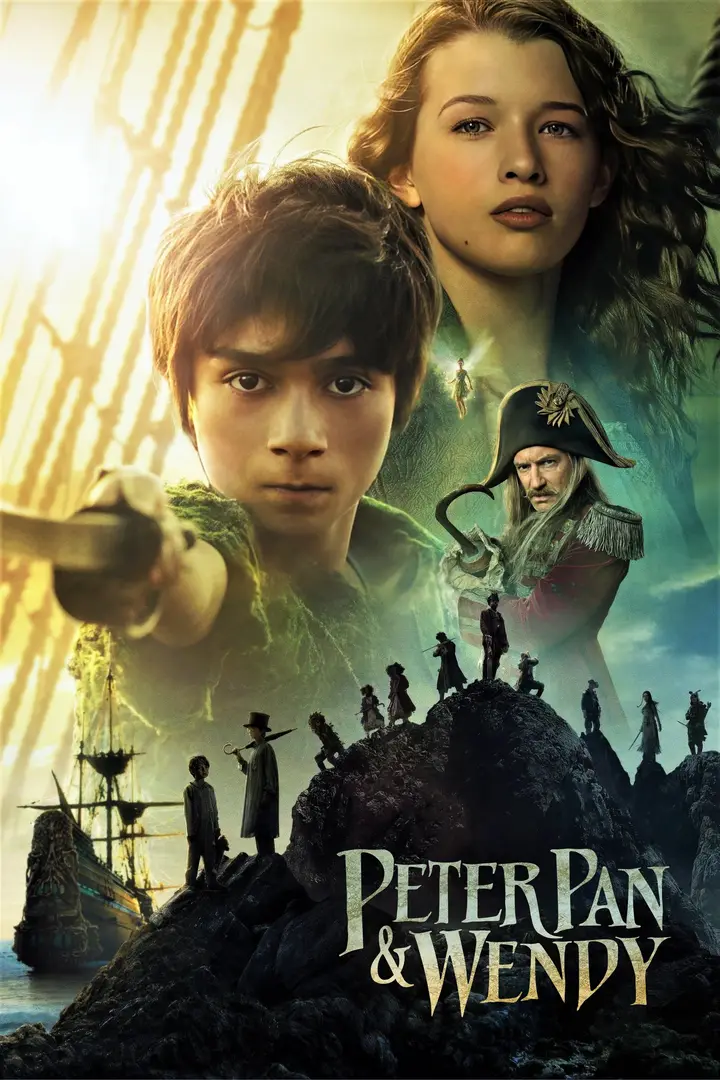
Peter Pan & Wendy
A wistful Neverland of moonlit skies, lost boys, pirate ships, and the uneasy pull between childhood freedom and growing up.