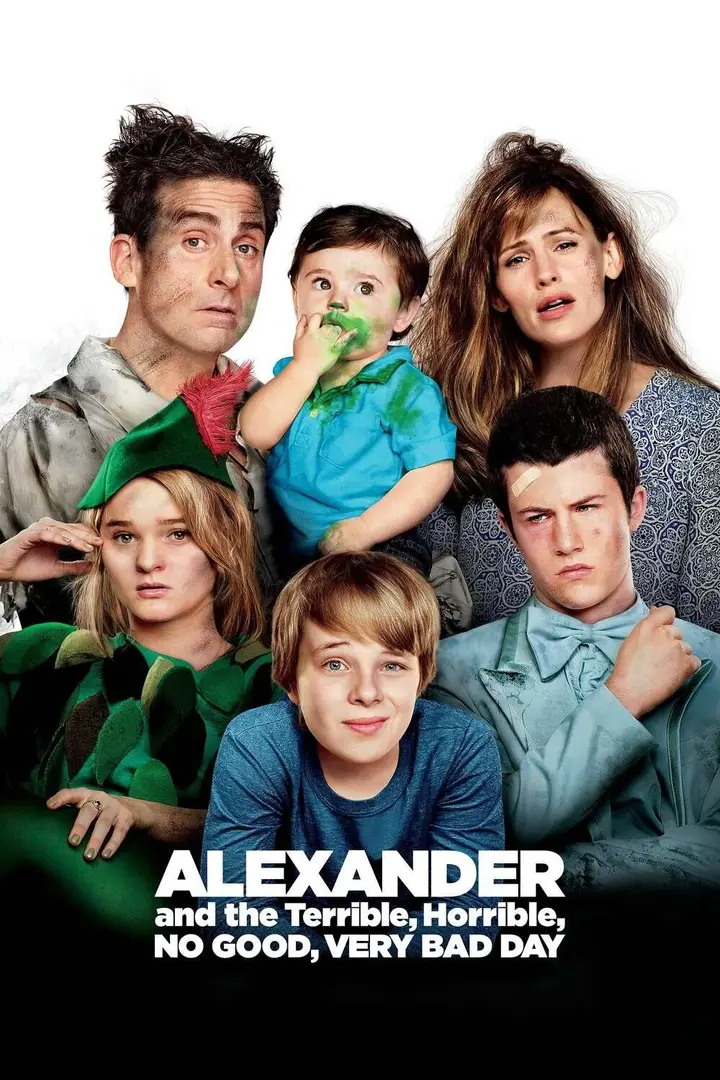
Alexander and the Terrible, Horrible, No Good, Very Bad Day
AgeMinimum 5Recommended 6+
A heartfelt family comedy where one disastrous day changes how a family sees each other.
On the night before his birthday, Alexander Cooper feels forgotten as everyone around him seems to be enjoying success while his own life keeps going wrong. When his family experiences a day filled with unexpected problems, embarrassing moments, and broken plans, they finally begin to understand what Alexander has been feeling.
- Release Year
- 2014
- Runtime
- 81 min
- Studio
- Walt Disney Pictures
- Format
- Live Action
- Genre
- Comedy
- Mood
- Funny, Light
- MPAA Rating
- PG
Alexander and the Terrible, Horrible, No Good, Very Bad Day begins with a feeling almost every child understands: believing that nobody notices when things are going wrong. Alexander watches his family celebrate their own achievements while his disappointments seem small and invisible to everyone else. A series of frustrating moments leaves him convinced that he is the only person having a truly terrible day.
Then the Cooper family experiences a day unlike any they expected. Important plans fall apart, simple tasks become complicated, and every attempt to fix one problem creates another. A birthday celebration, school responsibilities, work pressures, and family expectations collide into a chain of unexpected situations that turns an ordinary day into complete chaos.
Alexander’s experience changes when his family finally sees the world from his perspective. Parents and siblings who once seemed too busy to notice his frustrations begin facing their own challenges. The family members who believed they understood everything discover that they also have moments when they need patience, support, and understanding.
The most memorable part of Alexander’s journey is the realization that a perfect day is not what creates a happy family. The moments filled with mistakes, laughter, and unexpected problems can become the stories people remember years later. The Cooper family does not find a way to avoid difficult days; they discover how much easier those days become when they face them together.
Why It Stands Out
Alexander and the Terrible, Horrible, No Good, Very Bad Day takes a simple childhood frustration and turns it into a family story that feels recognizable. The exaggerated disasters create laughter, but the emotions behind them remain connected to real experiences of disappointment, embarrassment, and wanting to feel understood.
The story gives importance to the small moments inside family life. Plans may fail, situations may become chaotic, and nobody may have the day they imagined, but the people sharing those moments together are what make them meaningful.
Parents’ Insight
Alexander's disastrous day looks minor to every adult around him. To Alexander, it's the whole world falling apart at once, and the film never once talks him out of that feeling to understand the world around them.
Families grow stronger when each person feels noticed and valued. Listening to small frustrations can reveal feelings that children may not always know how to express.
Parents’ Guide
What to know before you press play
Six things parents ask about, rated on the same scale for every film and series in the collection.
- Scary intensity
- Minimal (1 of 5)
- Violence
- Mild (2 of 5)
- Language
- Minimal (1 of 5)
- Emotional intensity
- Minimal (1 of 5)
- Sexual content
- None (0 of 5)
- Substance use
- Mild (2 of 5)
Content notes
- Mild rude humor
Questions Parents Ask
What is Alexander and the Terrible, Horrible, No Good, Very Bad Day about?
After waking up certain that today is going to be terrible, twelve-year-old Alexander watches his prediction come true again and again in increasingly ridiculous ways. When he wishes his family could feel what a truly terrible day is like, he wakes up to find his wish has somehow come true for everyone. As his family experiences their own escalating mishaps throughout the same day, Alexander discovers that bad days happen to everyone, not just him.
What age is Alexander and the Terrible, Horrible, No Good, Very Bad Day suitable for?
Each family member's bad day happens in a separate, quick vignette, and noticing that everyone is having a rough time for their own specific reason — not just Alexander — is a slightly more advanced piece of narrative tracking that tends to click around 6.
Is Alexander and the Terrible, Horrible, No Good, Very Bad Day scary?
- Mild rude humor
- Parent preview: optional
Alexander's escalating bad-day mishaps stay firmly in slapstick-comedy territory throughout.
Is Alexander and the Terrible, Horrible, No Good, Very Bad Day worth watching?
Steve Carell and Jennifer Garner's game performances turn a familiar bad-day premise into genuinely funny slapstick that doesn't talk down to kids. Carell's willingness to play the father as cheerfully out of his depth helps the escalating mishaps feel affectionate rather than merely chaotic.
What is Alexander and the Terrible, Horrible, No Good, Very Bad Day based on?
Alexander and the Terrible, Horrible, No Good, Very Bad Day is based on the book Alexander and the Terrible, Horrible, No Good, Very Bad Day, written by Judith Viorst, first published in 1972. The film expands Viorst's short picture book into a full family comedy where everyone, not just Alexander, has a terrible day.
Talk About It
Alexander’s wish spreads one terrible day across his family, revealing that mishaps are easier to survive when success is not the measure of belonging.
- Why does Alexander feel ignored?
- How does his birthday wish affect everyone?
- Would you want family to experience your bad day?
- What would you tell Ben before the job interview?
- Why does Anthony hide his mistake?
- How does Kelly respond to work pressure?
- Which disaster becomes funniest later?
- Why does the family still celebrates together?
Turn this film into a ready-to-use class discussion
Use the Teacher Resources already attached to this film. Choose the questions you want, then print, copy or share the result.
Similar Movies
The recommendations split between everyday family mishaps seen from a child's level and broader comedies where the household itself is thrown off balance. Diary of a Wimpy Kid and Ramona and Beezus lead the first group — Cheaper by the Dozen and Freaky Friday illustrate the second in very different ways.

Cheaper by the Dozen
A chaotic family comedy of twelve siblings, crowded routines, and the unexpected adventures inside a home full of personalities.

Yes Day
A colorful family comedy where parents and children rediscover connection during one unforgettable day without limits.
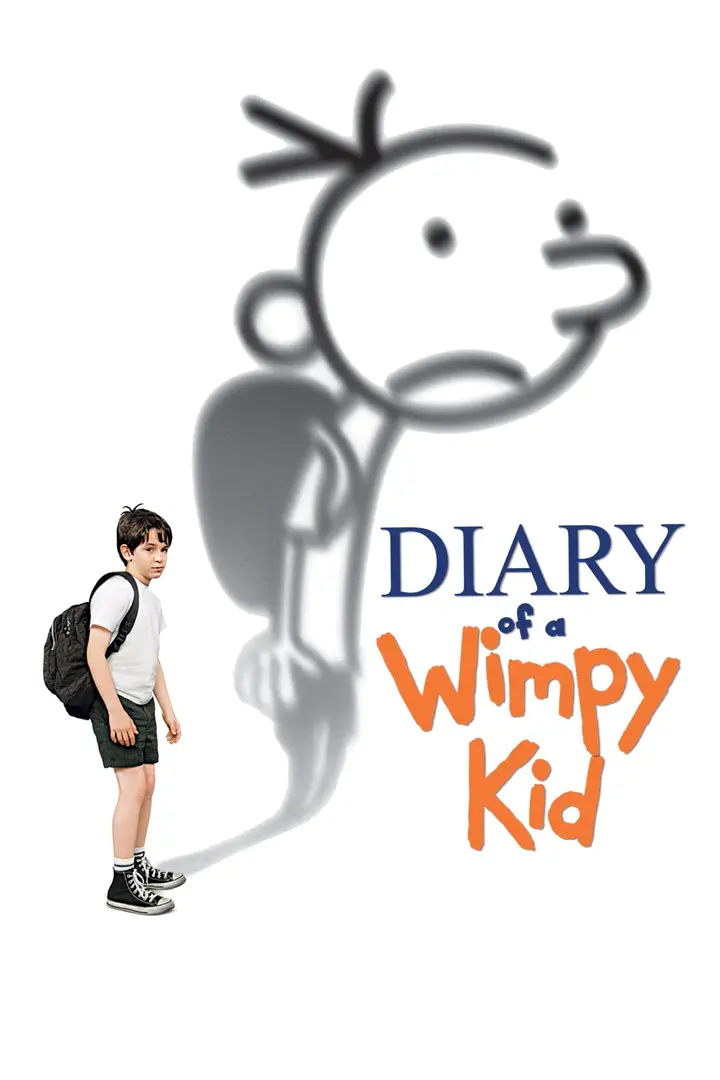
Diary of a Wimpy Kid
A middle school adventure where one boy's quest for popularity turns everyday mistakes into unforgettable disasters.
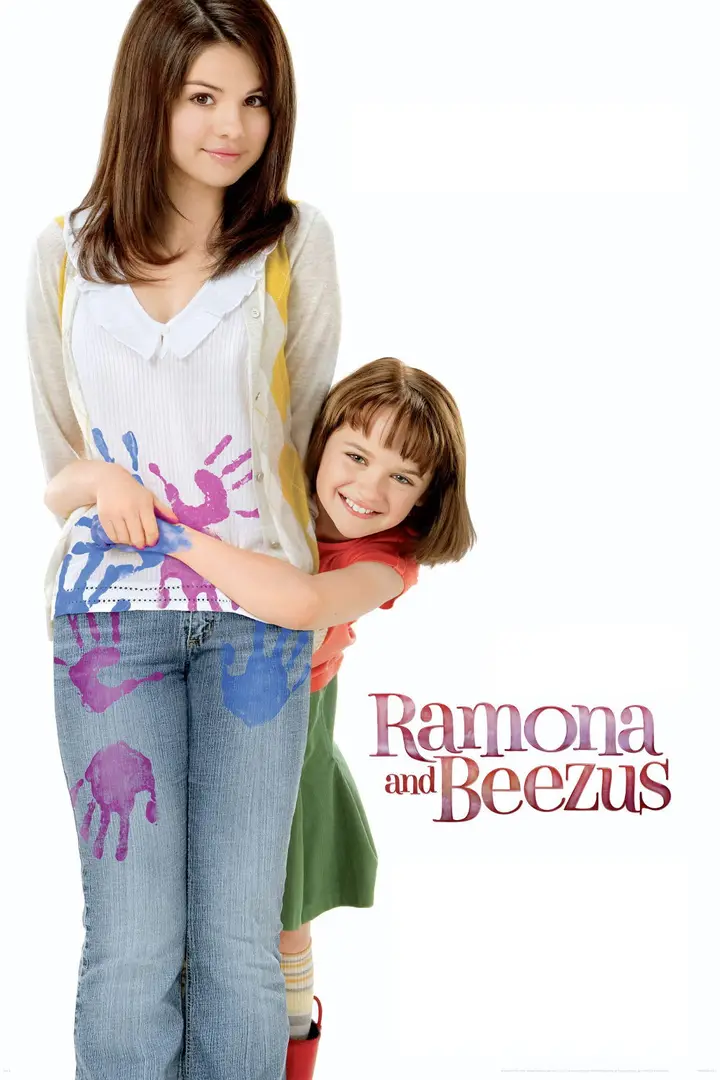
Ramona and Beezus
A warm family adventure where Ramona's imagination turns everyday challenges into moments of laughter, discovery, and connection.
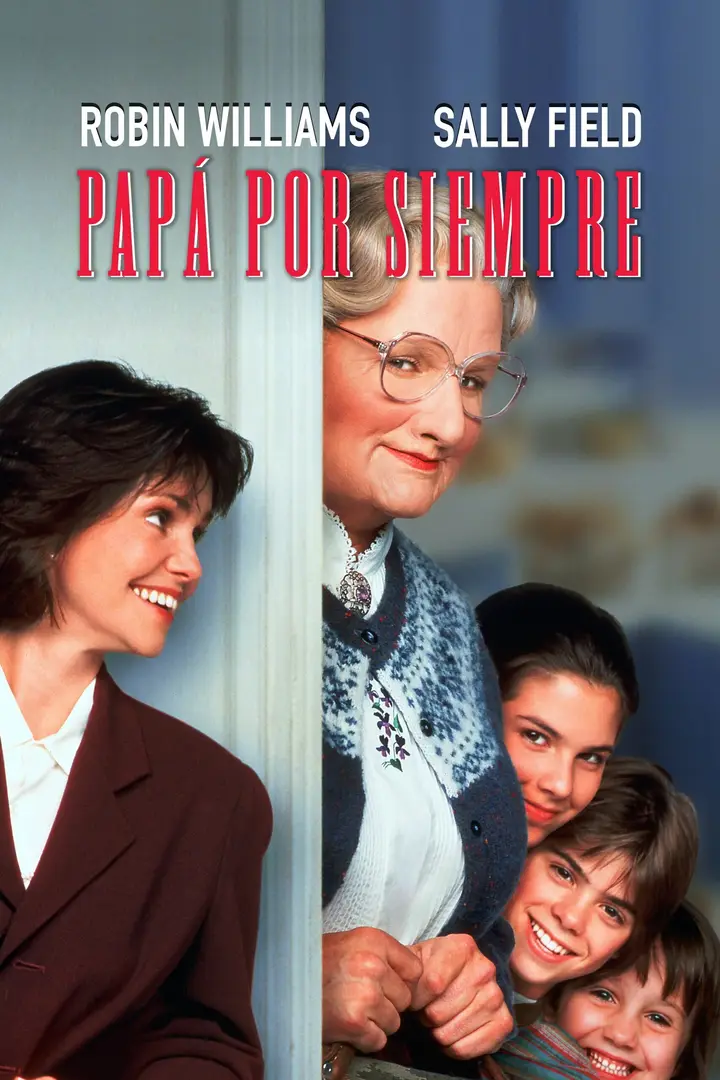
Mrs. Doubtfire
Warm humor, family chaos, and one unforgettable performance create a heartfelt comedy about the messy beauty of everyday life.

Freaky Friday
A magical family adventure where one impossible switch turns everyday life into a hilarious journey of unexpected discoveries.