Editor’s Choice
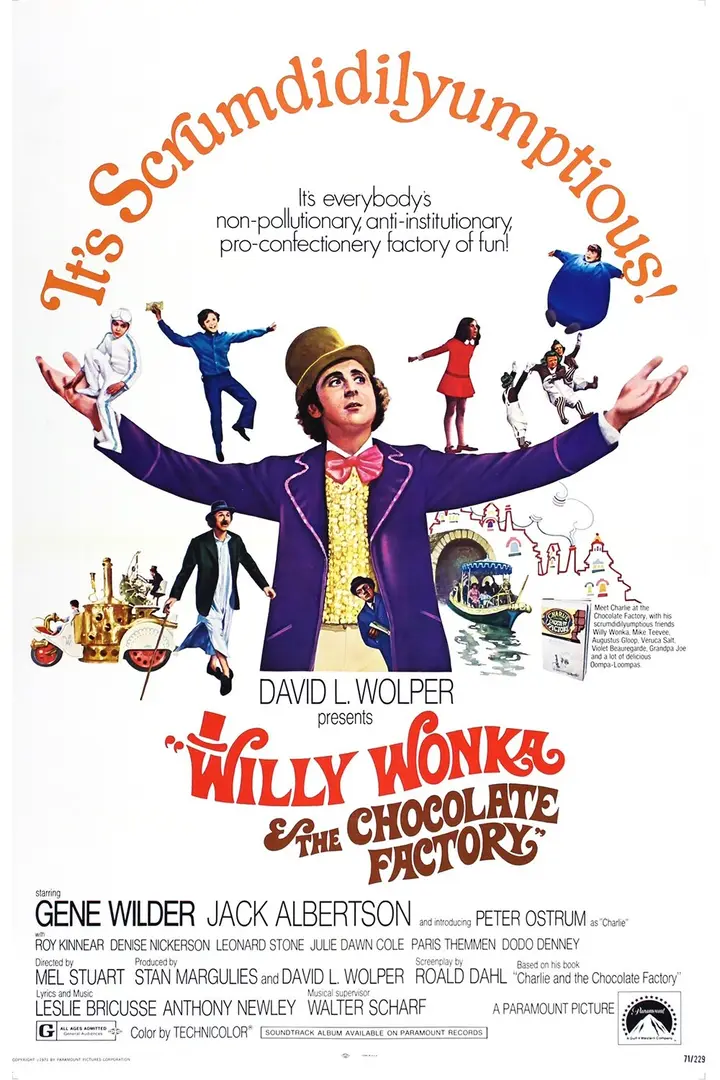
Willy Wonka & the Chocolate Factory
AgeMinimum 7Recommended 7+
A whimsical musical fantasy where a kind-hearted boy enters a mysterious chocolate factory and discovers a world where imagination, wonder, and impossible dreams can become real.
Charlie Bucket lives a simple life with his loving family and dreams of a world beyond the hardships around him. When eccentric chocolatier Willy Wonka announces a contest for five golden tickets hidden inside chocolate bars, Charlie receives the unexpected chance to visit his legendary factory. Alongside the other winners, he enters a magical world of inventions, songs, and unforgettable surprises where every room reveals something impossible and every visitor discovers something about themselves.
- Release Year
- 1971
- Runtime
- 100 min
- Studio
- Warner Bros.
- Format
- Live Action
- Mood
- Magical, Playful
- MPAA Rating
- G
Willy Wonka & the Chocolate Factory begins with a child who spends his days looking at a world of possibilities that seem to belong to others. Charlie Bucket has very little, yet his life is filled with warmth, imagination, and the love of his family. The discovery of the golden ticket does not only open the doors of a factory. It opens the door to a world he once believed existed only in dreams.
Willy Wonka's factory feels like a place created by childhood imagination itself. Chocolate rivers, impossible inventions, unusual rooms, and unexpected creations turn every step into a new discovery. The film never asks audiences to understand every strange detail. It invites them to enjoy the feeling of entering a world where curiosity matters and anything can happen.
The children who enter the factory each carry their own desires, habits, and expectations. As they move through Wonka's creations, their choices reveal who they are beneath the excitement of the experience. Charlie stands apart because he does not enter the factory trying to prove that he deserves to be there. He simply appreciates the wonder in front of him.
Gene Wilder gives Willy Wonka a unique balance of humor, mystery, warmth, and unpredictability. His performance makes every moment feel uncertain, turning a simple factory tour into an unforgettable adventure. Through music, imagination, and endless surprises, the film captures the feeling of discovering a place where the world suddenly feels larger than before.
Why It Stands Out
Willy Wonka & the Chocolate Factory transforms Roald Dahl's story into one of cinema's most memorable journeys into childhood imagination. The film combines music, visual invention, eccentric characters, and a sense of wonder to create a fantasy world that feels both impossible and strangely familiar.
Its lasting magic comes from the feeling it gives audiences: the hope that an ordinary child can still be noticed, that kindness can still matter, and that life can sometimes open a door that seemed forever out of reach. Charlie's journey stays powerful because the person who receives the greatest opportunity is the one who never stopped appreciating what he already had.
Parents’ Insight
Many children know the feeling of watching others receive experiences, attention, or opportunities that seem impossible to reach. Charlie's story offers comfort to anyone who has ever felt invisible or overlooked.
A child's worth is not measured only by achievements, popularity, or what they can gain. Sometimes the qualities that seem quietest, such as kindness, patience, and gratitude, are the ones that carry a person the furthest.
Editor’s Choice: Imaginative design, eccentric humor and moral clarity
Parents’ Guide
What to know before you press play
Six things parents ask about, rated on the same scale for every film and series in the collection.
- Scary intensity
- Minimal (1 of 5)
- Violence
- Mild (2 of 5)
- Language
- Mild (2 of 5)
- Emotional intensity
- Minimal (1 of 5)
- Sexual content
- None (0 of 5)
- Substance use
- Mild (2 of 5)
Content notes
- The tunnel/boat sequence is famously unsettling for young children
Questions Parents Ask
What is Willy Wonka & the Chocolate Factory about?
When eccentric chocolatier Willy Wonka hides five Golden Tickets inside his chocolate bars, children across the world dream of winning a tour of his legendary factory. Charlie Bucket, a gentle boy from a loving but struggling family, unexpectedly finds one of the tickets and joins four other children on an unforgettable adventure. Inside the magical factory, impossible inventions, fantastic sweets, and surprising challenges reveal that the greatest reward has little to do with chocolate and everything to do with honesty, humility, and kindness.
What age is Willy Wonka & the Chocolate Factory suitable for?
Minimum age: 7. Recommended age: 7+. The boat ride through the tunnel and the fates of the children who break Wonka's rules inside the factory create real unease beneath the whimsy, though none of it turns graphic.
Is Willy Wonka & the Chocolate Factory scary?
- The tunnel and boat sequence
- Strange fantasy imagery
- Children facing consequences
- Gore or graphic violence
- Horror elements
A key consideration in Willy Wonka & the Chocolate Factory is that the famous tunnel sequence deliberately creates tension through unusual visuals, rapid editing, and Gene Wilder's increasingly unpredictable performance. Several children also experience exaggerated consequences for their behavior, though these moments are presented in a fantastical rather than realistic way. Outside these scenes, the film remains colorful, humorous, and imaginative.
Is Willy Wonka & the Chocolate Factory worth watching?
Willy Wonka & the Chocolate Factory remains one of the most imaginative family musicals ever made, blending unforgettable performances, timeless songs, and a magical world that continues to inspire generations of viewers. Families looking for a fantasy that offers far more than visual spectacle will find Willy Wonka & the Chocolate Factory richly rewarding. Gene Wilder's unforgettable portrayal of Willy Wonka combines warmth, mystery, humor, and unpredictability in one of cinema's most iconic performances. The factory itself feels endlessly inventive, with every room introducing a new surprise while exploring themes of honesty, gratitude, self-control, and generosity. More than fifty years after its release, the film remains a unique blend of musical, fairy tale, and moral fable that continues to captivate audiences of all ages.
What is Willy Wonka & the Chocolate Factory based on?
Willy Wonka & the Chocolate Factory is based on the book Charlie and the Chocolate Factory, the beloved 1964 children's book, written by Roald Dahl, first published in 1964. Although Dahl wrote the original screenplay, it was substantially revised before production, resulting in a film that differs from the novel in several memorable ways. Despite those changes, it remains one of the most celebrated adaptations of Dahl's work and introduced generations of audiences to Charlie Bucket and the unforgettable Willy Wonka.
How many versions of Charlie and the Chocolate Factory are there?
There are 2 separate versions of this story (1971, 2005). They are not sequels, so Willy Wonka & the Chocolate Factory (1971) can be watched on its own. All films, by year: 1) Willy Wonka & the Chocolate Factory (1971, live action, best from age 7); 2) Charlie and the Chocolate Factory (2005, live action, remake, best from age 8); 3) Wonka (2023, live action, prequel, best from age 7). The 1971 and 2005 films are two separate adaptations of Roald Dahl’s book. Wonka (2023) is a standalone origin story that fits closest with the 1971 film. For younger children, the gentlest version is Willy Wonka & the Chocolate Factory (1971), best from age 7. All 3 have a full parents’ guide in The Family Film Collection.
Talk About It
Charlie Bucket’s Golden Ticket opens Wonka’s impossible factory, where each child’s choices reveal whether wonder can be enjoyed without greed.
- What makes Charlie share his chocolate with his family?
- How does the factory challenge the children’s character?
- Would you have trusted the factory rules?
- What makes Wonka’s world feel both exciting and unsettling?
- Which child’s behavior seems most dangerous?
- What would you ask Wonka before accepting the tour?
- How does the film turn greed into a lesson?
- What makes Charlie different from the other children?
Turn this film into a ready-to-use class discussion
Use the Teacher Resources already attached to this film. Choose the questions you want, then print, copy or share the result.
Similar Movies
Five of these come from Roald Dahl's own books; Wonka alone is a newer story built around his character, not his writing. The tone ranges from delightful strangeness to real cruelty throughout.
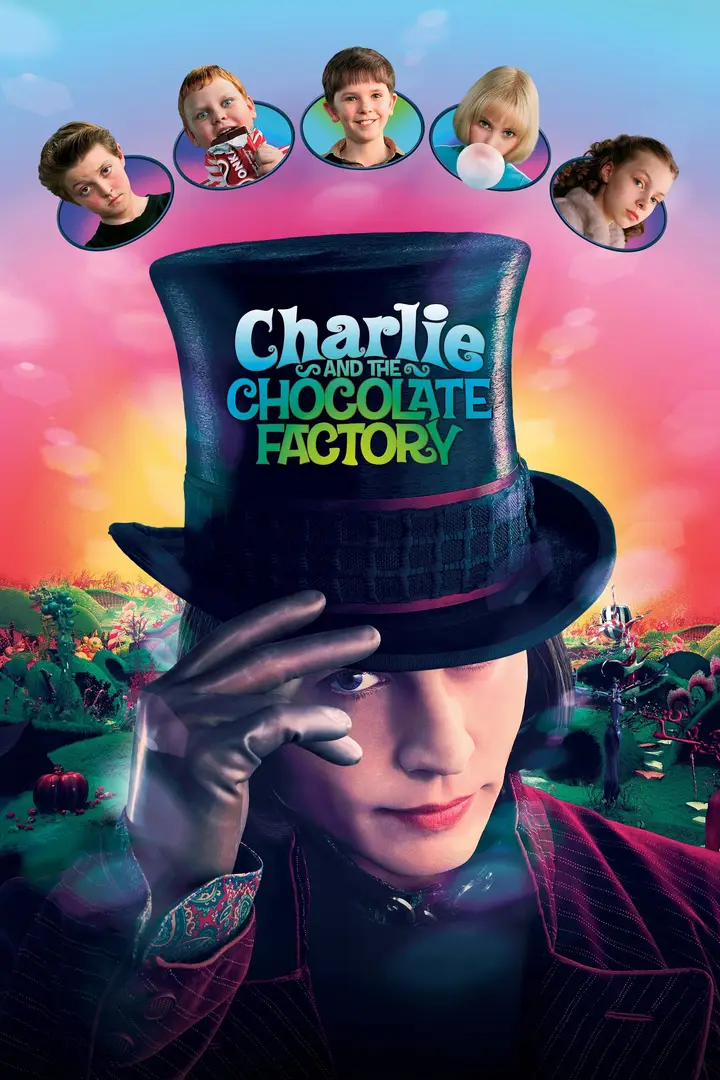
Charlie and the Chocolate Factory
A visually imaginative fantasy adventure where a kind-hearted boy enters a magical factory and discovers the importance of family, kindness, and character.
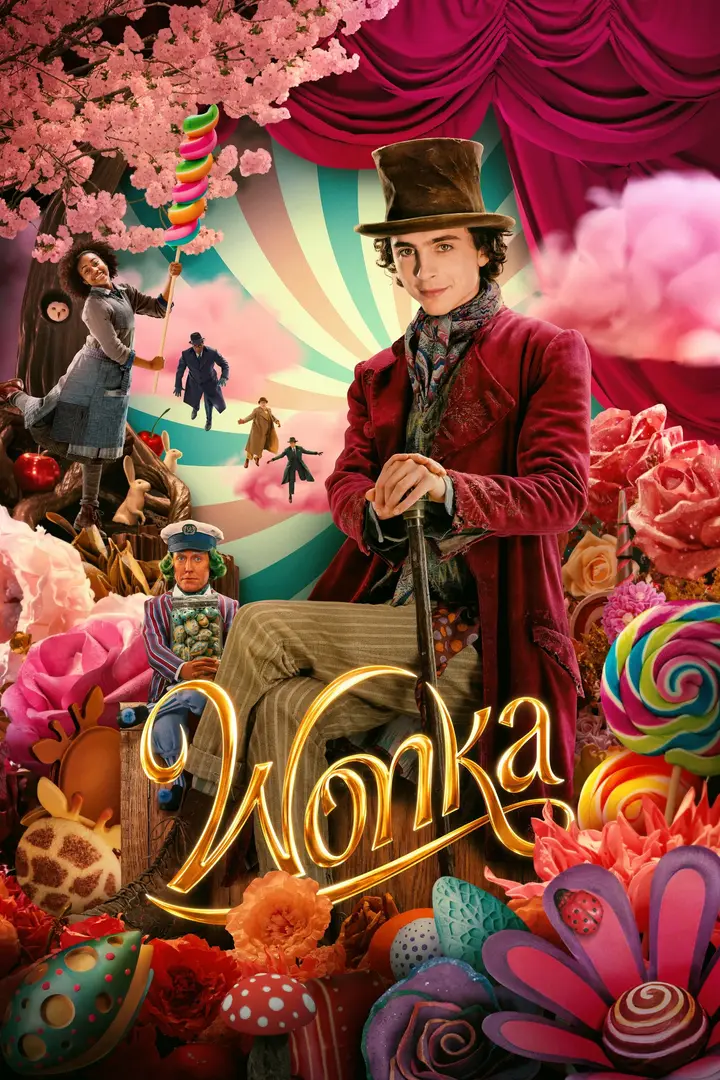
Wonka
A chocolate fantasy adventure of curious inventions, colorful streets, and the young creator behind a world of pure imagination.
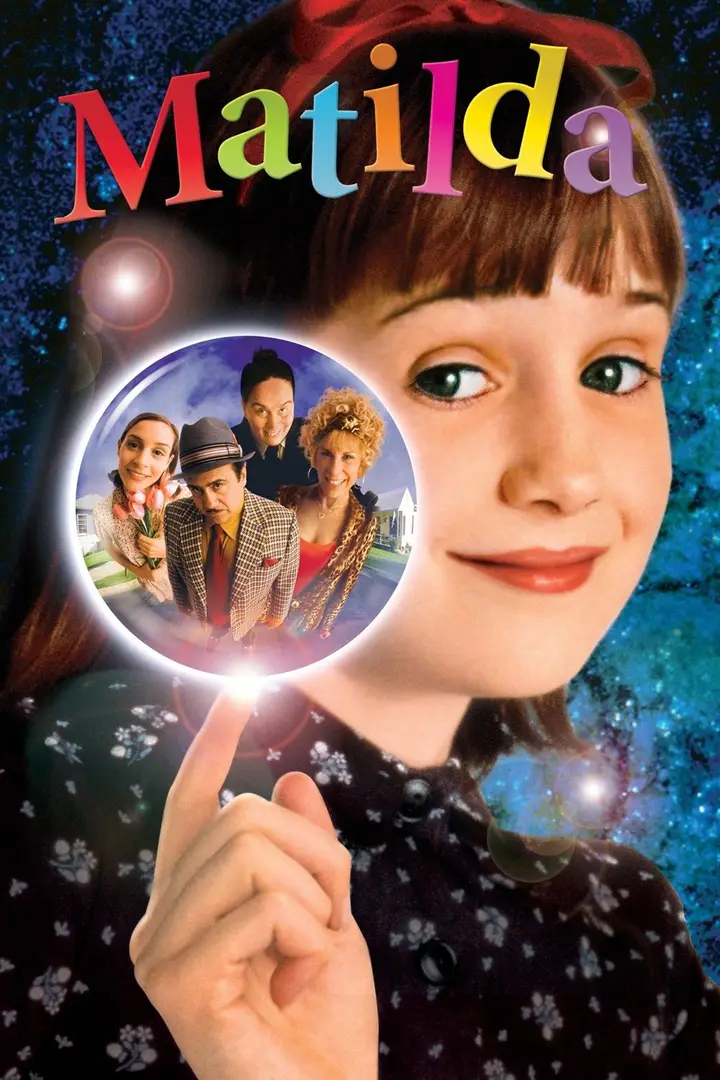
Matilda
A whimsical family adventure about a brilliant girl who discovers that books, imagination, and one caring teacher can help her find confidence in a world that does not always understand her.
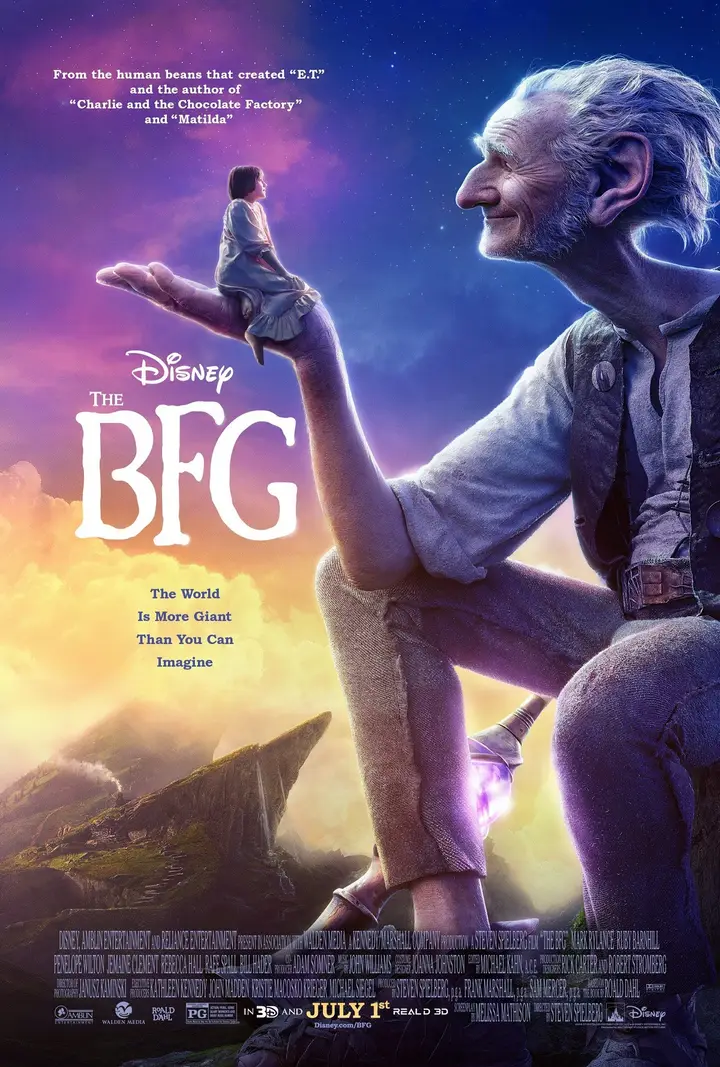
The BFG
A gentle, giant-sized fantasy about loneliness, imagination, and the unlikely friendships that change everything.
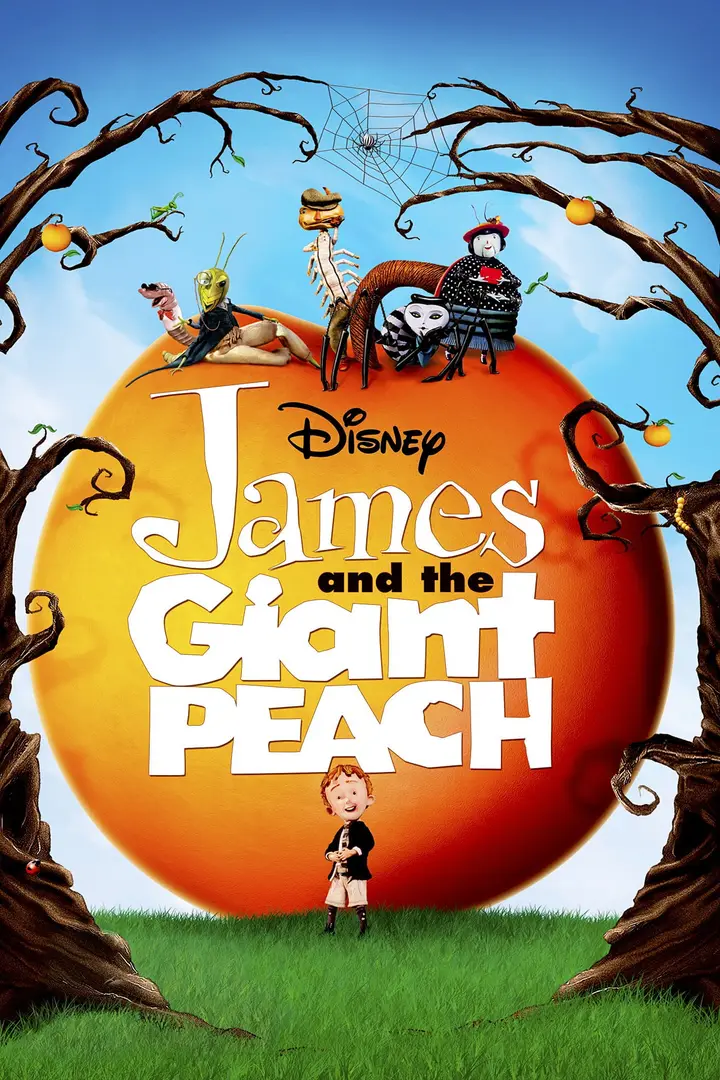
James and the Giant Peach
A strange and imaginative journey about loneliness, friendship and escaping a world that never truly felt safe.
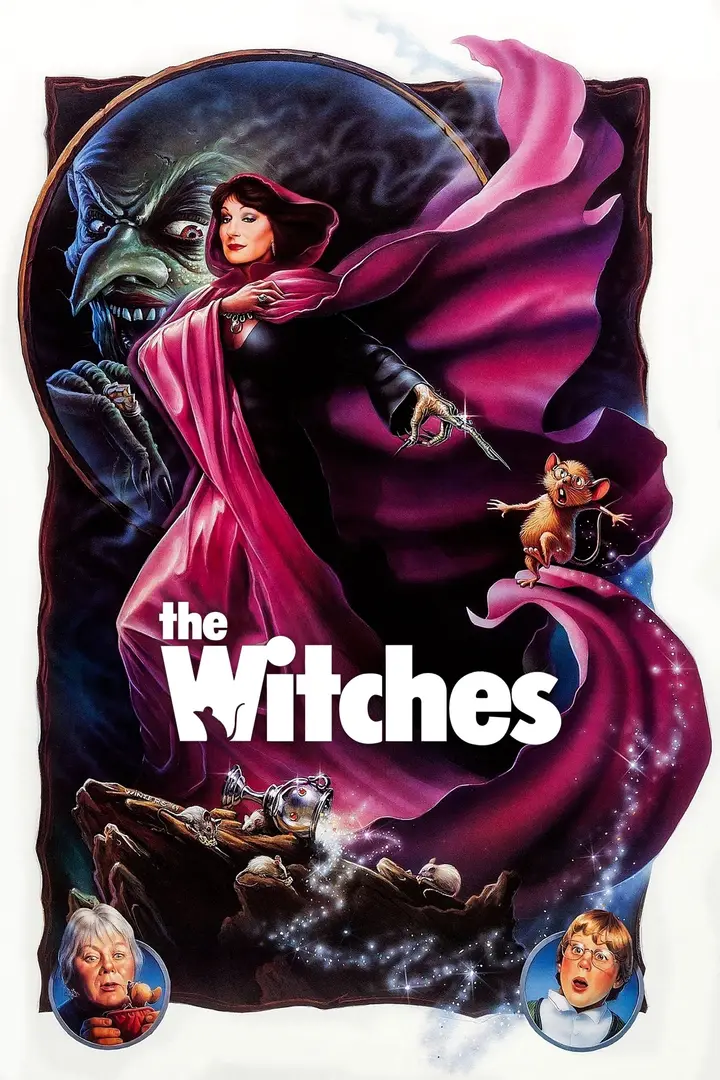
The Witches
A dark fantasy adventure where a young boy discovers courage while facing a hidden world of dangerous magic.