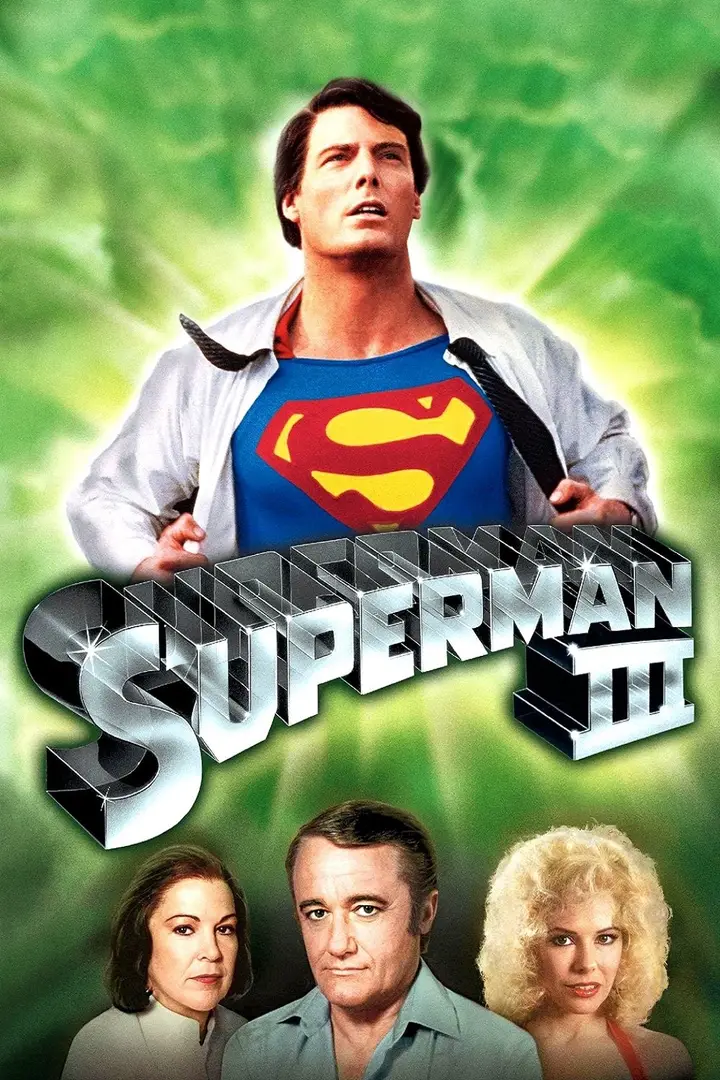
Superman III
AgeMinimum 9Recommended 9+
A superhero adventure where Superman faces an unexpected battle of power, identity, and the choices that define the hero he wants to be.
When computer genius Gus Gorman is recruited by wealthy businessman Ross Webster, a dangerous plan begins to threaten Superman and the people around him. After Superman is exposed to a synthetic form of Kryptonite, his personality begins to change, bringing out a darker side of himself. As Clark Kent struggles with this unexpected transformation, Superman must confront a challenge unlike any before — not only defeating an enemy, but finding his way back to the person he truly is.
- Release Year
- 1983
- Runtime
- 125 min
- Studio
- Warner Bros.
- Format
- Live Action
- Genre
- Action, Comedy, Science Fiction
- Mood
- Intense, Funny
- MPAA Rating
- PG
Superman III takes the character in a direction unlike the previous films by exploring a question rarely asked about a hero like Superman: what happens when the qualities that make him special begin to disappear? After two adventures built around hope, kindness, and responsibility, this chapter places Superman in a situation where his greatest challenge is not an enemy from another world, but a conflict within himself.
Christopher Reeve remains the heart of the film because he understands every side of the character. He plays the Superman audiences admire and the darker version of that same person with remarkable contrast, showing the difference between a hero guided by compassion and someone controlled by pride and selfishness. The moments where Clark and Superman feel like two opposing sides of the same individual become some of the most memorable character moments in the series.
The return to Smallville adds another meaningful layer to the journey. The place that shaped Clark before he became Superman reminds audiences where his values began. Alongside the humor, the computer-driven threat, and the familiar world of Metropolis, the film returns to the idea that Superman's greatest strength was never only his power — it was the person he chose to be.
With Christopher Reeve's unforgettable performance, moments of genuine humor, and a unique look at the challenges behind the symbol of Superman, Superman III offers a different chapter in the original series. It may not have the same sense of wonder as the first two films, but it gives audiences something valuable: a reminder that even the greatest heroes are defined by the choices they make.
Why It Stands Out
Superman III explores what happens when the hero we trust loses his way.
Through Superman's internal conflict and Christopher Reeve's ability to portray both sides of the character, the film gives audiences a different understanding of why Superman's kindness and humanity matter so much. By showing a world without those qualities, the story makes us appreciate even more the values that made people believe in him.
Parents’ Insight
As Superman’s behaviour changes, those around him confront a hero they can no longer trust. Past heroism cannot erase the harm he causes now; those who trusted him need more than apologies.
Parents’ Guide
What to know before you press play
Six things parents ask about, rated on the same scale for every film and series in the collection.
- Scary intensity
- Mild (2 of 5)
- Violence
- Mild (2 of 5)
- Language
- Mild (2 of 5)
- Emotional intensity
- Mild (2 of 5)
- Sexual content
- None (0 of 5)
- Substance use
- Moderate (3 of 5)
Content notes
- Mild superhero action; darker tone with Superman's corrupted alter ego may be intense for very young viewers.
Parent guidance
Action violence and a sequence where Superman turns darker and more reckless under synthetic kryptonite
Questions Parents Ask
What is Superman III about?
When computer genius Gus Gorman is recruited by wealthy businessman Ross Webster, a dangerous plan begins to threaten Superman and the people around him. After Superman is exposed to a synthetic form of Kryptonite, his personality begins to change, bringing out a darker side of himself. As Clark Kent struggles with this unexpected transformation, Superman must confront a challenge unlike any before — not only defeating an enemy, but finding his way back to the person he truly is.
What age is Superman III suitable for?
Minimum age: 9. Recommended age: 9+. Age 9 is a sensible minimum for the superhero action and Superman's disturbing personality change after exposure to synthetic Kryptonite. By 9, viewers are better placed to follow his battle with his darker counterpart and the moral-corruption theme it represents.
Is Superman III scary?
- Mild superhero action
- Darker tone with Superman's corrupted alter ego may be intense for very young viewers
- Parent preview: recommended for sensitive viewers
Superman's corrupted alter ego creates a darker emotional threat than the film's ordinary action scenes, especially during his violent change in personality. Physical fights remain comic-book styled, but the loss of control may bother younger viewers.
Is Superman III worth watching?
Superman III explores what happens when the hero we trust loses his way. Through Superman's internal conflict and Christopher Reeve's ability to portray both sides of the character, the film gives audiences a different understanding of why Superman's kindness and humanity matter so much. Superman III takes the character in a direction unlike the previous films by exploring a question rarely asked about a hero like Superman: what happens when the qualities that make him special begin to disappear? Alongside the humor, the computer-driven threat, and the familiar world of Metropolis, the film returns to the idea that Superman's greatest strength was never only his power — it was the person he chose to be. With Christopher Reeve's unforgettable performance, moments of genuine humor, and a unique look at the challenges behind the symbol of Superman, Superman III offers a different chapter in the original series.
What is Superman III based on?
Superman III is an original sequel story based on the DC Comics character Superman, created by Jerry Siegel and Joe Shuster and first published in 1938. The film invents a plot involving a corrupted synthetic kryptonite splitting Superman into two beings, a device created for this installment.
What order should you watch the Superman movies in?
Superman III is the third of the 7 Superman movies in release order. Watch it after Superman II (1980) and before Superman IV: The Quest for Peace (1987). Release order: 1) Superman (1978, best from age 8); 2) Superman II (1980, best from age 9); 3) Superman III (1983, best from age 9); 4) Superman IV: The Quest for Peace (1987, best from age 9); 5) Superman Returns (2006, best from age 11); 6) Man of Steel (2013, best from age 12); 7) Superman (2025, remake, best from age 10). There are three separate starts: Christopher Reeve’s films (1978–1987, with Superman Returns as a later follow-up), Man of Steel (2013) and James Gunn’s Superman (2025), which needs no earlier film. Ages across the series range from 8 (Superman) to 12 (Man of Steel), so a younger child may be ready for some films well before others. All 7 have a full parents’ guide in The Family Film Collection.
Talk About It
Synthetic Kryptonite corrupts Superman while Gus Gorman’s computing talent serves Ross Webster, forcing the hero to confront his own darker personality.
- Why does Gus work for Webster?
- How does Lana respond to Clark’s return?
- Would you trust technology controlled by a greedy employer?
- What would you tell Superman after the chemical-plant crisis?
- Why does Webster target global resources?
- How does Clark resist corrupted Superman?
- Which mistake makes Gus question the plan?
- Why does Superman fight himself?
Turn this film into a ready-to-use class discussion
Use the Teacher Resources already attached to this film. Choose the questions you want, then print, copy or share the result.
Similar Movies
Superman II and Superman IV place this film inside its original series, while Superman (1978) supplies the earlier foundation. Superman (2025), Man of Steel and Shazam! offer newer superhero routes centered on power, responsibility and action.
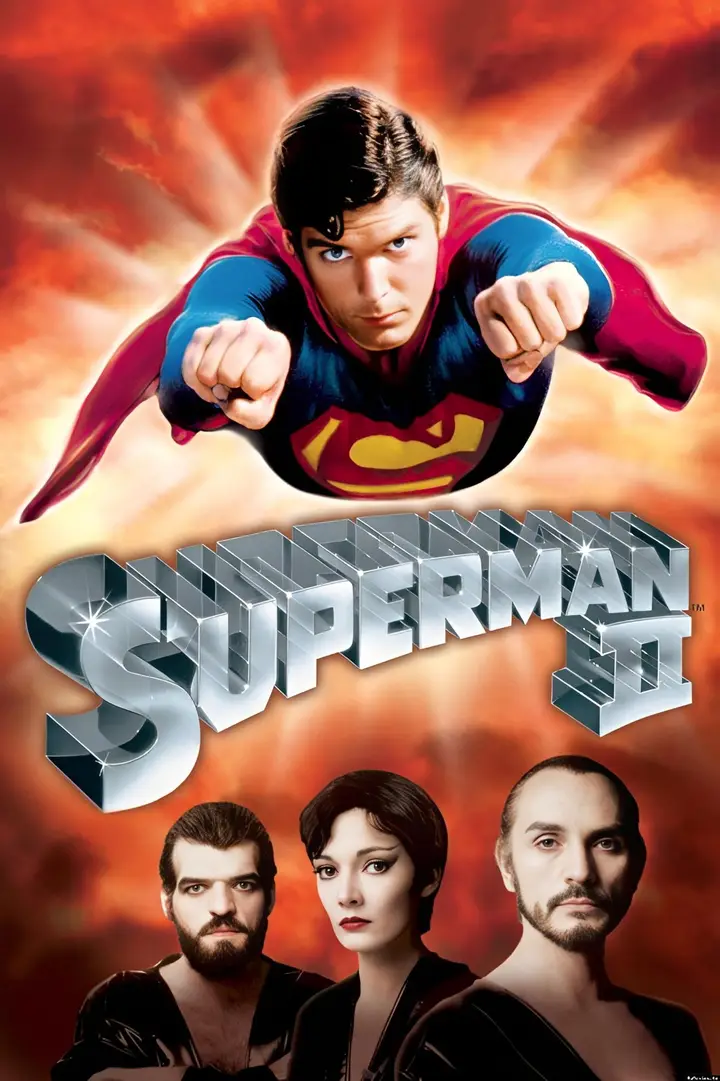
Superman II
A heartfelt superhero adventure where Superman faces powerful enemies and discovers that even the greatest hero must choose what matters most.
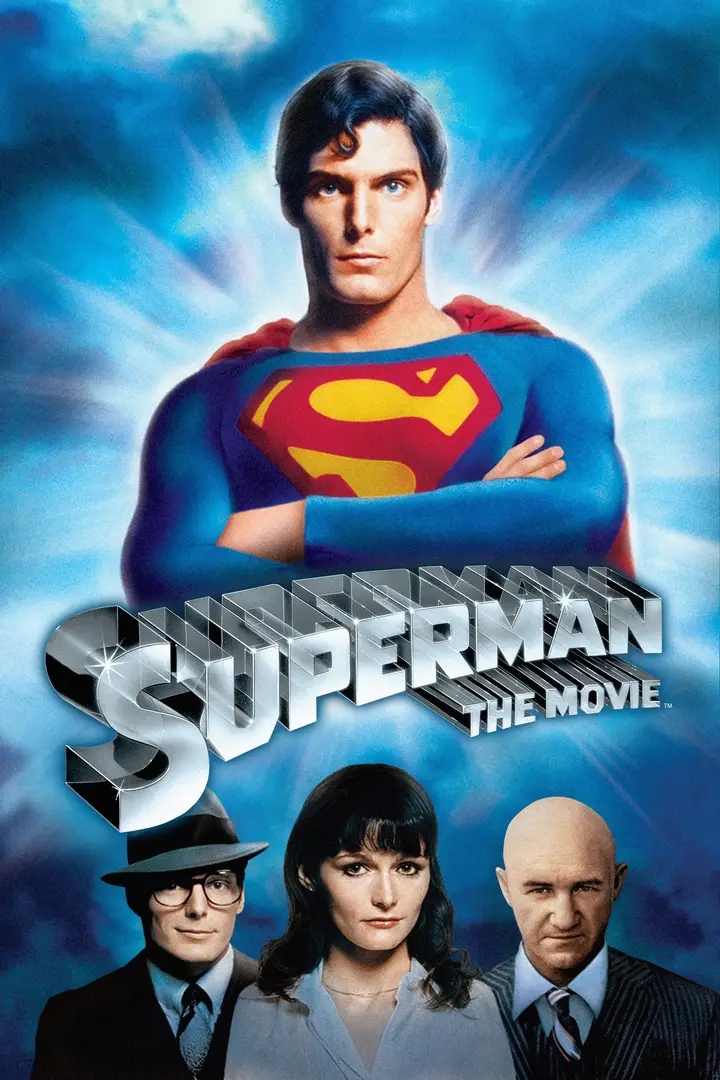
Superman
A timeless superhero adventure where an extraordinary hero brings wonder, kindness, and the unforgettable feeling that someone truly inspiring could exist among us.
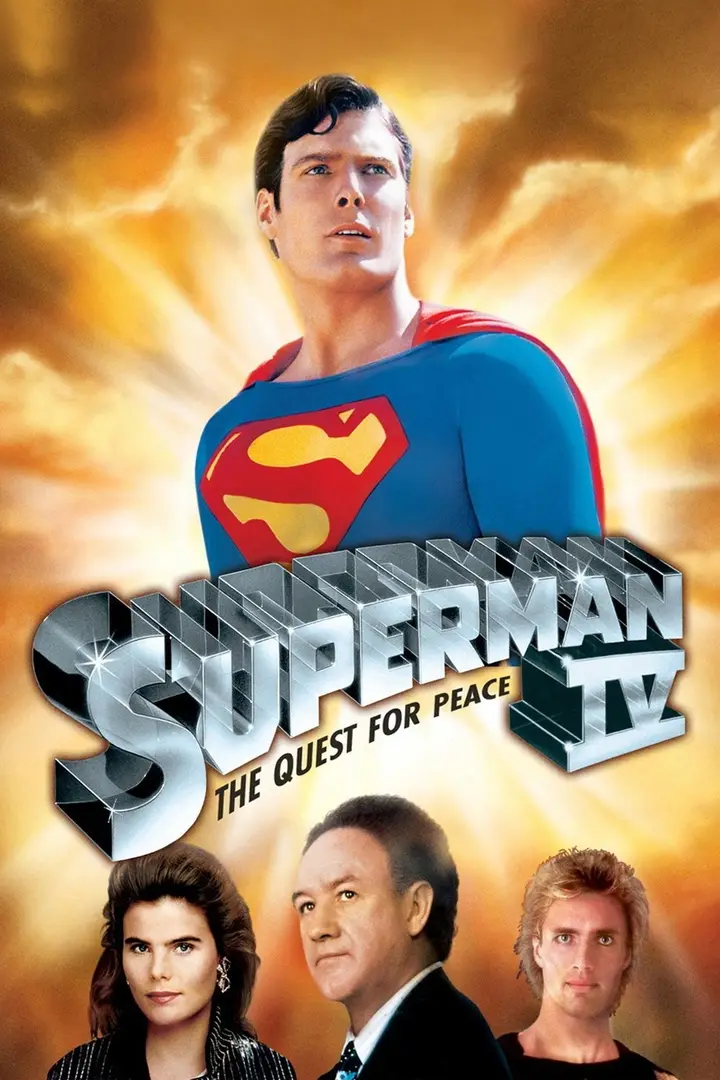
Superman IV: The Quest for Peace
A heartfelt superhero adventure where Superman faces a challenge no power can solve and discovers that hope may be his greatest strength.
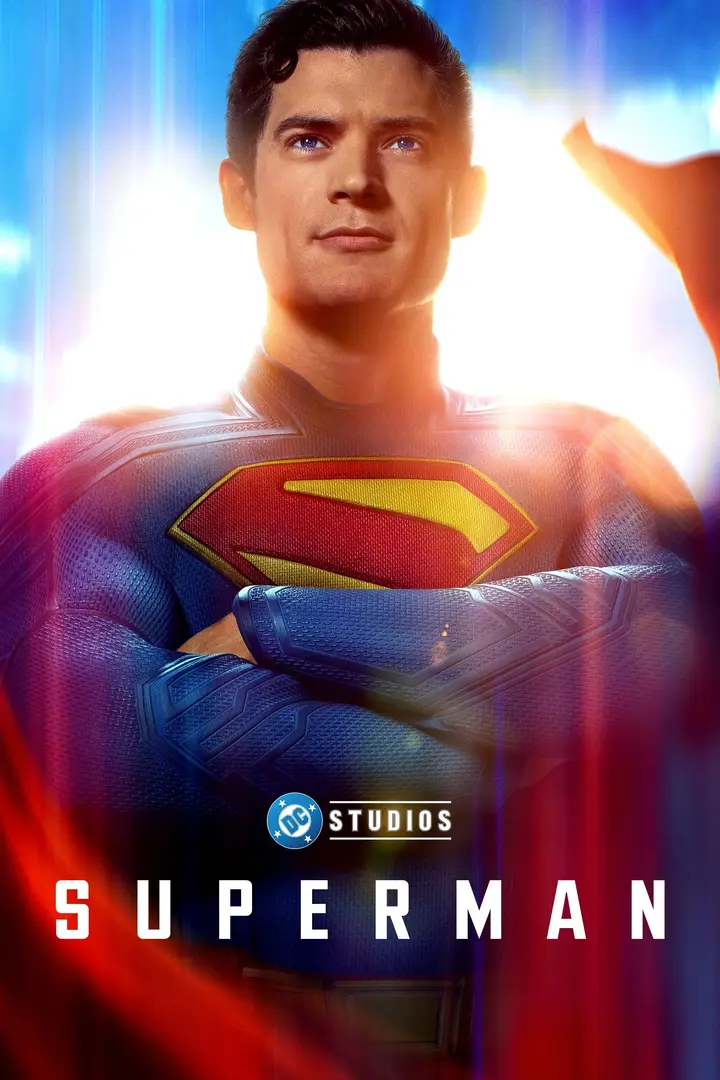
Superman
A comic-book adventure of bright skies, bold colors, Metropolis streets, and a hero who brings hope wherever he flies.
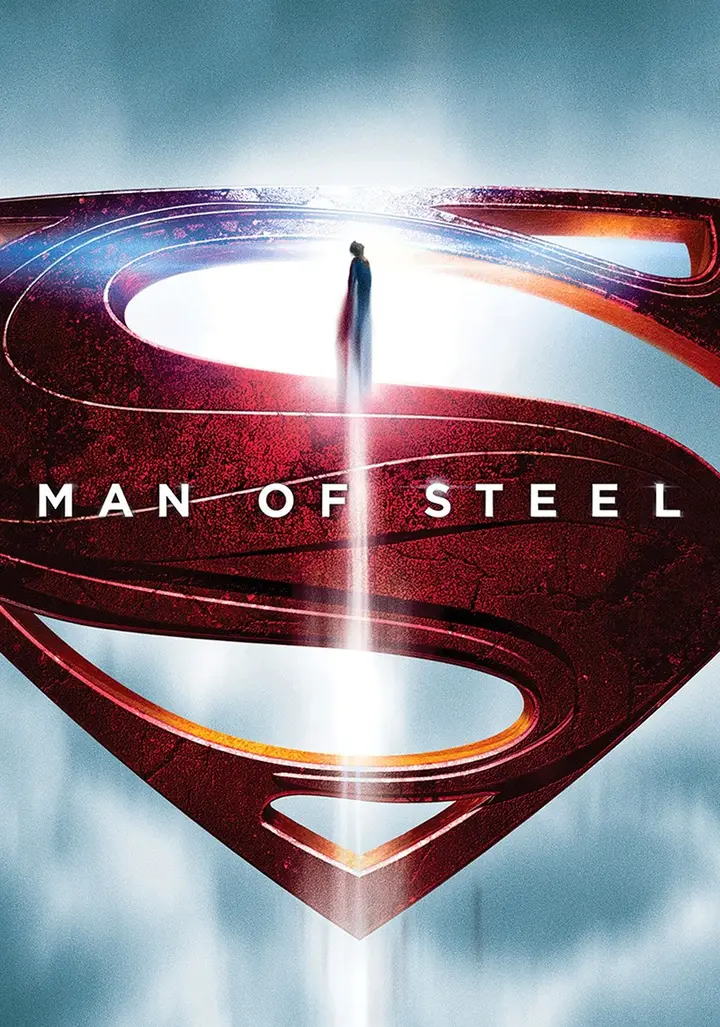
Man of Steel
A large-scale superhero origin story with a serious tone, destructive action, questions of identity, and a Superman still deciding what he owes the world.
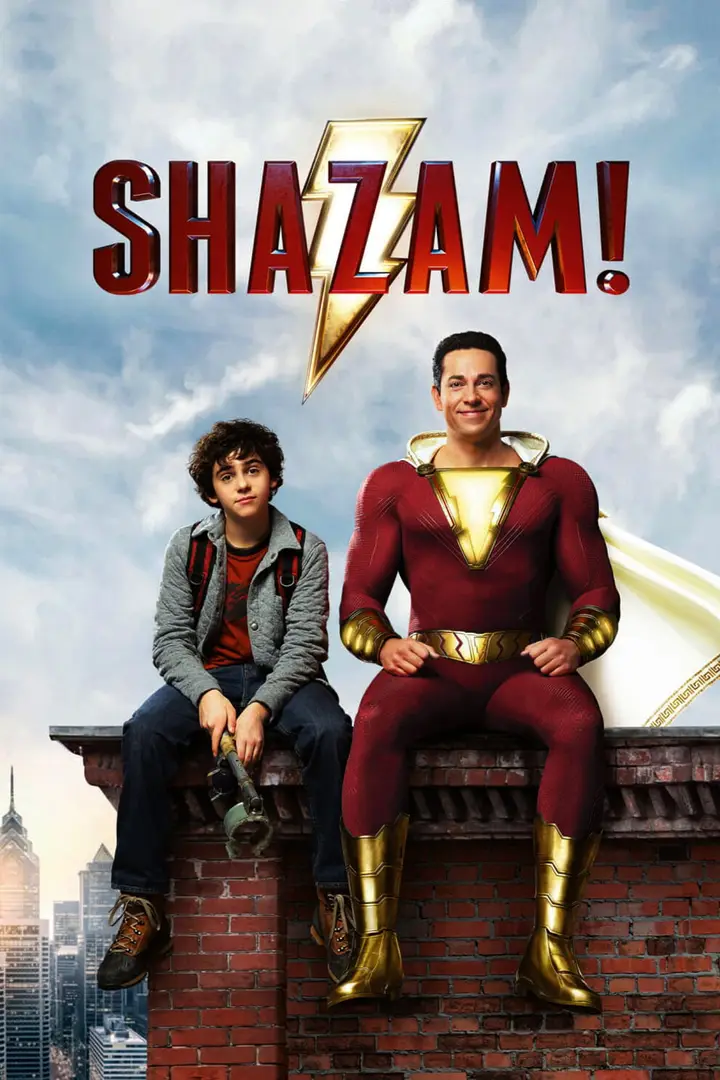
Shazam!
A playful superhero fantasy where ancient magic collides with teenage imagination and ordinary life becomes extraordinary.