Paulie
AgeMinimum 7Recommended 7+
Every great story deserves to be heard — even if it takes fifty years and a very talkative parrot to tell it.
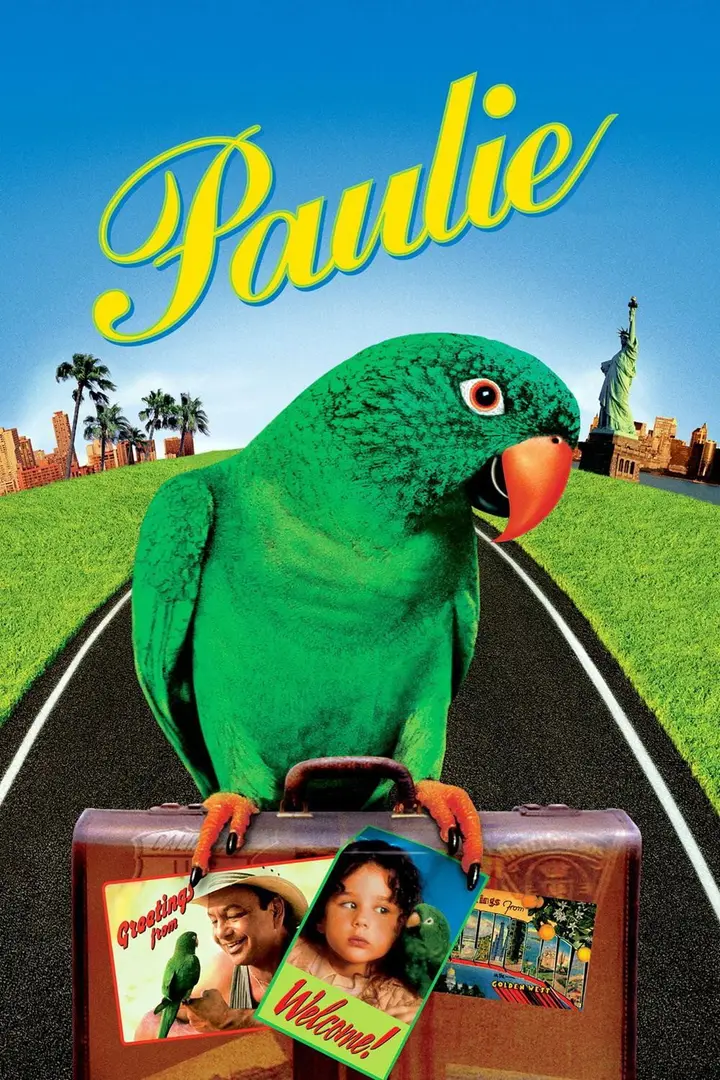
A lonely janitor discovers Paulie, a wisecracking parrot who can talk, and learns the remarkable story of the bird's decades-long journey to find Marie, the young girl who raised him. Through flashbacks filled with unlikely friends and narrow escapes, Paulie's determination to reunite with the person he loves unfolds as one long, heartfelt adventure.
- Release Year
- 1998
- Runtime
- 91 min
- Format
- Live Action
- Genre
- Adventure, Drama
- Mood
- Warm
- MPAA Rating
- PG
Paulie’s story begins with a special friendship between a young girl named Marie and a parrot who quickly becomes an important part of her life. Their connection grows through shared moments, communication and the simple companionship that develops between a child and an animal.
After being separated from Marie, Paulie begins a long journey that introduces him to different people, places and experiences. Along the way, he encounters kindness, loneliness and unexpected friendships, while continuing to hold on to the memory of the person who cared for him.
The film combines live-action family storytelling with a touch of fantasy through Paulie’s ability to communicate. The journey across America creates the adventure, but the emotional center remains the bond between a child and an animal and the lasting connection created through trust, affection and the experiences they share.
Why It Stands Out
Paulie tells his adventures to a lonely janitor, giving a talking parrot the voice of a sharp, funny traveler. Each unlikely encounter adds another chapter to the long search for Marie, the girl who raised him.
Parents’ Insight
Paulie’s journey shows how strong connections can remain meaningful even when circumstances create distance. His story highlights the lasting impact of caring relationships and the memories that continue to connect people and animals over time.
Parents’ Guide
What to know before you press play
Six things parents ask about, rated on the same scale for every film and series in the collection.
- Scary intensity
- Mild (2 of 5)
- Violence
- Moderate (3 of 5)
- Language
- Mild (2 of 5)
- Emotional intensity
- Strong (4 of 5)
- Sexual content
- None (0 of 5)
- Substance use
- Minimal (1 of 5)
Content notes
- Animal peril and emotional scenes
Questions Parents Ask
What age is Paulie suitable for?
Minimum age: 7. Recommended age: 7+. Marie screams as Paulie is taken away, and he later becomes trapped and used for research. An elderly friend dies, and another child threatens him with a toy weapon; mild language also appears.
Is Paulie scary?
- The emotional and animal-welfare intensity is significant. Paulie is repeatedly taken away, confined and prevented from flying
- Graphic violence
Marie nearly falls from a roof, an elderly character's death is signaled, and laboratory scenes show Paulie's distress after his wings are clipped. The reunion is reassuring but follows a long period of sadness.
What is Paulie based on?
The talking parrot, Marie, Misha and the cross-country search were created for the film, using the structure of an animal recounting his life.
What is Paulie about?
Paulie helps young Marie with her speech, but her parents send him away after a frightening accident. He passes through several owners, loses friends, has his wings clipped in a laboratory and eventually tells his story to lonely janitor Misha.
Is Paulie worth watching?
It is a bittersweet animal journey for older children prepared for separation, grief and a strong reunion story. Paulie's wit keeps the film from becoming relentlessly sad, while his loyalty to Marie gives the episodic travels a clear purpose. Families can discuss responsible pet care and how animals experience loss.
Talk About It
Paulie is a parrot who learned to talk with a girl named Marie, and after they are separated he spends decades passing from owner to owner trying to find her again — telling the whole story from a locked basement to a janitor who will listen. Use the film to discuss how you tell whether someone values you or only what you can do, and what an animal is owed by whoever keeps it.
- Paulie spends decades trying to find one person. What keeps someone searching that long?
- Several owners want Paulie because he can talk, not because they like him. How can you tell the difference?
- Marie and Paulie help each other with speaking. Why does that make their friendship different from the others?
- Paulie ends up locked in a basement telling his story to a stranger. Why does telling it matter to him?
- Some of the people who take Paulie in are lonely themselves. Does that excuse how they treat him?
- Real parrots do not talk the way Paulie does. Did that stop you believing the story?
- Have you ever lost something or someone you kept hoping to find again?
- What does an animal need from the person who keeps it?
Turn this film into a ready-to-use class discussion
Use the Teacher Resources already attached to this film. Choose the questions you want, then print, copy or share the result.
Similar Movies
Rio is the clearest bird-centered companion, combining personality, loyalty and a long journey. Fly Away Home shifts the animal bond toward migration and care, while Dreamer and Racing Stripes broaden perseverance into different human-animal relationships.
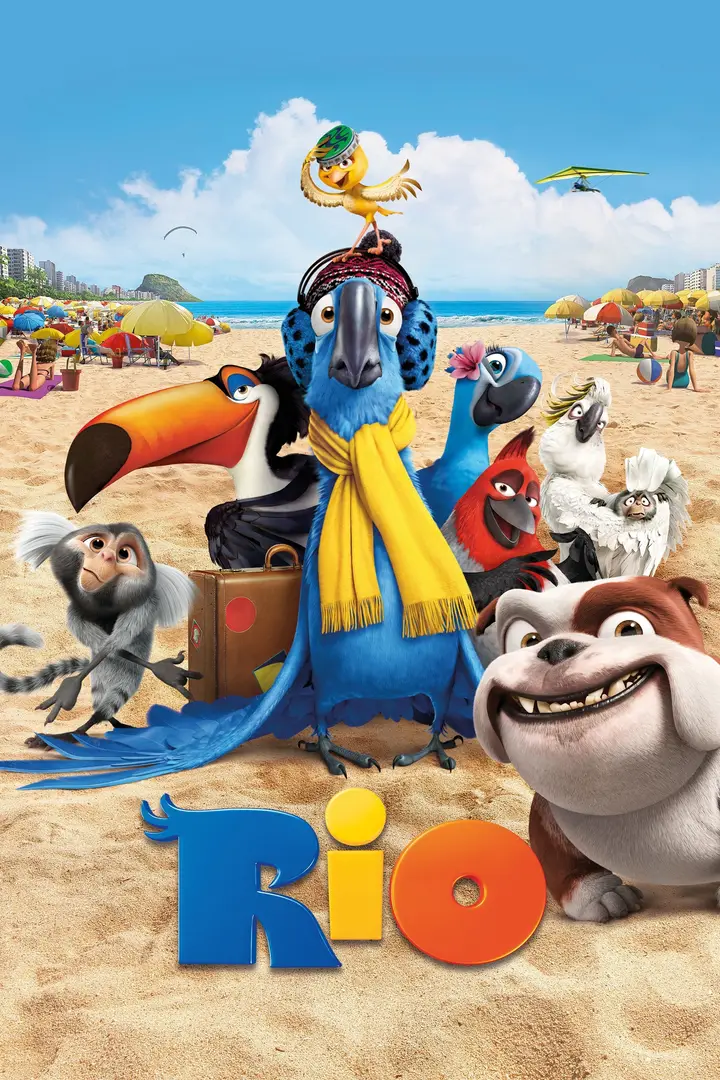
Rio
Music, color, and boundless energy fill every moment with the warmth and spirit of Rio.
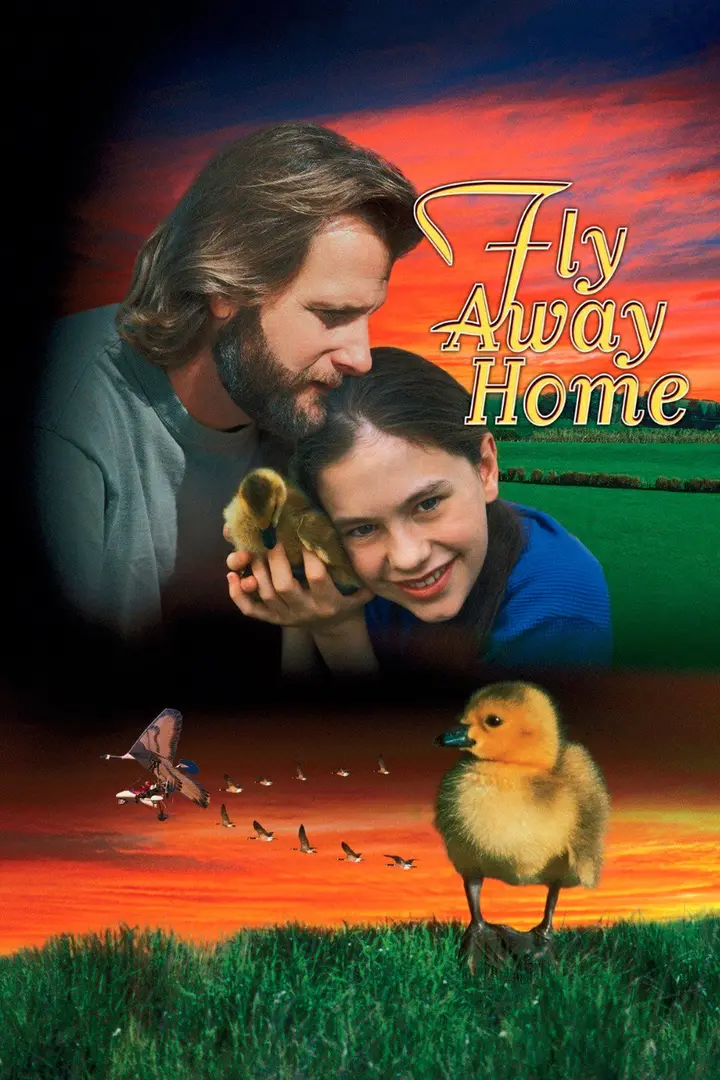
Fly Away Home
A heartfelt nature adventure filled with open skies, wild beauty, and the unforgettable wonder of guiding a journey that seems impossible.

Oddball
An unlikely guardian dog, tiny penguins and Australia's windswept coast give this true-inspired animal adventure its unusual charm.
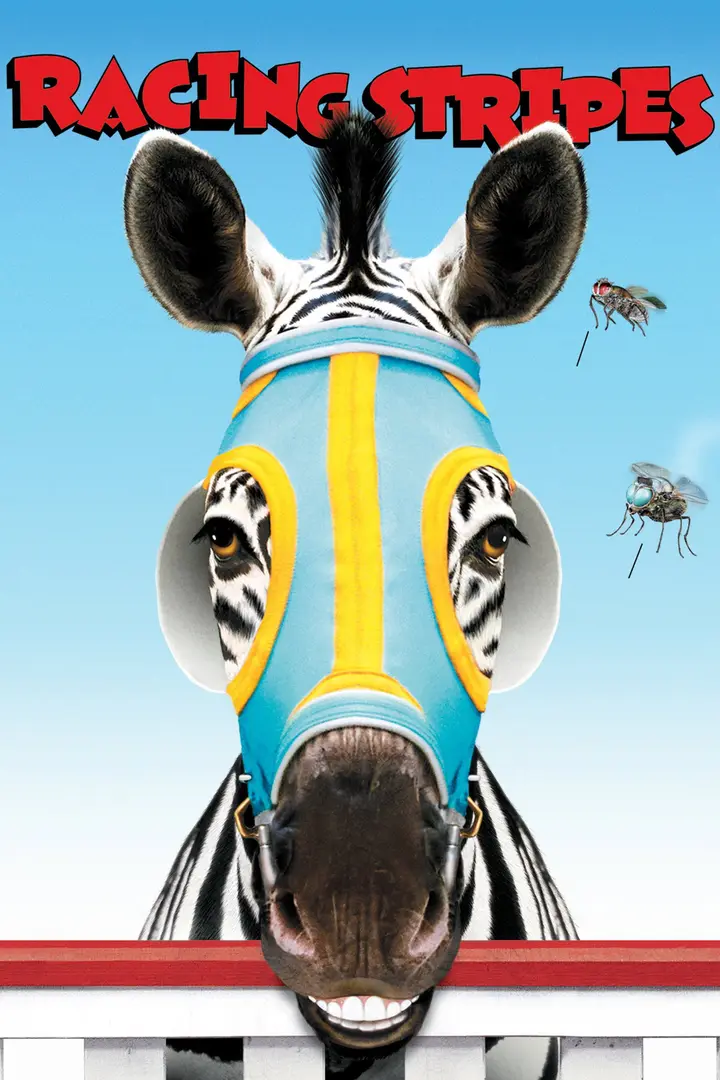
Racing Stripes
A zebra with a racehorse's heart brings gleeful underdog spirit, stable-yard wisecracks and delightful chaos to the racetrack.
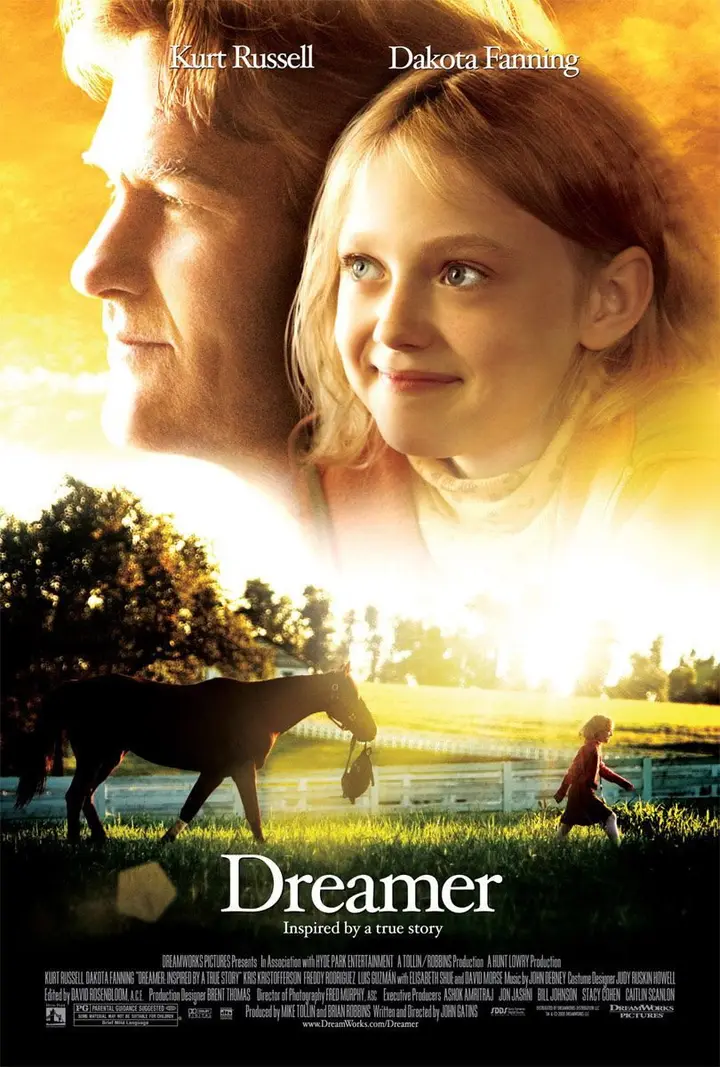
Dreamer
The thunder of hooves and the tenderness of a father–daughter bond give this horse-racing drama its hopeful heartbeat.
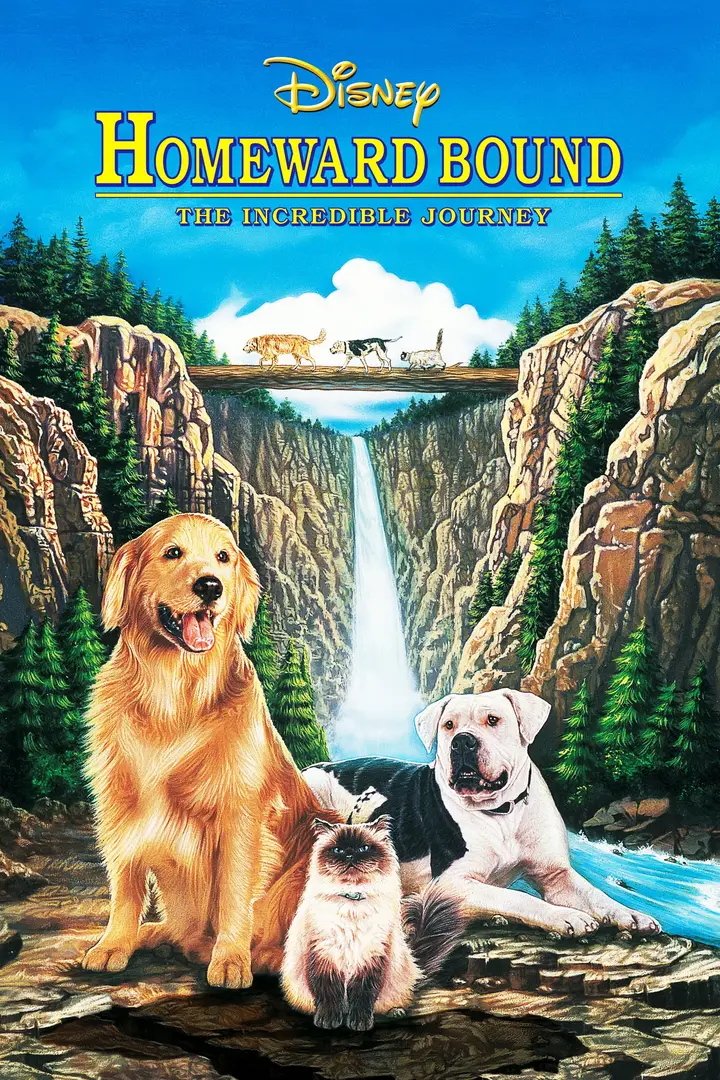
Homeward Bound: The Incredible Journey
A warm wilderness adventure filled with loyal companions, breathtaking landscapes, humor, and the feeling of finding your way home.