
Parental Guidance
AgeMinimum 7Recommended 7+
Grandparents raised by the rulebook of a different era are about to meet grandkids raised by an app for everything.
When their daughter needs help while she pursues a big career opportunity, old-school grandparents Artie and Diane step in to babysit their three grandchildren, whose ultra-modern, hyper-scheduled upbringing is completely foreign to them. As old-fashioned games and blunt advice clash with gentle parenting and screen time rules, both generations discover surprising lessons about love, discipline, and letting go.
- Release Year
- 2012
- Runtime
- 105 min
- Studio
- 20th Century Fox, Walden Media
- Format
- Live Action
- Genre
- Comedy
- Mood
- Warm, Playful
- MPAA Rating
- PG
Artie and Diane have always enjoyed a close relationship with their grandchildren, but spending extended time together introduces a very different experience from a typical visit. When they become responsible for the children’s daily routines, they discover that modern parenting approaches and their own instincts do not always align.
The three grandchildren each bring their own personalities and challenges to the household. Artie’s traditional ideas about discipline and problem-solving often clash with the methods preferred by their parents, creating situations where both generations must learn from each other.
The film combines family comedy, generational differences and everyday parenting situations. The humor comes from the contrast between grandparents and parents, while the emotional center remains the relationship between family members discovering new ways to understand, support and appreciate one another.
Why It Stands Out
Parental Guidance mines gentle comedy from the generational gap between old-school grandparents and modern parenting styles. Its appeal lies in its warm family humor and its reminder that childhood can thrive with a little more unstructured fun.
Parents’ Insight
Artie and Diane’s experience shows that meaningful family relationships can be built in different ways. The film highlights how different generations can learn from each other through patience, communication and the time they spend together.
Parents’ Guide
What to know before you press play
Six things parents ask about, rated on the same scale for every film and series in the collection.
- Scary intensity
- Minimal (1 of 5)
- Violence
- Mild (2 of 5)
- Language
- Minimal (1 of 5)
- Emotional intensity
- Moderate (3 of 5)
- Sexual content
- None (0 of 5)
- Substance use
- Minimal (1 of 5)
Content notes
- Rude and scatological humor, slapstick injury, brief child fighting and bullying
Parent guidance
Rude and toilet humor, including a groin hit and a vomiting gag, brief fighting and bullying among children, and ongoing family conflict between grandparents and parents.
Questions Parents Ask
What age is Parental Guidance suitable for?
Minimum age: 7. Recommended age: 7+. The grandparents ignore some parental rules, and Barker runs into danger while following his imaginary friend. Turner faces teasing about his speech, and Harper is pushed toward a violin audition she may not want.
Is Parental Guidance scary?
- Family conflict and child-safety incidents create mild tension. Adults frequently argue over parenting decisions
- Graphic violence
Barker's imaginary friend is treated as emotionally real to him, and a dangerous misunderstanding leads to grief and guilt. The film resolves these issues through apology and family communication.
What is Parental Guidance based on?
The Decker and Simmons families and the clash between modern and traditional parenting were created for the film.
What is Parental Guidance about?
When Alice and Phil leave for work, the grandparents face Harper's performance anxiety, Turner's stutter and Barker's imaginary friend. Mistakes and arguments force the adults to reconsider both overprotective and overly casual parenting.
Is Parental Guidance worth watching?
It is a broad multigenerational comedy for families interested in different parenting styles, expectations and grandparents rebuilding connection. The humor can be sentimental and noisy, but each child has a recognizable need that adults initially misunderstand. It works best as a conversation about listening rather than proving one parenting system correct.
Talk About It
Artie and Diane are handed a list of rules for looking after three grandchildren whose lives are scheduled almost minute by minute, and they break most of the rules within days. Artie says exactly what he thinks, which sometimes helps a child and sometimes does real damage. Use the film to discuss whether you can protect a child too much, and which rules on that list you would actually keep.
- Artie and Diane are given a list of rules for looking after the children. Which of those rules would you keep?
- The children's lives are scheduled almost minute by minute. Is a full schedule good for a child?
- Artie says exactly what he thinks. When is that helpful, and when is it careless?
- Each of the three children has a different problem. Which one did you recognize?
- The parents are trying to protect their children from disappointment. Can you protect someone too much?
- Artie and Diane raised the children's mother. Does that make them experts or out of date?
- What is one thing your grandparents' generation did differently that you think was better?
- What would you want a babysitter to know about you?
Turn this film into a ready-to-use class discussion
Use the Teacher Resources already attached to this film. Choose the questions you want, then print, copy or share the result.
Similar Movies
Yours, Mine & Ours and Cheaper by the Dozen match the busy-household comedy most directly. The Pacifier and The Game Plan focus more sharply on adults learning to care for children, whereas Mrs. Doubtfire brings family disruption into a more affecting disguise comedy.

The Game Plan
A superstar quarterback meets a tougher challenge than any opponent on the field: ballet shoes, bedtime routines and one determined little girl.

Cheaper by the Dozen
A chaotic family comedy of twelve siblings, crowded routines, and the unexpected adventures inside a home full of personalities.
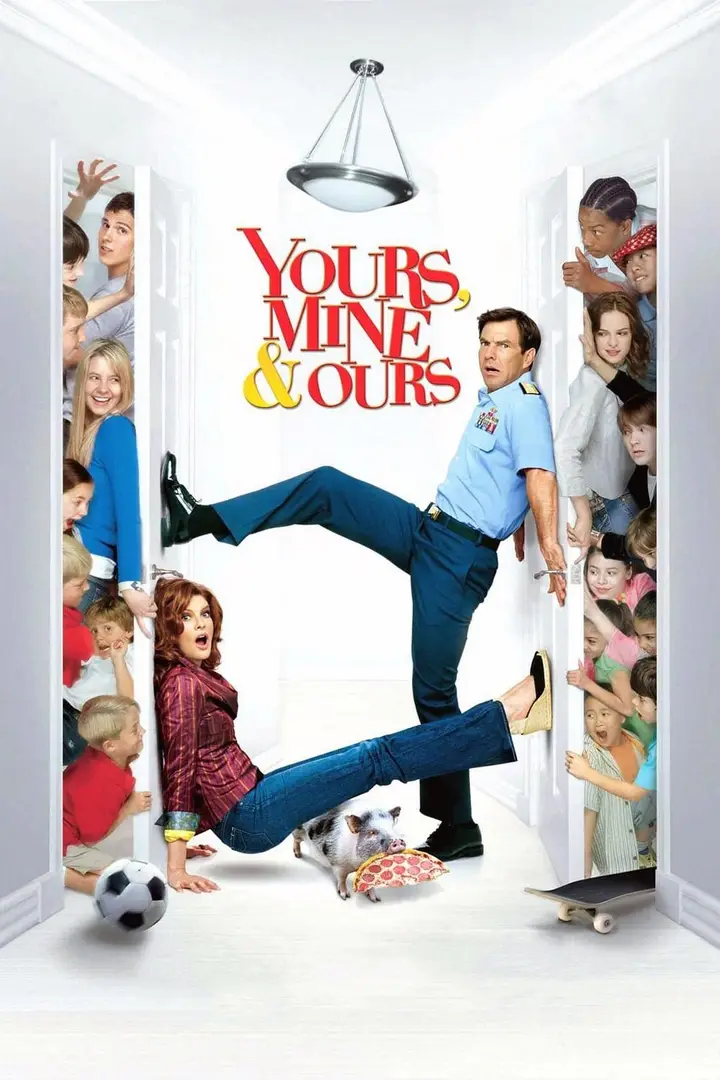
Yours, Mine & Ours
Eight kids plus ten kids equals one wonderfully chaotic family, if everyone can just survive the first month.
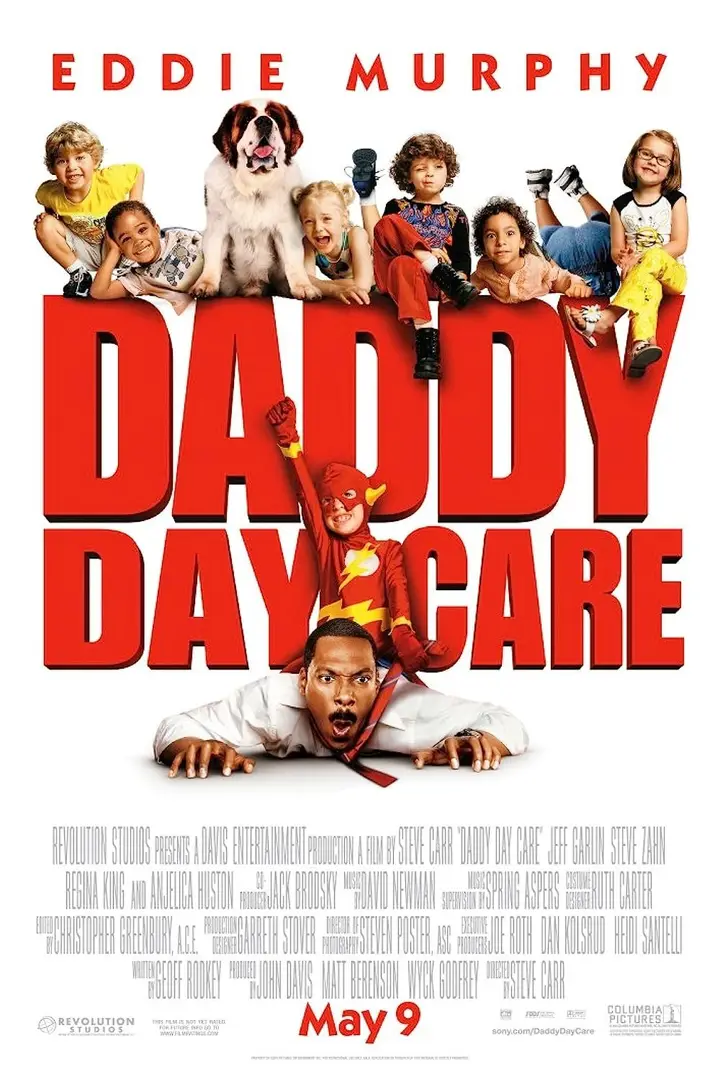
Daddy Day Care
A warm family comedy where two fathers discover that caring for children changes the way they see work, family, and themselves.

The Pacifier
Military precision meets spilled cereal, bedtime routines and five very different children in this boisterous family comedy.
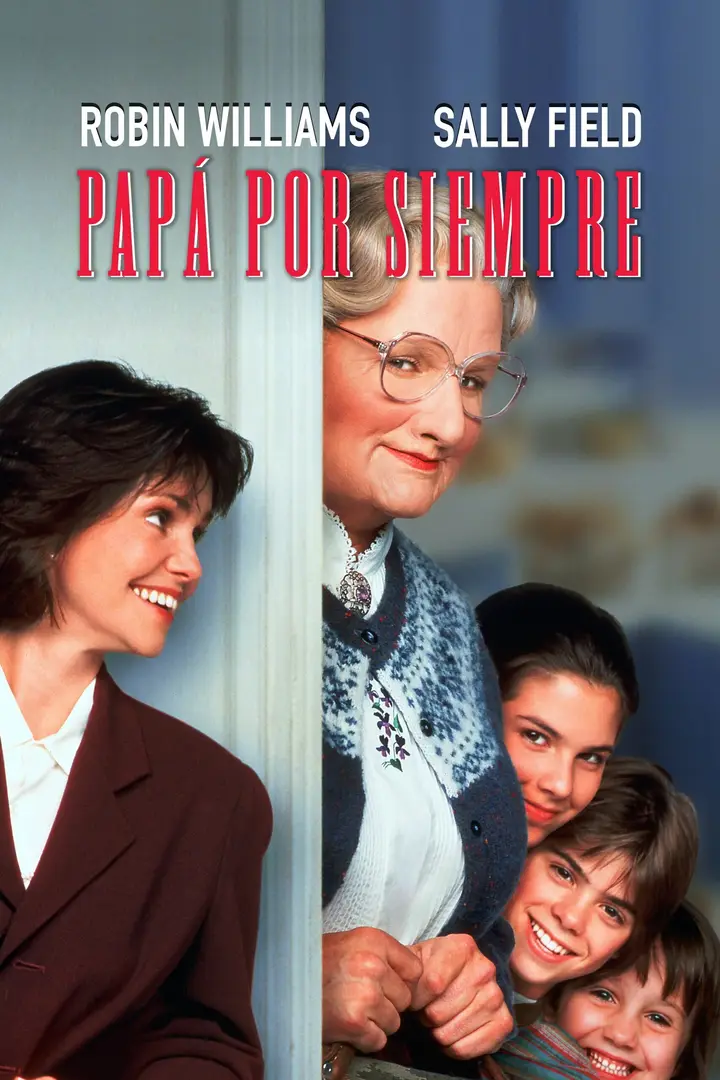
Mrs. Doubtfire
Warm humor, family chaos, and one unforgettable performance create a heartfelt comedy about the messy beauty of everyday life.