Editor’s Choice
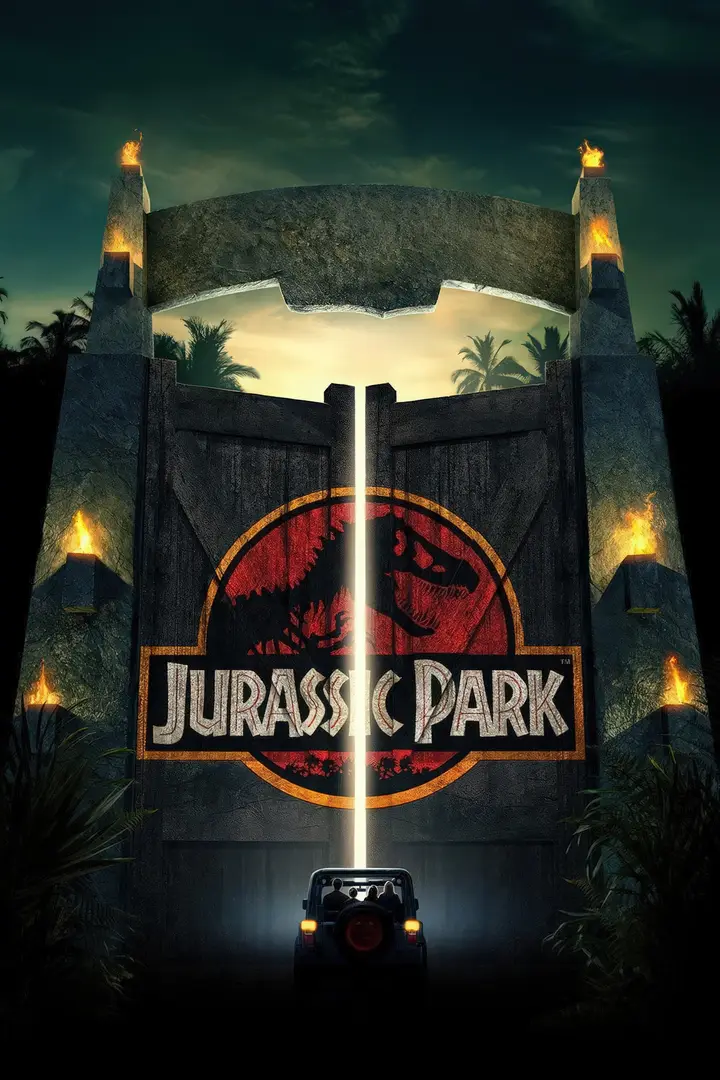
Jurassic Park
AgeMinimum 8Recommended 11+
A groundbreaking adventure where a lost world comes back to life and humanity discovers that some wonders are beyond its control.
Billionaire entrepreneur John Hammond invites paleontologist Dr. Alan Grant, paleobotanist Dr. Ellie Sattler, mathematician Dr. Ian Malcolm, and his grandchildren to visit Jurassic Park, a revolutionary theme park on Isla Nublar where dinosaurs have been brought back to life through advanced science. During their preview visit, they experience a world unlike anything humanity has ever seen. However, when the park's systems fail, the visitors must survive in a place where the creatures they came to admire become a powerful reminder that some forces cannot be controlled.
- Release Year
- 1993
- Runtime
- 127 min
- Studio
- Universal Pictures
- Format
- Live Action
- Genre
- Action, Adventure, Science Fiction, Thriller
- Mood
- Intense
- MPAA Rating
- PG-13
Jurassic Park builds one of cinema's most unforgettable experiences by making an impossible idea feel real. The first appearance of the dinosaurs is not simply a display of visual effects; it is a moment of pure cinematic wonder, through groundbreaking effects, John Williams' iconic music, and Spielberg's extraordinary ability to build anticipation.
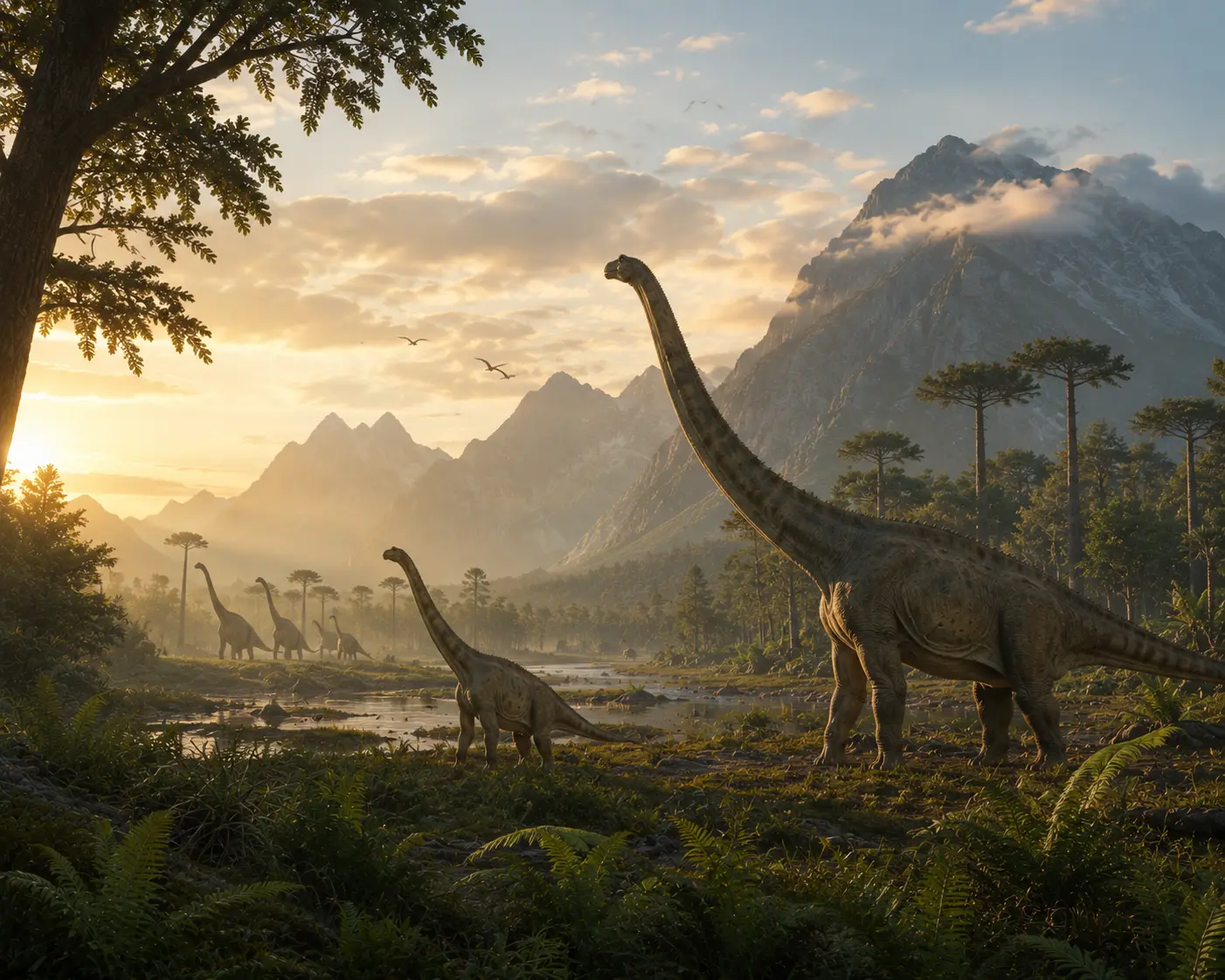
The world of Jurassic Park is built around the excitement of discovery. The enormous landscapes and the feeling that something extraordinary could appear at any moment create an atmosphere unlike any other adventure film. The dinosaurs are fascinating because they represent a lost world returning to life, but they become frightening because they remind us that nature cannot always be contained.
The experience becomes even more powerful through the characters who explore this impossible world with us. Alan Grant approaches the dinosaurs with scientific curiosity, Ellie Sattler combines knowledge with compassion, and the children experience the park with pure fascination and fear. Decades later, the film remains unforgettable because it captures a feeling few movies achieve: the belief that something impossible has suddenly become real.
Why It Stands Out
Jurassic Park creates wonder before its dinosaurs fill the screen. Water trembling in a glass, a character's startled expression, and the sound of something approaching prepare us for discoveries that feel enormous. Steven Spielberg uses anticipation to give each reveal its force, then shifts from amazement to danger as the park's safeguards fail.
The dinosaurs are impressive achievements in visual effects, but the filmmaking gives them scale and presence. Characters react with curiosity, fear, and disbelief, allowing the audience to share their experience. That balance of scientific ambition, suspense, and human response has shaped adventure filmmaking for generations.
Parents’ Insight
John Hammond's excitement about what science could achieve never once pauses to ask what it should. Jurassic Park is a useful way to talk with kids about the difference between being able to do something remarkable and being wise enough to know when not to.
Editor’s Choice: Masterful suspense, landmark effects and genuine awe
Parents’ Guide
What to know before you press play
Six things parents ask about, rated on the same scale for every film and series in the collection.
- Scary intensity
- Moderate (3 of 5)
- Violence
- Moderate (3 of 5)
- Language
- Mild (2 of 5)
- Emotional intensity
- Minimal (1 of 5)
- Sexual content
- None (0 of 5)
- Substance use
- Minimal (1 of 5)
Content notes
- Genuinely intense dinosaur-attack sequences; some frightening peril for children
Questions Parents Ask
What is Jurassic Park about?
Billionaire entrepreneur John Hammond invites a group of scientists and his grandchildren to preview Jurassic Park, an extraordinary theme park on Isla Nublar where dinosaurs have been recreated through advanced genetic science.
Paleontologist Dr. Alan Grant, paleobotanist Dr. Ellie Sattler, mathematician Dr. Ian Malcolm, and the young visitors arrive expecting to witness the greatest scientific achievement in history. Instead, when the park's security systems fail, they find themselves trapped among living prehistoric creatures that no longer follow human plans.
As the visitors struggle to survive, the film explores the excitement of discovery alongside the risks of ambition, reminding audiences that some forces are more complex than they first appear.
What age is Jurassic Park suitable for?
Minimum age: 8. Recommended age: 11+. The dinosaur attacks hold real gravity without crossing into graphic territory. Nedry's sabotage of the park's security systems for a corporate espionage scheme is the actual reason the dinosaurs get loose, a plot thread that ties directly into why help takes so long to arrive.
Is Jurassic Park scary?
- Dinosaur attacks
- Suspenseful chase sequences
- Characters in danger
- Dark and intense atmosphere
- Horror imagery
The greatest source of fear in Jurassic Park is not violence itself, but the feeling that the characters are surrounded by powerful creatures they cannot predict or control.
The film uses darkness, sound design, silence, and anticipation to create some of its most memorable moments. The dinosaur attacks are intense and may be frightening for younger children, especially scenes involving children facing direct danger.
Sensitive viewers may want to watch with an adult, particularly during the first viewing.
Is Jurassic Park worth watching?
A landmark adventure that transformed cinema by making dinosaurs feel real and turning scientific imagination into an unforgettable experience of wonder and suspense. Jurassic Park remains one of the defining achievements of modern adventure cinema because it does more than show dinosaurs — it makes audiences believe they are truly seeing them. The enormous landscapes of Isla Nublar, the quiet moments before something appears, the distant sounds of unseen creatures, and John Williams' unforgettable score create a world that feels both magical and dangerous. Alan Grant approaches the dinosaurs with scientific fascination, Ellie Sattler combines knowledge with compassion, Ian Malcolm questions humanity's confidence, and the children experience the park with a mixture of excitement and fear. Beyond its visual effects, Jurassic Park endures because it asks questions that remain relevant: Should every scientific possibility become reality? With its groundbreaking filmmaking, unforgettable characters, iconic music, and perfect combination of adventure and suspense, Jurassic Park became much more than a dinosaur movie.
What is Jurassic Park based on?
Jurassic Park is based on the book Jurassic Park, written by Michael Crichton, first published in 1990. Both versions explore the idea of recreating dinosaurs through genetic technology and the consequences of attempting to control something as complex as nature. Steven Spielberg's adaptation focuses more heavily on spectacle, adventure, and character relationships while preserving the novel's central questions about science, ethics, and responsibility.
What order should you watch the Jurassic Park movies in?
Jurassic Park (1993) is the first of the 7 Jurassic Park movies, so it is the place to start. Release order: 1) Jurassic Park (1993, best from age 11); 2) The Lost World: Jurassic Park (1997, best from age 11); 3) Jurassic Park III (2001, best from age 11); 4) Jurassic World (2015, best from age 11); 5) Jurassic World: Fallen Kingdom (2018, best from age 11); 6) Jurassic World Dominion (2022, best from age 11); 7) Jurassic World Rebirth (2025, best from age 12). Jurassic World (2015) restarts the story with new characters, so families can begin there, but Jurassic World Dominion brings back the original trio and lands best after the first three films. The films sit close together in age, from 11 to 12, so a child who enjoys one is usually ready for the others. All 7 have a full parents’ guide in The Family Film Collection.
Talk About It
Hammond’s cloned dinosaurs inspire awe until failed systems expose the danger of building a commercial park around life nobody truly understands.
- Why does Hammond invite visitors to the park despite its dangers?
- How does Dr. Grant’s skepticism change after the first close encounter?
- Would you accept a tour if you knew the park was built on unstable science?
- What makes the T. rex reveal so powerful for the visitors?
- How would you tell the park’s investors they are not ready for a real animal exhibit?
- Hammond wants his grandchildren to see the park before it opens, to prove it is safe. What does that decision end up costing him?
- Which dinosaur sequence most clearly shows the cost of human control?
- How does the children’s curiosity change the group’s decisions?
Turn this film into a ready-to-use class discussion
Use the Teacher Resources already attached to this film. Choose the questions you want, then print, copy or share the result.
Similar Movies
Two more entries continue this same story-world before the franchise returns decades later on the ruins of the original park. Beyond the series, the same thrill of an impossible discovery turning dangerous carries into other giant-creature and lost-world adventures.
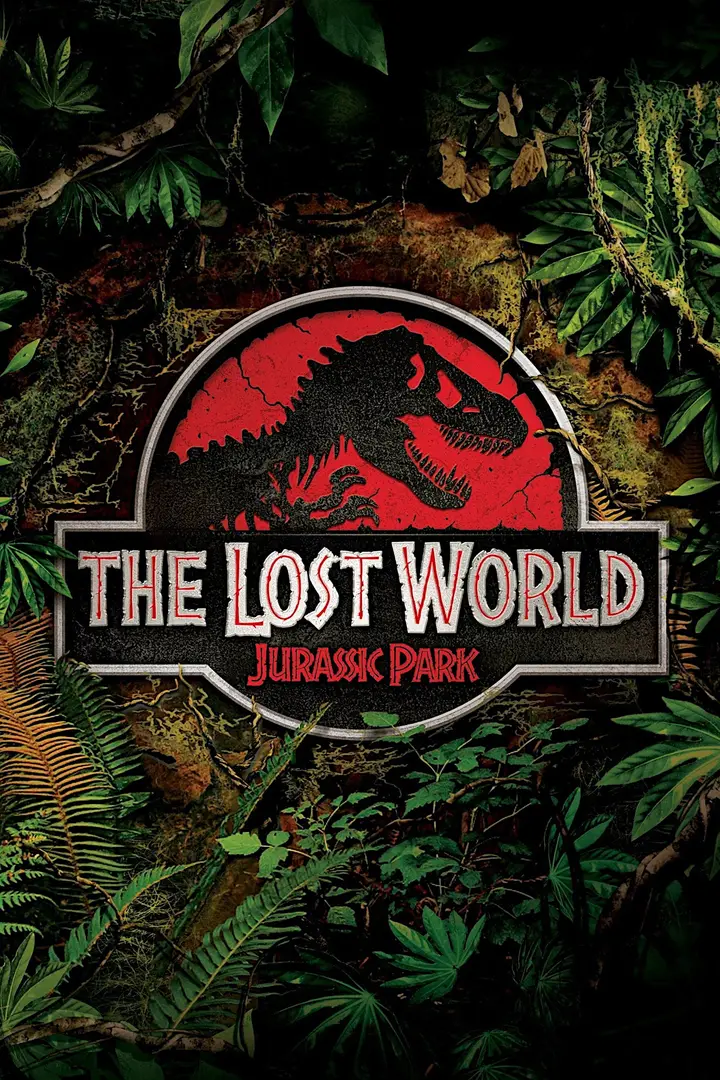
The Lost World: Jurassic Park
A mysterious adventure where humanity enters a forgotten world and discovers that some wonders existed long before us.
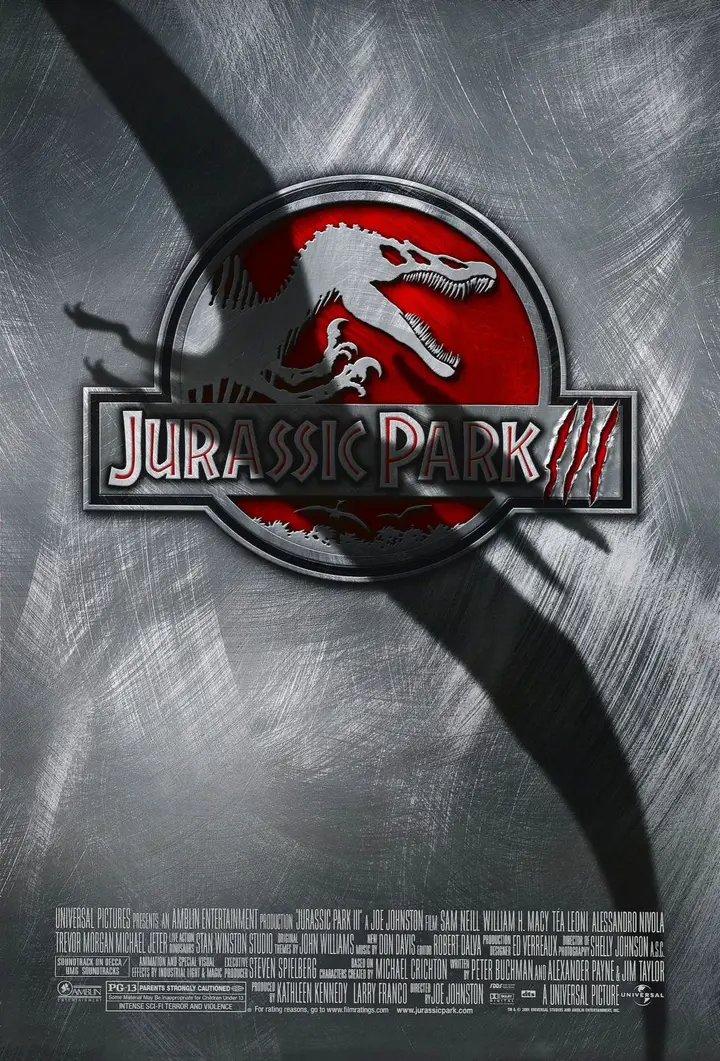
Jurassic Park III
A thrilling adventure where a rescue mission leads back to a prehistoric world filled with danger, mystery, and forgotten wonders.
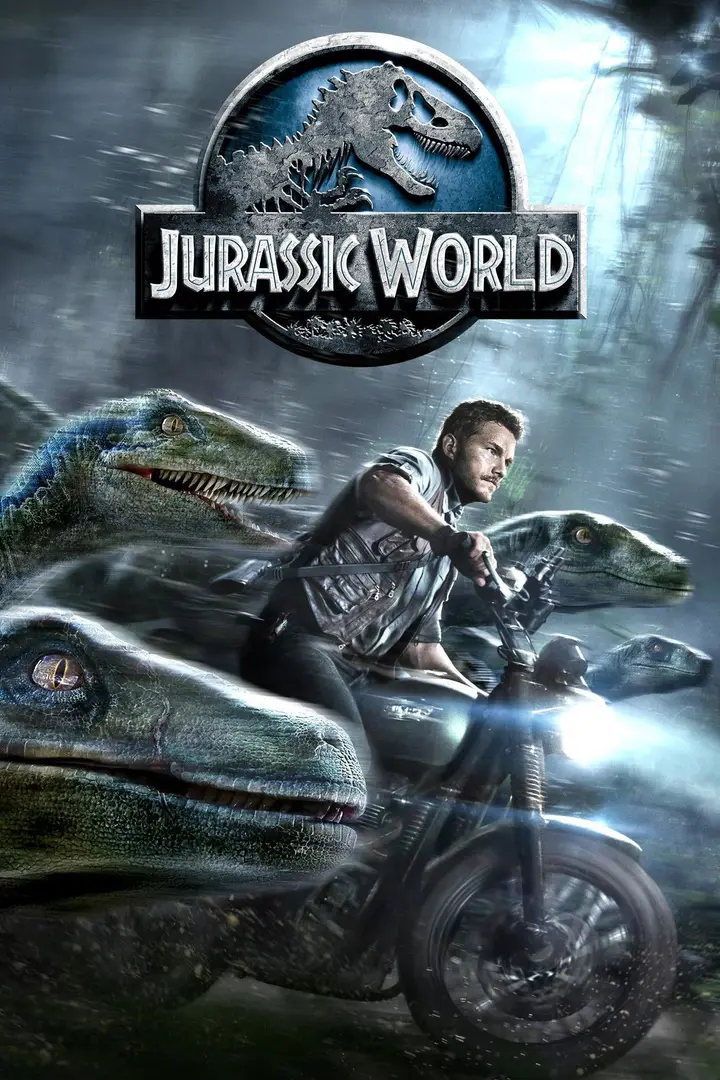
Jurassic World
A thrilling adventure where a world once thought impossible becomes reality, giving a new generation a chance to experience dinosaurs.
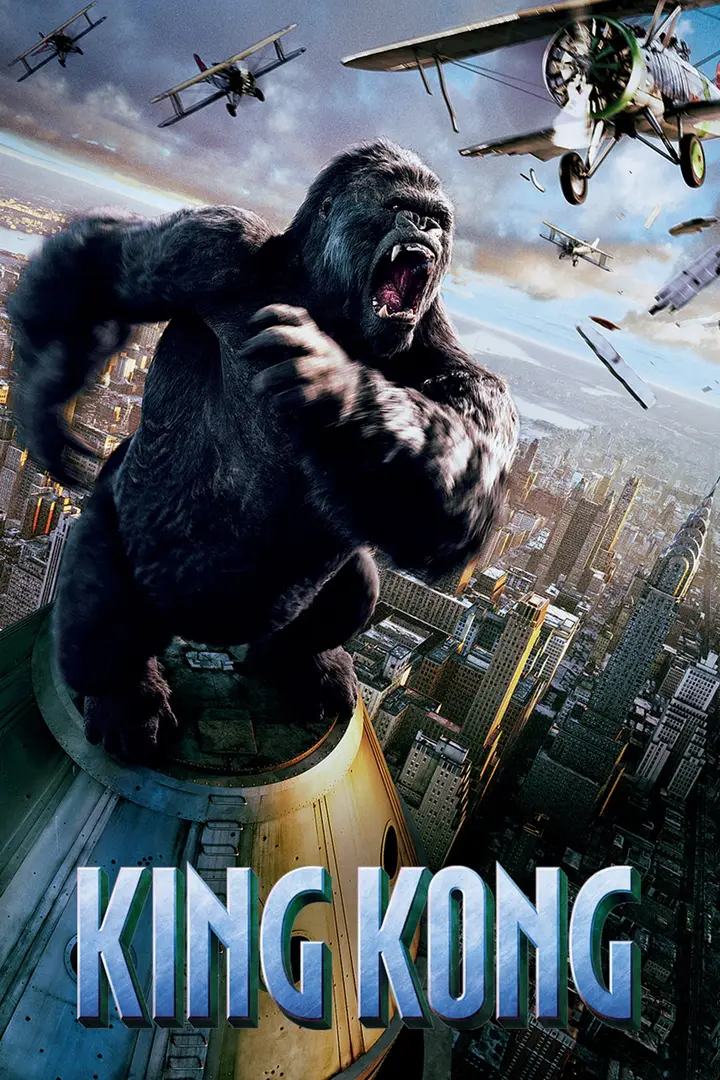
King Kong
An emotional epic adventure of discovery, lost worlds, and a powerful connection that reveals the heart behind a creature misunderstood by humanity.
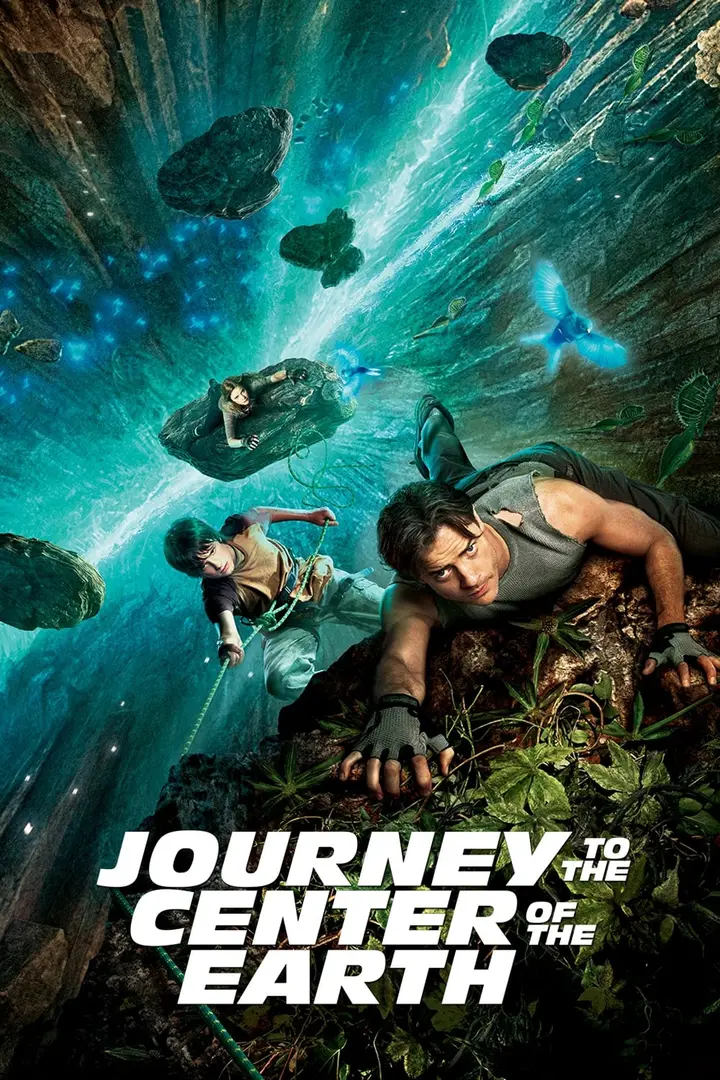
Journey to the Center of the Earth
A thrilling pulp adventure about scientific wonder, family bonds, and the impossible worlds hidden beneath our feet.
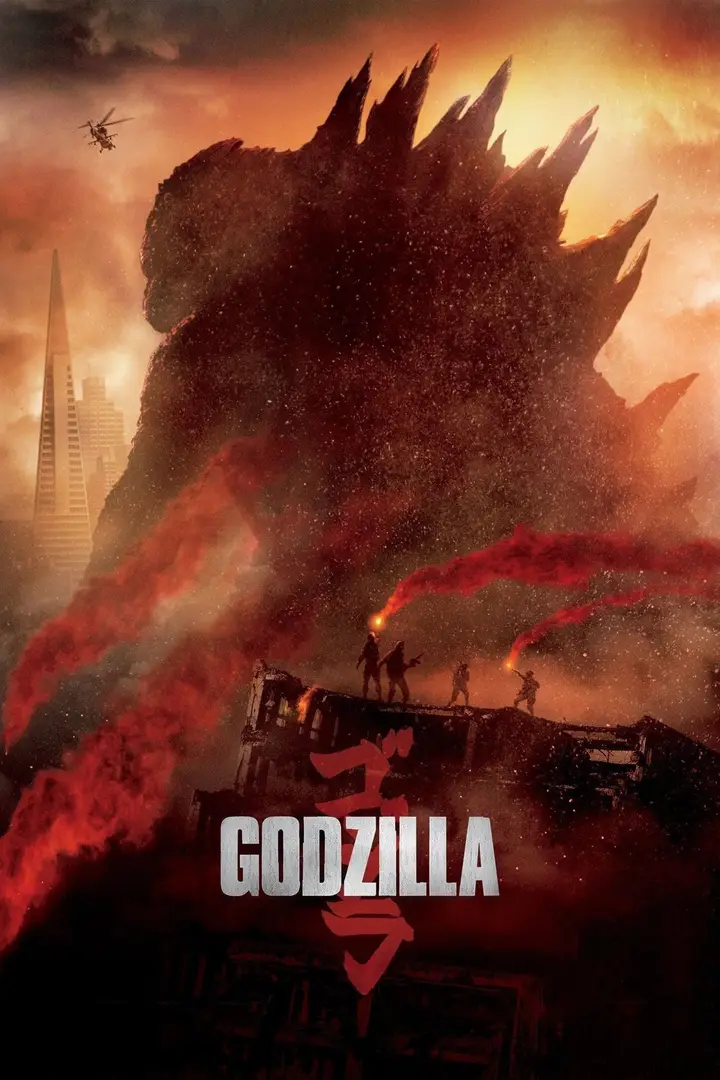
Godzilla
A mysterious science fiction adventure where ancient creatures, hidden worlds, and a forgotten balance reveal a planet far greater than humanity imagined.