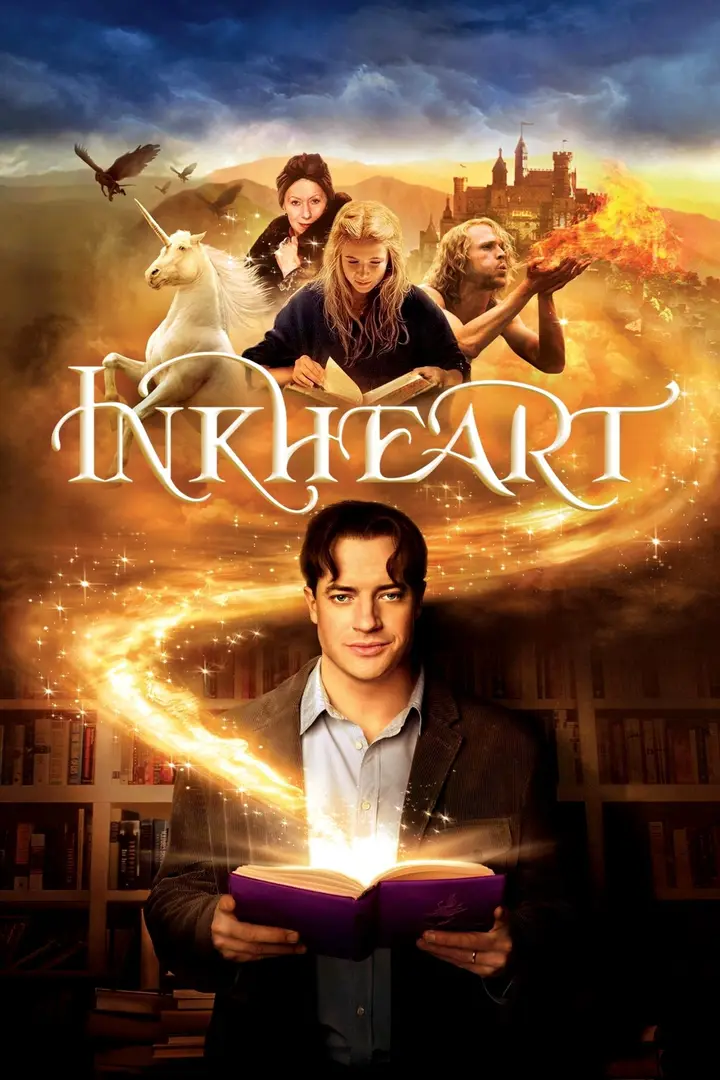
Inkheart
AgeMinimum 8Recommended 9+
An imaginative fantasy adventure of living stories, forgotten worlds, and a family discovering what exists beyond the pages.
When bookbinder Mo Folchart discovers that he can bring characters from books into the real world, his daughter Meg becomes part of an extraordinary adventure. Together, they encounter figures from forgotten stories while searching for a way to protect both their family and the worlds created by imagination.
- Release Year
- 2008
- Runtime
- 106 min
- Studio
- New Line Cinema
- Format
- Live Action
- Mood
- Magical, Playful
- MPAA Rating
- PG
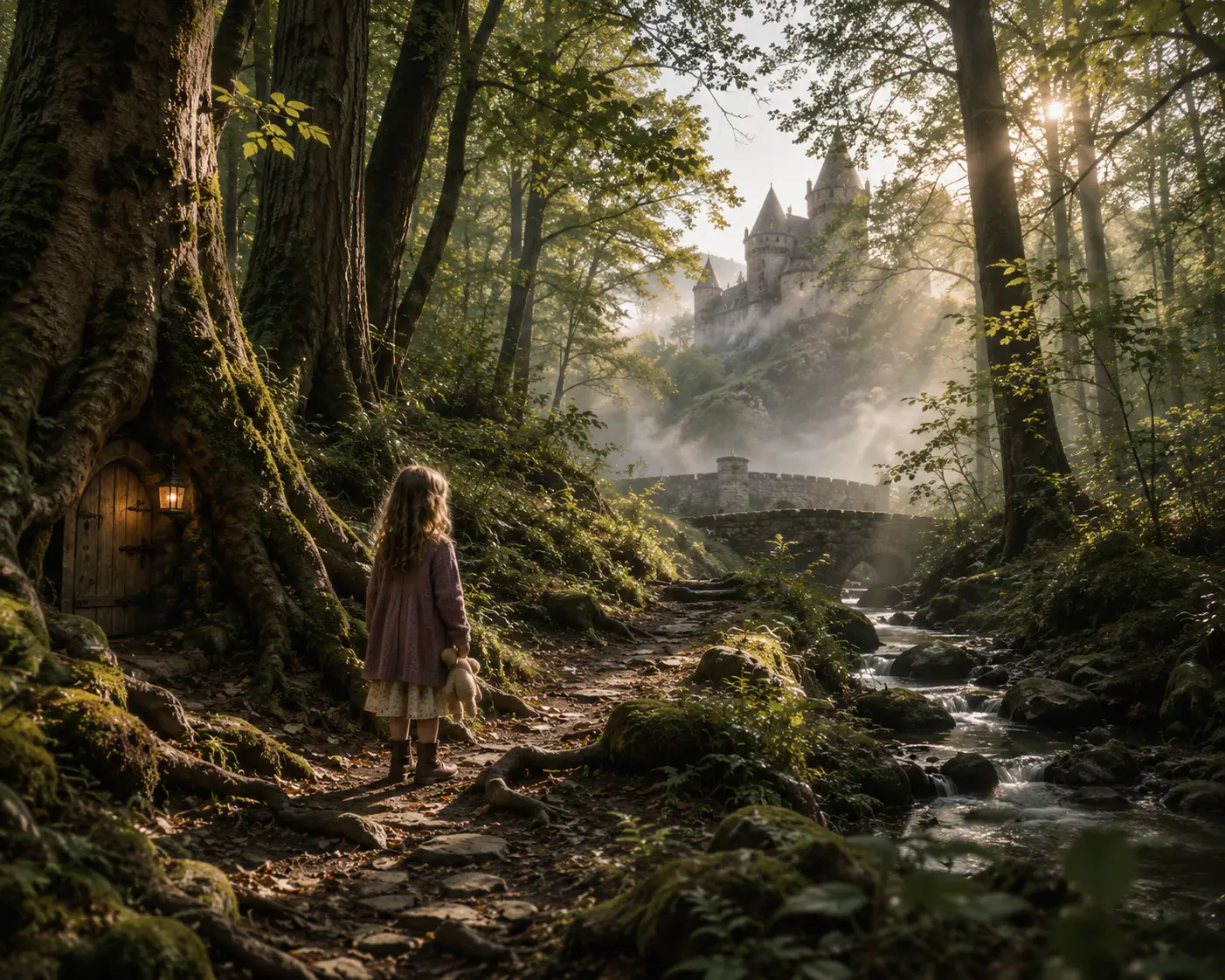
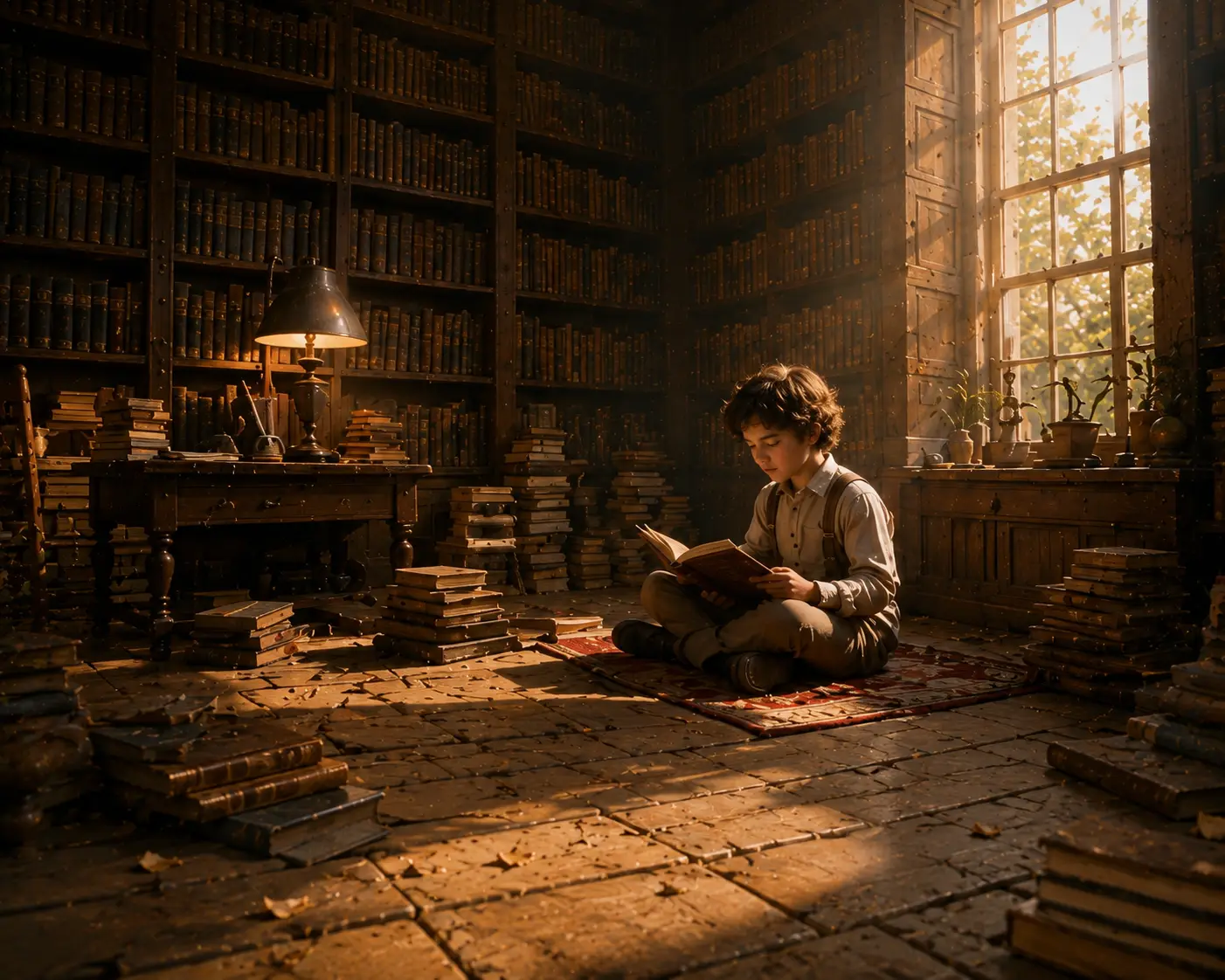
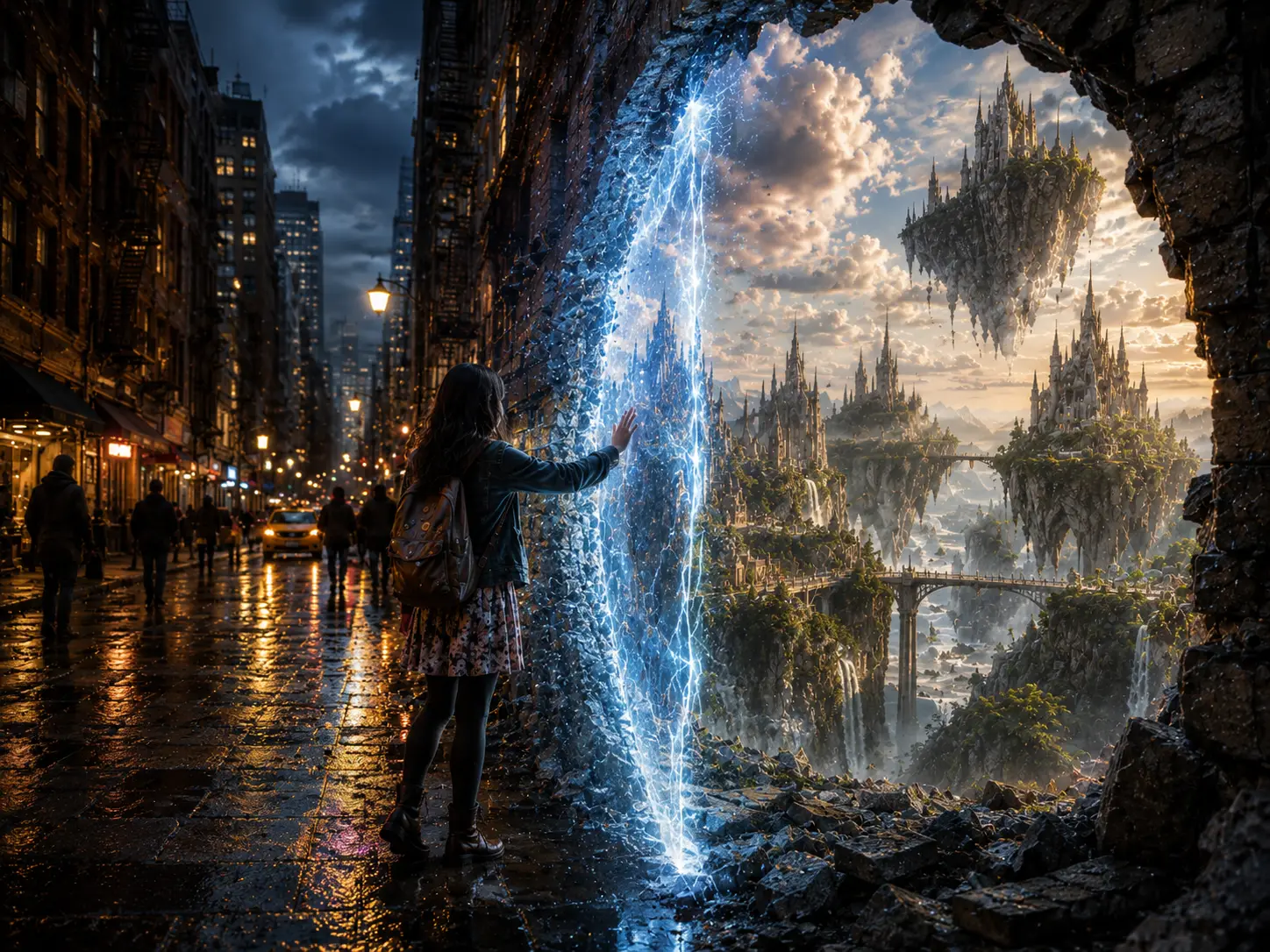
Inkheart transforms the simple act of reading into a doorway between imagination and reality. The story introduces a world where words can become real, allowing characters from books to step beyond their pages and enter the lives of those who read them. The film captures the feeling of opening an old book and discovering that every chapter may contain a story waiting to become real.
At the center of the adventure is the relationship between Mo and Meg. Their journey is not only about Mo’s unusual gift, but also about a father and daughter rebuilding their connection while facing dangers created by the stories themselves. Their bond gives the fantasy world a personal foundation, showing that the most important stories are often the ones shared with the people we love.
Old books, hidden libraries, forgotten manuscripts, and characters pulled from a dozen different tales fill this world to the edges. The contrast between quiet book-filled spaces, historic buildings, and the arrival of fantasy figures gives the adventure its distinctive atmosphere. Every location feels connected to the idea that stories leave traces behind and continue living beyond the pages.
The power of Inkheart comes from its celebration of storytelling itself. Books here genuinely transport people to other worlds, inspiring imagination and connecting generations across the page. The film invites audiences to see reading not only as a pastime, but as an experience where curiosity, adventure, and wonder can begin.
Why It Stands Out
Mo reads a book out loud and accidentally pulls its villain into the real world, along with the quiet realization that some stories were never meant to stay only on the page.
The real cost isn't the villain loose in the world. It's Mo's wife, still trapped inside the book he read her out of existence into.
Parents’ Insight
Stories can help children develop imagination, empathy, and curiosity about people and places beyond their own experience. A book can become a place where young readers discover new ideas, experience unfamiliar worlds, and understand characters whose lives may be very different from their own.
Family bonds can also grow through shared stories and moments of imagination. The worlds we explore together can become part of the memories we create, showing children that reading can be a journey shared with the people closest to them.
Parents’ Guide
What to know before you press play
Six things parents ask about, rated on the same scale for every film and series in the collection.
- Scary intensity
- Mild (2 of 5)
- Violence
- Minimal (1 of 5)
- Language
- Minimal (1 of 5)
- Emotional intensity
- Minimal (1 of 5)
- Sexual content
- None (0 of 5)
- Substance use
- None (0 of 5)
Content notes
- Fantasy villain peril
Questions Parents Ask
What is Inkheart about?
A young girl discovers that her father, a bookbinder, has the rare ability to bring characters out of books simply by reading aloud — a gift that has accidentally trapped her mother inside a novel for years. When a villain from one of the books escapes into the real world, the family must find a way to reverse the magic and bring her mother home.
What age is Inkheart suitable for?
Capricorn and his men threaten families, imprison characters, use fire, and create sustained fantasy danger. Creatures and people move between books and the real world, which can be confusing as well as frightening. Eight is the minimum for children comfortable with fantasy villains. Nine is recommended because the plot depends on Mo's unusual reading gift, Meggie's family history, Dustfinger's motives, and multiple layers of story within story.
Is Inkheart scary?
- Capricorn and armed henchmen
- Fire-eater and magical threats
- Characters imprisoned or pursued
- Graphic gore: limited
Inkheart builds real tension around the villain Capricorn's menace toward Meggie's family, giving this fantasy adventure a slightly darker edge than typical family fare.
Is Inkheart worth watching?
The film's central conceit — characters read out of books into reality — gives this fantasy adventure a genuinely inventive hook for book-loving families. Its strongest moments lean into both the pleasure and the danger of stories becoming tangible, giving the adventure a bookish identity that suits its premise.
What is Inkheart based on?
Inkheart is based on the book Inkheart, written by Cornelia Funke, first published in 2003, the first in her Inkworld trilogy. The film simplifies some of the novel's multi-book magic system since it adapts only the first installment.
Talk About It
Silvertongue Mo accidentally reads Capricorn into reality and Resa into Inkheart.
- Why does Mo refuse to read aloud?
- How does Meggie react to learning his secret?
- Would you read from a dangerous book to rescue family?
- What would you tell Dustfinger before he trusts Capricorn?
- What should Mo explain to Meggie about why fear has kept him from reading aloud and trusting her with the truth about her mother?
- How does Elinor change during captivity?
- How can Meggie respect Mo’s experience with Silvertongue powers while still making her own decisions about using her voice?
- Why can Meggie alter the story?
Turn this film into a ready-to-use class discussion
Use the Teacher Resources already attached to this film. Choose the questions you want, then print, copy or share the result.
Similar Movies
The Pagemaster and The NeverEnding Story are the clearest book-to-adventure companions, but Inkheart reverses the direction by bringing fictional characters into ordinary life. Spiderwick places magic beside the everyday world; The Golden Compass and Narnia build larger fantasy settings.
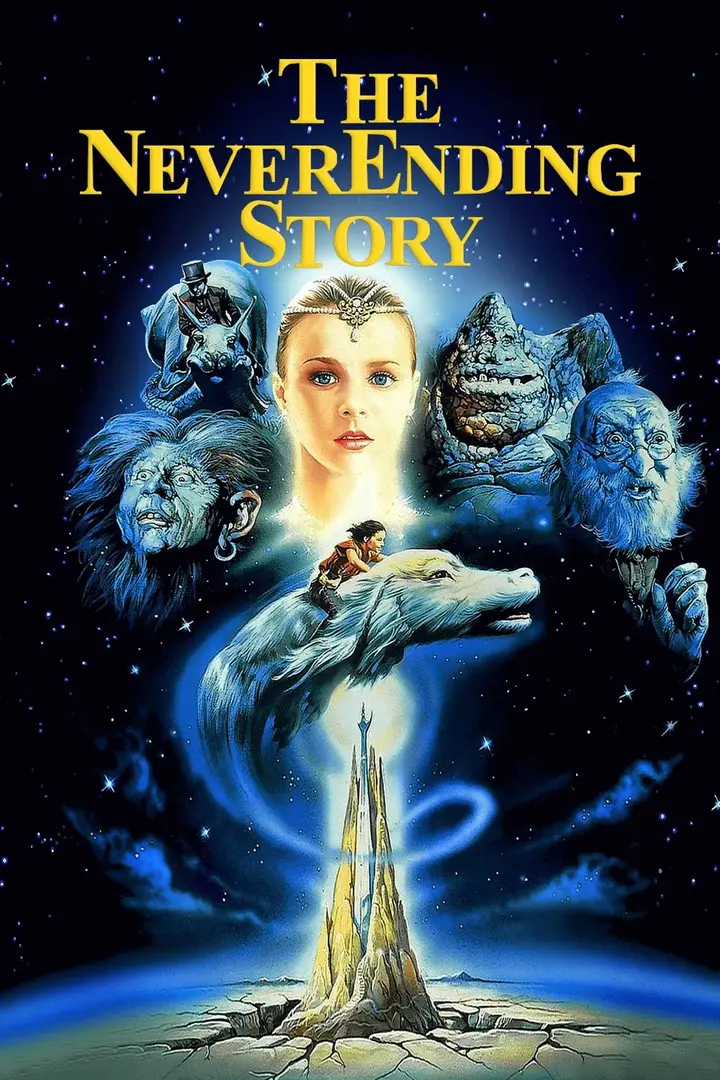
The NeverEnding Story
A fantasy adventure where a lonely boy discovers that imagination can become the force that changes an entire world.
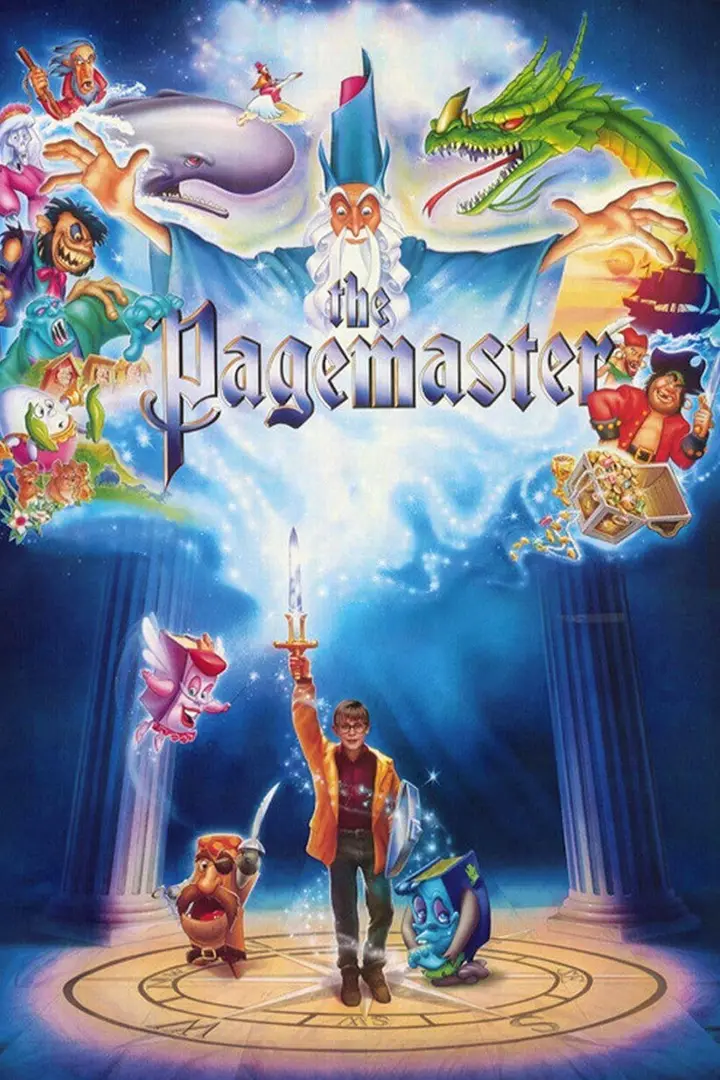
The Pagemaster
A magical adventure filled with living stories, forgotten worlds, and the wonder of discovering what waits beyond the next page.
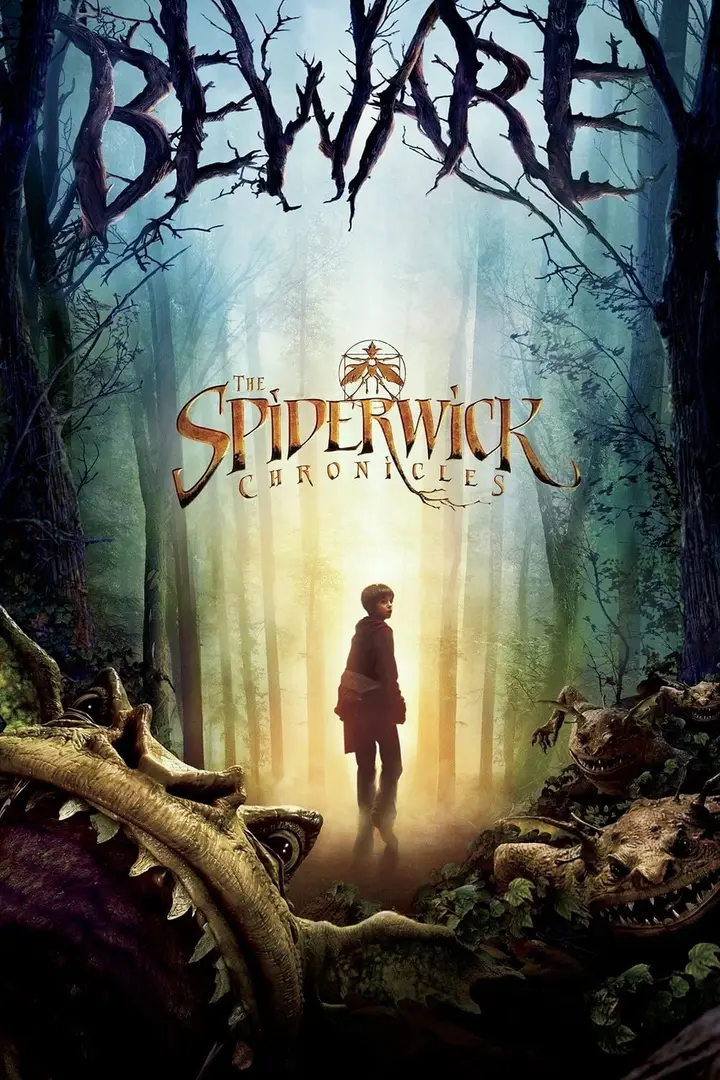
The Spiderwick Chronicles
A darker family fantasy about sibling loyalty, hidden worlds, and the courage it takes to protect the people you love.
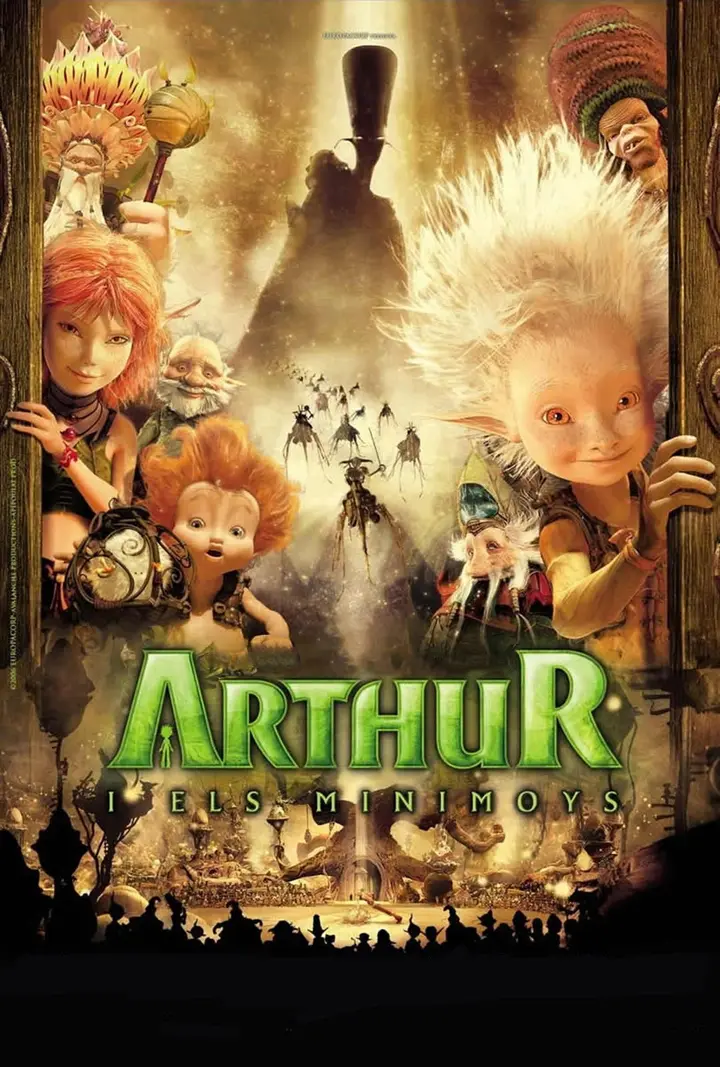
Arthur and the Invisibles
A whimsical fantasy adventure of hidden kingdoms, unlikely friendships, and a young boy discovering courage in an unexpected world.
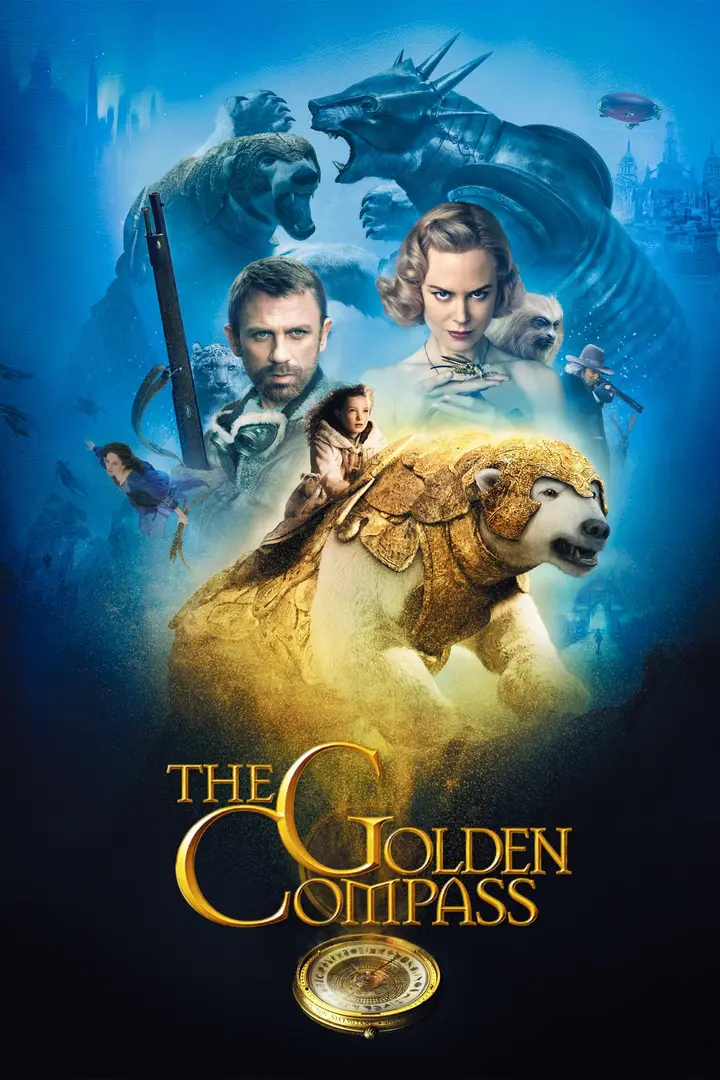
The Golden Compass
A mysterious fantasy adventure of parallel worlds, hidden truths, and a young girl discovering secrets beyond her imagination.
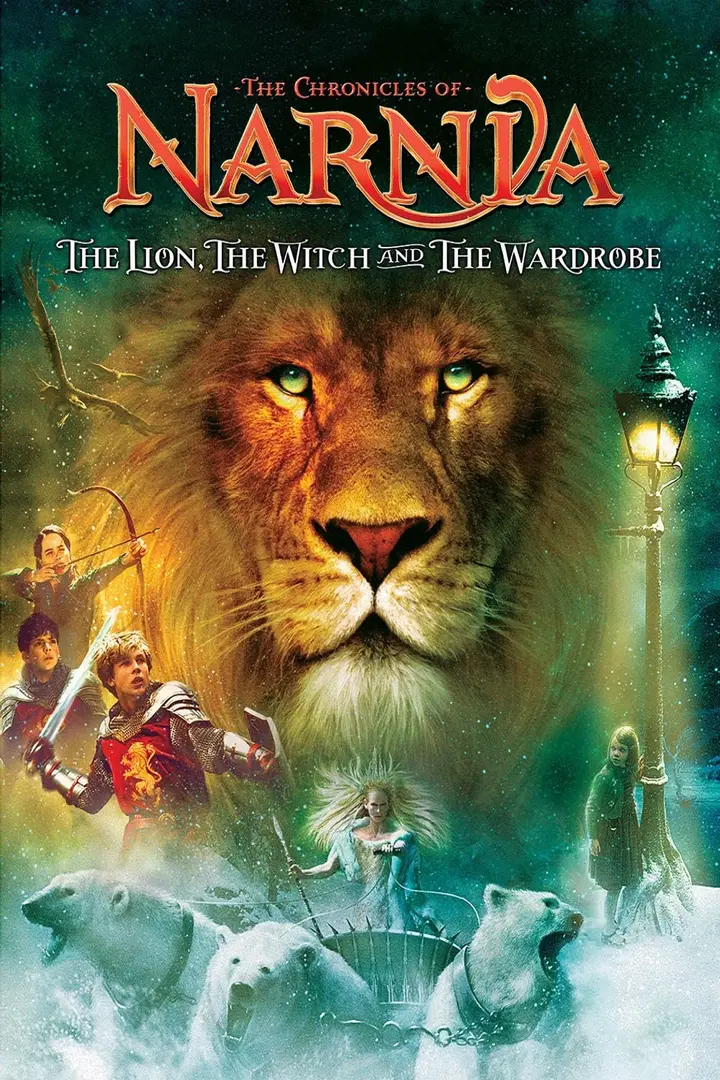
The Chronicles of Narnia: The Lion, the Witch and the Wardrobe
A magical fantasy adventure where four siblings enter a hidden realm of mythical creatures, ancient legends, and a journey that reveals courage beyond imagination.