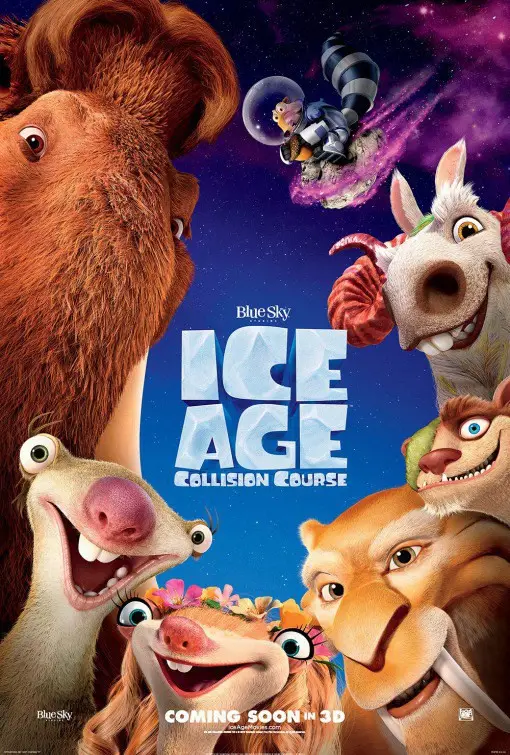
Ice Age: Collision Course
AgeMinimum 6Recommended 6+
A cosmic-scale herd adventure about family bonds holding together even when the whole world seems to be ending.
Trying to bury his acorn, Scrat accidentally activates a frozen flying saucer, which launches him into space and sets off a chain of events that puts thousands of asteroids on a collision course with Earth. Searching for a way to save the planet, the prehistoric herd sets off on a journey to find a solution.
- Release Year
- 2016
- Runtime
- 94 min
- Studio
- Blue Sky Studios
- Format
- CGI Animation
- Mood
- Funny, Epic
- MPAA Rating
- PG
The most unusual idea behind Ice Age: Collision Course is the way it expands a familiar prehistoric world into something much larger. The frozen landscapes, animal characters, and survival setting of the Ice Age universe suddenly connect with cosmic events, astronomical environments, and a threat reaching beyond Earth itself. The film creates a playful contrast between a small world built around survival and a challenge of almost unimaginable scale.
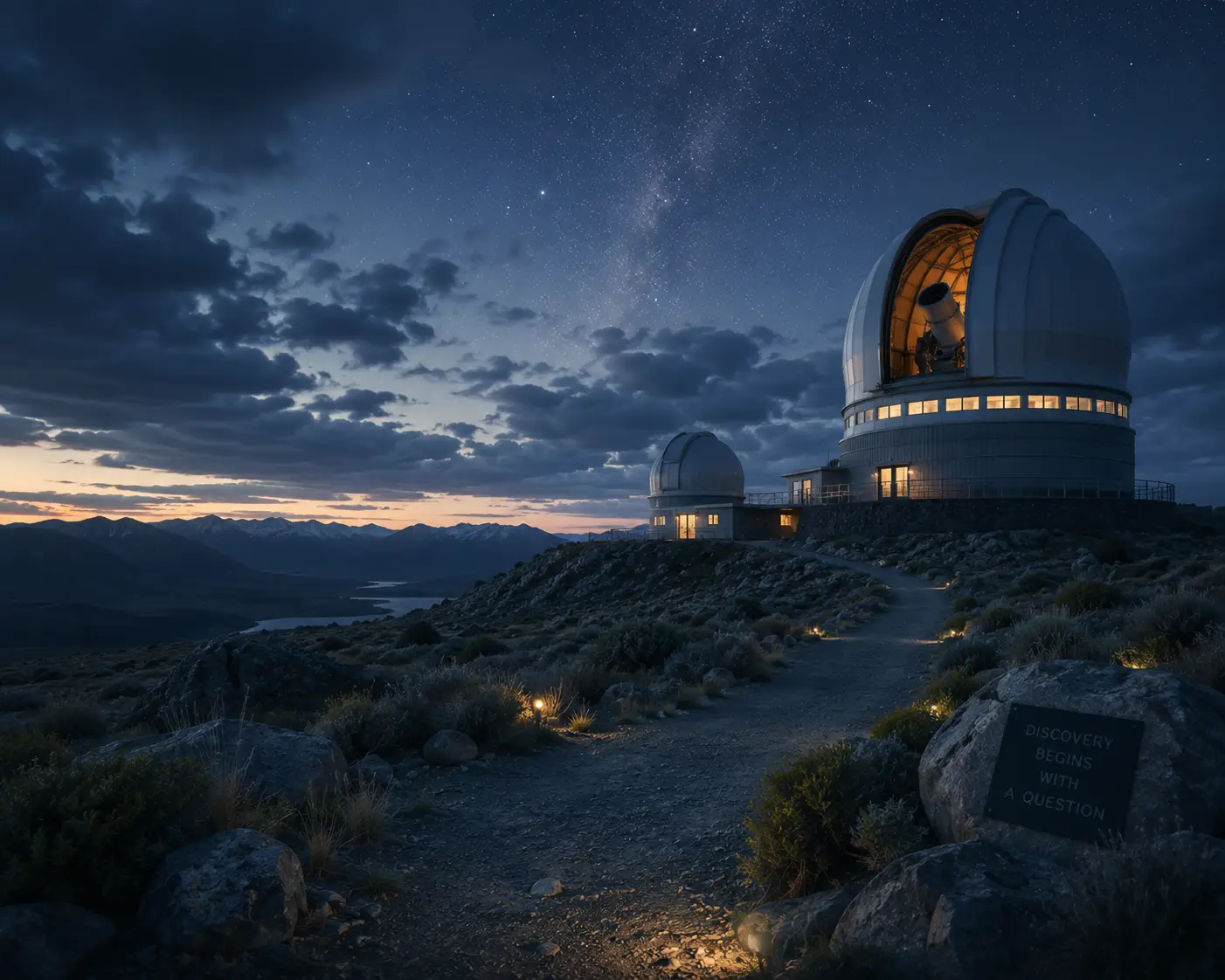
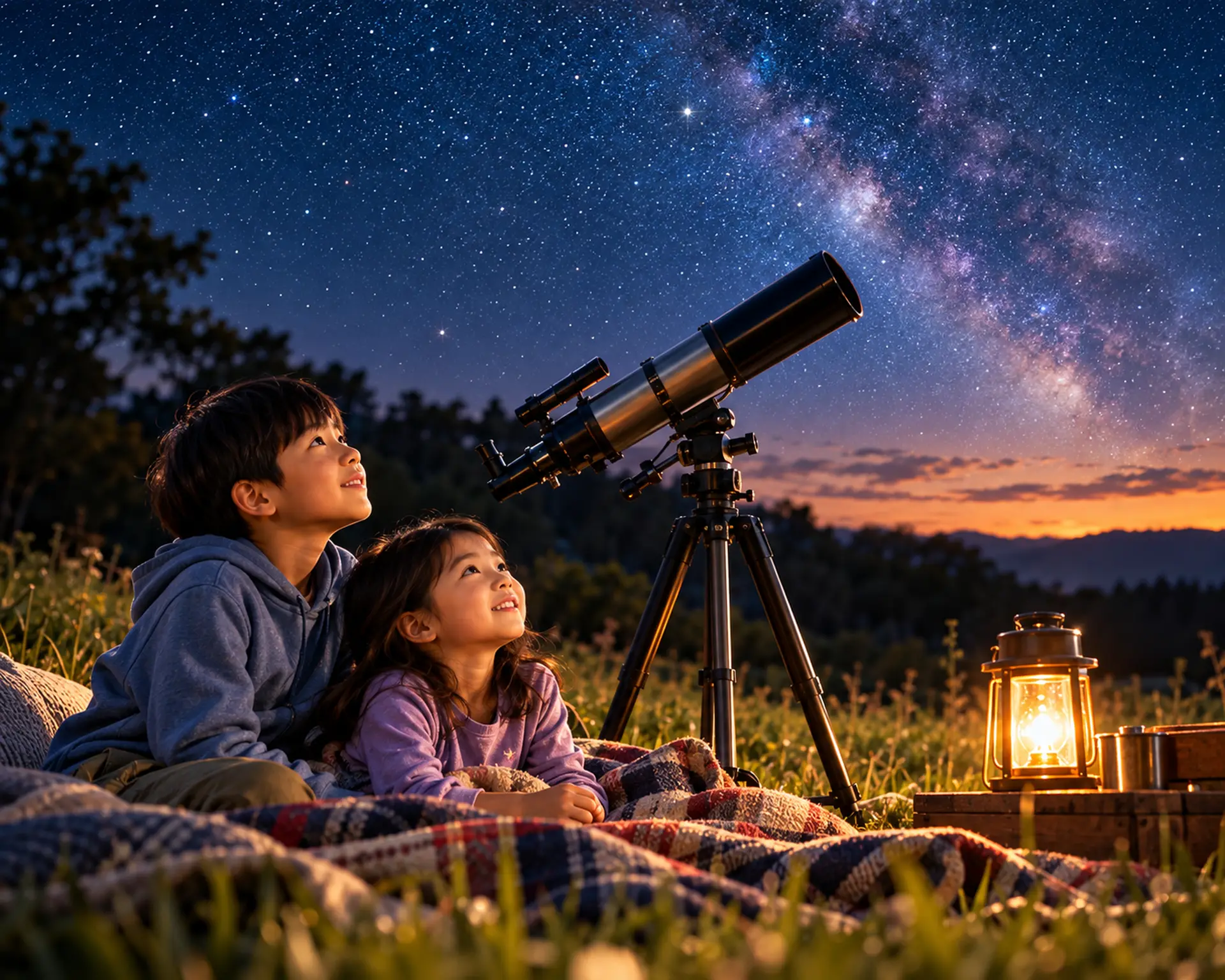
The visual identity of the film comes from combining two very different experiences: the recognizable landscapes of the Ice Age universe and the imagination of a space adventure. Familiar environments are transformed through cosmic phenomena, unusual locations, and science-fiction elements, creating a journey where prehistoric life meets the vastness of the universe.
The film's most memorable achievement is not its emotional storytelling, but its decision to expand the boundaries of an established animated world. By taking a familiar setting and connecting it with events of planetary importance, Ice Age: Collision Course creates a playful exploration of scale, showing how a small world can suddenly face a challenge far beyond anything it has known before.
Why It Stands Out
Collision Course raises its stakes to an entire extinction-level asteroid event, using the franchise's absurd scale-escalation as an excuse to revisit its core cast's relationships one more time.
Parents’ Insight
Even familiar situations can change in unexpected ways. The film can encourage conversations about adaptation, teamwork, and how challenges can require people to see their world from a different perspective.
Parents’ Guide
What to know before you press play
Six things parents ask about, rated on the same scale for every film and series in the collection.
- Scary intensity
- Minimal (1 of 5)
- Violence
- Minimal (1 of 5)
- Language
- Minimal (1 of 5)
- Emotional intensity
- Minimal (1 of 5)
- Sexual content
- None (0 of 5)
- Substance use
- None (0 of 5)
Content notes
- Mild cartoon action peril
Questions Parents Ask
What is Ice Age: Collision Course about?
Trying to bury his acorn, Scrat accidentally activates a frozen flying saucer, which launches him into space and sets off a chain of events that puts thousands of asteroids on a collision course with Earth. Searching for a way to save the planet, the prehistoric herd sets off on a journey to find a solution. When Scrat's search for an acorn accidentally sets off a series of cosmic events threatening all life on Earth, the herd must find a new home before a meteor wipes everything out.
What age is Ice Age: Collision Course suitable for?
Nothing in this entry pushes further than the herd's usual disaster-movie mishaps, so a 6-year-old who can handle it will also enjoy it — no older viewer is needed to get more out of the same jokes.
Is Ice Age: Collision Course scary?
- A rogue meteor threatening the herd's valley home
- Parent preview: optional
The meteor threat stays within the franchise's established comic-disaster register.
Is Ice Age: Collision Course worth watching?
Collision Course raises its stakes to an entire extinction-level asteroid event, using the franchise's absurd scale-escalation as an excuse to revisit its core cast's relationships one more time. The film can encourage conversations about adaptation, teamwork, and how challenges can require people to see their world from a different perspective. The most unusual idea behind Ice Age: Collision Course is the way it expands a familiar prehistoric world into something much larger. The frozen landscapes, animal characters, and survival setting of the Ice Age universe suddenly connect with cosmic events, astronomical environments, and a threat reaching beyond Earth itself. By taking a familiar setting and connecting it with events of planetary importance, Ice Age: Collision Course creates a playful exploration of scale, showing how a small world can suddenly face a challenge far beyond anything it has known before.
What is Ice Age: Collision Course based on?
Ice Age: Collision Course is an original sequel story based on the characters and world introduced in the 2002 film Ice Age. The sequel sends the herd into a comet-strike survival plot, an entirely new scenario invented for this installment.
What order should you watch the Ice Age movies in?
Ice Age: Collision Course is the sixth of the 7 Ice Age movies in release order. Watch it after Ice Age: Continental Drift (2012) and before Ice Age: Adventures of Buck Wild (2022). Release order: 1) Ice Age (2002, best from age 6); 2) Ice Age: The Meltdown (2006, best from age 8); 3) Ice Age: Dawn of the Dinosaurs (2009, best from age 7); 4) Ice Age: A Mammoth Christmas (2011, special, best from age 6); 5) Ice Age: Continental Drift (2012, best from age 8); 6) Ice Age: Collision Course (2016, best from age 6); 7) Ice Age: Adventures of Buck Wild (2022, spin-off, best from age 6). Ice Age: Collision Course is gentler than Ice Age: Continental Drift (best from age 6, compared with 8). The films sit close together in age, from 6 to 8, so a child who enjoys one is usually ready for the others. All 7 have a full parents’ guide in The Family Film Collection.
Talk About It
Scrat’s space accident sends asteroids toward Earth, and the herd follows Buck to Geotopia while Manny struggles with Peaches leaving home.
- Why does Manny distrust Julian?
- How does Peaches respond to protection?
- Would you move your home to avoid disaster?
- What would you tell Buck about the prophecy?
- Why does Shangri Llama resist change?
- How does Brooke view Sid?
- How can Manny support Peaches’s marriage plans while explaining his fear that family change will leave him behind?
- What does Manny need to understand about Julian before treating his optimism as irresponsibility?
Turn this film into a ready-to-use class discussion
Use the Teacher Resources already attached to this film. Choose the questions you want, then print, copy or share the result.
Similar Movies
The Ice Age route runs backward through Continental Drift and Dawn of the Dinosaurs, then further to The Meltdown and the original film. The Croods offers another prehistoric family adapting to change; Madagascar 3 mirrors the comic ensemble-and-belonging energy.
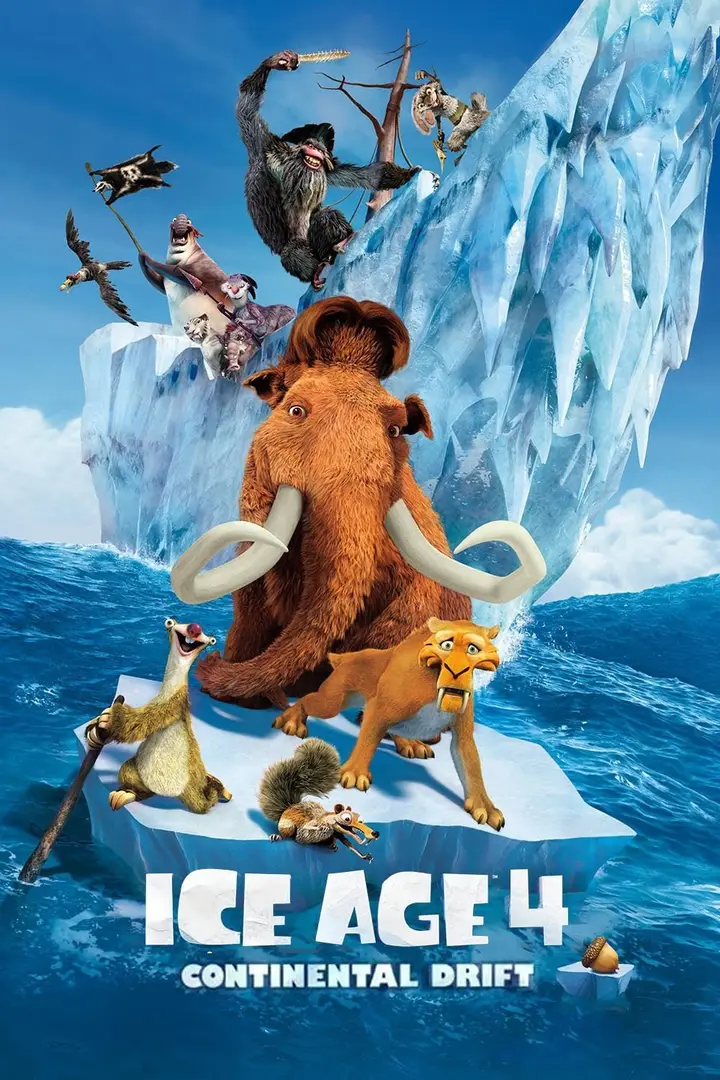
Ice Age: Continental Drift
A continent-splitting adventure about separation, chosen family, and finding your way back to the people who matter.
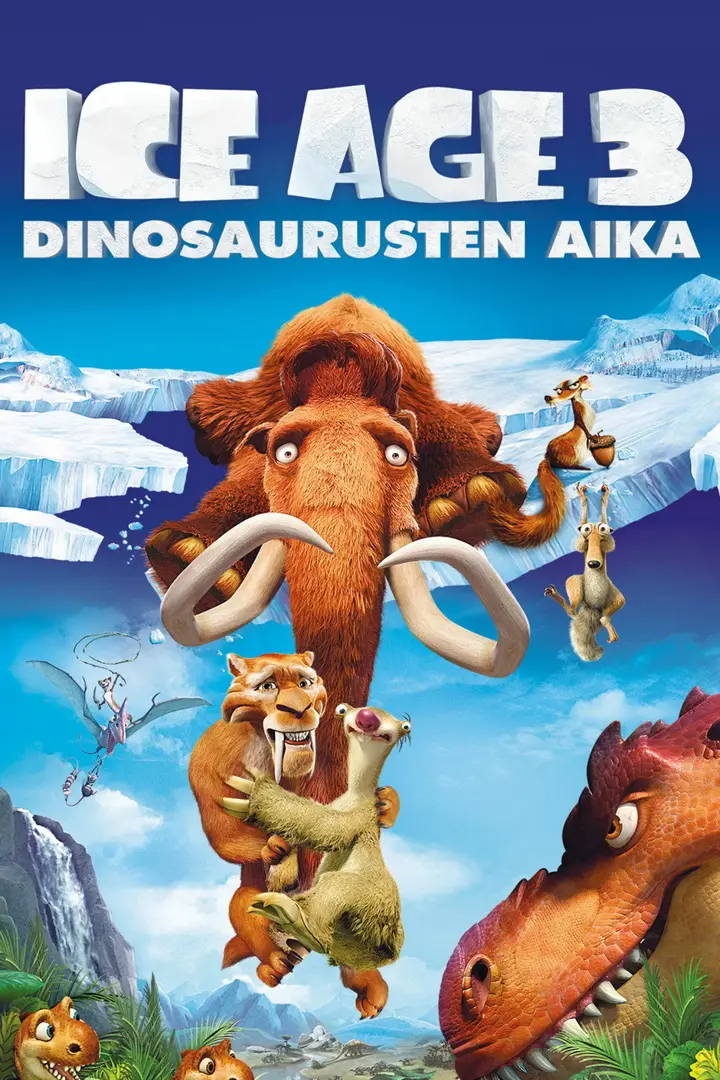
Ice Age: Dawn of the Dinosaurs
A prehistoric adventure about family, chosen and biological, and the fear of becoming irrelevant to the people you love.
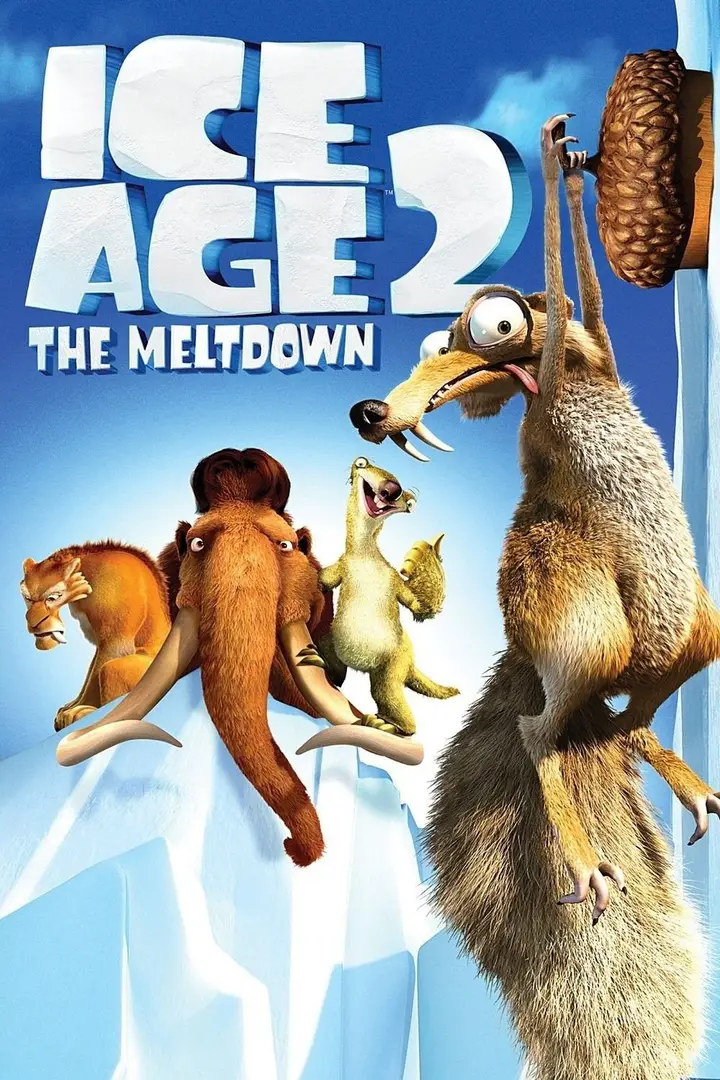
Ice Age: The Meltdown
Melting glaciers, rushing rivers and a mischievous prehistoric herd give this sequel a world in joyful motion.
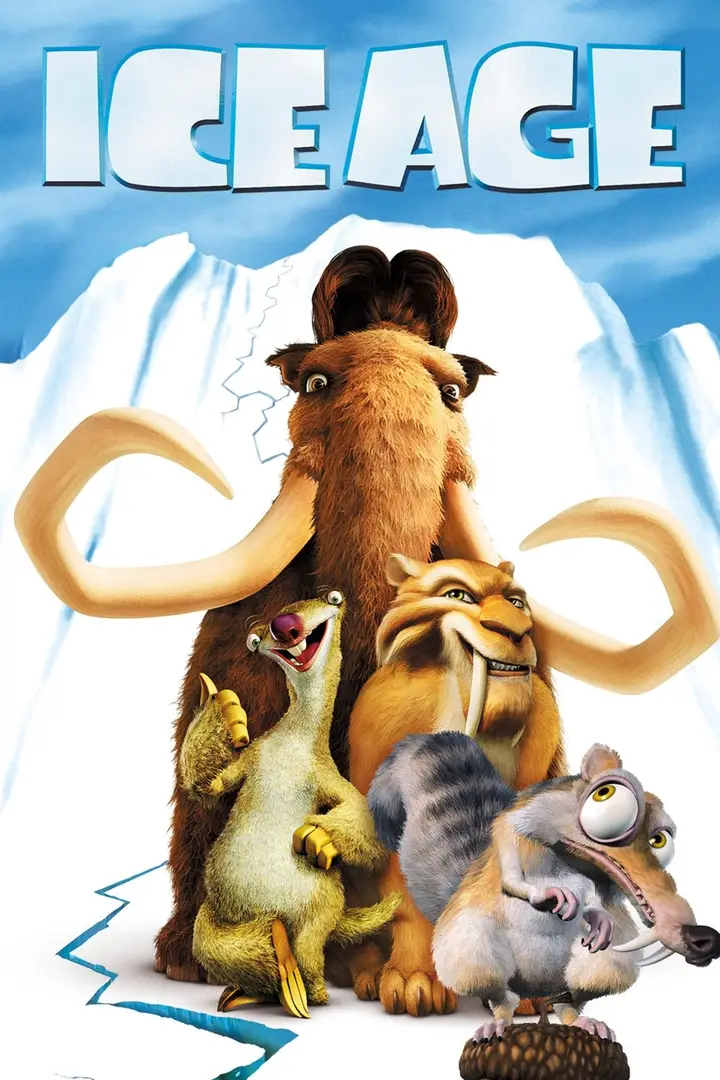
Ice Age
In a world growing colder by the day, an unlikely journey slowly turns strangers into family.
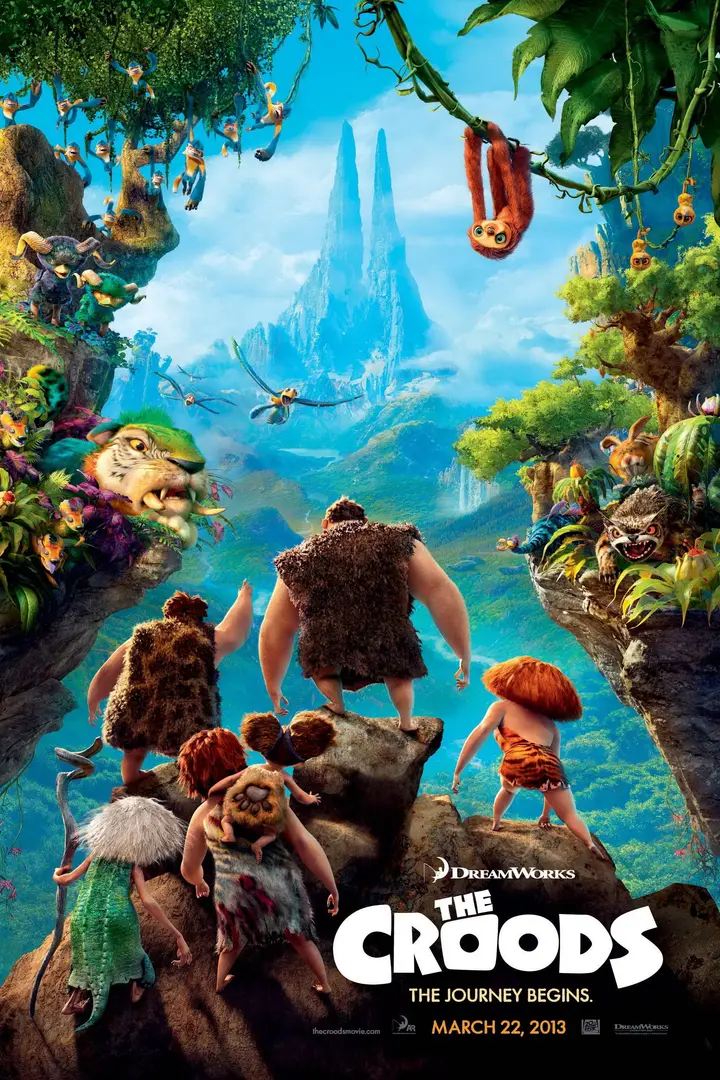
The Croods
Strange creatures, endless horizons, and one family's unforgettable journey beyond the safety of the cave.
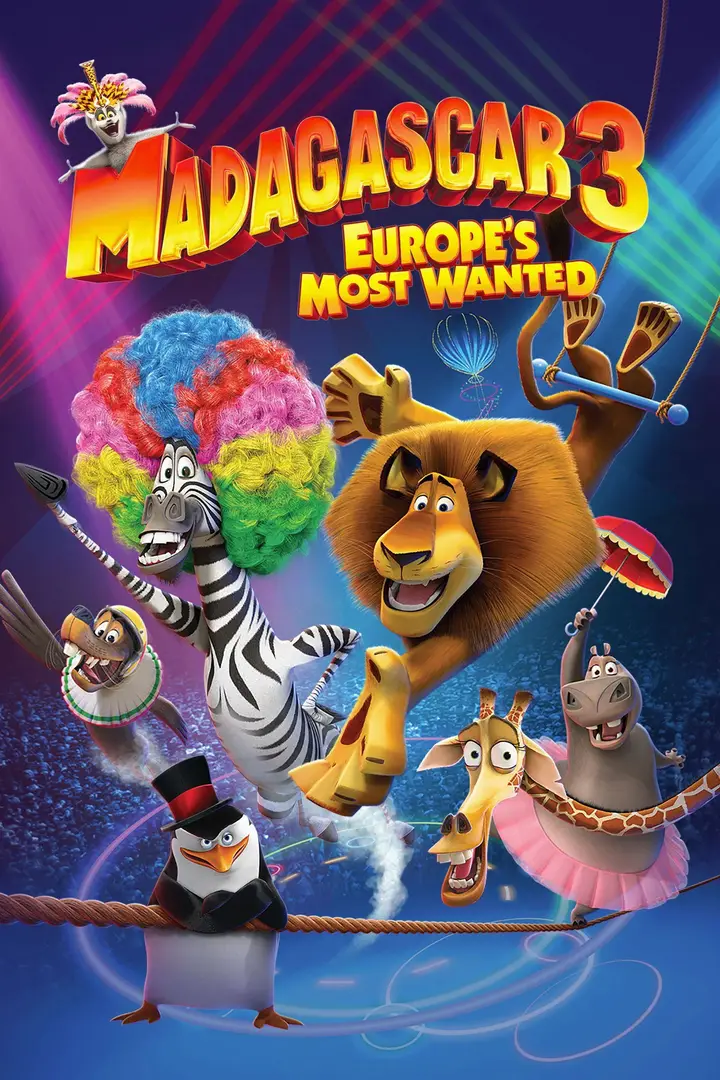
Madagascar 3: Europe's Most Wanted
A circus-bright comedy about found family, performance, and finally finding where you belong.