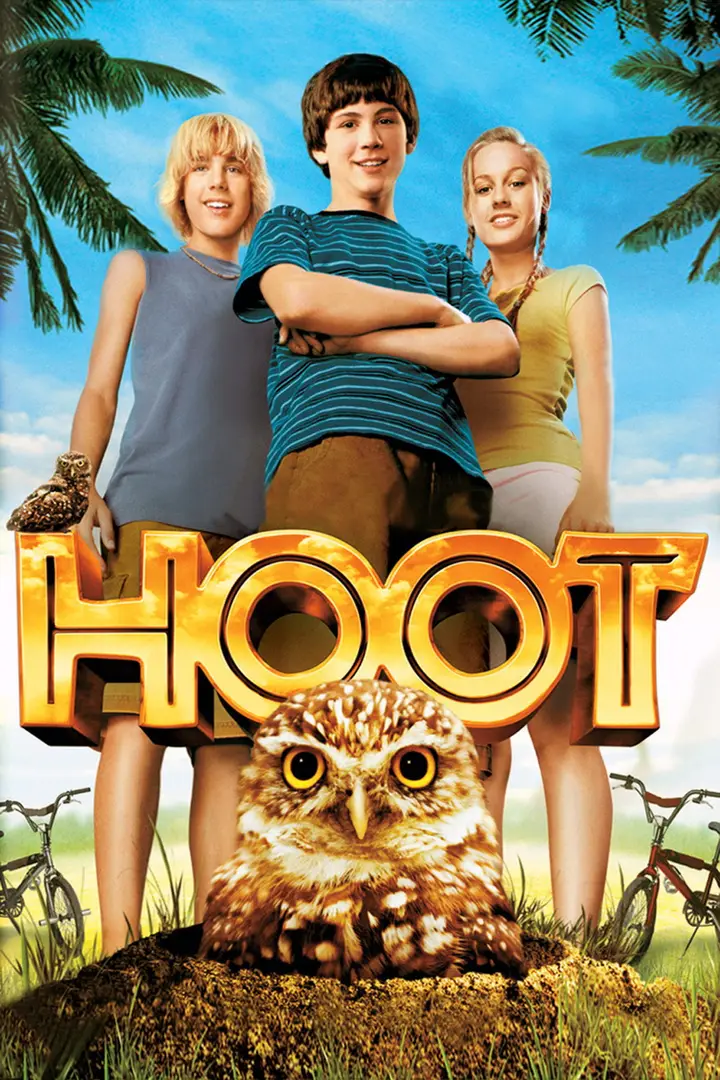
Hoot
AgeMinimum 7Recommended 7+
Sometimes the biggest fight in a new town is standing up for something too small to defend itself.
When Roy Eberhardt moves to a sleepy Florida town, he's drawn into the mysterious world of a barefoot, running boy who seems to be sabotaging a construction site. Roy soon discovers the boy is trying to protect a colony of endangered burrowing owls from being paved over by a new pancake house, and joins the fight to save them.
- Release Year
- 2006
- Runtime
- 91 min
- Studio
- New Line Cinema, Walden Media
- Format
- Live Action
- Genre
- Adventure, Drama
- Mood
- Warm, Playful
- MPAA Rating
- PG
Roy Eberhardt arrives in Florida feeling out of place after moving several times because of his father’s work. His new school environment brings challenges, but his curiosity leads him toward a mystery involving a strange boy, a construction site and a group of tiny owls living nearby.
As Roy learns more about the owls and the threat facing their habitat, the story expands beyond a simple school mystery. Together with Beatrice and Mullet Fingers, he becomes involved in a mission that requires observation, courage and a willingness to stand up for something important.
The film combines environmental adventure, coming-of-age storytelling and mystery through the perspective of young characters discovering the importance of the natural world. The Florida setting creates the atmosphere of the adventure, while the friendships formed along the way become the emotional center of a story about finding your place and realizing that young people can make a difference.
Why It Stands Out
Hoot captures the restless energy of adolescence alongside a genuine environmental cause worth fighting for. Its appeal lies in its quirky Florida setting, offbeat humor, and a message about standing up for what's right, even against powerful odds.
Parents’ Insight
Roy’s journey shows how curiosity can lead children to notice problems that others overlook. The film highlights the value of friendship, responsibility and understanding that even young people can contribute to protecting the world around them.
Parents’ Guide
What to know before you press play
Six things parents ask about, rated on the same scale for every film and series in the collection.
- Scary intensity
- Mild (2 of 5)
- Violence
- Mild (2 of 5)
- Language
- Mild (2 of 5)
- Emotional intensity
- Moderate (3 of 5)
- Sexual content
- None (0 of 5)
- Substance use
- None (0 of 5)
Content notes
- Bullying and physical aggression, bloody dog bite, attack dogs, risky sabotage
Parent guidance
Repeated bullying and physical aggression, a bloody dog bite, attack dogs and traps at a building site, and children carrying out risky, illegal sabotage to protect the owls.
Questions Parents Ask
What age is Hoot suitable for?
Minimum age: 7. Recommended age: 7+. Roy is choked and hit, then punches the bully in self-defence. The children pull stakes, deflate tires, tie up an adult and repeatedly enter a dangerous construction site; mild language appears.
Is Hoot scary?
- Bullying, construction danger, illegal activism and animal-habitat loss create moderate tension
- Graphic violence
Roy is injured during pursuit and repeatedly threatened by a larger student. The owls face destruction from bulldozers, while Mullet Fingers lives apart from an unstable family.
What is Hoot based on?
The film retains Roy, Mullet Fingers, Beatrice and the burrowing-owl construction conflict while condensing events for a 91-minute adaptation.
What is Hoot about?
Roy is bullied after moving to Florida and becomes curious about barefoot runaway Mullet Fingers. Discovering vandalism at a pancake-house site, he chooses a more public campaign to expose hidden environmental evidence.
Is Hoot worth watching?
It is an accessible environmental mystery for older children interested in wildlife, corporate responsibility and youth activism. The contrast between vandalism and evidence-based protest creates useful discussion about lawful change. The tone remains comic, while the threatened owls give the campaign a clear purpose.
Talk About It
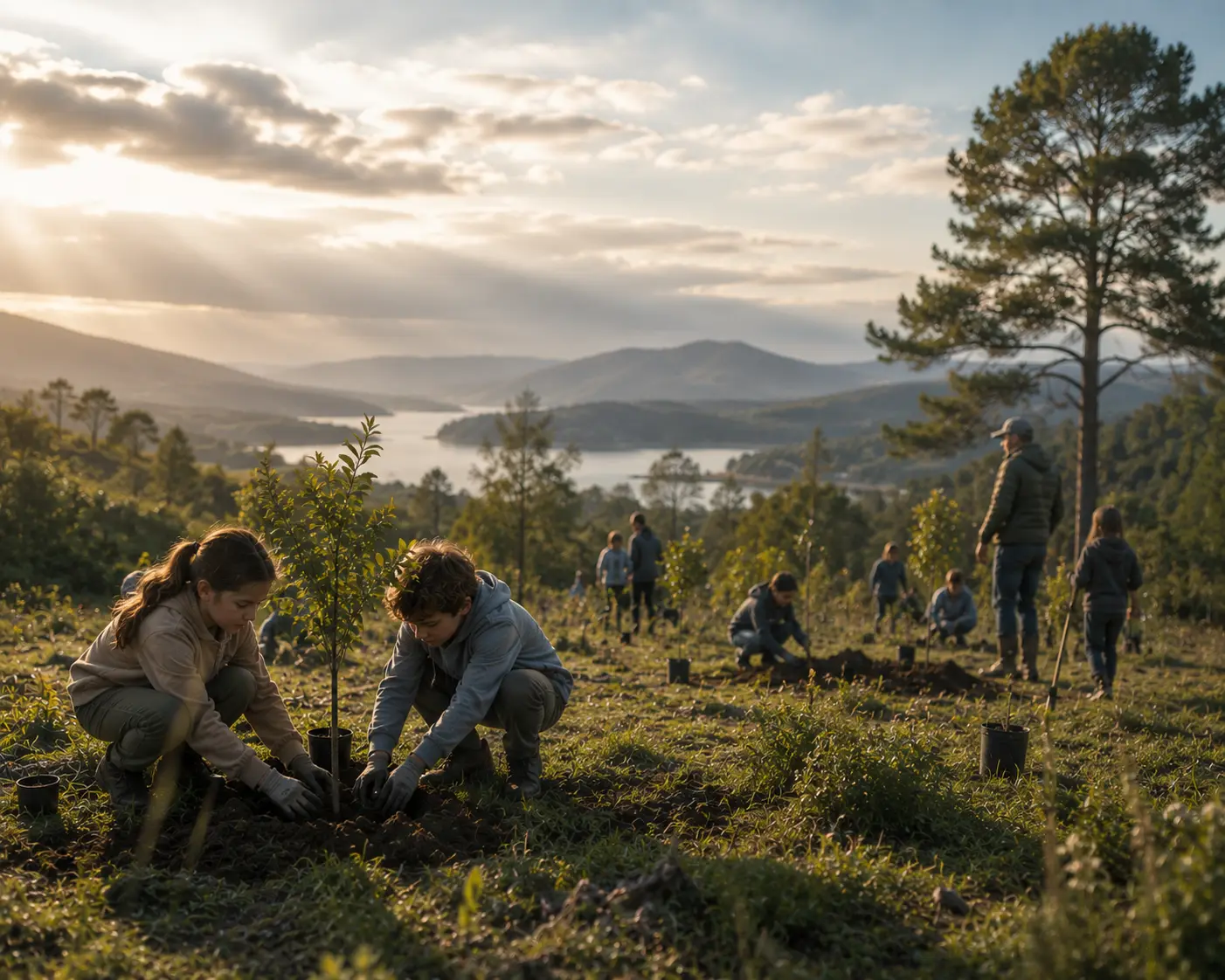
Roy Eberhardt, new in Florida again, sees a boy running barefoot past the school bus and following him leads to a construction site where burrowing owls are living in the ground — invisible, and therefore easy to build over. Use the film to discuss how you protect something people cannot see, and when it is right to break a rule.
- Roy has moved schools repeatedly and starts again in Florida. What is the hardest part of being new?
- Mullet Fingers damages the construction site to stop the building. Was that justified?
- The owls live in burrows in the ground, so the site looks empty. How do you protect something people cannot see?
- Beatrice says things directly and Roy asks questions. Which approach gets further?
- The company had to file an environmental survey and did not do it honestly. Why do rules like that exist?
- Adults in the town mostly want the pancake house. How do you argue with a whole town?
- What is a habitat near you that most people walk past without noticing?
- When is it right to break a rule?
Turn this film into a ready-to-use class discussion
Use the Teacher Resources already attached to this film. Choose the questions you want, then print, copy or share the result.
Similar Movies
Fly Away Home and Dolphin Tale connect care for animals with a larger effort to protect or help them. Oddball and Storm Boy keep responsibility and local nature central, while The One and Only Ivan shifts the conservation impulse toward captivity.
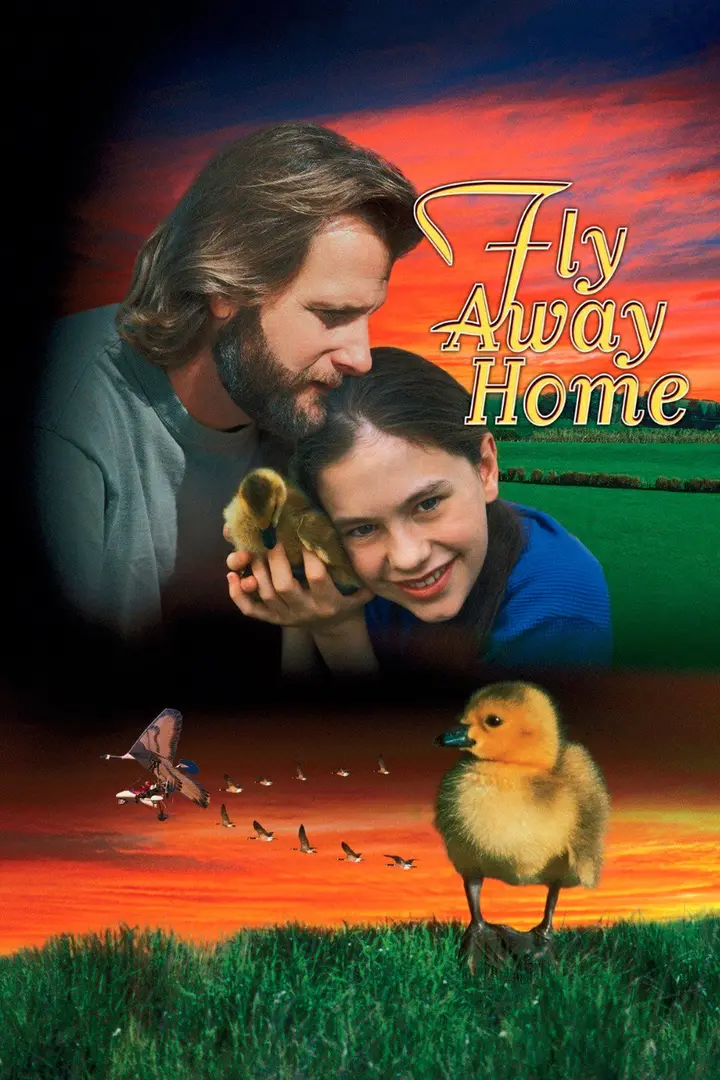
Fly Away Home
A heartfelt nature adventure filled with open skies, wild beauty, and the unforgettable wonder of guiding a journey that seems impossible.
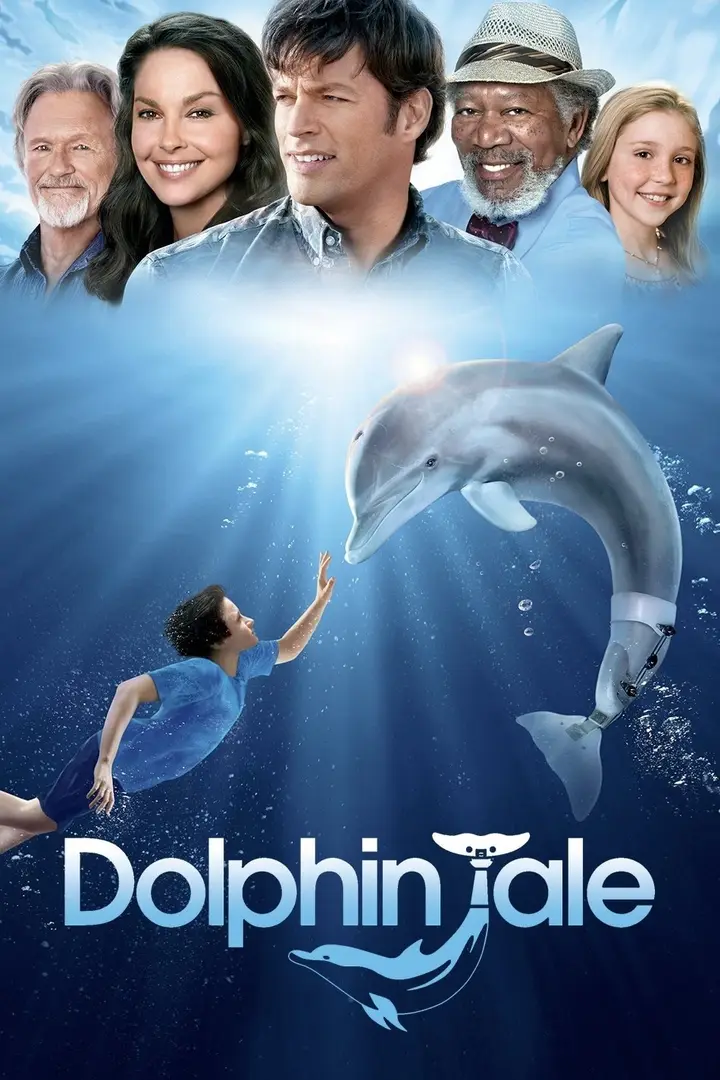
Dolphin Tale
A coastal adventure filled with ocean life, compassion, friendship, and the remarkable journey of a rescued dolphin finding a new way forward.
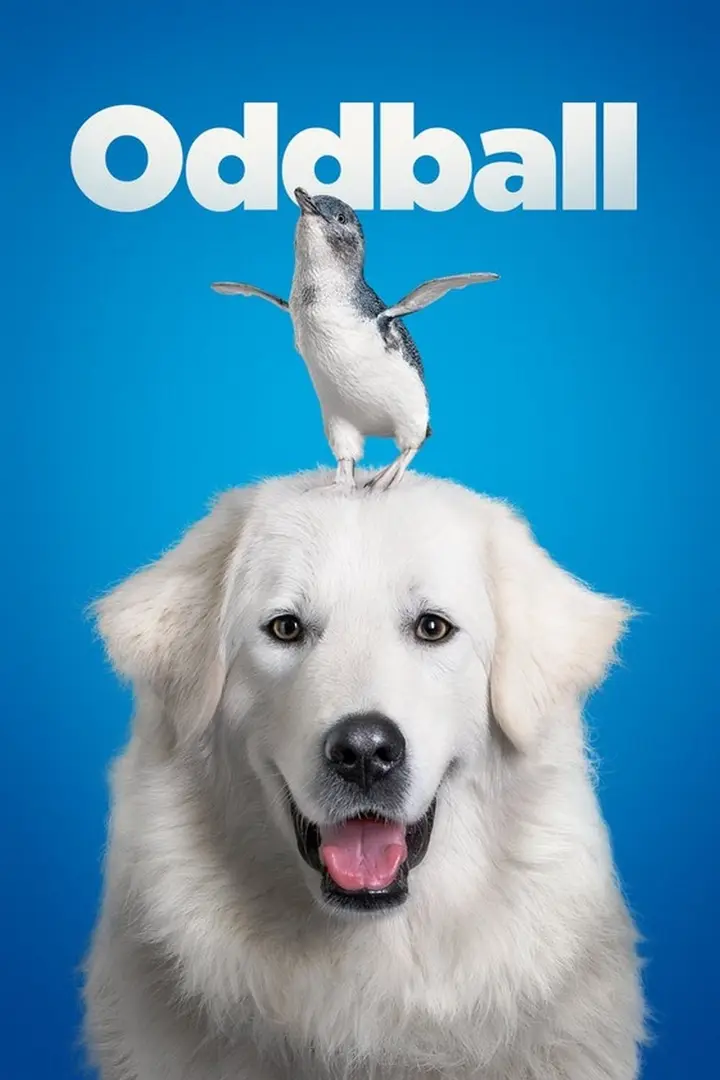
Oddball
An unlikely guardian dog, tiny penguins and Australia's windswept coast give this true-inspired animal adventure its unusual charm.
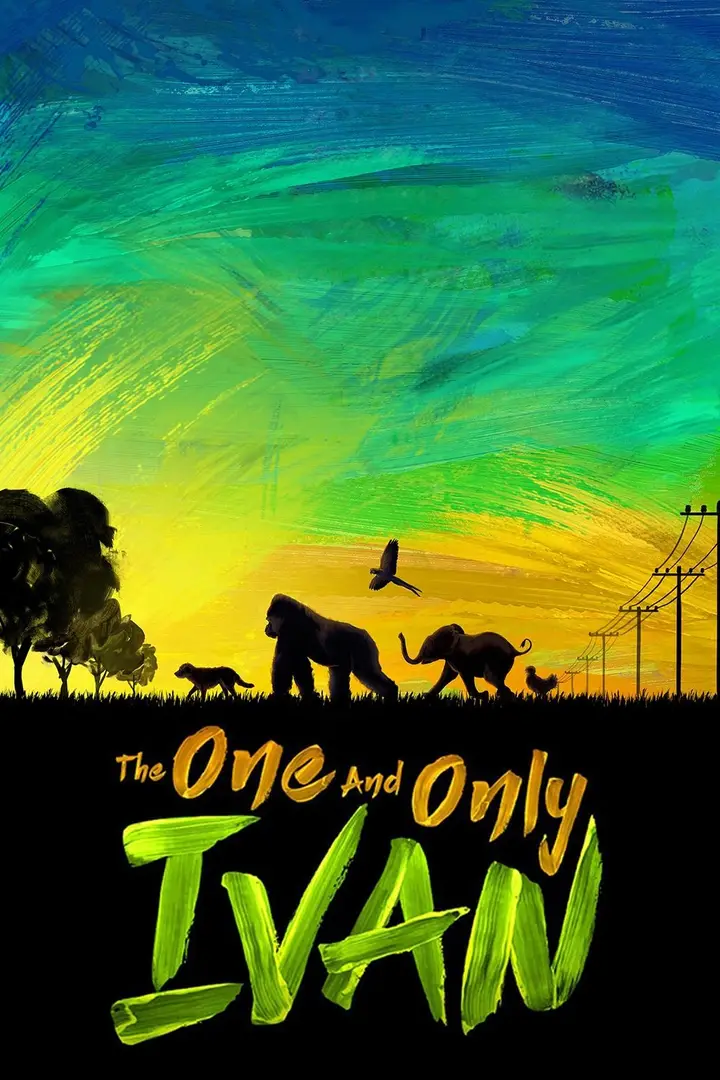
The One and Only Ivan
A quiet, powerful fable about captivity, creativity, and the longing for a life that feels like home.
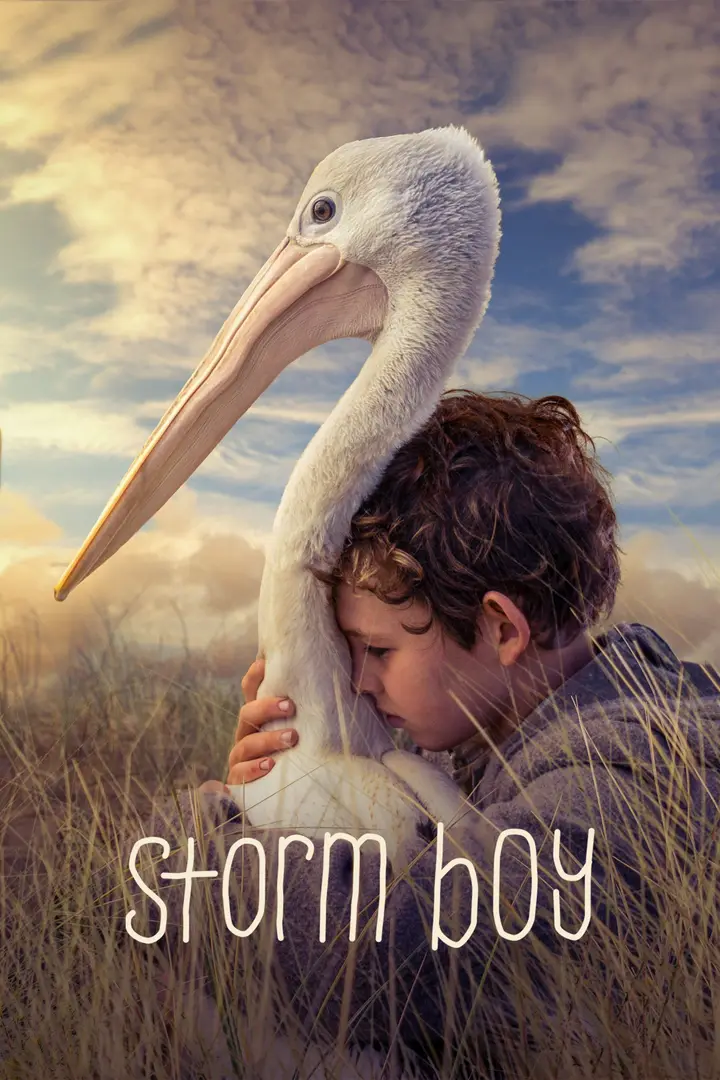
Storm Boy
On a wild stretch of Australian coastline, a chance rescue is about to change everything.
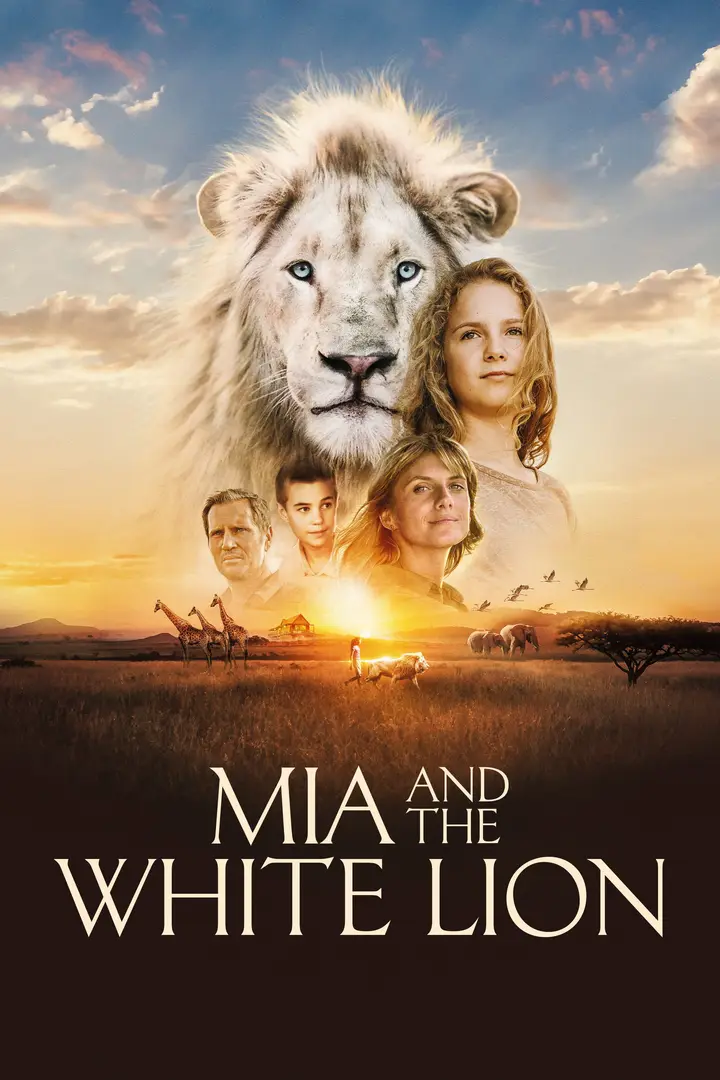
Mia and the White Lion
Sunlit South African landscapes and an extraordinary friendship with a white lion make this an affecting story of love and letting go.