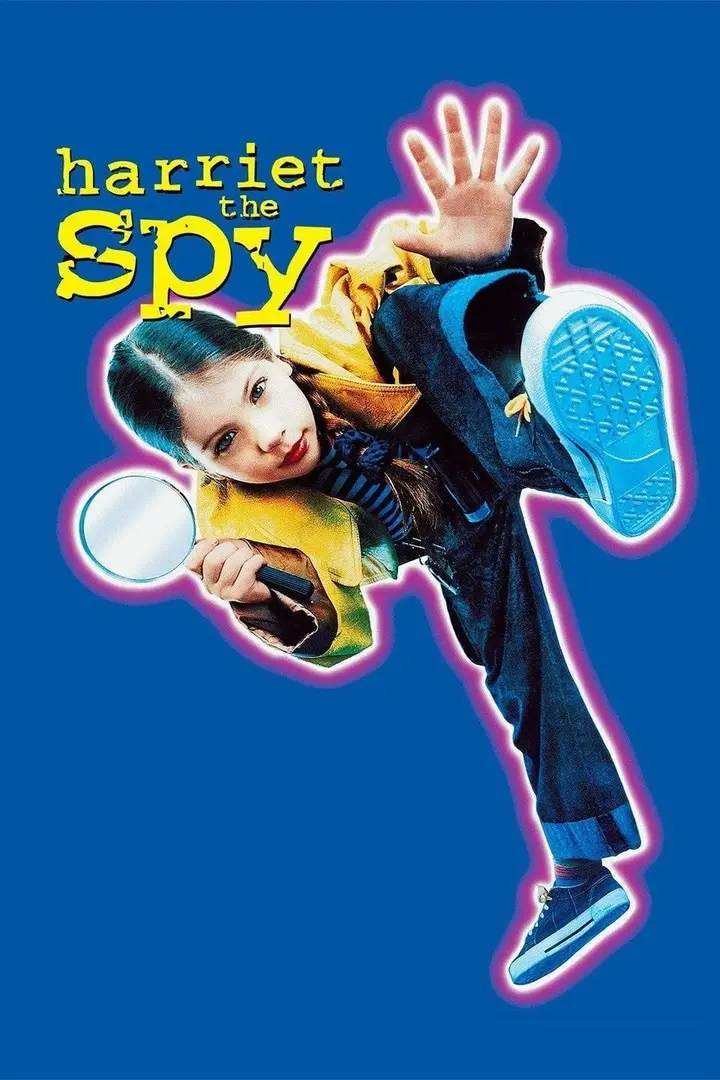
Harriet the Spy
AgeMinimum 8Recommended 8+
New York sidewalks, a secret notebook and the sharp honesty of childhood give this coming-of-age story both its sting and its heart.
Harriet M. Welsch is an imaginative young girl who dreams of becoming a writer and keeps detailed notes about the people and events around her. When her private notebook falls into the hands of her classmates, Harriet must face the consequences of her observations while learning more about friendship, honesty and herself.
- Release Year
- 1996
- Runtime
- 100 min
- Format
- Live Action
- Genre
- Comedy, Drama
- Mood
- Warm, Emotional
- MPAA Rating
- PG
Harriet Welsch studies the world like a reporter, carrying a notebook through New York streets and recording what she notices about neighbors and classmates. Her observations can be perceptive and funny, but she has not considered how her private judgments might affect the people she describes.
When the notebook is read without her permission, friendships at school begin to unravel. Harriet must confront both the violation of her privacy and the consequences of writing unkindly about people she cares about. The incident challenges her assumption that keen observation automatically makes her a good writer.
The city provides a lively backdrop for Harriet's curiosity, from neighborhood streets to the routines of school life. Her growth comes through learning to listen as attentively as she watches. The film connects creativity with responsibility, asking what writers owe to the real people who appear in their stories.
Why It Stands Out
Harriet the Spy offers a grounded childhood story centered on writing, observation and the complicated friendships of growing up. Its appeal comes from Harriet’s distinctive personality, creative perspective and the realistic challenges of learning how to understand both yourself and others.
Parents’ Insight
Harriet’s experience shows that having a strong voice and expressing yourself are important, but so is recognizing how your words affect the people around you. Her journey explores the balance between curiosity, honesty and empathy in friendships.
Parents’ Guide
What to know before you press play
Six things parents ask about, rated on the same scale for every film and series in the collection.
- Scary intensity
- Minimal (1 of 5)
- Violence
- Mild (2 of 5)
- Language
- Minimal (1 of 5)
- Emotional intensity
- Mild (2 of 5)
- Sexual content
- None (0 of 5)
- Substance use
- Minimal (1 of 5)
Content notes
- Family conflict and age-appropriate social themes
Questions Parents Ask
What age is Harriet the Spy suitable for?
Children around age 8 can understand Harriet's responsibility and the pain caused on both sides. Classmates isolate and torment her, Harriet retaliates, adults take her to a psychologist, and the story includes difficult family situations observed during spying.
Is Harriet the Spy scary?
- The social and emotional intensity is substantial. Harriet loses her closest friendships and becomes the target of organized retaliation
- Graphic violence
The notebook's exposure leads to insults, cruel tricks, isolation and angry behavior from Harriet. Her separation from Ole Golly and the breakdown of trust may be especially upsetting to children facing friendship problems.
What is Harriet the Spy based on?
The film retains Harriet, her notebook, Ole Golly and the classmates' discovery while updating the setting and changing some details. Its central conflict about observation and responsibility comes directly from the book.
What is Harriet the Spy about?
Harriet secretly watches neighbors and records everything she thinks, encouraged by her nanny Ole Golly to become a writer. When classmates read the notebook, friendship turns into humiliation and retaliation, forcing Harriet to confront honesty, privacy and the harm caused by careless words.
Is Harriet the Spy worth watching?
It is a thoughtful coming-of-age film for older children interested in writing, individuality and the ethics of observing other people. Harriet is flawed rather than idealized, which gives families useful material about privacy, apology and truthful writing without cruelty. The peer conflict can feel mean-spirited, but it makes the consequences of her choices clear.
Talk About It
Harriet M. Welsch walks the same route through her New York neighborhood every day, watching the same households and writing down exactly what she thinks of everyone — including her friends. Then her classmates read the notebook. Use the film to discuss the difference between watching someone and understanding them, and what a writer owes the people they write about.
- Harriet writes down private things about people who have not agreed to it. Is that spying, or is it research?
- Her classmates read the notebook and turn on her. Was their reaction fair?
- Harriet's notes are honest and unkind at the same time. Can something be both?
- She walks the same route every day watching the same households. Would you find that interesting or boring?
- Harriet does not want to say sorry. What is she holding on to?
- Do you keep a notebook, diary or notes app? Would you mind someone else reading it?
- Harriet notices things other people miss. What is the most interesting thing you have noticed lately?
- What is the difference between watching someone and understanding them?
Turn this film into a ready-to-use class discussion
Use the Teacher Resources already attached to this film. Choose the questions you want, then print, copy or share the result.
Similar Movies
Nancy Drew and Enola Holmes take a young girl's independence into mystery-solving and investigation. Ramona and Beezus and The Princess Diaries stay closer to everyday identity and growing up; at the same time, Little Manhattan introduces a more intimate first-person view of young self-discovery.
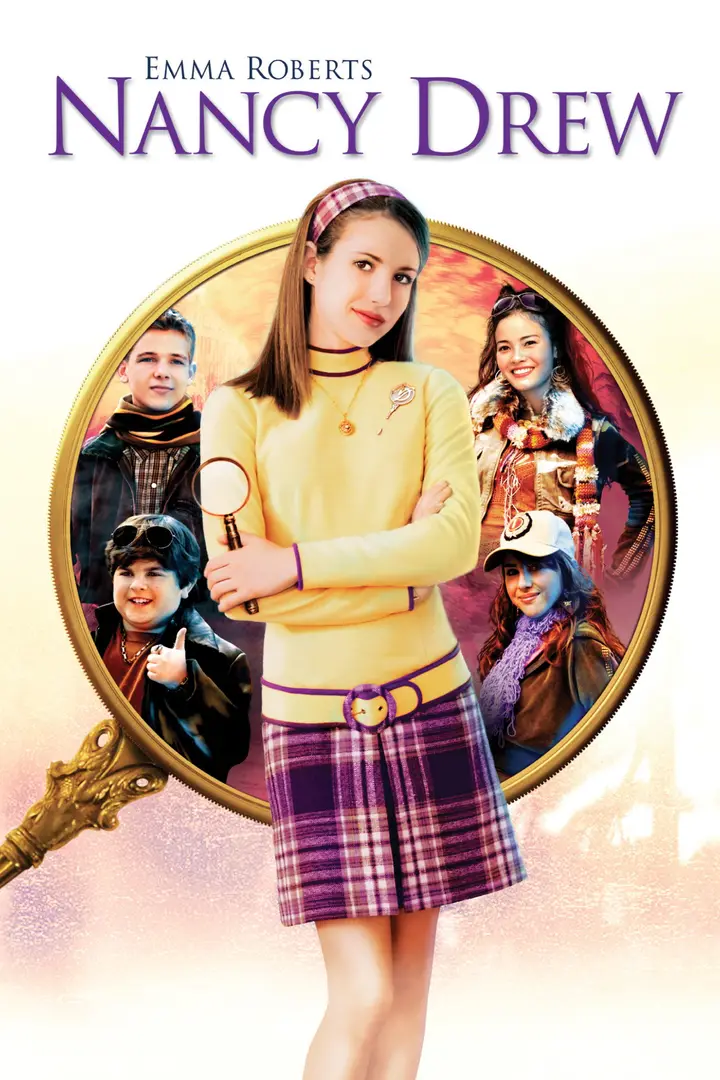
Nancy Drew
A charming mystery adventure filled with clever clues, small-town curiosity, and the thrill of solving secrets hiding in plain sight.

Enola Holmes
A Victorian mystery of hidden messages and secret paths, and a girl discovering a world beyond everything she was taught to expect.
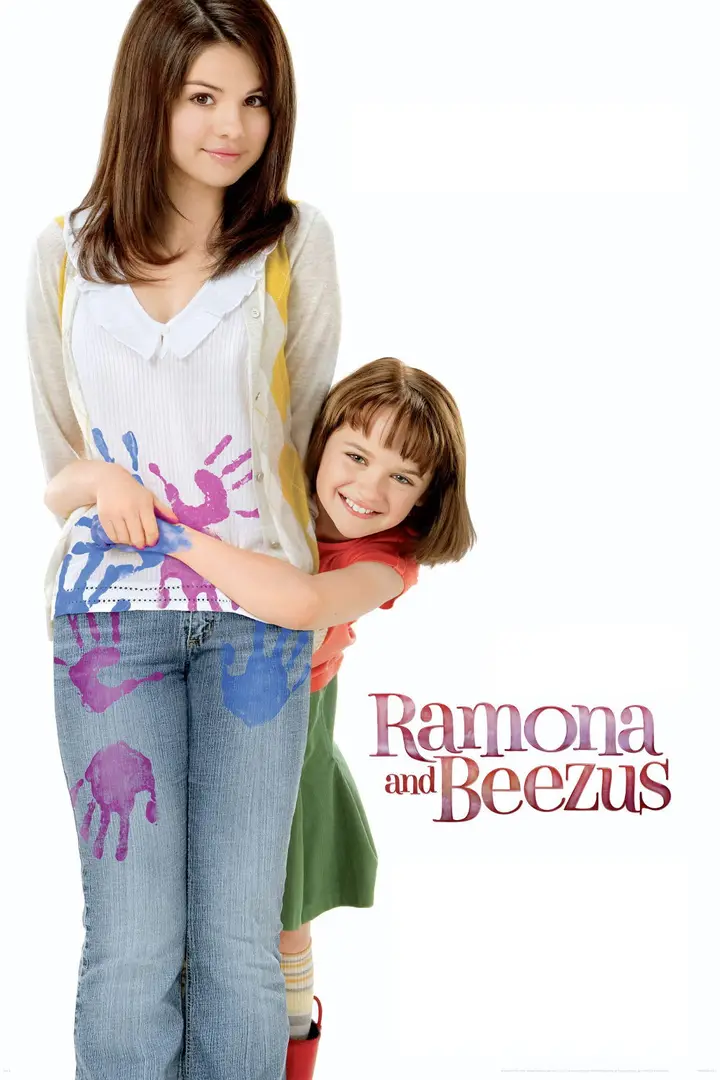
Ramona and Beezus
A warm family adventure where Ramona's imagination turns everyday challenges into moments of laughter, discovery, and connection.
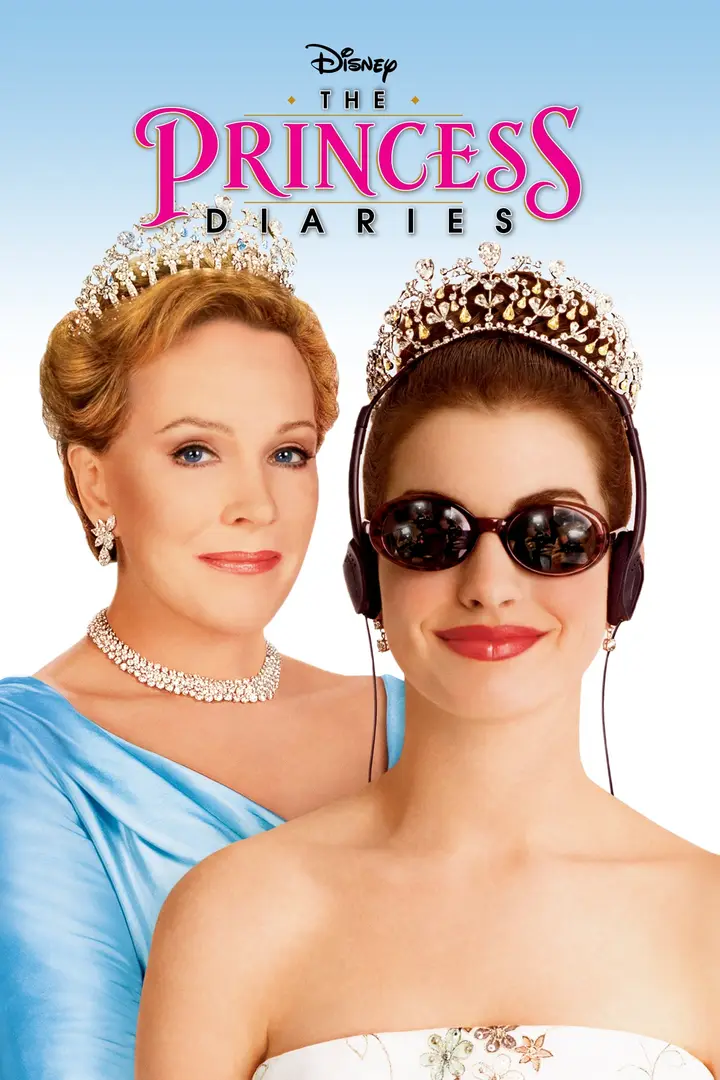
The Princess Diaries
A teenage fairy tale of San Francisco school life, royal lessons, and a shy girl learning her ordinary world has a crown inside it.
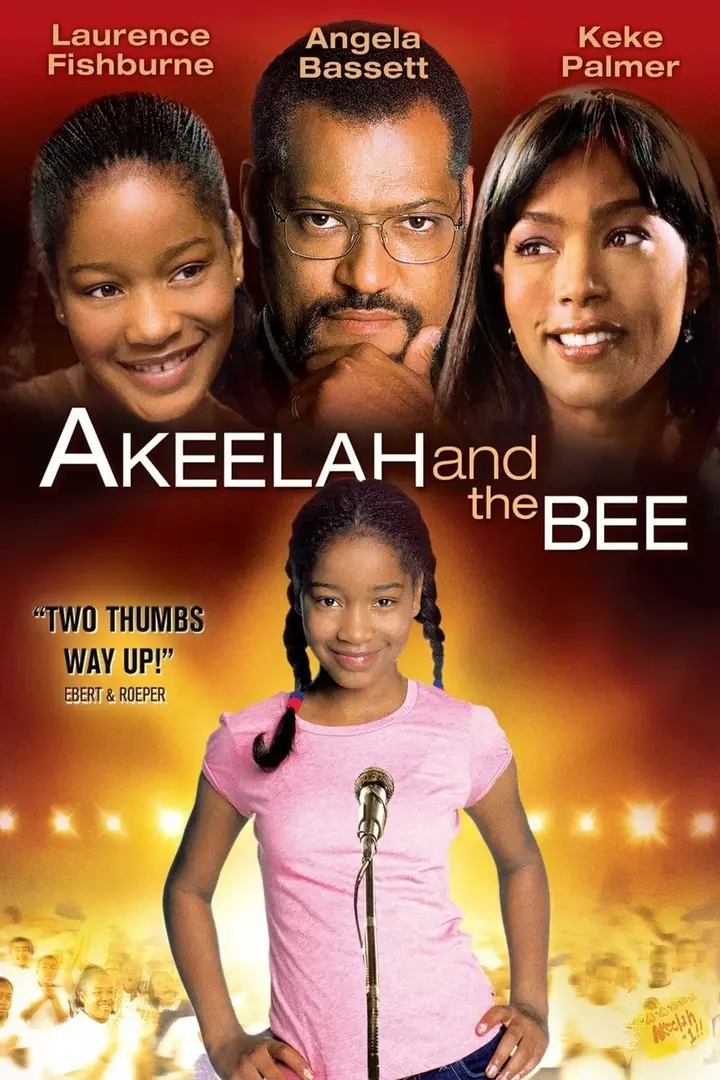
Akeelah and the Bee
A South Los Angeles story of classrooms, difficult words, hidden confidence, and a gifted girl learning how far her own voice can carry.

Little Manhattan
A tender New York adventure of first love, autumn streets, and a boy seeing his familiar city through completely new eyes.