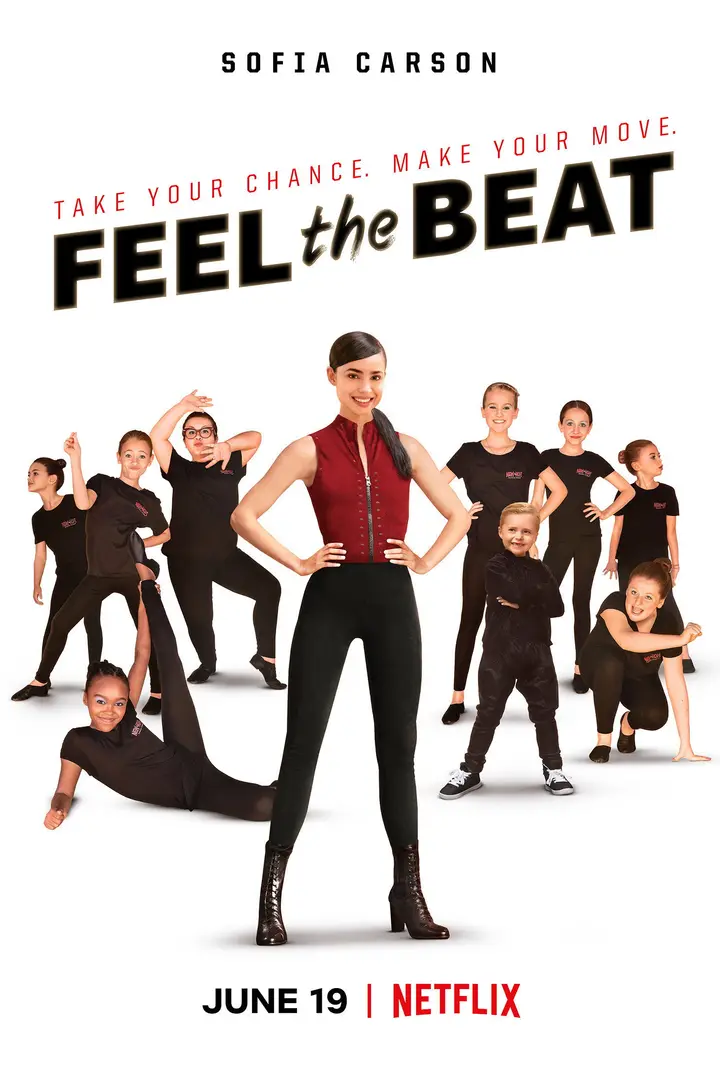
Feel the Beat
AgeMinimum 8Recommended 8+
Broadway dreams meet mismatched small-town dancers in a comedy full of clumsy rehearsals, fierce determination and infectious rhythm.
After a disappointing setback in New York’s theater world, dancer April returns to her hometown in Wisconsin. When she agrees to train a group of young dancers for a competition, she finds herself reconnecting with her community while discovering a different kind of purpose through teaching and teamwork.
- Release Year
- 2020
- Runtime
- 109 min
- Format
- Live Action
- Genre
- Adventure, Drama
- Mood
- Warm, Playful
- MPAA Rating
- TV-G
April Dibrina has always connected success with reaching the next professional goal. After a setback in New York’s theater scene, she returns to the hometown she once wanted to leave behind, bringing disappointment and uncertainty with her. Her unexpected role as a dance teacher introduces her to a very different kind of performance world.
The young dancers she trains approach dance with enthusiasm, personality and their own reasons for being there. They are not experienced performers looking for perfection, but a group of children who want to express themselves and belong. April’s professional expectations clash with their individual styles, creating both comedy and the challenge of learning how to work together.
The film uses dance as the language connecting very different people. Rehearsals, competitions and performances provide the energy, but the emotional center comes from the relationships formed along the way. April gradually discovers that success can take different forms, while the dancers gain confidence from having someone who believes they can improve.
Why It Stands Out
Feel the Beat combines the excitement of a dance competition with a story about mentorship, community and finding purpose in unexpected places. Its appeal comes from watching a group of very different people discover what they can achieve together.
Parents’ Insight
April’s relationship with the young dancers develops as she learns to look beyond perfection and focus on growth. The film highlights how encouragement, patience and believing in someone can help bring out abilities they may not yet recognize themselves.
Parents’ Guide
What to know before you press play
Six things parents ask about, rated on the same scale for every film and series in the collection.
- Scary intensity
- Minimal (1 of 5)
- Violence
- Mild (2 of 5)
- Language
- Mild (2 of 5)
- Emotional intensity
- Strong (4 of 5)
- Sexual content
- None (0 of 5)
- Substance use
- None (0 of 5)
Content notes
- Mild language and family conflict
Questions Parents Ask
What age is Feel the Beat suitable for?
Minimum age: 8. Recommended age: 8+. A dancer feels abandoned after her mother's death, children are insulted or pressured, and one girl is embarrassed when a bra insert falls out during rehearsal.
Is Feel the Beat scary?
- Tension from competition pressure, public embarrassment, strict teaching and fear of disappointing teammates
- Graphic violence
April suffers a viral professional failure and later abandons the team at an important moment. Stage fright, teasing, a minor rehearsal accident and grief create emotion, but there is no serious violence or peril.
What is Feel the Beat based on?
April, the New Hope dance team and the competition were created for the film. The story uses familiar dance-movie elements within a fictional account of mentorship and second chances.
What is Feel the Beat about?
April initially sees the competition as a route back to her own career and treats the young dancers harshly. As the team advances, she learns to communicate with each child, repair old relationships and honor commitments that matter beyond personal success.
Is Feel the Beat worth watching?
It is an accessible dance drama for older children who enjoy competitions, mentorship and stories about learning to value a team. The young dancers have different strengths, including deaf dancer Zuzu, and April's growth depends on listening rather than demanding perfection. The familiar competition structure is predictable but offers useful themes of inclusion and commitment.
Talk About It
April Dibrina comes home to small-town Wisconsin after her New York career stalls, and takes on a class of young dancers largely for her own reasons. They are not aiming to turn professional, and her standards do not fit what they need. Use the film to discuss what a teacher should actually be trying to give beginners, and whether you can succeed at something you never planned to do.
- April takes the teaching job for her own reasons, not for the children's. Does that matter, if she ends up being good at it?
- Her students are not aiming to become professionals. What should a teacher be trying to give them instead?
- April is blunt with the children at first. When is honesty helpful in teaching, and when is it just harsh?
- Each dancer in the group is there for a different reason. Which one did you understand best?
- April left her hometown wanting something bigger. Have you ever wanted to leave somewhere you were from?
- The competition matters enormously to the children and much less to April. How does that gap change during the film?
- Someone in the class finds performing genuinely hard. What is the right way to help them?
- Is it possible to succeed at something you never planned to do?
Turn this film into a ready-to-use class discussion
Use the Teacher Resources already attached to this film. Choose the questions you want, then print, copy or share the result.
Similar Movies
Billy Elliot makes dance, ambition and the labor behind performance central; Leap follows a similarly driven young performer. Teen ensemble music takes over in High School Musical and Camp Rock, and School of Rock turns toward a group finding confidence through performance.

Billy Elliot
A dance drama of coal towns, empty halls, and a young boy discovering a new rhythm beyond the traditions around him.

Leap
A Parisian adventure, graceful ballet performances, and a determined young dreamer transform the world of dance into a journey filled with passion, discovery, and imagination.

School of Rock
A joyful rock comedy where an unlikely teacher helps children discover confidence, creativity, and their own voices.

High School Musical
A vibrant musical experience filled with unforgettable songs, youthful energy, and the excitement of discovering a different side of yourself.

Camp Rock
A vibrant musical adventure filled with summer energy, unforgettable performances, and the excitement of finding confidence through music.

Sing
Catchy songs, lovable characters, and a joyful celebration of talent, perseverance, and self-belief.