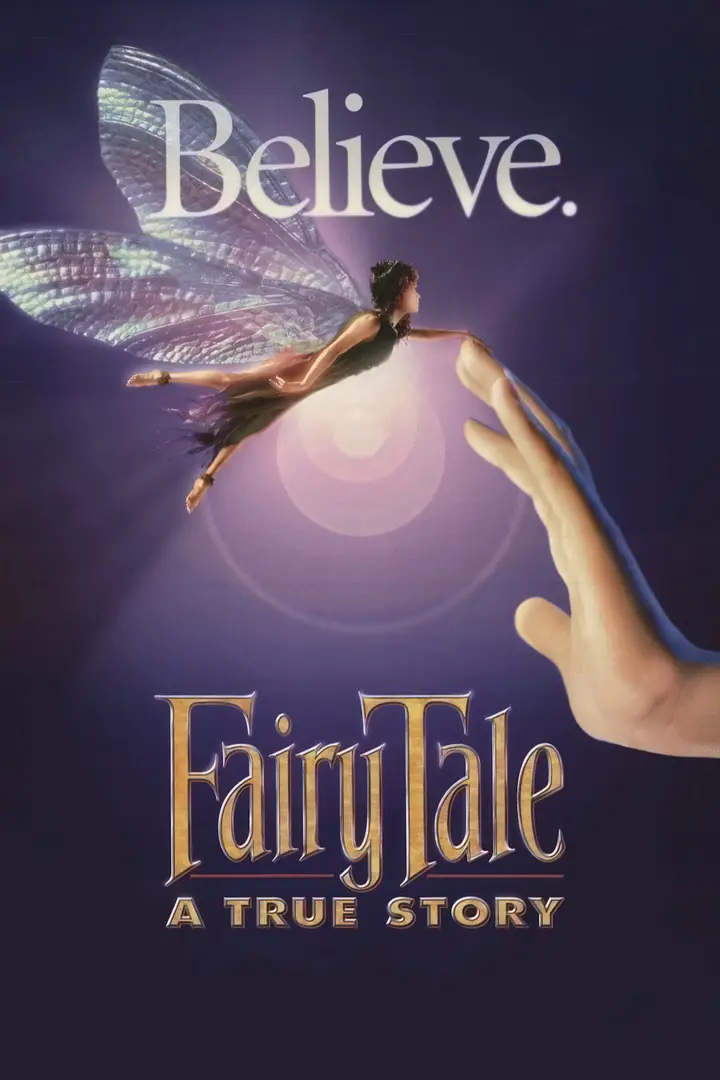
FairyTale: A True Story
AgeMinimum 6Recommended 7+
A magical countryside adventure filled with misty landscapes, childhood wonder, and the feeling that the world still holds hidden mysteries.
In 1917 England, cousins Frances and Elsie become fascinated by the possibility of fairies living near their Yorkshire home. After capturing mysterious photographs that appear to show real fairies, their discovery attracts public attention and the interest of famous figures, including writer Arthur Conan Doyle. As the girls continue exploring what they have seen, their small childhood mystery becomes part of a much larger question about imagination, belief, and the unknown.
- Release Year
- 1997
- Runtime
- 97 min
- Studio
- Paramount Pictures
- Format
- Live Action
- Genre
- Drama, Fantasy
- Mood
- Magical, Calm
- MPAA Rating
- PG
FairyTale: A True Story creates its magic by transforming the English countryside into a place where reality and imagination seem to exist side by side. Quiet woods, misty landscapes, old gardens, and hidden corners become spaces where a small discovery can feel like the beginning of something extraordinary.
The heart of the adventure comes from Frances and Elsie's view of the world around them. While the adults search for explanations, the girls experience the mystery itself, finding wonder in the possibility that something unseen may exist within the familiar places they know. Their photographs become a doorway between childhood imagination and a world that wants everything to have an answer.
The film's greatest pleasure comes from the atmosphere of uncertainty it creates. Gentle fantasy blends with historical reality, allowing forests, gardens, and ordinary moments to carry a sense of mystery. Every walk through the countryside feels like an invitation to look closer and imagine that the world may still contain secrets waiting to be discovered.
Why It Stands Out
Two girls’ photographs of fairies draw both Arthur Conan Doyle and Harry Houdini into a curious public debate. The film’s period atmosphere makes room for wonder and doubt, keeping the girls’ friendship close as the excitement grows.
Parents’ Insight
Frances and Elsie show how childhood imagination can create a different way of seeing the world, especially when adults are quick to dismiss what they cannot explain.
Parents’ Guide
What to know before you press play
Six things parents ask about, rated on the same scale for every film and series in the collection.
- Scary intensity
- None (0 of 5)
- Violence
- Mild (2 of 5)
- Language
- Minimal (1 of 5)
- Emotional intensity
- Moderate (3 of 5)
- Sexual content
- None (0 of 5)
- Substance use
- Mild (2 of 5)
Content notes
- Themes of wartime grief underlie the story
Questions Parents Ask
What is FairyTale: A True Story about?
In rural Yorkshire during the First World War, cousins Elsie Wright and Frances Griffiths claim to have photographed fairies living beside a quiet woodland stream. What begins as a private childhood discovery quickly spreads far beyond their village after the photographs attract the attention of newspapers, scientists, spiritualists, and even Sir Arthur Conan Doyle.
As adults argue over whether the images prove the existence of fairies or reveal an elaborate hoax, the two girls are left navigating a world where innocence, grief, curiosity, and public attention become unexpectedly intertwined. Inspired by one of the twentieth century's most famous photographic mysteries, the film explores why extraordinary stories can sometimes offer comfort during difficult times.
What age is FairyTale: A True Story suitable for?
Minimum age: 6. Recommended age: 7+. The story contains no frightening violence or intense fantasy peril. Its emotional weight comes from references to wartime loss and the sadness experienced by several characters. FairyTale: A True Story is suitable for most families.
Is FairyTale: A True Story scary?
- Themes of wartime grief
- Mild emotional scenes
- Fantasy mystery
- Graphic violence
- Gore
- Horror elements
The central mystery surrounding the fairies remains gentle and magical rather than suspenseful. Younger viewers are more likely to be moved by the emotional themes of loss than frightened by anything they see on screen.
Is FairyTale: A True Story worth watching?
FairyTale: A True Story offers a gentle family drama inspired by one of history's most intriguing mysteries, blending wonder, history, and imagination into an uplifting story about hope during difficult times. Charles Sturridge approaches the famous Cottingley Fairies story with warmth and sincerity, focusing less on solving the mystery than on understanding why so many people wanted to believe it. Rather than presenting a simple fantasy, the film explores the emotional power of hope in a world shaped by war and uncertainty. Beautiful English countryside, understated performances, and a thoughtful atmosphere create a family film that values curiosity over certainty. It invites viewers to appreciate both imagination and critical thinking without insisting that one must replace the other.
What is FairyTale: A True Story based on?
FairyTale: A True Story is inspired by the real 1917 Cottingley Fairies episode, in which two girls produced photographs that were widely taken as evidence of fairies. The film dramatizes the events and conversations around the photographs, including Arthur Conan Doyle's interest in them. Decades later, the cousins acknowledged that most of the photographs had been staged.
Talk About It
Elsie and Frances’s fairy photographs bring wartime Yorkshire hope and unwanted fame, leaving adults to debate evidence while childhood imagination becomes public property.
- Why do Elsie and Frances photograph the fairies?
- How does public attention change their private experience?
- Would you reveal something magical if adults might take control of it?
- What would you tell Frances when reporters question her honesty?
- Why does Arthur Conan Doyle want the photographs to be genuine?
- How does Harry Houdini approach the evidence differently?
- Which adult protects the girls’ perspective most carefully?
- Does proving the fairies matter more than preserving wonder?
Turn this film into a ready-to-use class discussion
Use the Teacher Resources already attached to this film. Choose the questions you want, then print, copy or share the result.
Similar Movies
Two of these keep a similar openness about whether the wonder is real or imagined. The rest confirm it one way or the other -- genuine magic, or make-believe named as exactly that.
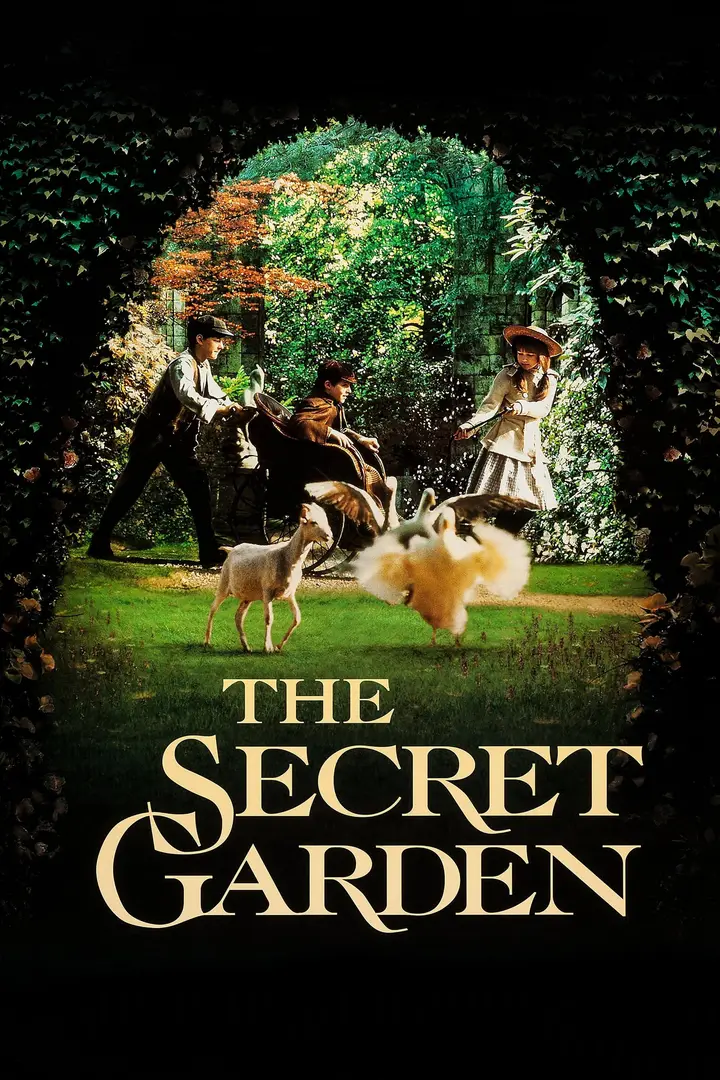
The Secret Garden
A mysterious period adventure where a lonely child discovers a hidden garden, forgotten secrets, and a beautiful world waiting to bloom again.
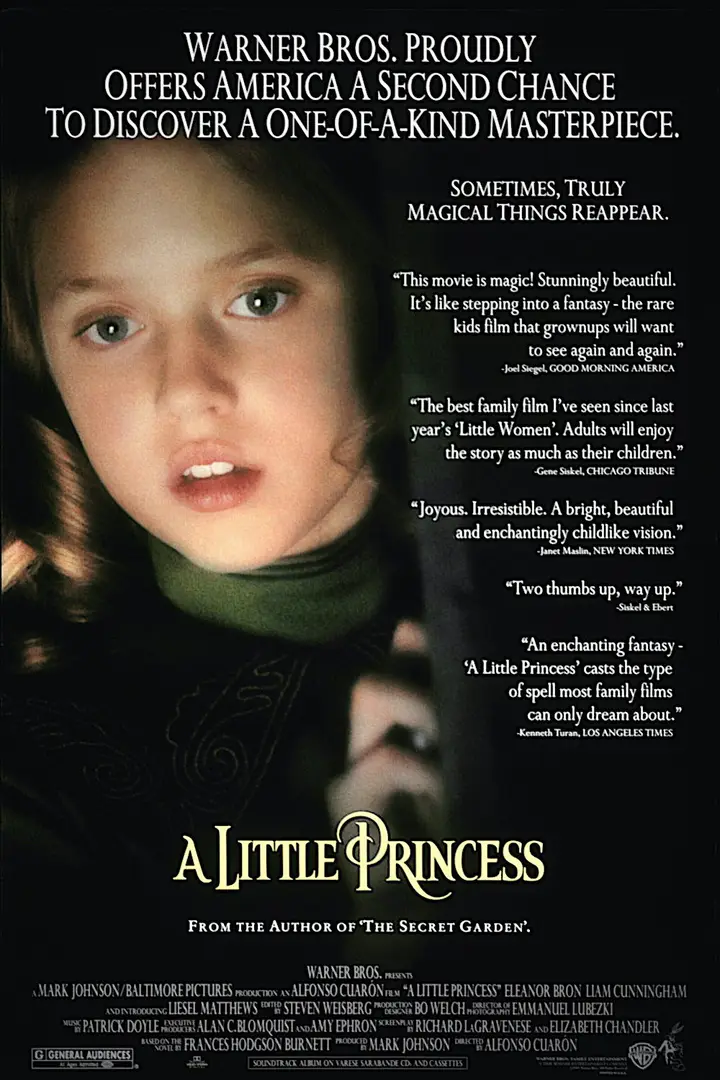
A Little Princess
A magical period adventure where a young girl discovers that imagination, friendship, and courage can transform a world built around rules and limitations.
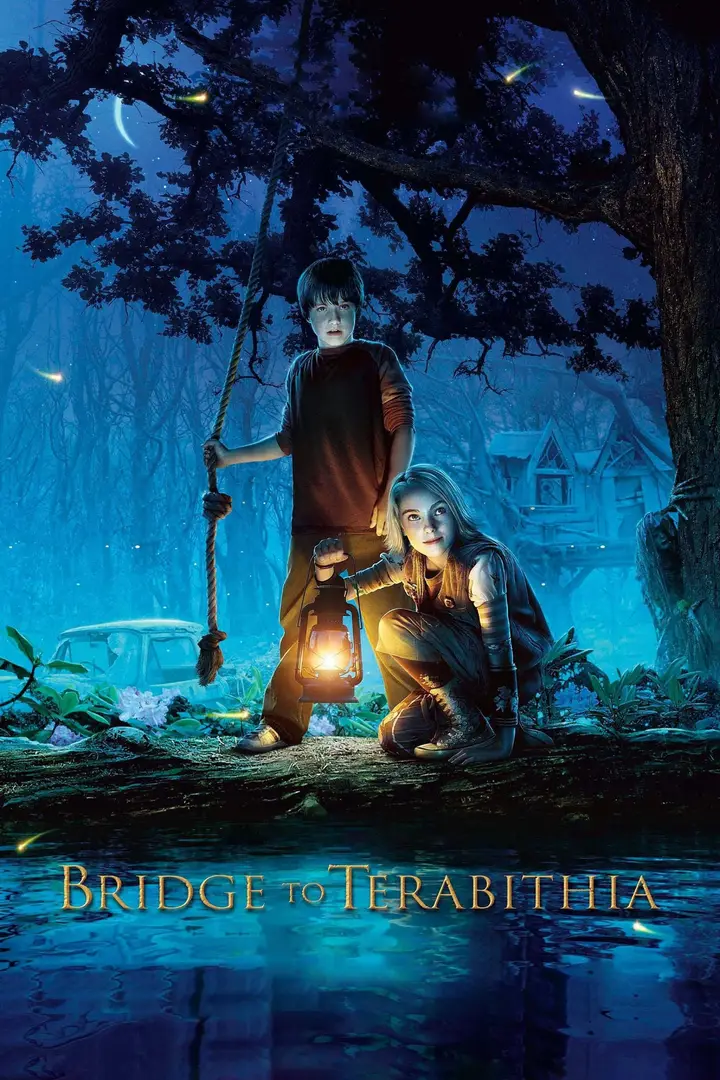
Bridge to Terabithia
A moving story about imagination, friendship, and the grief that comes with growing up too fast.
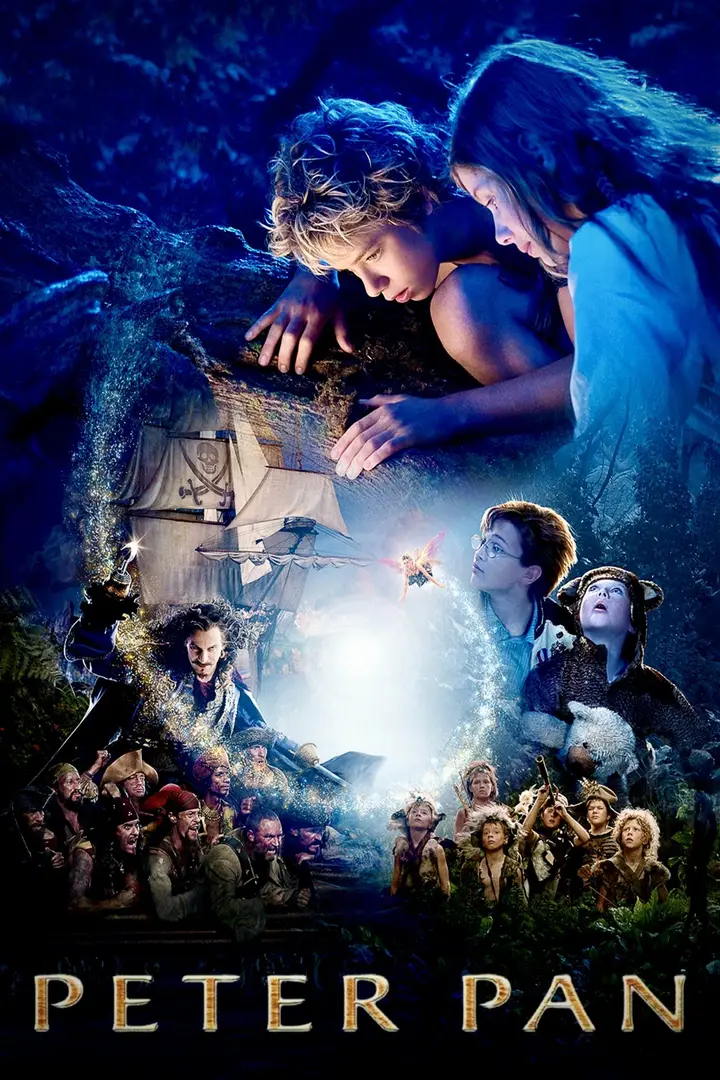
Peter Pan
A magical fantasy adventure of childhood, imagination, and a girl discovering that growing up can be as meaningful as never growing old.
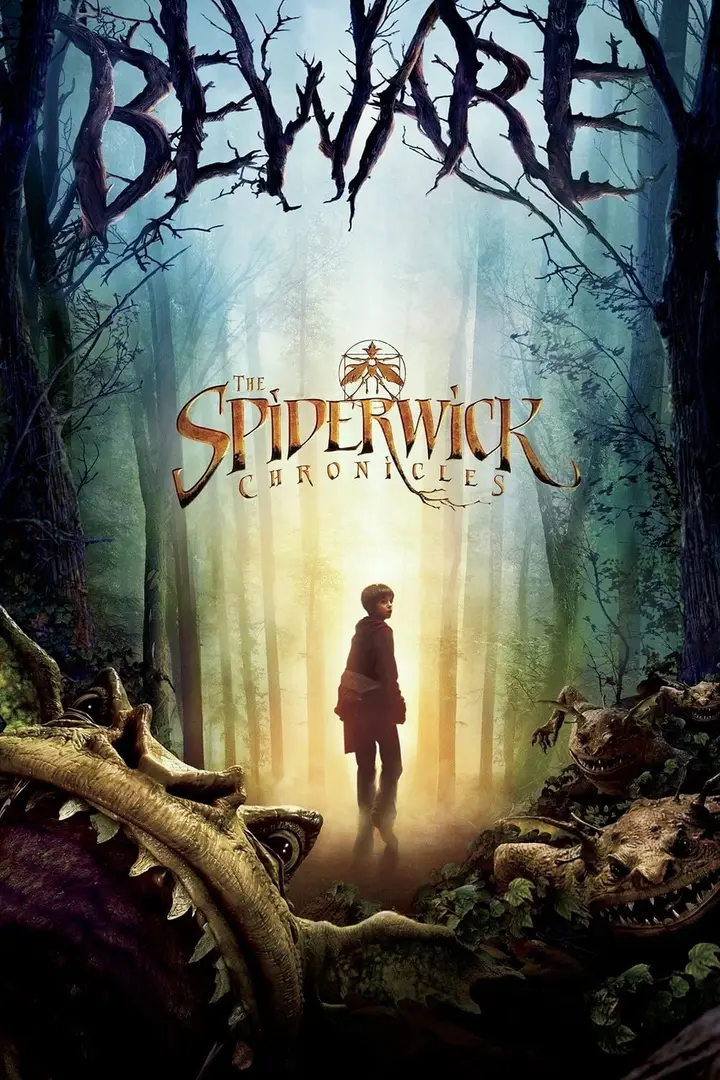
The Spiderwick Chronicles
A darker family fantasy about sibling loyalty, hidden worlds, and the courage it takes to protect the people you love.
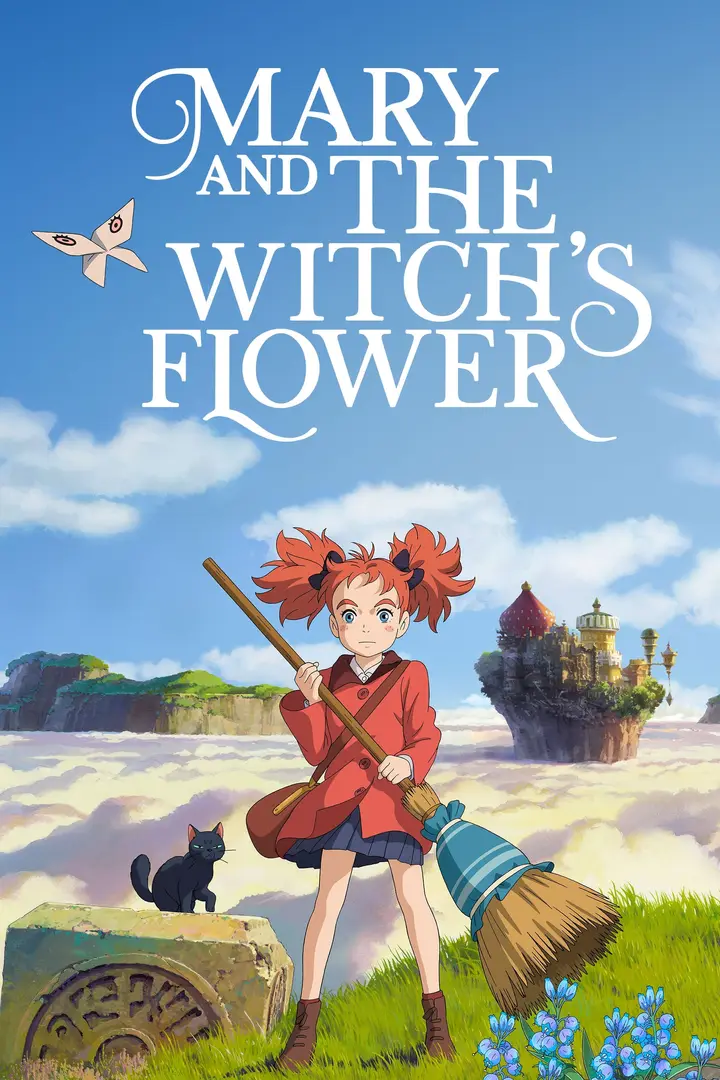
Mary and the Witch's Flower
A magical fantasy adventure about courage, responsibility, and discovering strength within yourself.