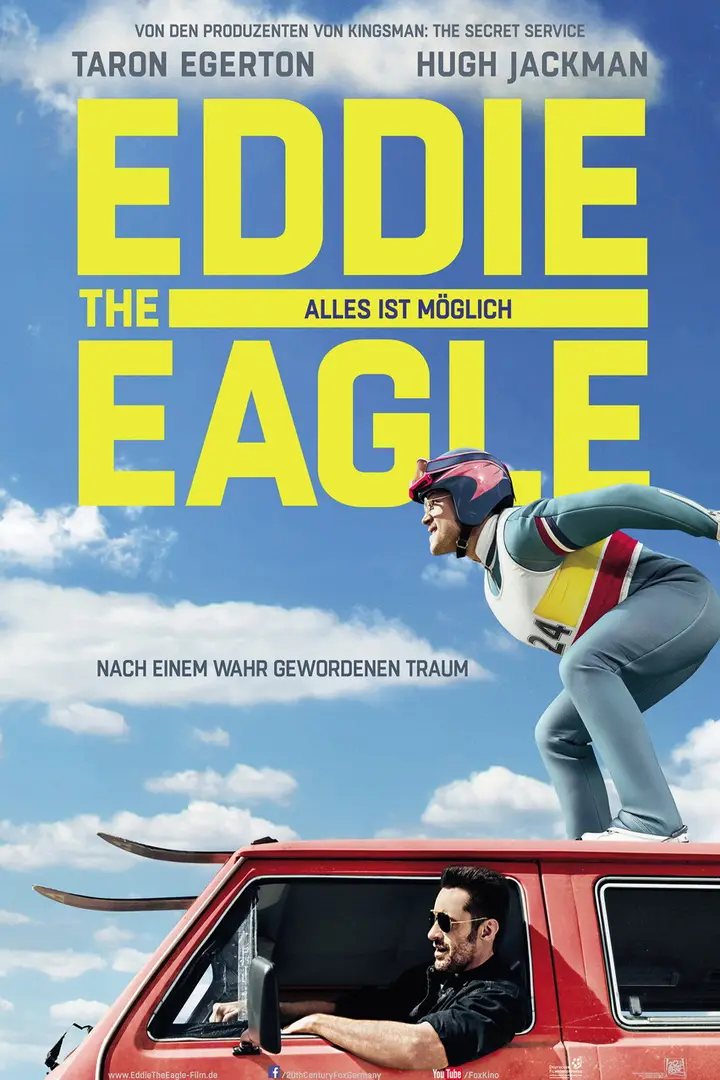
Eddie the Eagle
AgeMinimum 10Recommended 10+
Some Olympians are born with talent. This one was born with nothing but nerve.
Michael "Eddie" Edwards has dreamed of Olympic glory his whole life despite having none of the natural talent for it, so when he's turned away from every other event, he sets his sights on ski jumping, one of the most dangerous sports in the world. With help from a reluctant, hard-drinking former ski jumper turned coach, Eddie trains against the odds to become Britain's first Olympic ski jumper in decades.
- Release Year
- 2016
- Runtime
- 106 min
- Format
- Live Action
- Genre
- Drama, Sports
- Mood
- Emotional
- MPAA Rating
- PG-13
Eddie Edwards grows up believing that representing his country at the Olympics is possible, even when others doubt his abilities. His determination leads him through different sports before he finds ski jumping, a discipline that offers him a chance to pursue the dream he has carried for years.
Training under Bronson Peary introduces Eddie to a very different approach from the one he has known. Their relationship develops as Eddie learns the technical demands of the sport while Bronson begins to see the value in Eddie’s persistence and commitment. Together, they discover that achievement can take different forms beyond traditional ideas of success.
The film combines sports drama, comedy and a story about perseverance, ambition and personal achievement. The excitement of ski jumping creates the sporting challenge, while the emotional focus remains on Eddie’s determination to follow his own path and prove that passion can be as meaningful as winning.
Why It Stands Out
Eddie's determined pursuit of Olympic ski jumping brings humor to a story of persistence against steep odds. His awkward training sessions and changing bond with coach Bronson Peary give the sporting triumph a personal, human scale.
Parents’ Insight
Eddie’s journey shows that success can have different meanings depending on the person pursuing it. The film highlights the value of persistence, encouragement and believing in goals that may not follow the path others expect.
Parents’ Guide
What to know before you press play
Six things parents ask about, rated on the same scale for every film and series in the collection.
- Scary intensity
- Minimal (1 of 5)
- Violence
- Mild (2 of 5)
- Language
- Mild (2 of 5)
- Emotional intensity
- Minimal (1 of 5)
- Sexual content
- Mild (2 of 5)
- Substance use
- Moderate (3 of 5)
Content notes
- Realistic ski-jump crashes and injuries, occasional language, mild sexual references, brief sauna nudity
Parent guidance
Repeated ski-jump crashes with realistic injury risk, occasional stronger language, some sexual references and innuendo, and a brief scene in a communal sauna with nudity in context.
Questions Parents Ask
What age is Eddie the Eagle suitable for?
Minimum age: 10. Recommended age: 10+. Eddie repeatedly falls from high ramps and suffers injuries. Other athletes get him drunk, Bronson is an alcoholic, and adult sexual jokes or situations appear alongside ridicule and family discouragement.
Is Eddie the Eagle scary?
- It contains realistic sports peril, repeated crashes and fear of serious injury from extreme heights
- Graphic violence
Eddie lands badly and is taken for treatment, then attempts larger jumps with limited experience. The outcome is positive, but the physical risk remains visible throughout.
What is Eddie the Eagle based on?
Eddie's Olympic participation is real, but coach Bronson Peary and many conflicts were invented or heavily dramatized. It is a feel-good biopic rather than a precise record.
What is Eddie the Eagle about?
After failing to qualify in other sports, Eddie moves to Germany and persuades former jumper Bronson Peary to coach him. Repeated crashes, changing qualification rules and ridicule do not stop him from competing in Calgary.
Is Eddie the Eagle worth watching?
It is an upbeat biographical sports comedy for older children and teens interested in perseverance without the usual victory narrative. Eddie's achievement lies in qualifying and completing the jumps rather than winning a medal. The film exaggerates and invents relationships, but its message about defining success personally remains effective.
Talk About It
Eddie Edwards wanted to be an Olympian and picked ski jumping because nobody in Britain was doing it, which made him eligible — and left him learning one of the sport's most dangerous disciplines with almost no training behind him, against selectors who did not want him there. Use the film to discuss the difference between competing and winning, and what Eddie was actually being celebrated for.
- Eddie chose one of the most dangerous sports because nobody else in Britain was doing it. Was that clever or reckless?
- The British selectors did not want him to compete. Were they protecting him, or protecting themselves?
- He trained on progressively bigger hills. Why does the size of the jump matter so much?
- Bronson Peary is reluctant to coach him and does it anyway. What changes his mind?
- Eddie finished last and became famous. What was he actually being celebrated for?
- Some people thought he made the sport look silly. Do they have a point?
- Is there something you would keep trying at even if you were never going to be the best?
- What is the difference between competing and winning?
Turn this film into a ready-to-use class discussion
Use the Teacher Resources already attached to this film. Choose the questions you want, then print, copy or share the result.
Similar Movies
Cool Runnings and Rudy center athletes pursuing goals that seem unrealistic from the outside. McFarland, USA and Dangal give family or team structures more weight; Soul Surfer makes perseverance intensely personal through recovery and return to sport.
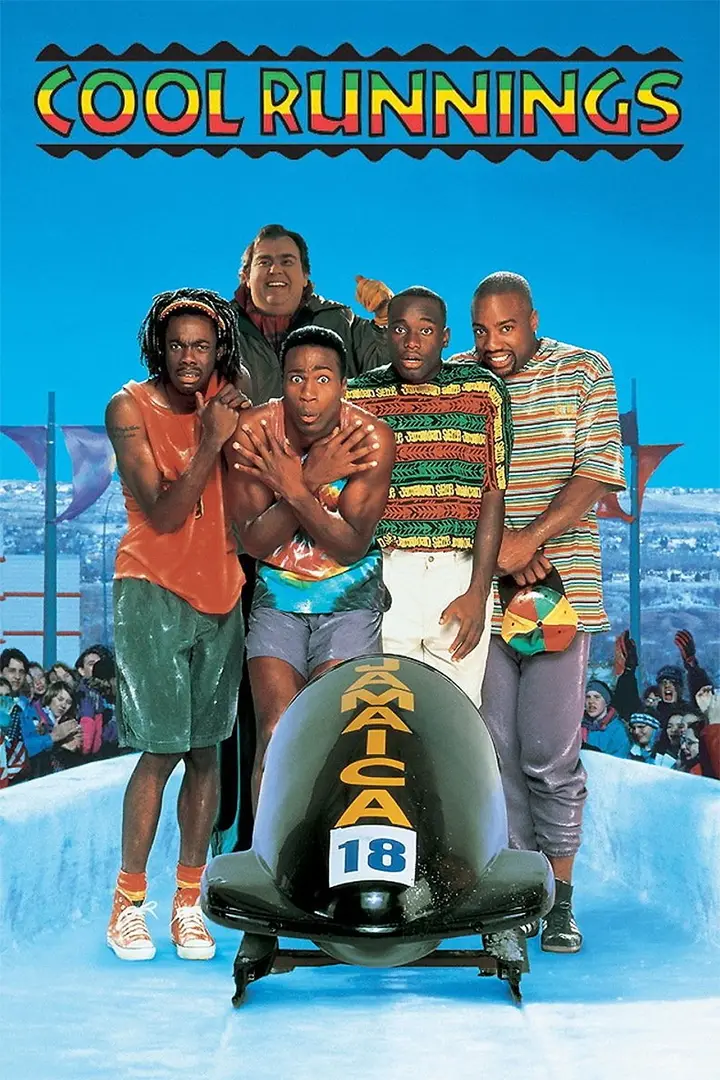
Cool Runnings
A joyful sports adventure where an unlikely team from Jamaica turns Olympic ice into a stage for warmth, humor, and unstoppable determination.

Rudy
A heartfelt football drama of Notre Dame traditions and one young man chasing a place on the field he dreams of reaching.
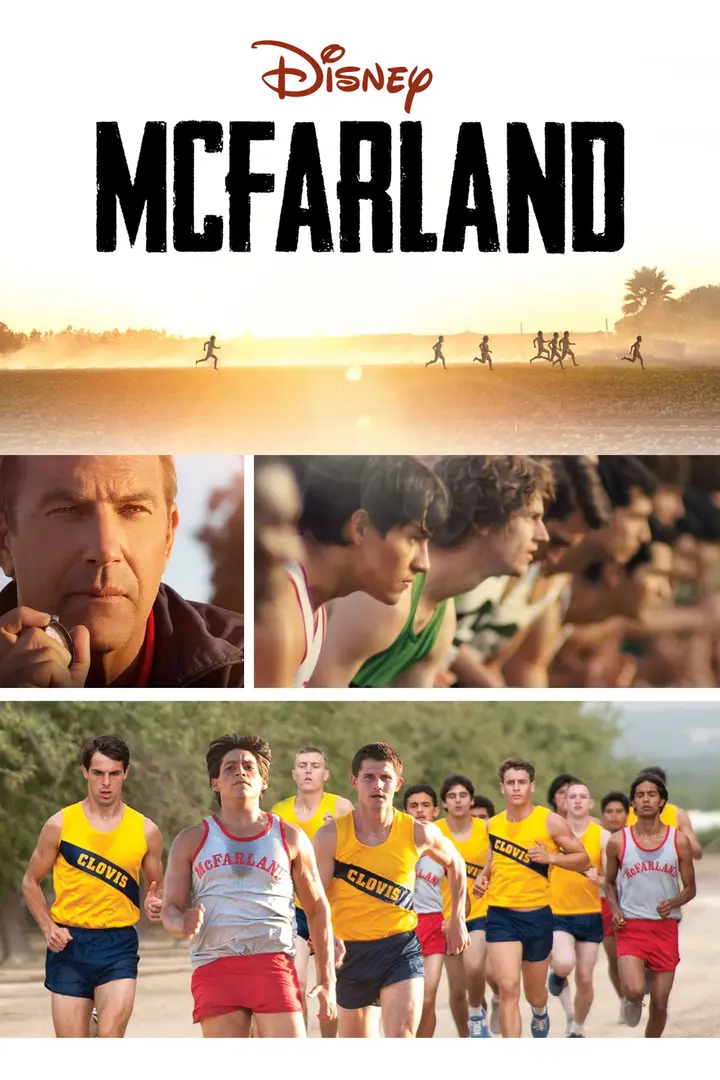
McFarland, USA
A small-town sports adventure of California fields, family traditions, and a community revealed through the young runners who call it home.

Dangal
Sweat, stubborn discipline and the fierce physicality of wrestling ground a powerful family drama about girls breaking expectations.
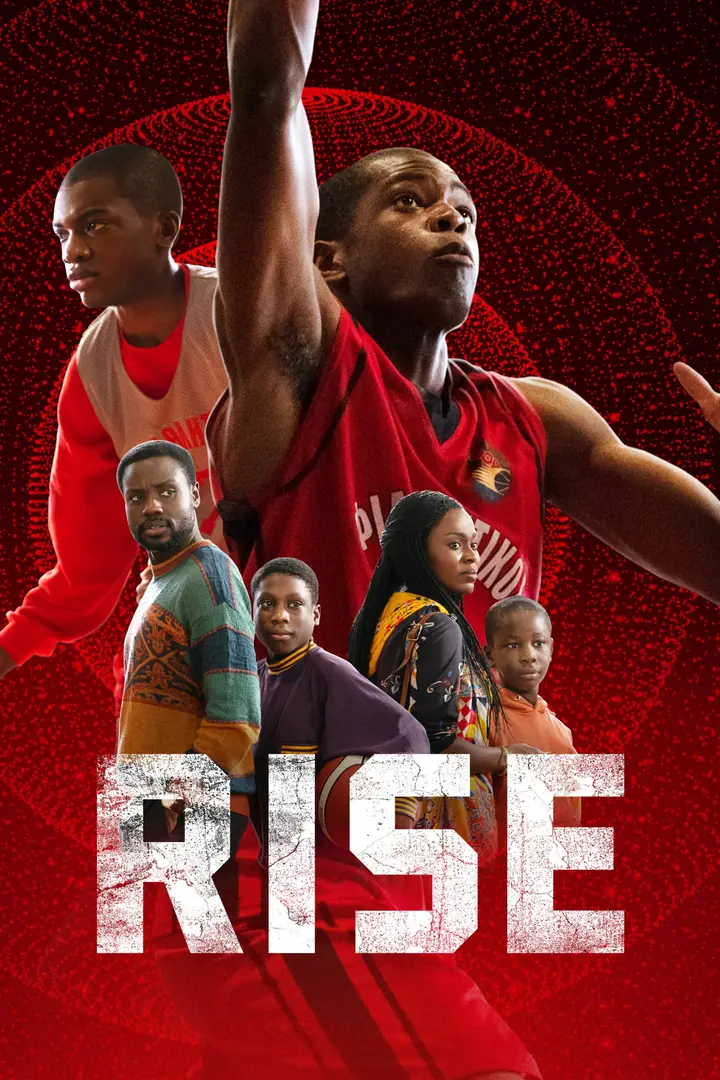
Rise
Before the world knew him as a superstar, he was just a kid trying to keep his family together.

Soul Surfer
A surfing journey of Hawaiian waves, ocean landscapes, and a young athlete finding a new way back to the sport she loves.