Editor’s Choice
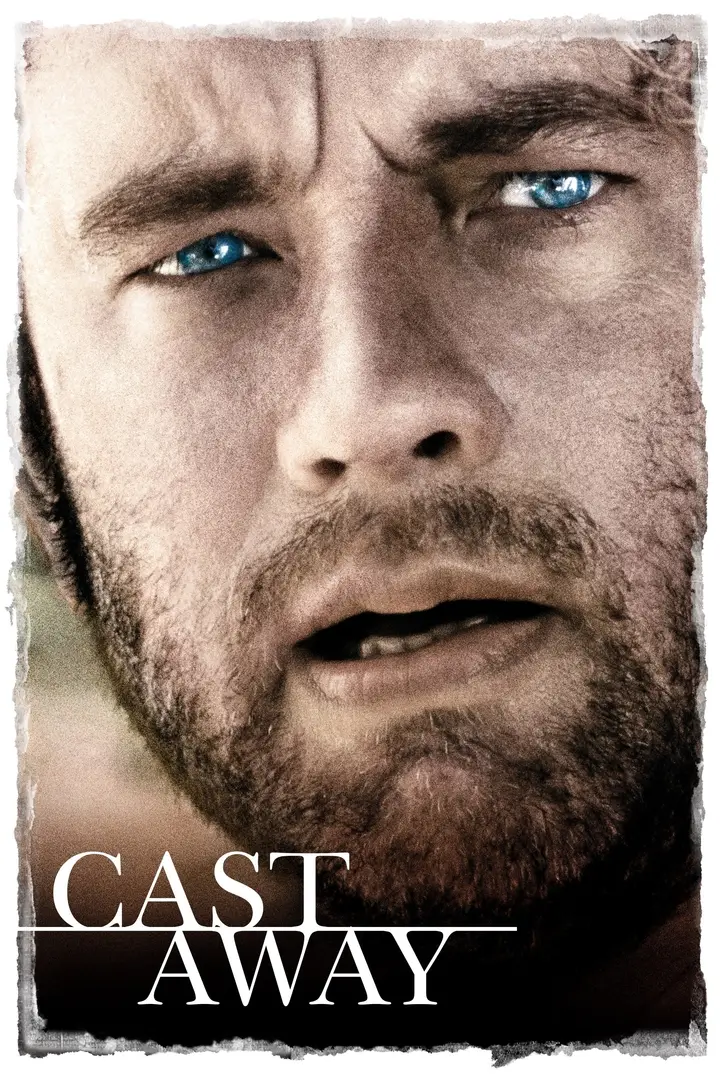
Cast Away
AgeMinimum 10Recommended 13+
A powerful survival drama of isolation, resilience, and a man discovering the human connections that give life its meaning.
Chuck Noland is a highly efficient FedEx executive whose life is controlled by schedules, deadlines, and constant movement. After a plane crash leaves him stranded on a deserted island in the Pacific Ocean, he must learn to survive with nothing but the resources around him and the memories of the life he left behind.
Separated from everything familiar, Chuck faces hunger, loneliness, and the passage of time while creating new ways to endure his isolation. His struggle becomes more than a fight to stay alive; it becomes a journey to understand himself and what truly matters.
- Release Year
- 2000
- Runtime
- 143 min
- Format
- Live Action
- Genre
- Adventure, Drama
- Mood
- Intense, Emotional
- MPAA Rating
- PG-13
Cast Away begins with a man who has mastered the modern world. Chuck Noland understands schedules, efficiency, and responsibility, but he rarely stops to consider what those things have replaced. His unexpected isolation removes every structure that once defined his existence.
The island becomes more than a physical challenge. It becomes a place where time changes meaning. Without clocks, routines, or other people, Chuck must rebuild his relationship with the world from the beginning.
His survival depends not only on practical skills, but on his ability to maintain a connection with humanity. The small objects he saves, the memories he protects, and the relationships he imagines become reminders that people are defined by more than their circumstances.
The film’s emotional power comes from showing how a person can change when everything familiar disappears. Survival is not only about finding food, creating shelter, or escaping danger. It is also about preserving hope when there is no one else to witness it.
When Chuck eventually returns, he discovers that surviving one world does not mean returning to the same life. Time has moved forward, and he must find a new way to understand where he belongs.
Why It Stands Out
Cast Away transforms a survival story into a deeply personal exploration of loneliness, adaptation, and the importance of human connection.
Its strength comes from focusing on the smallest elements of existence: a daily routine, a familiar memory, a simple conversation. The film shows that what keeps people alive is not only physical endurance, but the need to remain connected to something beyond themselves.
Parents’ Insight
Chuck talks to a volleyball for years because the alternative, total silence, was worse than seeming irrational. Sometimes survival depends less on toughness than on refusing to let go of connection entirely.
Editor’s Choice: Immersive survival, extraordinary restraint and human longing
Parents’ Guide
What to know before you press play
Six things parents ask about, rated on the same scale for every film and series in the collection.
- Scary intensity
- Moderate (3 of 5)
- Violence
- Mild (2 of 5)
- Language
- Mild (2 of 5)
- Emotional intensity
- Mild (2 of 5)
- Sexual content
- None (0 of 5)
- Substance use
- Minimal (1 of 5)
Content notes
- Intense survival scenes, isolation, and a graphic injury; a plane crash sequence may be frightening for young children.
Parent guidance
Intense survival themes, plane crash, isolation, brief violence
Questions Parents Ask
What is Cast Away about?
Chuck Noland is a highly organized FedEx executive whose life revolves around schedules, efficiency, and constant movement. When the cargo plane carrying him across the Pacific crashes during a violent storm, he becomes the sole survivor, washing ashore on an uninhabited island with almost nothing except a handful of FedEx packages.
Over the next four years, Chuck learns to build shelter, make fire, find food, and survive in complete isolation. His only companion becomes a volleyball he names Wilson, whose imagined friendship helps preserve his sanity. As the isolation stretches on, survival becomes as much psychological as physical, forcing Chuck to confront time, loneliness, and the question of what still gives life meaning.
What age is Cast Away suitable for?
Minimum age: 10. Recommended age: 13+. The story opens with a frightening plane crash and contains prolonged scenes of isolation, survival, hunger, injury, and emotional distress. One sequence involving Chuck treating a severe toothache may be particularly uncomfortable for younger viewers. Although violence is limited, the emotional maturity of the story and its slow, reflective pacing make it a much better choice for teenagers than younger children.
Is Cast Away scary?
- Plane crash
- Survival danger
- Graphic tooth injury
- Emotional isolation
- Storms and ocean peril
- Horror elements
- Graphic violence
The film creates tension through realistic survival rather than villains or monsters. The plane crash is intense, Chuck faces repeated life-threatening situations on the island, and his prolonged loneliness creates a powerful emotional atmosphere. While not frightening in a traditional sense, some scenes may be unsettling because of their realism.
Is Cast Away worth watching?
Cast Away is one of cinema's finest survival dramas, combining breathtaking realism with a deeply human story about resilience, hope, and discovering what truly matters. Robert Zemeckis transforms an almost impossible premise—a man spending years almost entirely alone—into a gripping emotional journey. Tom Hanks delivers one of the defining performances of his career, carrying much of the film with minimal dialogue while making Chuck's physical and emotional transformation completely believable. Beyond its survival story, Cast Away becomes a meditation on time, relationships, purpose, and the resilience of the human spirit. Its remarkable simplicity allows every small achievement, setback, and emotional breakthrough to feel profoundly significant.
What is Cast Away based on?
Cast Away is not based on a specific true story or book. Screenwriter William Broyles Jr. developed the screenplay after deliberately spending time alone on an island to better understand the realities of survival. The film also draws inspiration from numerous real-life survival accounts, creating a story that feels authentic despite being fictional.
Talk About It
After a plane crash, Chuck Noland survives alone for years, but returning home proves that rescue cannot restore the life and person he left unchanged.
- Why does Chuck’s obsession with time become useless on the island?
- How does Wilson help him endure isolation?
- Would you open every package if survival depended on the contents?
- What would you tell Chuck before his first attempt to cross the reef?
- Which survival skill costs him the most to learn?
- Why does he preserve the package with angel wings?
- How does losing Wilson affect him after years of loneliness?
- What makes returning home emotionally harder than he imagined?
Turn this film into a ready-to-use class discussion
Use the Teacher Resources already attached to this film. Choose the questions you want, then print, copy or share the result.
Similar Movies
Years of total isolation on a deserted island define Cast Away. The Martian shares that same solitary, scientific survival; Apollo 13 widens it into a full team racing against disaster together, and Life of Pi and Swiss Family Robinson widen into a boy with a tiger and a family surviving as one.

The Martian
A space adventure of Mars landscapes, scientific discovery, and one astronaut learning to survive in a world no human has explored before.

Life of Pi
A survival adventure of endless ocean, a young storyteller, and a Bengal tiger sharing an impossible journey across the Pacific.
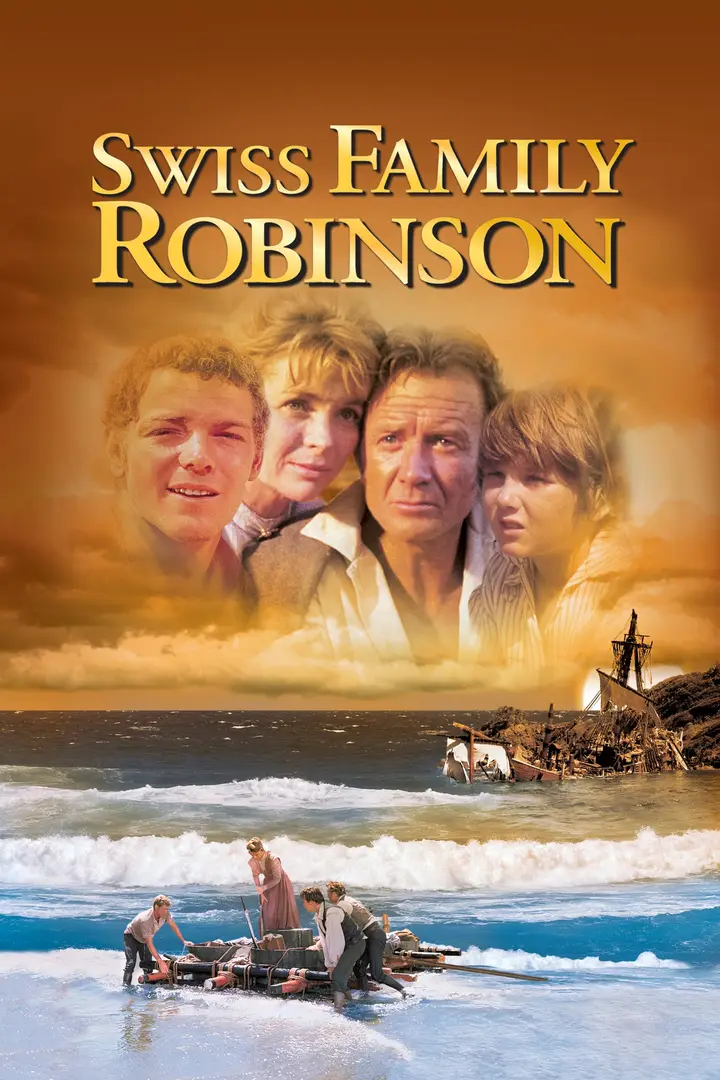
Swiss Family Robinson
A tropical survival adventure where a shipwrecked family builds a new life through creativity, courage, and teamwork.
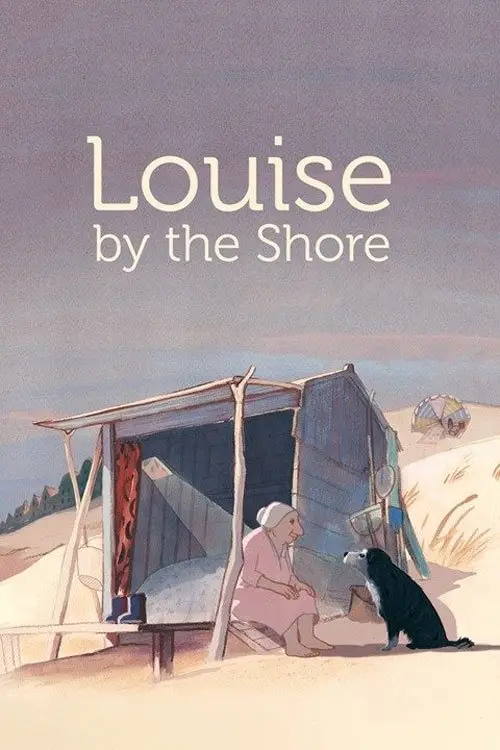
Louise by the Shore
A quiet animated journey where a seaside town between seasons reveals memories and unexpected beauty through one woman's winter.

The Call of the Wild
A rugged Gold Rush adventure about instinct, freedom, and answering a call deeper than domestication.
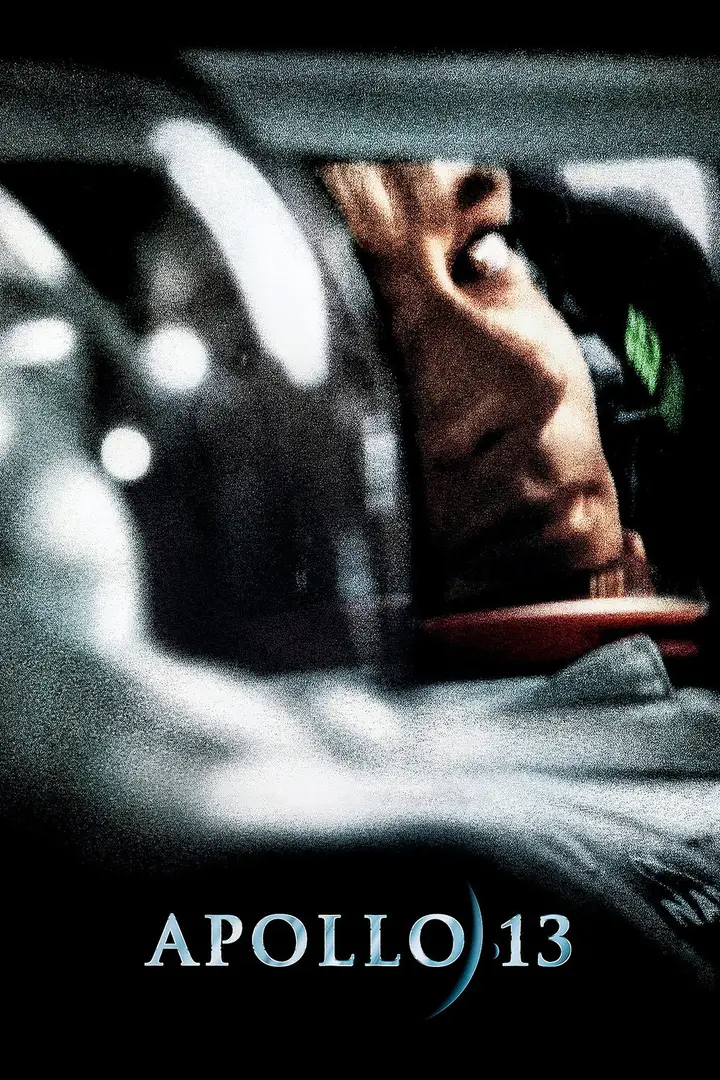
Apollo 13
A gripping space adventure of skill, teamwork, and calm determination as a crew and the people on Earth solve one impossible problem after another.