Editor’s Choice
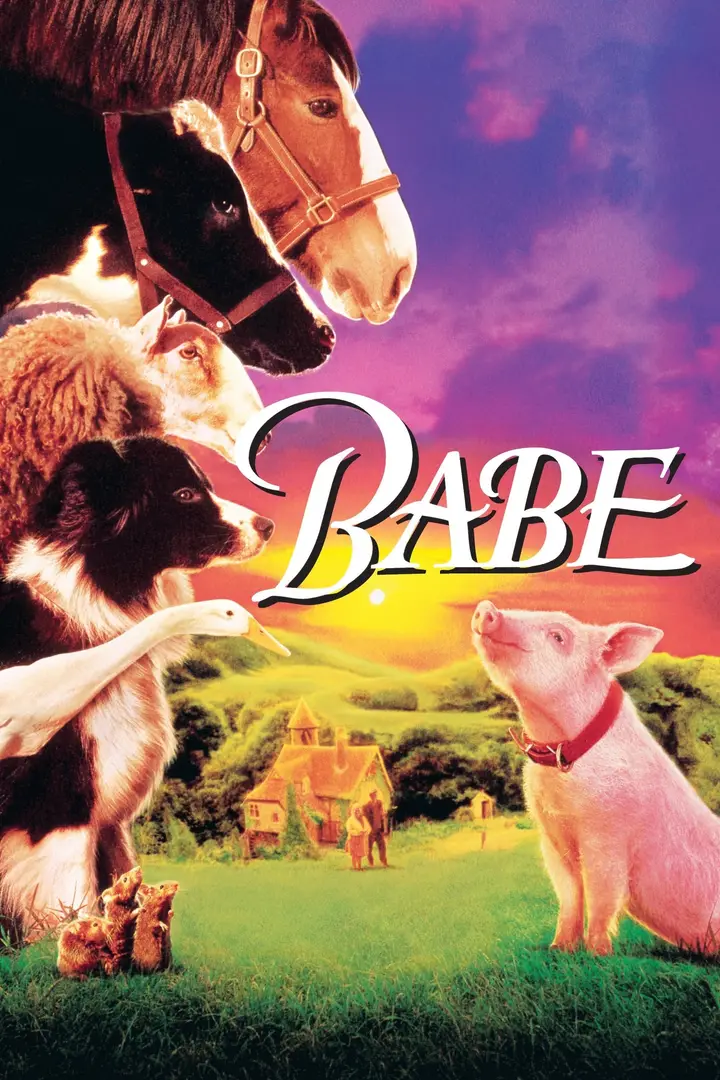
Babe
AgeMinimum 6Recommended 7+
A heartwarming family adventure where a gentle soul changes the way others see the world by proving that worth cannot be measured by appearances or expectations.
When a young pig named Babe arrives at the Hoggett farm, he enters a world where every animal seems to have a place and a purpose already decided. Taken under the care of Fly, a loyal sheepdog who sees something special in him, Babe begins to form friendships and discover his own abilities. As he surprises the animals and humans around him, the little pig proves that kindness, patience, and understanding can challenge everything people thought they knew.
- Release Year
- 1995
- Runtime
- 91 min
- Studio
- Universal Pictures
- Format
- Hybrid
- Genre
- Comedy, Drama
- Mood
- Warm, Sweet
- MPAA Rating
- G
The Hoggett farm runs on an unspoken hierarchy nobody bothers explaining to Babe: sheepdogs herd, pigs get eaten, and everyone seems to have accepted this as simply how things are. Babe hasn't gotten the memo, and that's the whole engine of the story.
Fly takes him in less out of sentiment than instinct, and ends up teaching him to herd sheep the only way she knows: through command and intimidation. Babe tries it her way once, gets nowhere, and stumbles onto something nobody on the farm has considered. He just asks the sheep politely. It shouldn't work. It does.
Farmer Hoggett says almost nothing through the entire film, and somehow becomes one of its most affecting characters anyway. His quiet willingness to let a pig attempt something absurd, entering him in a sheepdog trial, says more about faith in another creature than any speech could have.
The film never pretends the stakes aren't real. Babe understands exactly what pigs are for on a farm like this, and that knowledge sits underneath every scene without the story ever needing to spell it out. Kindness, here, isn't sentimental. It's the thing that actually changes his fate.
Why It Stands Out
Babe wins over a farm full of skeptical animals using the one strategy nobody else tried: courtesy. He asks the sheep to move instead of frightening them into it, which sounds too simple to work and somehow becomes the entire point.
The film trusts silence as much as dialogue, especially from Farmer Hoggett, whose few words carry more conviction than any of the film's louder characters manage in whole scenes.
Parents’ Insight
Babe never once raises his voice to get what he needs. He just tries kindness where everyone else defaults to force, and it works, not because kindness is magic, but because nobody had actually tried it. That's a useful thing for a kid to notice.
Editor’s Choice: Delightful animal performances, disarming kindness and farmyard wit
Parents’ Guide
What to know before you press play
Six things parents ask about, rated on the same scale for every film and series in the collection.
- Scary intensity
- Minimal (1 of 5)
- Violence
- Moderate (3 of 5)
- Language
- Minimal (1 of 5)
- Emotional intensity
- Minimal (1 of 5)
- Sexual content
- None (0 of 5)
- Substance use
- Minimal (1 of 5)
Content notes
- Wolves attacking sheep and a farm's realities may be intense for very young viewers
Questions Parents Ask
What is Babe about?
When a young pig named Babe arrives at the Hoggett farm, he enters a world where every animal seems to have an assigned role and purpose. Unlike the other animals, Babe does not immediately know where he belongs.
Taken under the care of Fly, a loyal sheepdog who recognizes his gentle nature, Babe begins building friendships and discovering his own abilities. Through patience, respect, and kindness, he gradually challenges the expectations of both the animals and humans around him.
What age is Babe suitable for?
Minimum age: 6. Recommended age: 7+. The wolves threatening the sheep stay low-key on screen, and the other farm animals' skepticism that a pig could ever learn to herd sheep is the real obstacle Babe has to overcome.
Is Babe scary?
- Wolves threatening sheep
- Farm animals facing danger
- Some realistic farm challenges
- Major villains
- Intense violence
Very young children may find the animal danger upsetting, especially because the film creates a strong emotional connection with the farm animals. However, the story focuses on kindness, cooperation, and protecting others.
Is Babe worth watching?
A beautifully crafted family film that proves a character's value comes from who they are, not the role others expect them to play. Babe succeeds because it takes a simple farm story and turns it into a thoughtful exploration of identity, acceptance, and kindness. The film's greatest achievement is the way it creates a world where animals have distinct personalities, relationships, and perspectives while keeping the farm itself grounded and believable. The combination of live-action filmmaking, expressive animal performances, and careful storytelling creates an experience that feels both realistic and magical. At the center is Babe, a character who does not succeed by becoming something he is not. In a world where animals are judged by tradition and expectation, Babe changes minds by demonstrating qualities others overlooked. Chris Noonan's direction and the detailed work behind the animal performances create a rare balance between humor, emotion, and realism. With its charming atmosphere, memorable characters, and timeless message, Babe remains one of the most thoughtful family films of its era.
What is Babe based on?
Babe is based on the book The Sheep-Pig, written by Dick King-Smith, first published in 1983. The film remains faithful to the book's celebration of kindness, perseverance, and challenging expectations through compassion rather than force. The film adds groundbreaking animatronic and CGI effects to give the animals expressive, talking faces, a technique not possible when King-Smith wrote the original story.
What order should you watch the Babe movies in?
Babe (1995) is the first of the 2 Babe movies, so it is the place to start. Release order: 1) Babe (1995, best from age 7); 2) Babe: Pig in the City (1998, best from age 8). Babe: Pig in the City is noticeably darker and more unsettling than Babe, so it suits slightly older children. The films sit close together in age, from 7 to 8, so a child who enjoys one is usually ready for the others. Both have a full parents’ guide in The Family Film Collection.
Talk About It
Gentle Babe challenges every assigned role on Hoggett’s farm, learning to herd sheep through courtesy while Farmer Hoggett believes in the unlikely sheep-pig.
- Why does Babe believe he can herd sheep?
- How does Fly become a mother figure to Babe?
- Would you trust a pig to do a sheepdog’s work?
- What makes Babe’s polite approach effective with the flock?
- How does Rex respond when Babe begins changing farm traditions?
- What would you tell Farmer Hoggett before the sheepdog trials?
- Which farm animal helps Babe understand the sheep?
- Why does Hoggett’s quiet belief matter more than praise?
Turn this film into a ready-to-use class discussion
Use the Teacher Resources already attached to this film. Choose the questions you want, then print, copy or share the result.
Similar Movies
Babe's own story continues straight into a sequel here. Elsewhere, a similar warmth for animals -- or, in one case, a robot -- doing far more than expected carries into a spider's web, a chicken farm, and beyond.
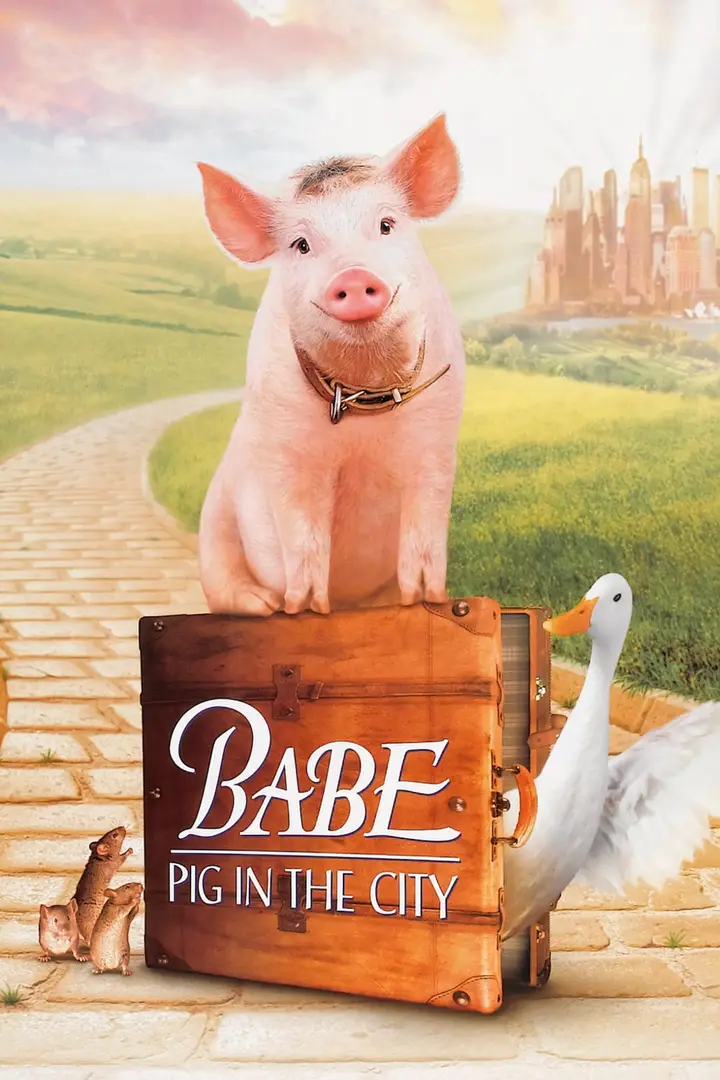
Babe: Pig in the City
Rain-soaked streets, eccentric animals, storybook shadows, and the surprising adventure of a little pig finding kindness in a very unfamiliar city.
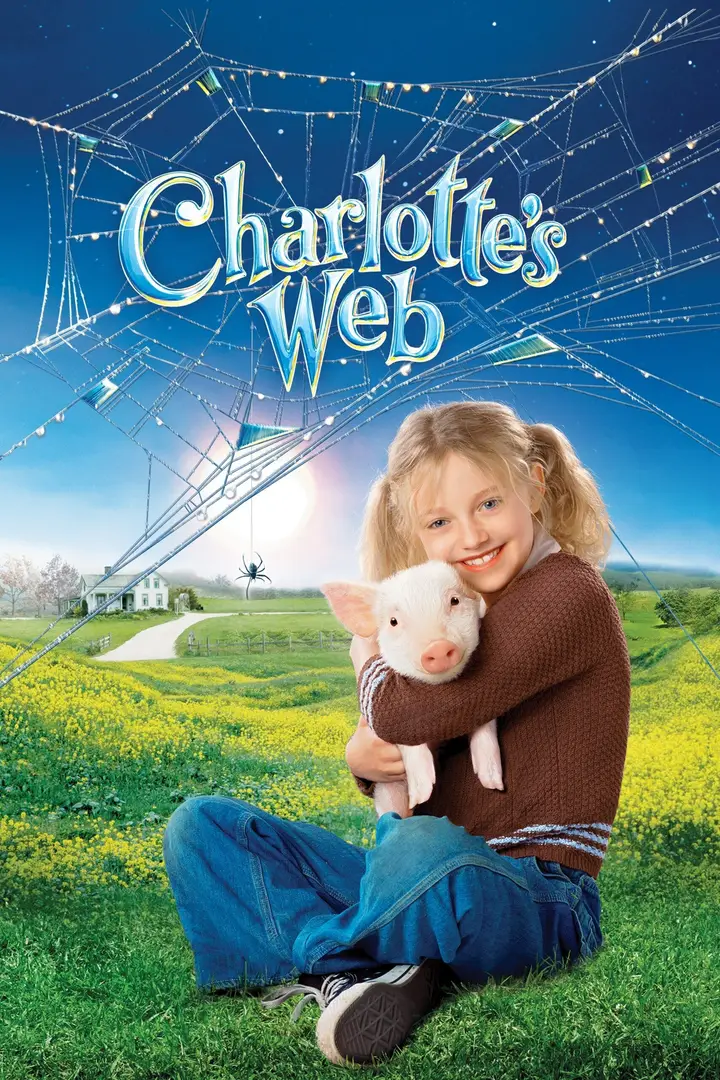
Charlotte's Web
A gentle farm story of barns, changing seasons, animal friendships, and a small pig whose life is changed by the clever care of a spider.
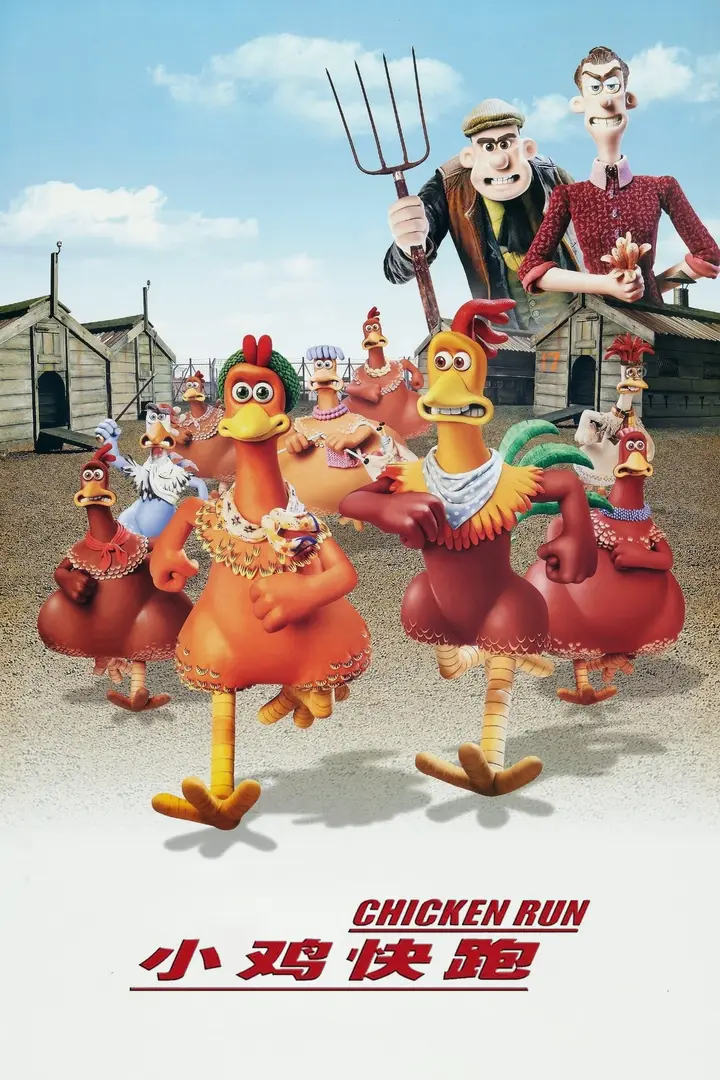
Chicken Run
A daring escape plan brings humor, suspense, and stop-motion brilliance to an unforgettable adventure.
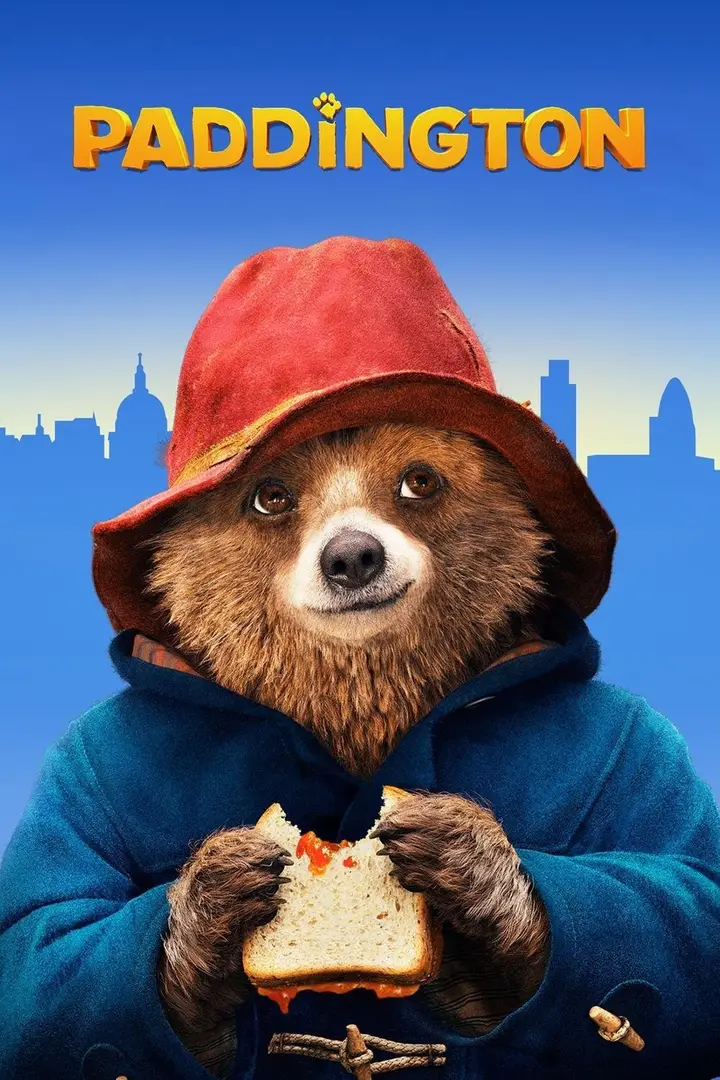
Paddington
A heartwarming family adventure where a little bear shows that kindness can turn a strange place into a true home.
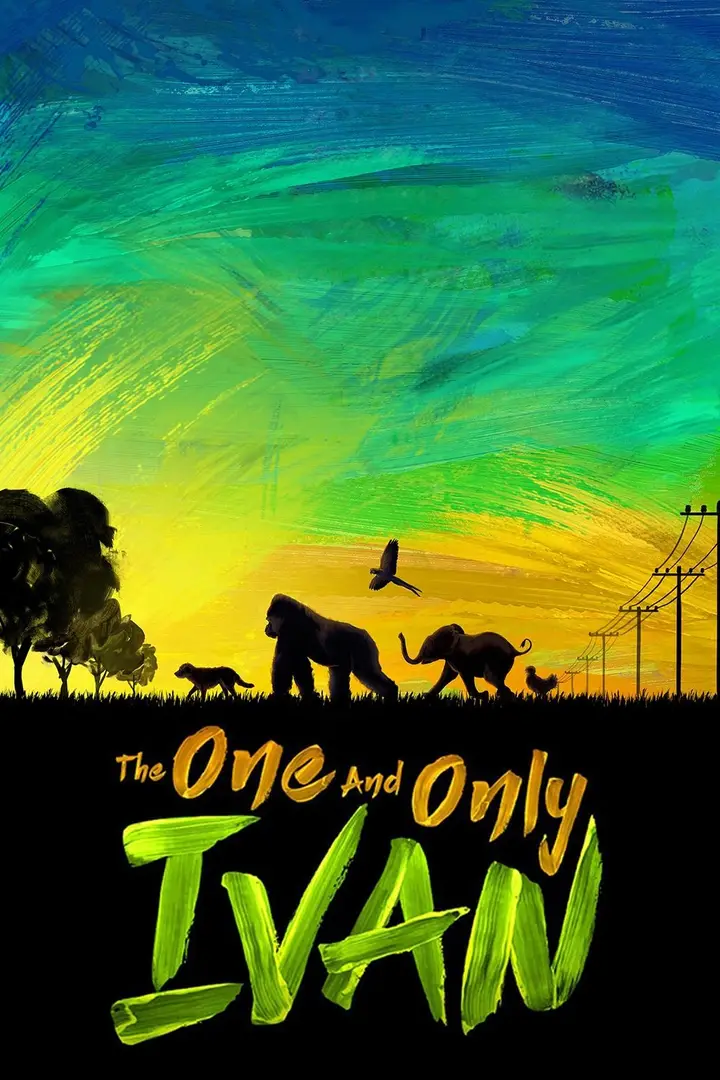
The One and Only Ivan
A quiet, powerful fable about captivity, creativity, and the longing for a life that feels like home.
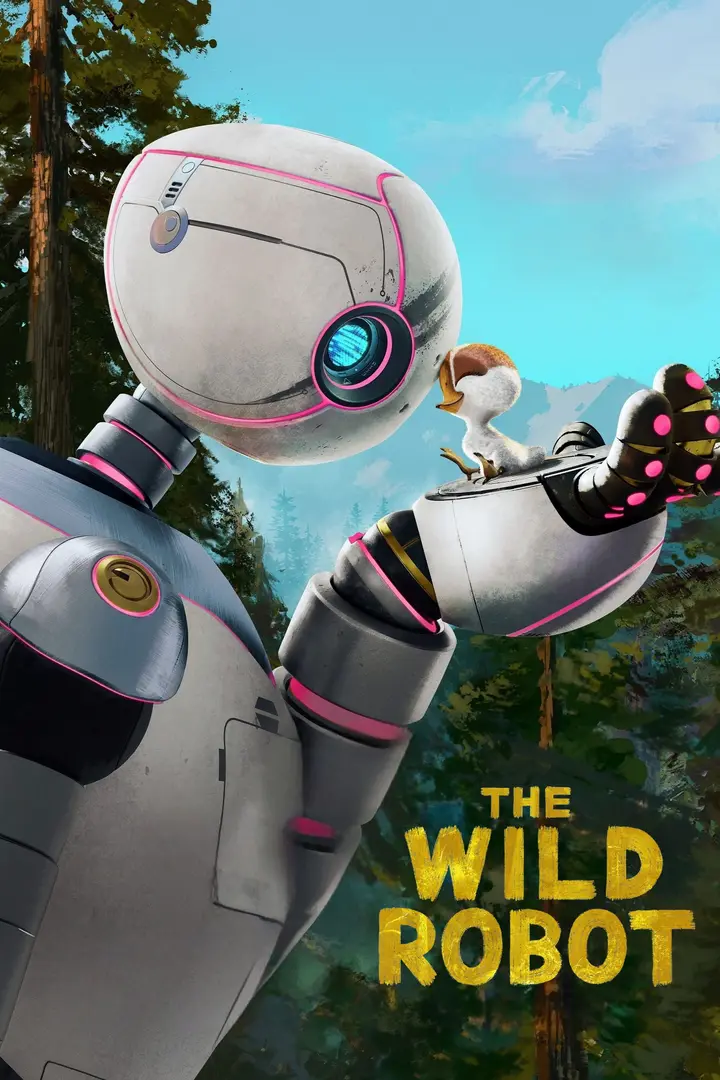
The Wild Robot
A lonely outsider gradually becomes the heart of an entire community in a moving adventure filled with warmth, kindness, and hope.